Artwork
Frontispiece for Peter Heylyn's "The History of St. George of Cappadocia"
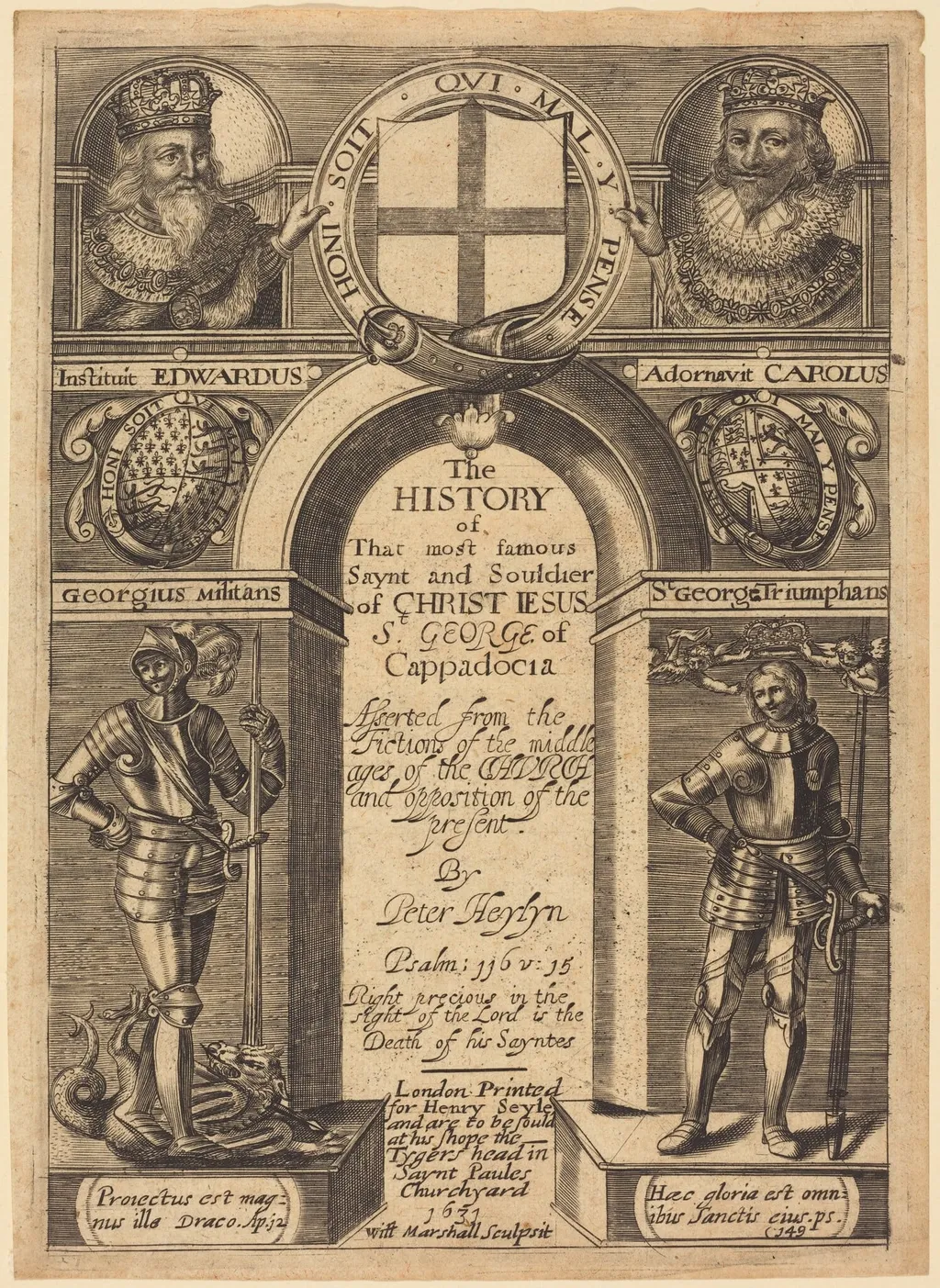
Frontispiece for Peter Heylyn's "The History of St. George of Cappadocia" is an ink print by the Baroque artist Edward Marshall. It dates from 1631 and is held in the collection of the National Gallery of Art.
About this work
The text in the center reads *"The History of That most famous Saynt and Souldier of CHRIST IESVS S.
This print shows four scenes framed in an arch. Two armored knights stand at the bottom, one slaying a dragon and the other holding a shield. Above them, two bearded kings in crowns hold up a shield with a cross on it. The text in the center reads *"The History of That most famous Saynt and Souldier of CHRIST IESVS S. GEORGE of Cappadocia."*
The knights’ armor and the kings’ crowns are detailed with sharp lines. The dragon under the left knight is curled up, looking defeated. The text says this was printed in London in 1631.
Look up engraving to see how artists like this carved images into metal plates.
Overview
This 1631 engraving by Edward Marshall serves as the frontispiece for Peter Heylyn's historical text, 'The History of St. George of Cappadocia'. The print combines multiple scenes within an arched frame, integrating visual and textual elements to introduce the subject.
Subject & Meaning
The engraving depicts four key elements: two armored knights (one vanquishing a dragon, the other holding a shield), and two crowned, bearded kings upholding a cross-emblazoned shield. Central text highlights St. George's renown as a Christian soldier. The composition symbolizes the saint's legendary bravery and religious significance.
Technique & Style
Executed in engraving, the piece showcases sharp lines, particularly in the detailed armor and crowns, characteristic of the medium's capabilities. The curved, defeated dragon and the upright figures demonstrate Marshall's use of contrast to guide the viewer's eye.
History & Provenance
Created in 1631 for Heylyn's text, the engraving was printed in London. Specific provenance details beyond its creation for the book are not provided.
Context
As a frontispiece, it was designed to visually encapsulate and precede the narrative of St. George within Heylyn's historical work, setting a thematic tone for readers.
Legacy
The engraving's impact is closely tied to its function as an illustrative element for 'The History of St. George of Cappadocia'. Its legacy, if any beyond this association, is not notably distinguished in broader artistic or historical discourse.
Artist & collection


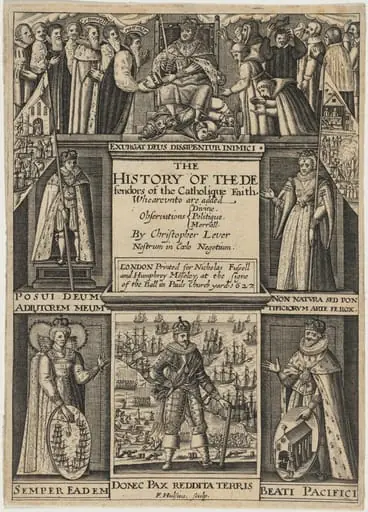 Title Page to History of the Defenders of theCatholic Faith, by Christopher Lever
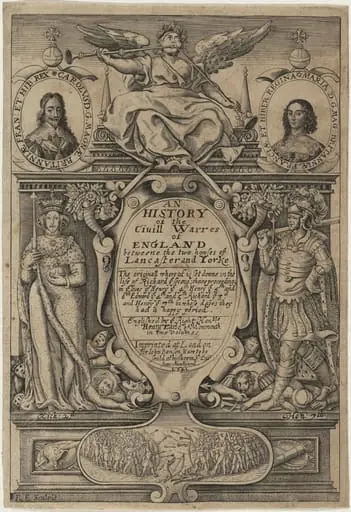 Title page, An History of the Civill Warres of England
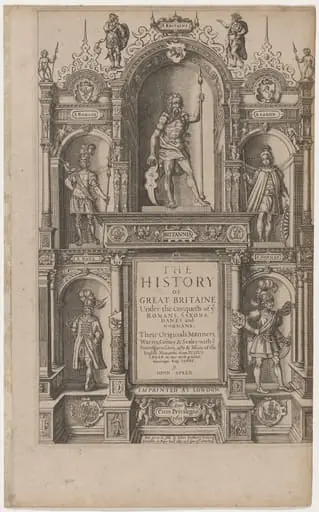 Title Page to "The History of Great Britaine" by John Speed
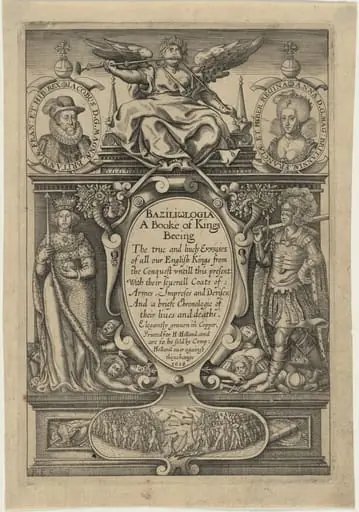 Title page, Baziliologia
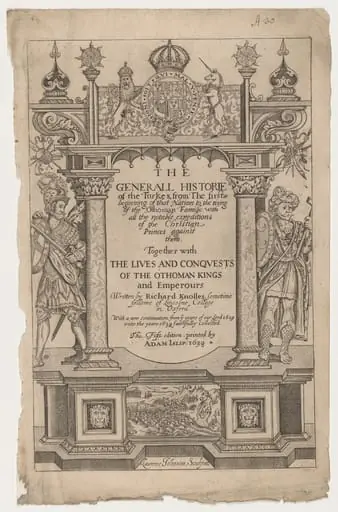 Title Page for R. Knolles Generall Historie of the Turkes
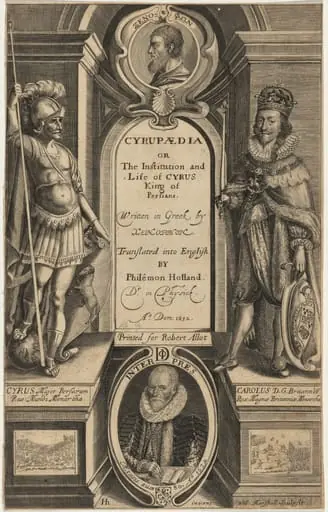 Title Page from Xenophon’s Cyrupaedia
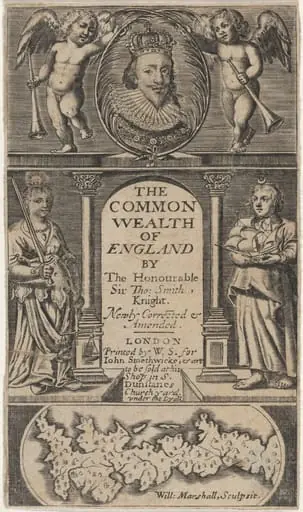 Title Page to Sir Thomas Smith, The Commonwealth of England
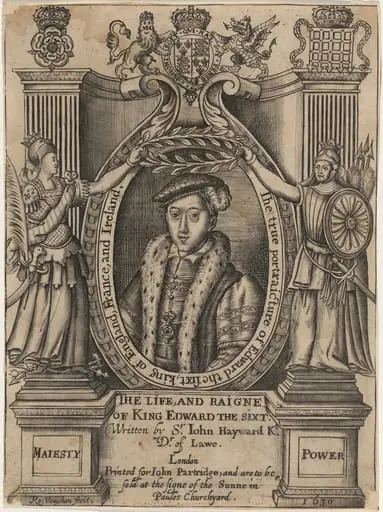 Title Plate to John Hayward, Life and Reigne of King Edward the Sixth
 Frontispiece