Artwork
Title page, Baziliologia
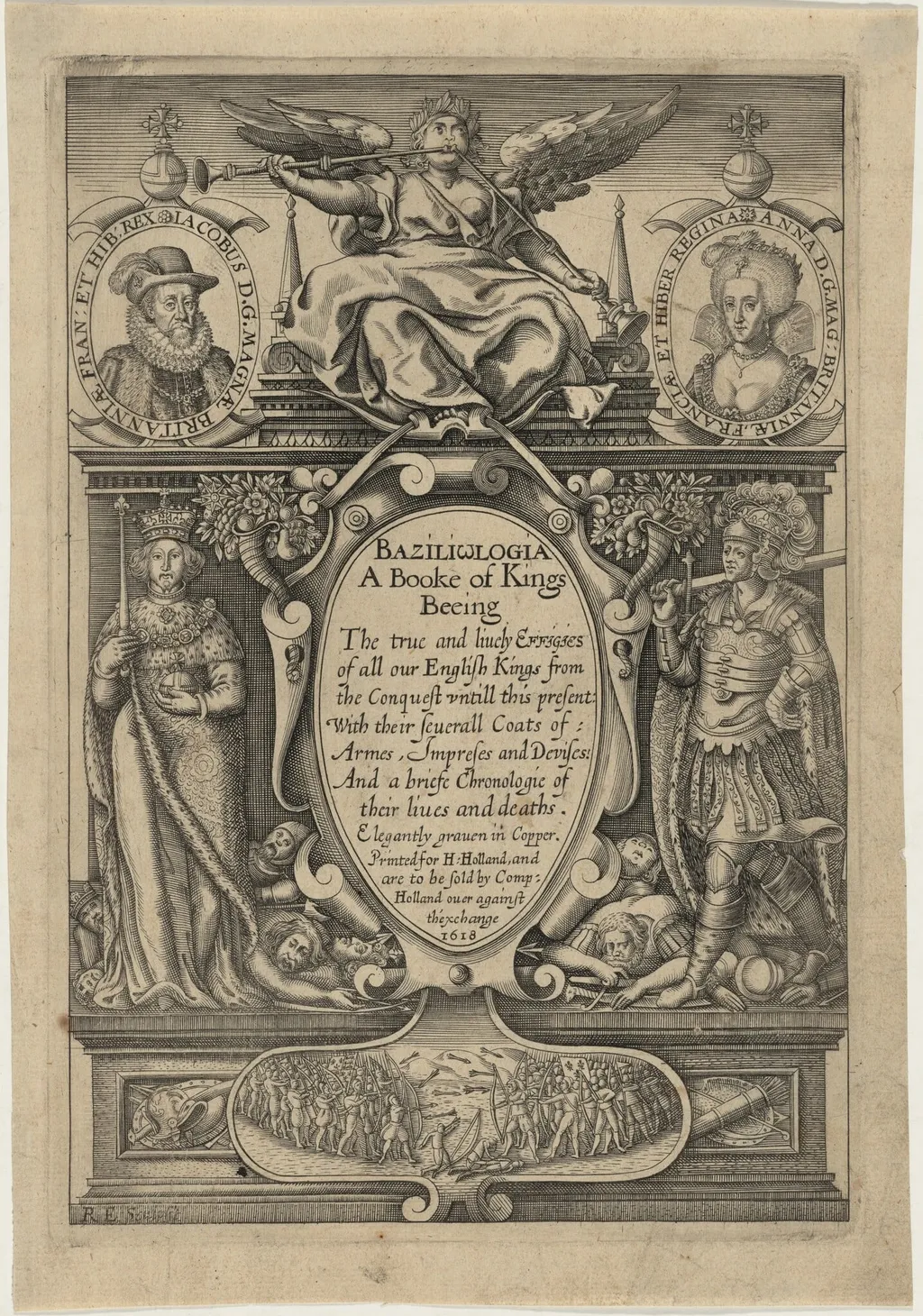
Title page, Baziliologia is an ink print by the Baroque artist Renold Elstrack. It dates from 1618 and is held in the collection of the National Gallery of Art.
About this work
Overview
An engraving by Renold Elstrack, dated 1618, serves as the title page for Baziliologia, a printed work dedicated to English monarchs.
An engraving by Renold Elstrack, dated 1618, serves as the title page for Baziliologia, a printed work dedicated to English monarchs. The composition is densely layered with allegorical figures and heraldic elements, structured vertically to guide the viewer from celestial symbolism at the top to earthly rule below. It functions as both an introduction and a visual manifesto for the volume’s content.
Subject & Meaning
The image centers on the legitimacy and continuity of English kingship. A winged figure, likely representing Fame or Divine Inspiration, holds a trumpet and globe, suggesting the spread of royal authority. Two royal portraits flank this figure, while two kings stand guard over a shield bearing the book’s title. The inclusion of battles and a crowned figure at the base reinforces themes of conquest, sovereignty, and dynastic memory.
Technique & Style
Elstrack employed fine-line engraving to render intricate details across multiple planes. Figures are rendered with precise contours and delicate hatching, typical of early 17th-century English printmaking. The composition is tightly organized, balancing symmetry with narrative depth, allowing numerous elements—portraits, coats of arms, battle scenes—to coexist without visual clutter.
History & Provenance
Baziliologia was published in 1618 as a genealogical and historical account of English monarchs from the Norman Conquest onward. Elstrack, a noted engraver and member of the Stationers’ Company, was commissioned to produce its title page. The work reflects Jacobean interest in royal lineage and national identity, likely intended for elite audiences with ties to the court.
Context
Created during the reign of James I, the engraving aligns with contemporary efforts to consolidate a unified English historical narrative. The emphasis on lineage, heraldry, and divine sanction mirrors political rhetoric of the time, which sought to legitimize Stuart rule through ancestral continuity. Similar emblematic title pages appeared in other royalist publications of the era.
Legacy
Though Baziliologia itself is now obscure, its title page remains a representative example of Jacobean print culture. It illustrates how visual symbolism was used to convey political ideology in printed works. Elstrack’s design influenced later royal publications, preserving a visual language of authority that persisted in English book design through the 17th century.
Artist & collection

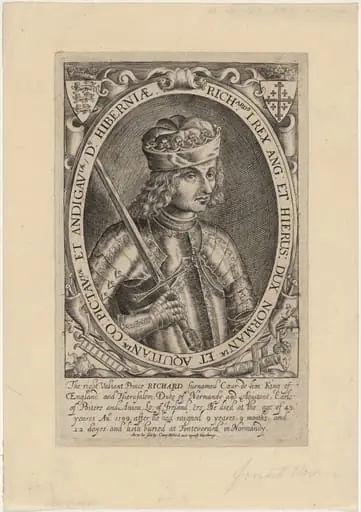
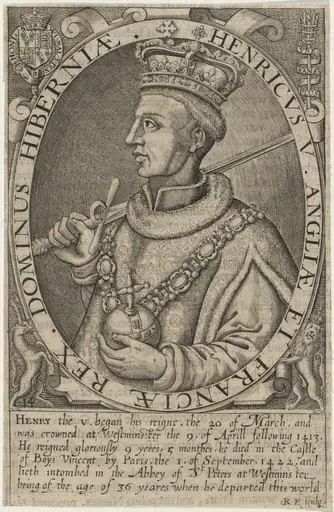
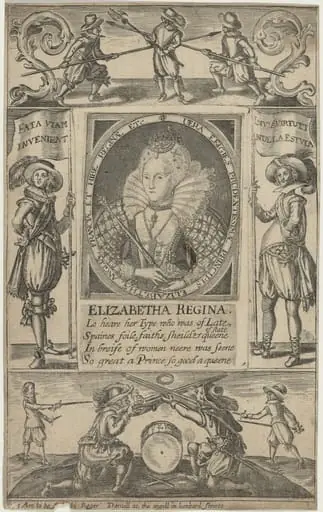 Queen Elizabeth
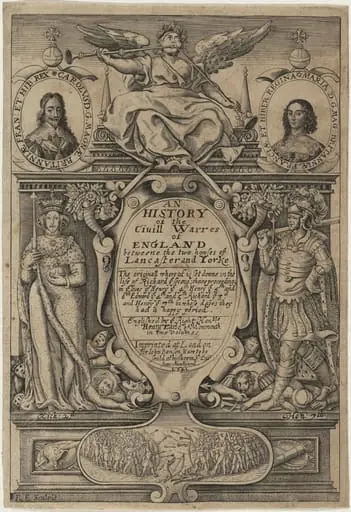 Title page, An History of the Civill Warres of England
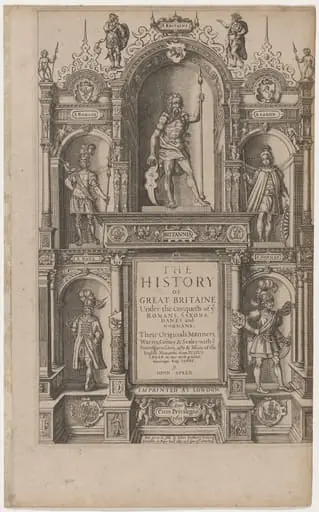 Title Page to "The History of Great Britaine" by John Speed
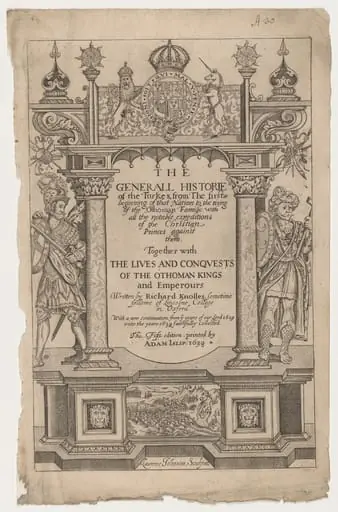 Title Page for R. Knolles Generall Historie of the Turkes
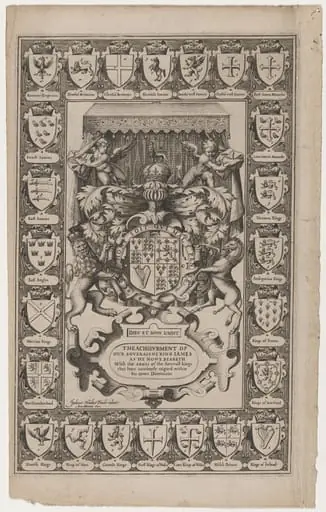 Title Page for the Achievement of our Soveraigne King James
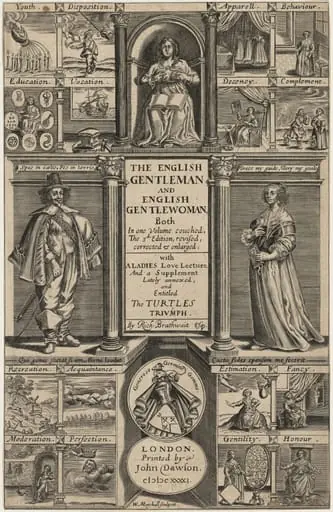 Title page to Richard Brathwait, English Gentleman and English Gentlewoman
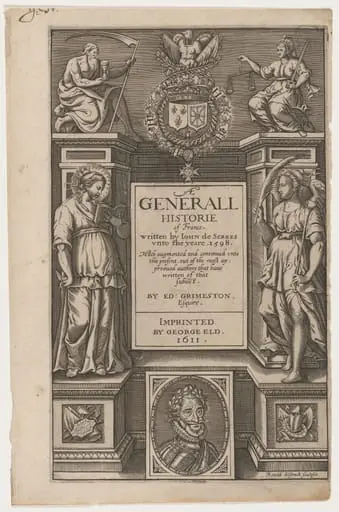 Title Page. Jean de Serres, Generall Historie of France
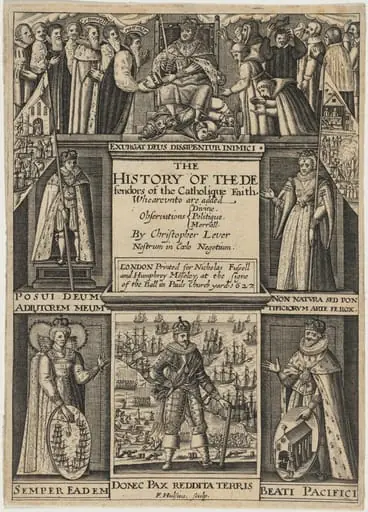 Title Page to History of the Defenders of theCatholic Faith, by Christopher Lever
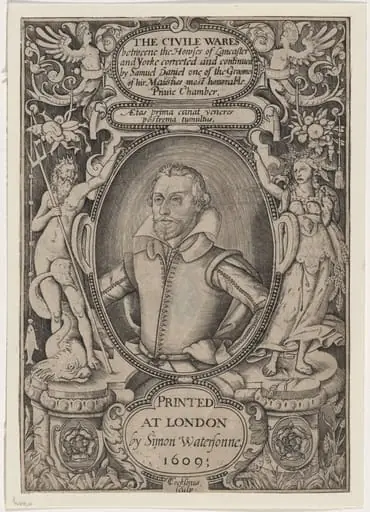 Samuel David
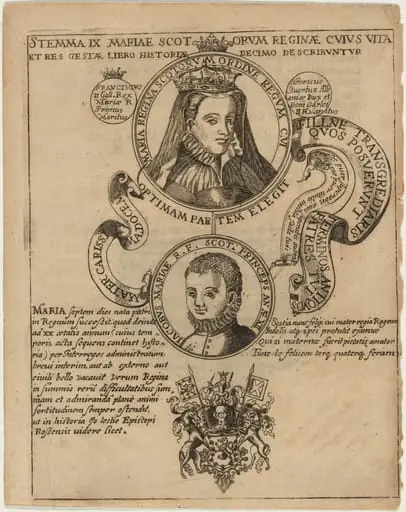 Mary Queen of Scots with James VI of Scotlandand I of England
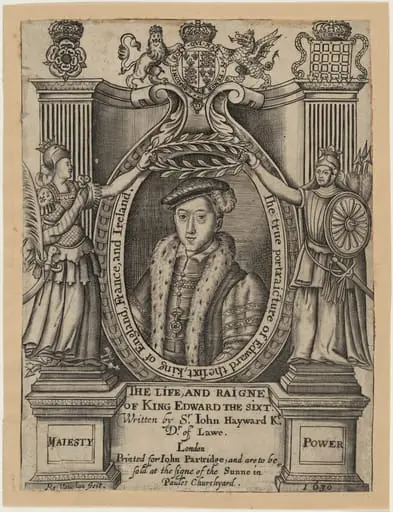 Title Plate to John Hayward, Life and Reigne of King Edward the Sixth
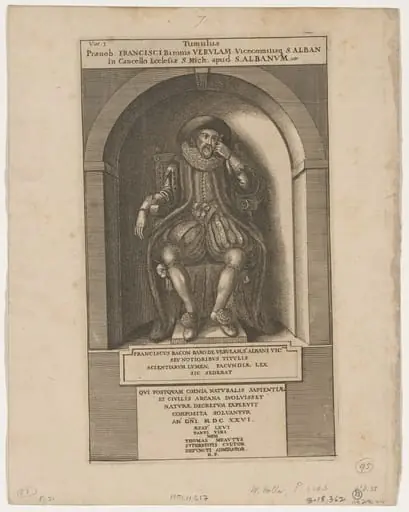 Francis Bacon in a Niche