Artwork
The Seven Archangels (recto)
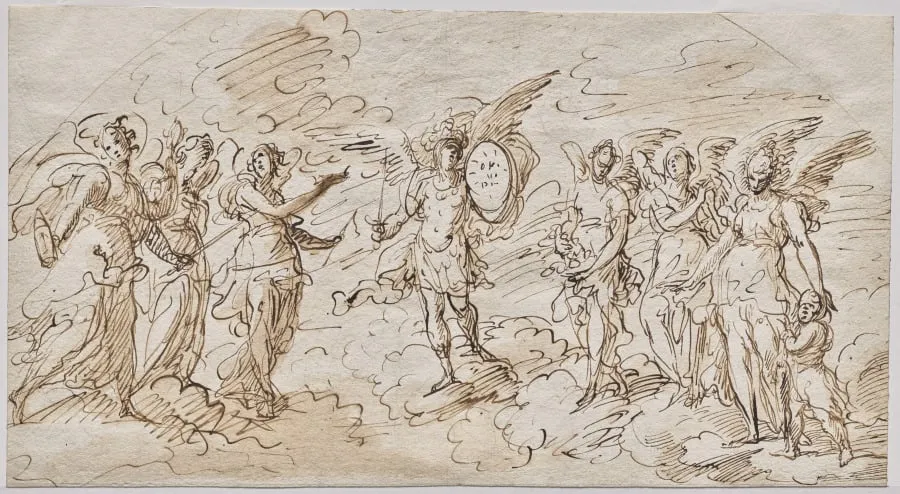
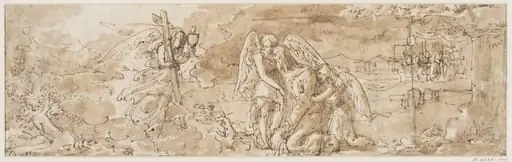
The Seven Archangels (recto) is a drawing by the Baroque artist Massimo Stanzione. It dates from 1624 and is held in the collection of the Cleveland Museum of Art.
About this work
Overview
This drawing by Massimo Stanzione is a preparatory study for a painted altarpiece commissioned for the Monasterio de la Descalzas Reales in Madrid.
This drawing by Massimo Stanzione is a preparatory study for a painted altarpiece commissioned for the Monasterio de la Descalzas Reales in Madrid. Executed in the mid-17th century, it depicts seven winged archangels arranged in a linear composition, each identified by a distinct attribute. Unlike the theatrical lighting common in Neapolitan Baroque art, Stanzione’s approach favors clarity and restraint, reflecting his alignment with classical ideals over Caravaggisti intensity.
Subject & Meaning
The seven archangels represent celestial intermediaries venerated in both Naples and Spain, where devotion to the 'Seven Angelic Princes' was cultivated by the writings of Antonio Del Duca. Each figure holds a symbolic object—such as a sword, lily, or scale—denoting spiritual functions like judgment, purity, or protection. The composition reflects a devotional tradition rooted in late Renaissance theology, emphasizing divine order rather than emotional upheaval.
Technique & Style
Stanzione rendered the figures in precise, controlled lines with minimal shading, avoiding the stark contrasts of chiaroscuro favored by contemporaries like Ribera. The faces are serene, the postures balanced, and the drapery flows with quiet elegance. This restrained draftsmanship reveals his commitment to classical harmony, prioritizing clarity of form and spiritual calm over dramatic tension or visceral realism.
History & Provenance
The drawing was created as a study for a larger altarpiece commissioned for the Spanish royal convent in Madrid, linking Stanzione’s Neapolitan workshop to Habsburg devotional networks. While the final painting is documented in Madrid, this preparatory sheet remains a rare surviving record of his working process. Its preservation suggests its value as both artistic reference and devotional artifact within the convent’s intellectual circle.
Context
In 17th-century Naples, artistic production was divided between Caravaggisti and those favoring classical restraint. Stanzione stood among the latter, drawing from Raphael and ancient sculpture rather than naturalistic extremes. The archangel cult, promoted by Del Duca, resonated across the Spanish Empire, making this subject both theologically significant and politically aligned with Habsburg religious priorities in southern Italy.
Legacy
Stanzione’s approach influenced later Neapolitan artists who sought to temper Baroque intensity with classical poise. While his paintings are less widely known today, this drawing exemplifies a quieter strand of 17th-century sacred art—one that valued contemplation over spectacle. It remains a key document in understanding the regional diversity of Baroque religious imagery beyond its most dramatic expressions.
Artist & collection
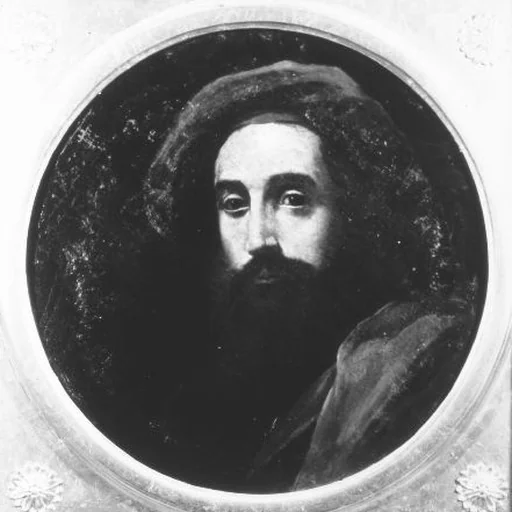
Artist
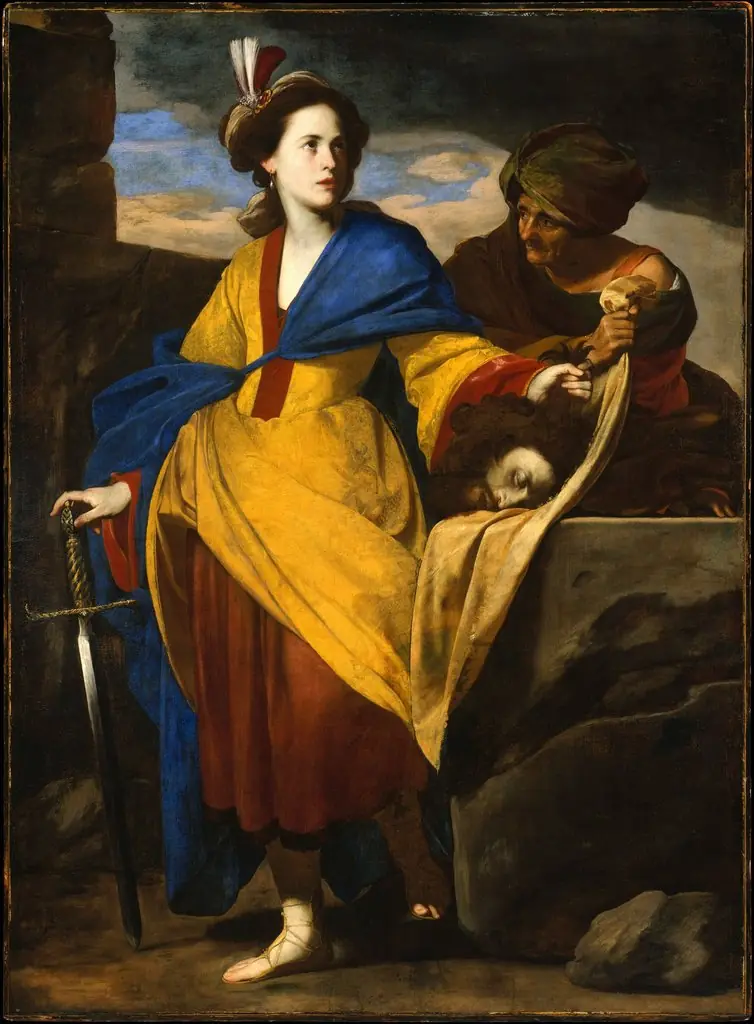
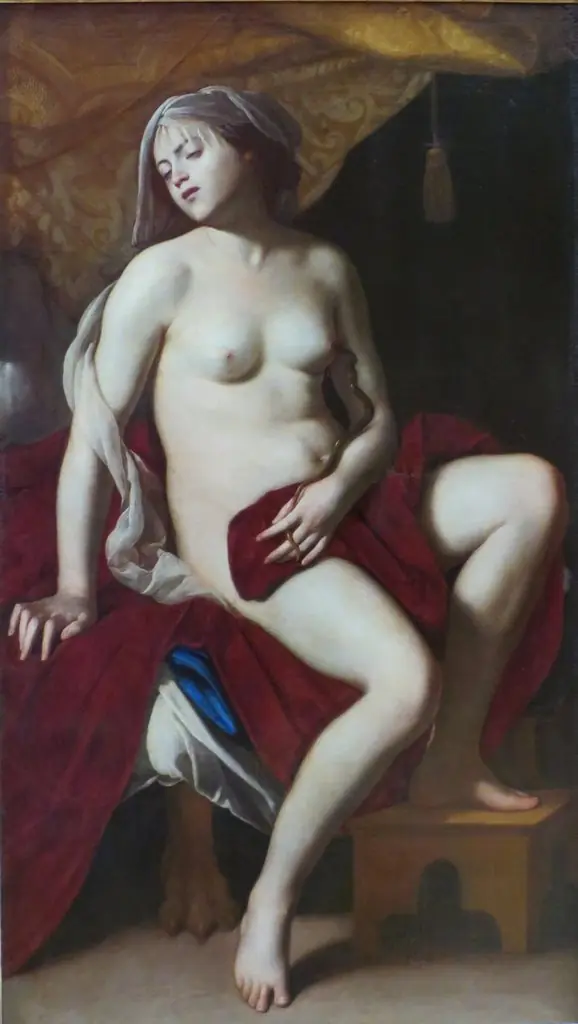
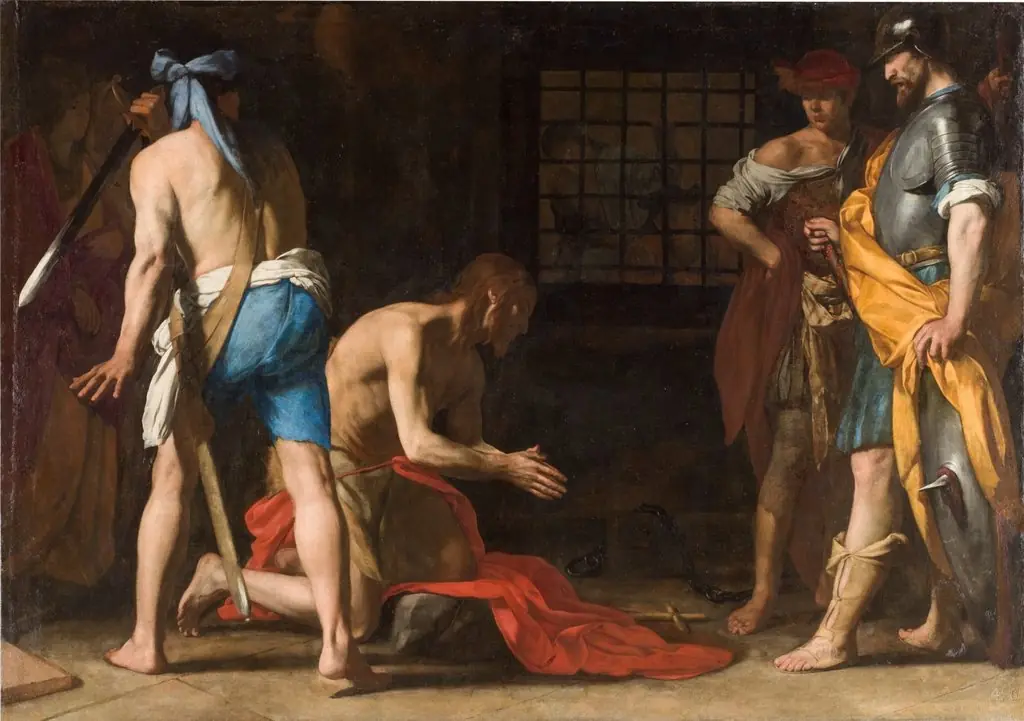
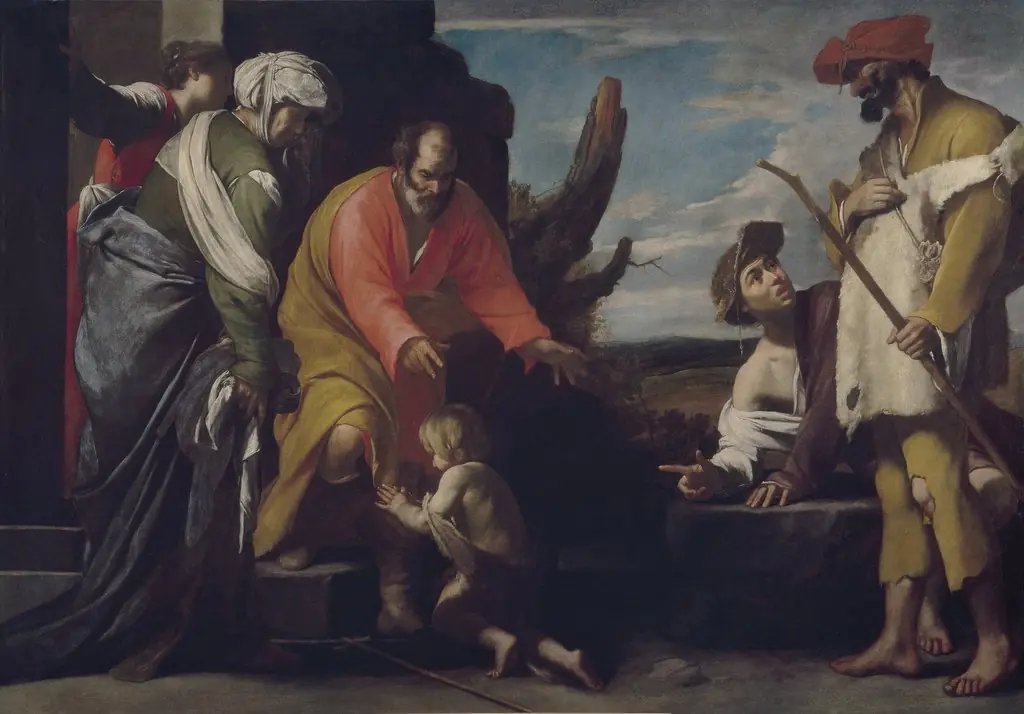
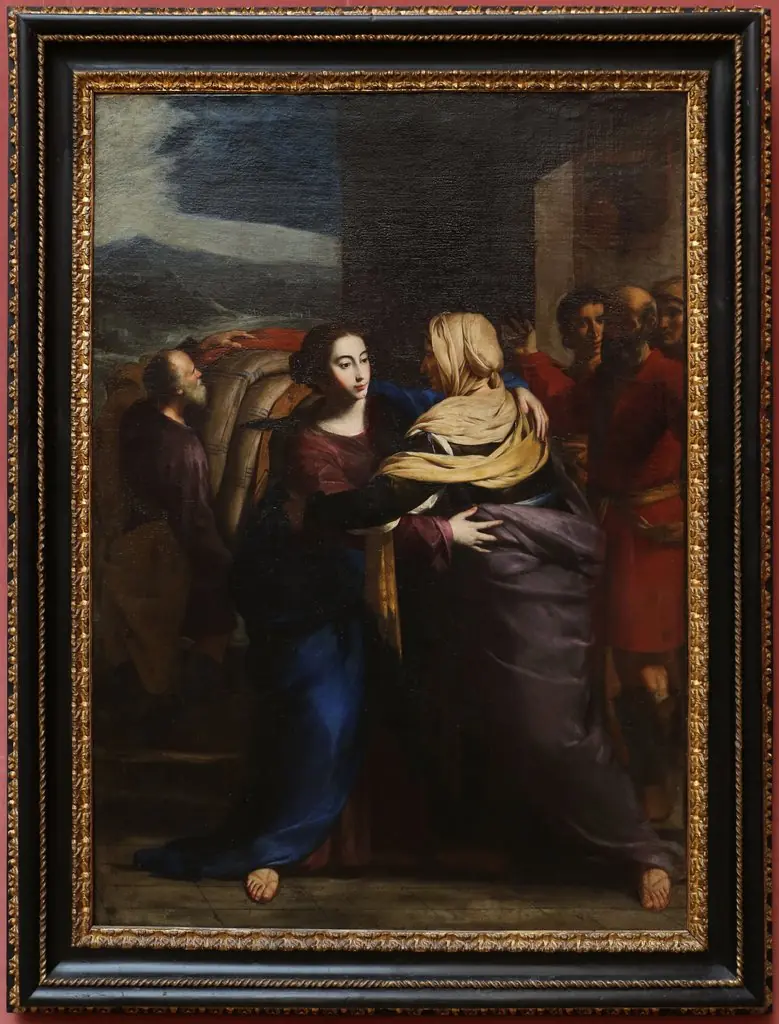
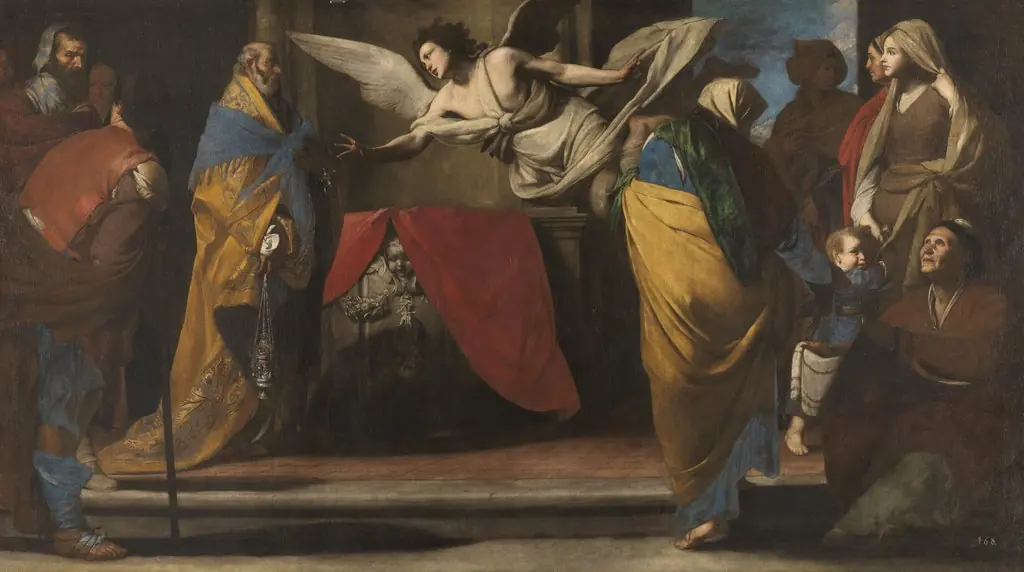
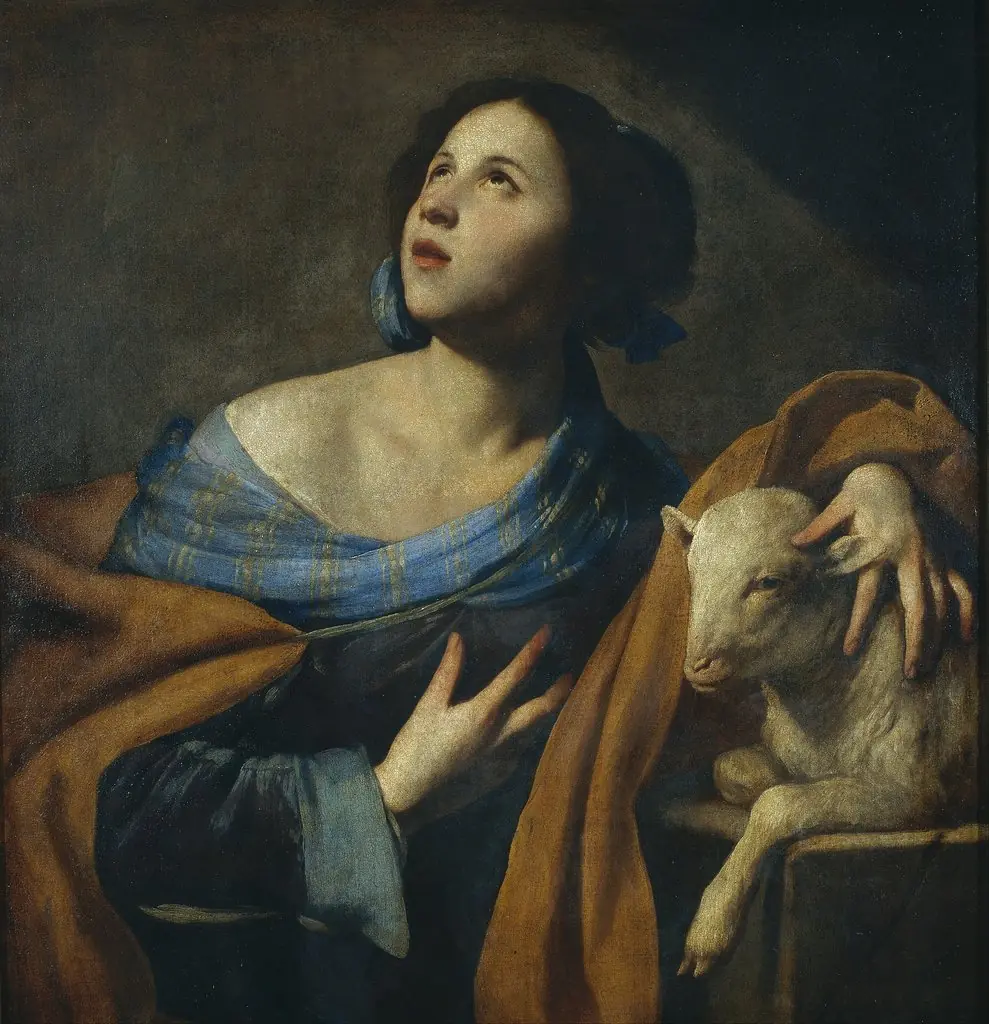
Massimo Stanzione (also called Stanzioni; Frattamaggiore 1585 – Naples 1656) was an Italian Baroque painter, mainly active in Naples, where he and his rival Jusepe de Ribera dominated the painting scene for several decades.