Artwork
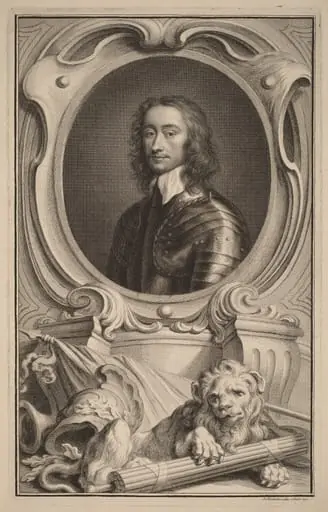
Portrait of a Gentleman
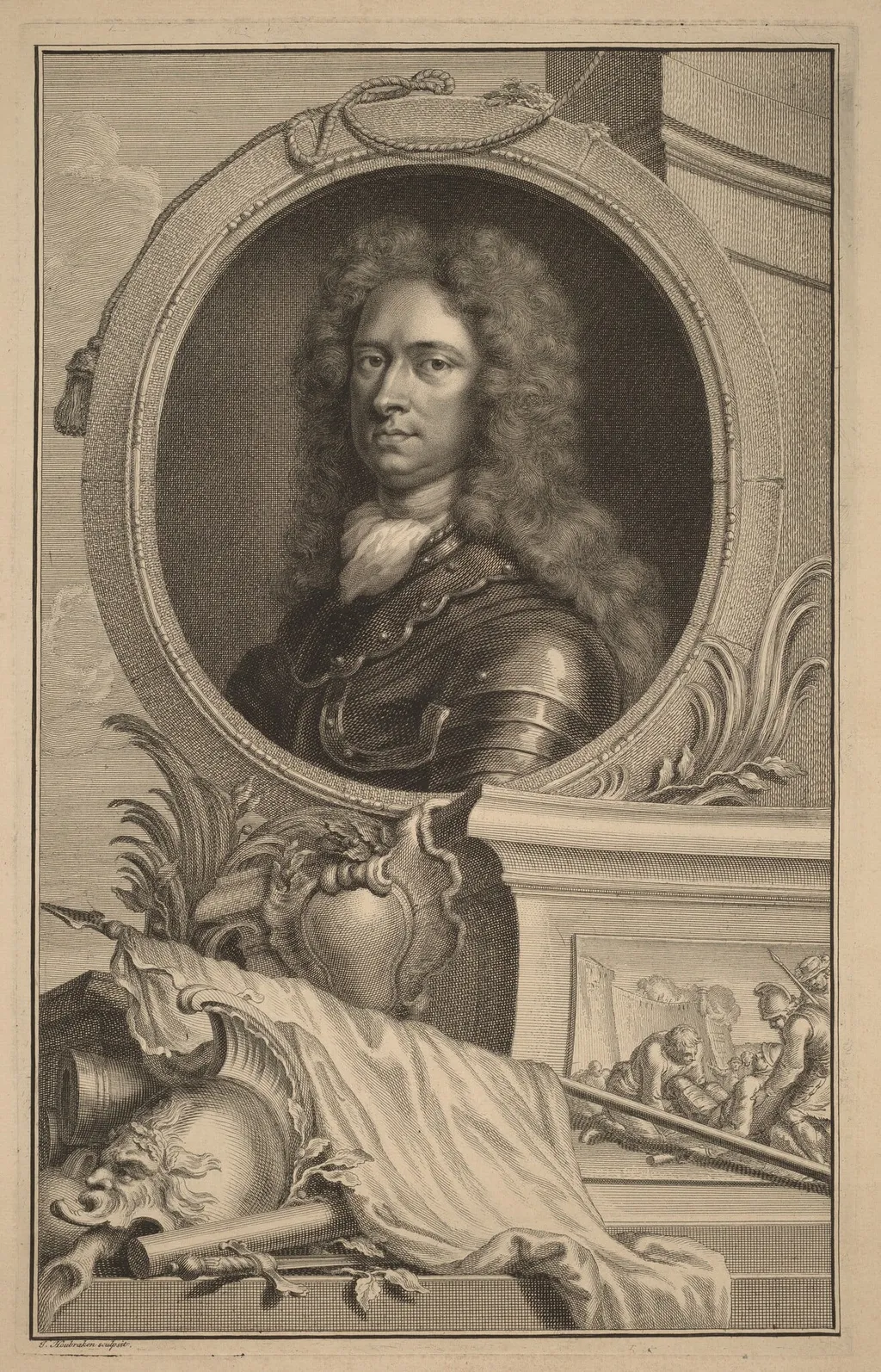
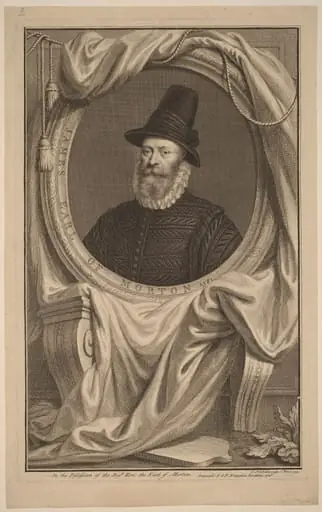
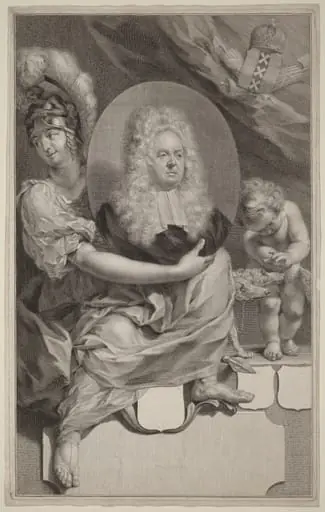
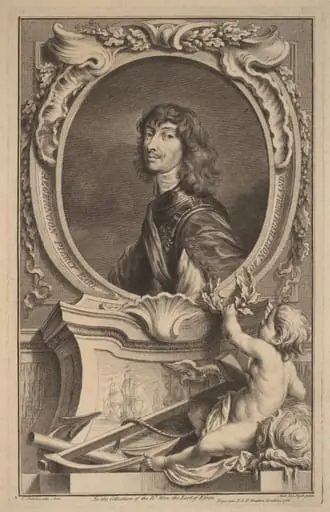
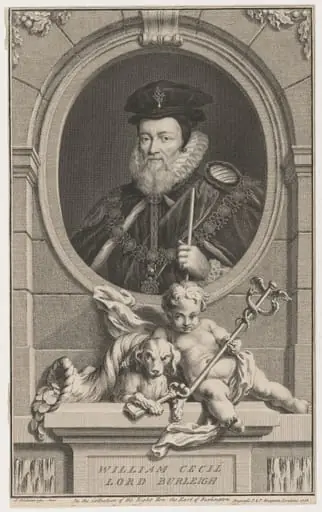
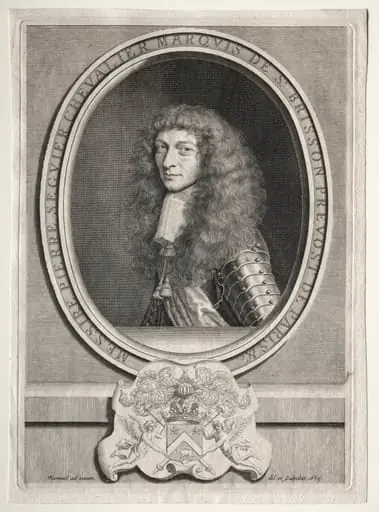
Portrait of a Gentleman is an ink print by the Baroque artist Jacobus Houbraken. It dates from 1739 and is held in the collection of the National Gallery of Art.
About this work
Overview
Portrait of a Gentleman is an engraved print produced by Jacobus Houbraken in 1739 on laid paper. Unlike painted portraits, this work relies on incised lines to render form and texture, demonstrating the precision of printmaking in the early 18th century. The image captures a man in period attire, rendered with meticulous attention to surface detail and tonal gradation.
Subject & Meaning
The subject is a man depicted with a composed, solemn expression, dressed in clothing that suggests an earlier era, possibly evoking dignity or tradition. His attire and posture convey a sense of quiet authority rather than flamboyance. The absence of identifying symbols or context leaves his identity ambiguous, emphasizing character over status.
Technique & Style
Houbraken employed engraving, a technique involving fine lines carved into a metal plate, to build form through cross-hatching and controlled ink density.
Houbraken employed engraving, a technique involving fine lines carved into a metal plate, to build form through cross-hatching and controlled ink density. The texture of fabric, skin, and hair is suggested not by blending but by the density and direction of incised strokes. This method demands precision and reflects the printmaker’s skill in translating three-dimensional form into linear notation.
History & Provenance
The print was made during Houbraken’s active period in the Netherlands, where he was known for reproducing portraits of notable figures. While the original sitter remains unidentified, the work aligns with contemporary practices of disseminating likenesses through engraved prints, serving as both documentation and cultural artifact.
Context
In the early 1700s, engraved portraits were widely circulated among the educated middle class as affordable alternatives to painted likenesses. Houbraken’s work reflects the era’s interest in preserving individual appearance through reproducible media, bridging the gap between elite portraiture and broader public access to visual culture.
Legacy
Houbraken’s engraving exemplifies the technical rigor of 18th-century printmaking and contributes to the historical record of how personal identity was visually constructed before photography. His precise line work influenced later generations of engravers and remains a reference for studying pre-industrial methods of image reproduction.
Artist & collection


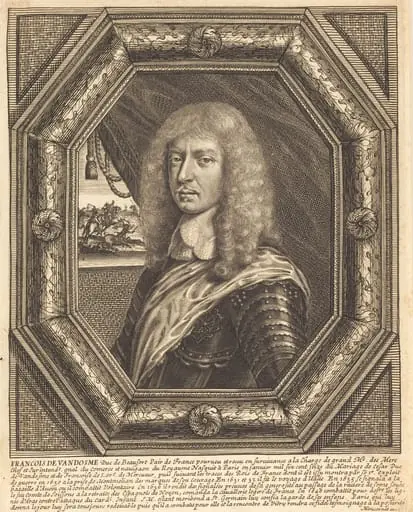 François de Vendôme, Duke of Beaufort
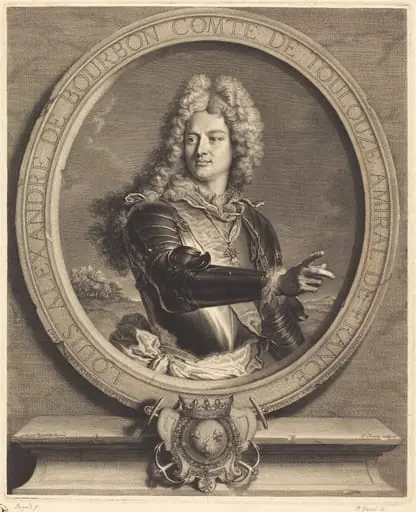 Louis-Alexandre de Bourdon, comte de Toulouse
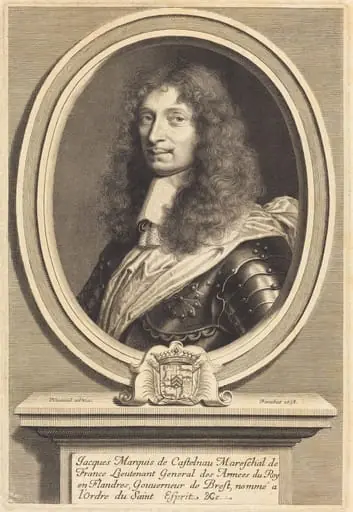 Marechal de Castelnau
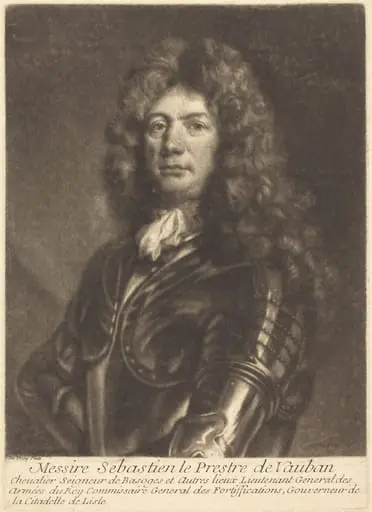 Portrait of M. Sebastien Le Prestre de Vauban
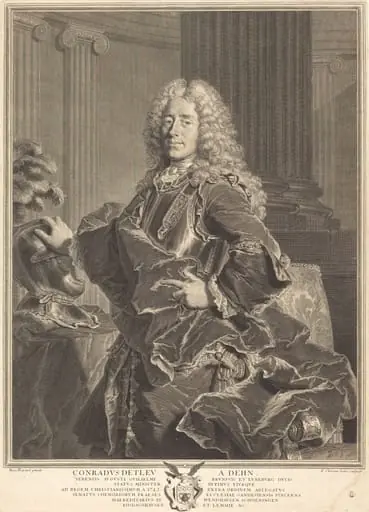 Conradus Detleu von Dehn
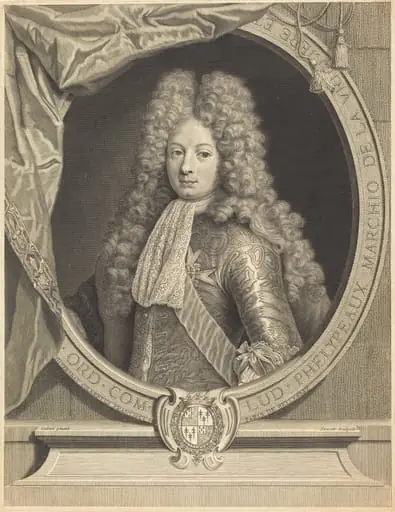 Marquis de la Vrilliere
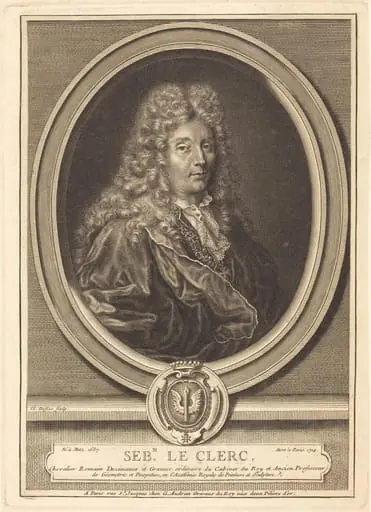 Sebastian Le Clerc
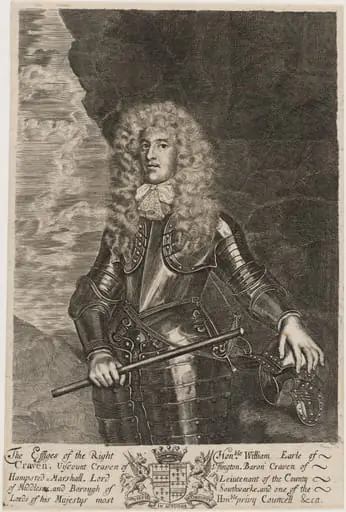 William, Earl of Craven
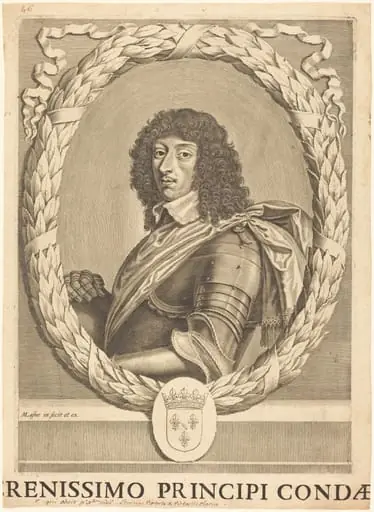 Louis II de Bourbon
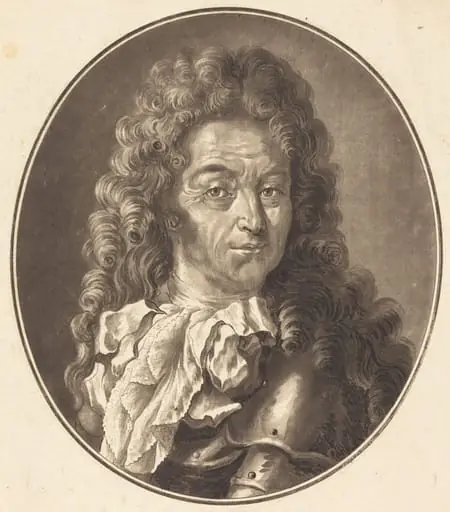 Nicolas Catinat, Maréchal de France
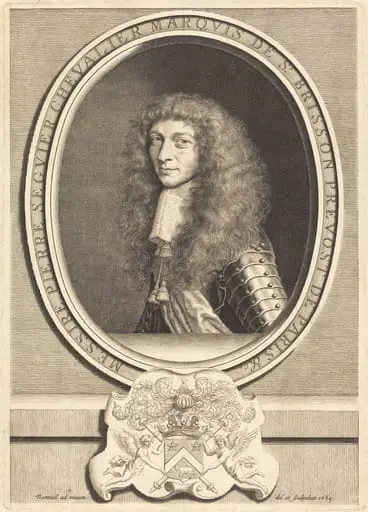 Pierre Seguier, Marquis de Saint-Brisson
 Pierre Seguier Chevalier, Marquis de St. Brisson