Artwork
Alexander the Great and the High Priest of Jerusalem
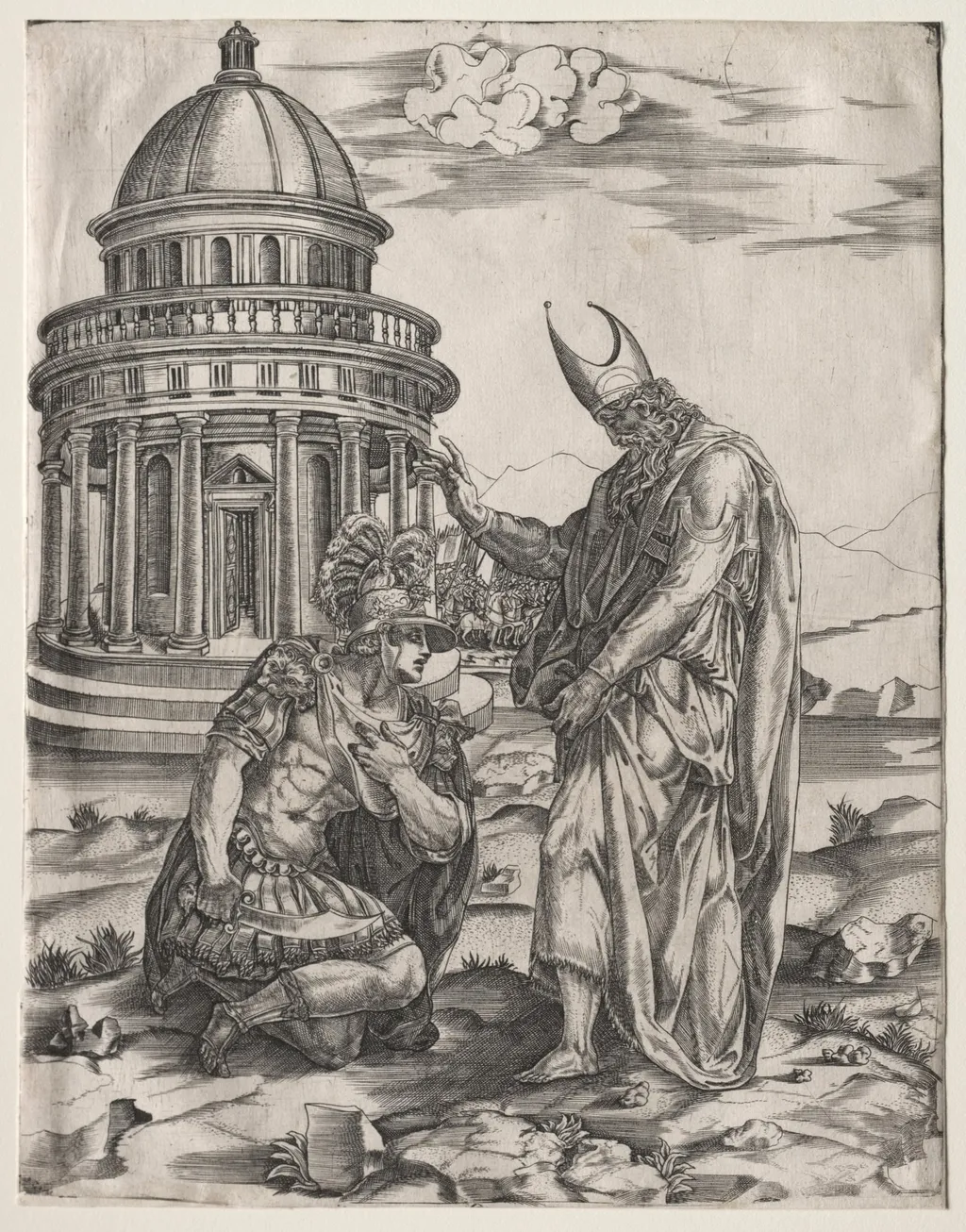
Alexander the Great and the High Priest of Jerusalem is a print by the Renaissance artist Master IRs. It dates from 1544 and is held in the collection of the Cleveland Museum of Art.
About this work
Overview
Though historically unverified, the scene became a popular subject in early modern European art, reflecting ideals of reverence and divine favor.
This print depicts a legendary encounter between Alexander the Great and the High Priest of Jerusalem, illustrating a story that circulated in Hellenistic and later traditions. Though historically unverified, the scene became a popular subject in early modern European art, reflecting ideals of reverence and divine favor. The composition centers on Alexander’s act of humility before a religious figure, emphasizing spiritual authority over military power.
Subject & Meaning
The scene portrays Alexander kneeling before the High Priest, a gesture that defies his image as a conquering monarch. According to the legend, Alexander recognized the priest’s sacred role and chose to bow rather than demand submission. This moment symbolized the harmony between secular power and religious sanctity, suggesting that true greatness lies in acknowledging divine order rather than imposing will.
Technique & Style
The print employs fine linear detail and controlled tonal contrasts typical of early modern engraving. Figures are rendered with classical proportions, and the background is minimally suggested, focusing attention on the central interaction. The use of chiaroscuro enhances the solemnity of the moment, while the rigid posture of the priest contrasts with Alexander’s lowered stance, reinforcing the narrative’s moral hierarchy.
History & Provenance
The legend of Alexander’s encounter with the High Priest appears in texts by Josephus and later medieval chronicles, gaining traction in Christian Europe as an allegory of piety. This print likely originated in the 16th or 17th century, produced for devotional or educational audiences. Its circulation across collections suggests it was valued for its moral narrative rather than its artistic innovation.
Context
During the Renaissance and Baroque periods, stories from antiquity were frequently reinterpreted to align with contemporary religious values. Alexander’s humility before the High Priest served as a model for rulers, illustrating that even the most powerful should defer to spiritual authority. Such imagery resonated in Catholic and Protestant regions alike, where the relationship between church and state remained a pressing concern.
Legacy
Though the historical accuracy of the event is disputed, the image endured in print culture for centuries, appearing in religious manuals and historical compendiums. Its persistence reflects a broader cultural preference for narratives that reconcile political power with moral virtue. The print remains a quiet testament to how myth can shape visual representations of leadership across generations.
Artist & collection


 An Assembly of Scholars
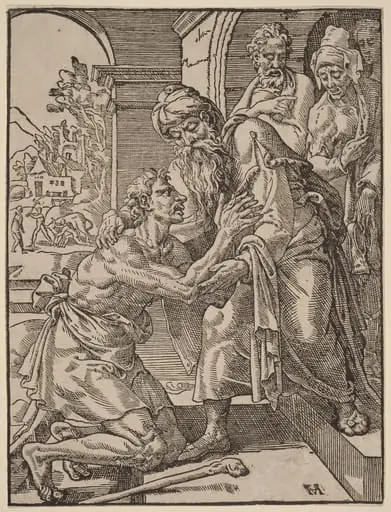 The Return of the Prodigal Son
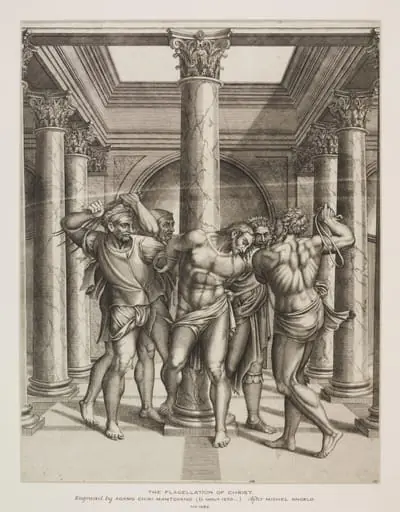 The Flagellation
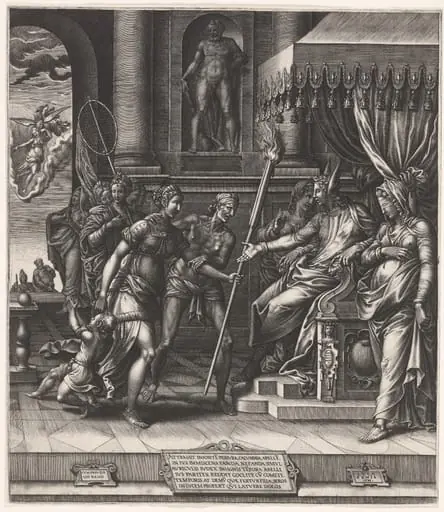 The Calumny of Apelles
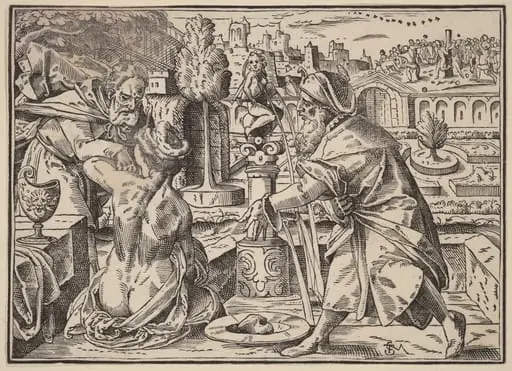 Christ Tells His Disciples of the Last Judgment
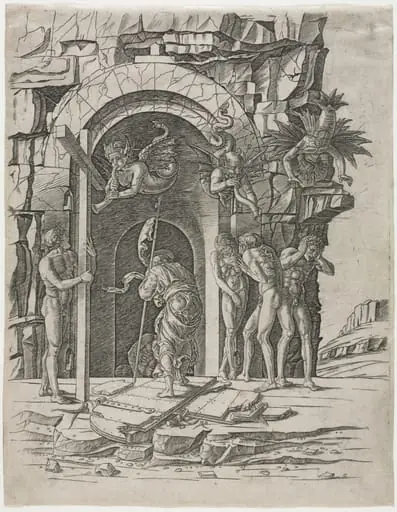 Descent into Limbo
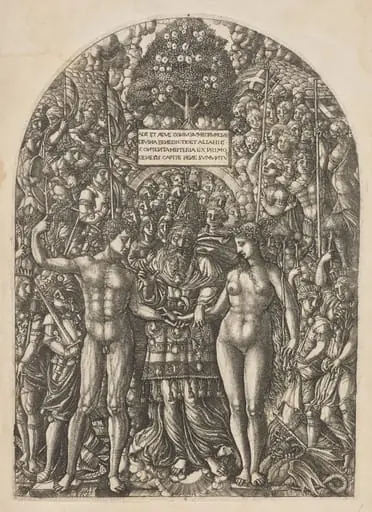 Marriage of Adam and Eve
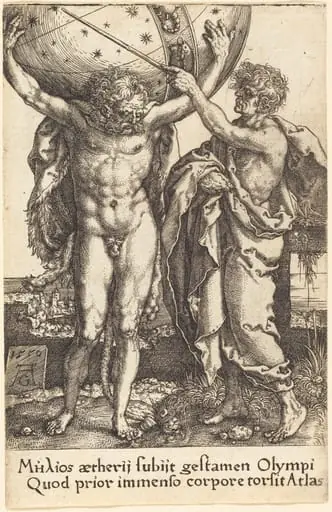 Hercules and Atlas
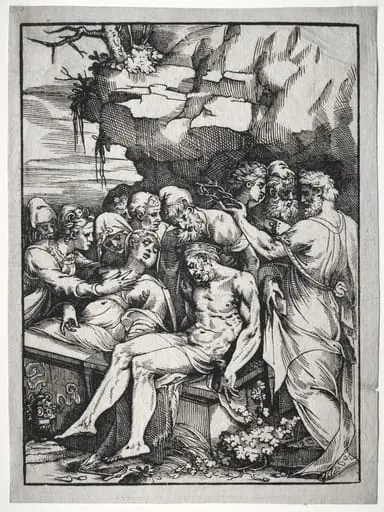 The Entombment
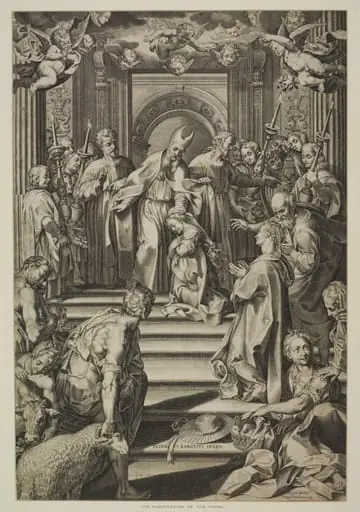 The Purification of the Virgin
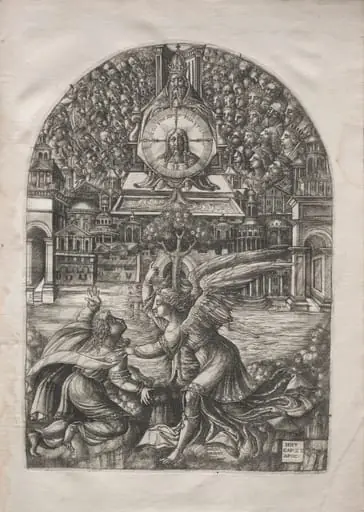 The Apocalypse: The Angel Shows St. John the Fountain of Living Water