Artwork
The Calumny of Apelles
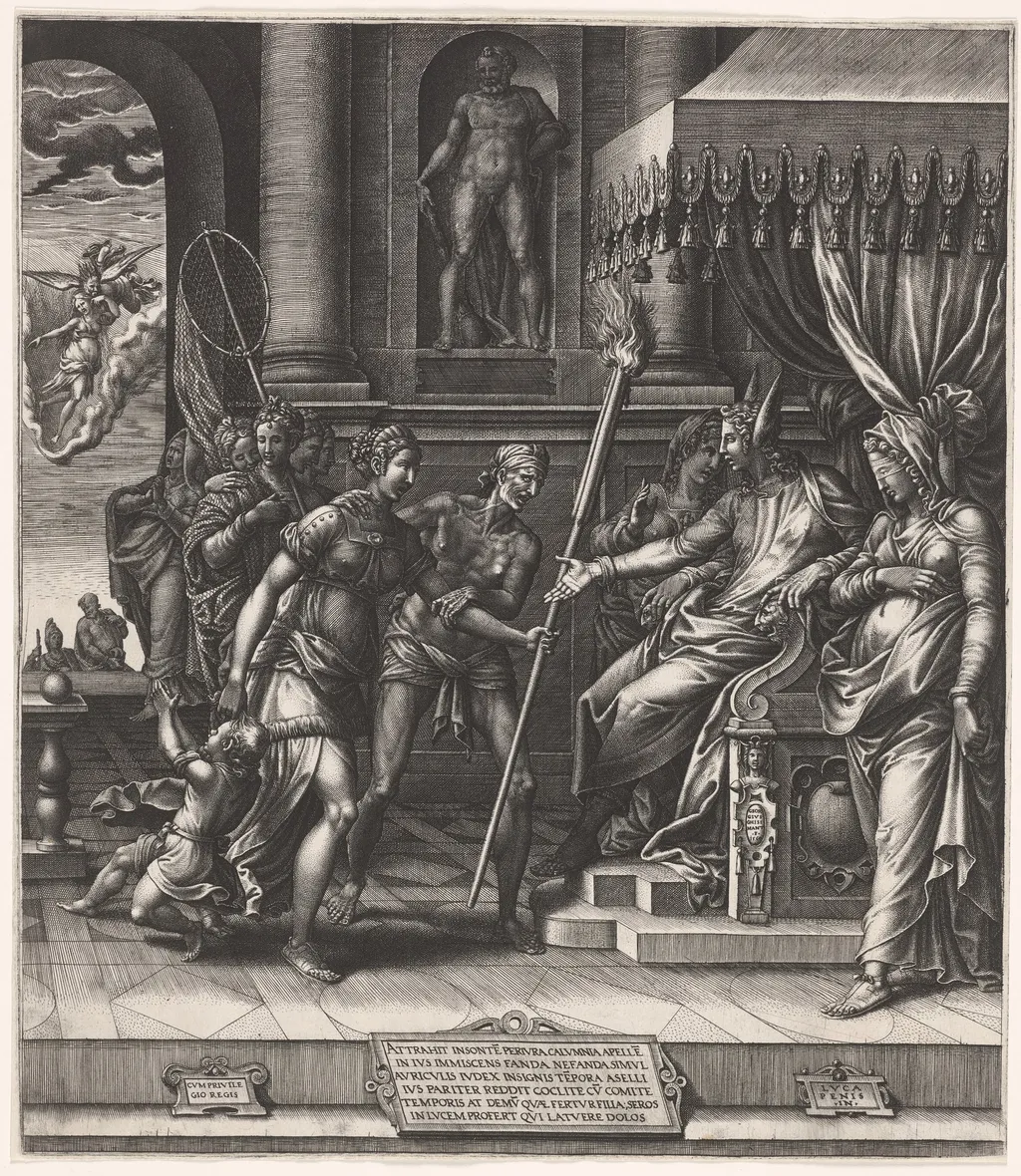
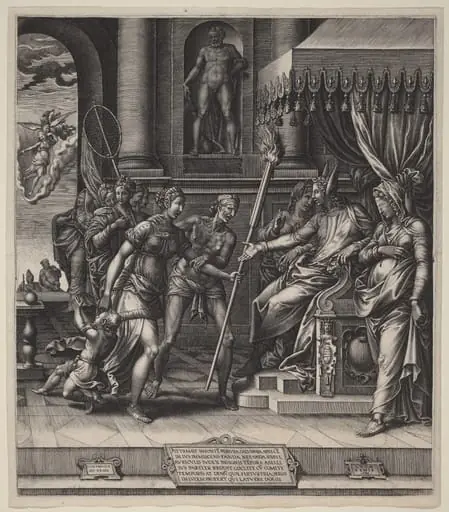
The Calumny of Apelles is a print by the Renaissance artist Giorgio Ghisi. It dates from 1560 and is held in the collection of the Cleveland Museum of Art.
About this work
Overview
The Calumny of Apelles is an allegorical print depicting the injustices of false accusation and the ultimate triumph of truth. Based on a literary description of a lost ancient Greek painting by Apelles, the work illustrates a complex moral scenario.
Subject & Meaning
The print portrays a scene of judicial corruption and redemption. A biased judge, influenced by Suspicion and blind Ignorance, is swayed by Calumny (Slander), who, aided by Envy, falsely accuses a youth. Truth and Time intervene to expose the lie, while Deceit and repentant figures underscore the moral themes of injustice, revelation, and remorse.
Technique & Style
Although the specific techniques used in this print are not detailed here, its popularity among Renaissance artists suggests adherence to contemporary stylistic elements, potentially including sfumato, a method of blending colors to achieve depth and volume, commonly used during this period.
History & Provenance
The original artwork by Apelles is lost, surviving only through written descriptions that inspired numerous Renaissance reinterpretations, including this print. Specific provenance details for this print (artist, date) are not provided.
Context
Created in a context where moral allegories were highly valued, The Calumny of Apelles reflects Renaissance interests in classical themes and the didactic use of art to convey ethical messages.
Legacy
This work contributes to a broader legacy of artworks inspired by Apelles’ lost painting, collectively ensuring the ancient tale’s continued relevance across centuries through various artistic renditions.
Artist & collection
Artist
Giorgio Ghisi (1520 — 15 December 1582) was an Italian engraver from Mantua who also worked in Antwerp and in France.

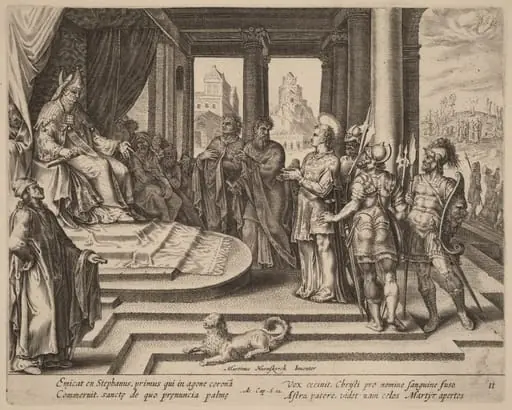 Saint Stephen before the Council
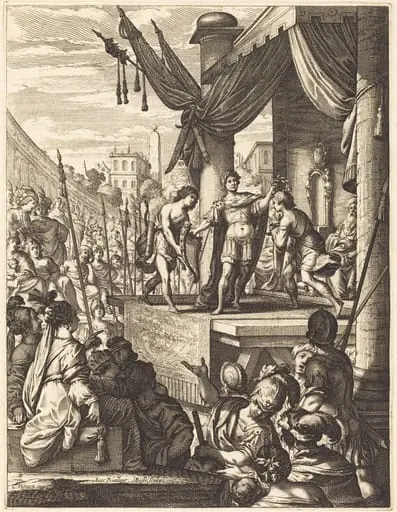 Illustration to Jean Desmarets' "L'Ariane"
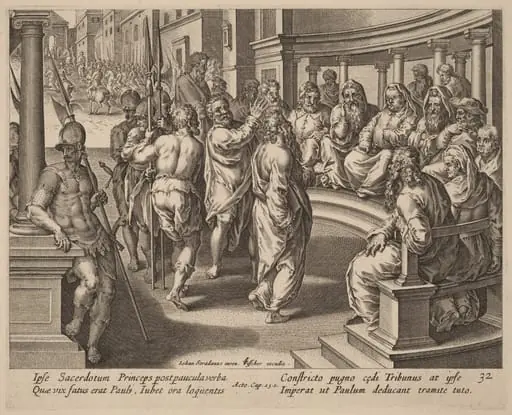 Saint Paul before the High Priest
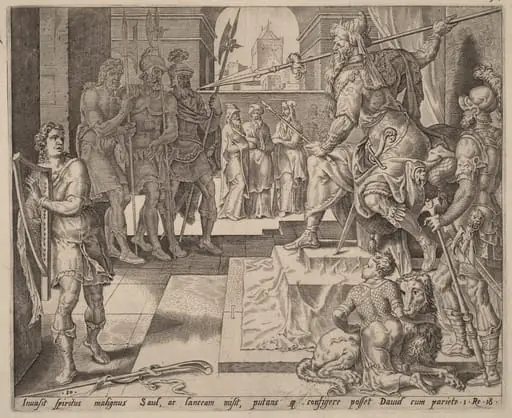 David before Saul
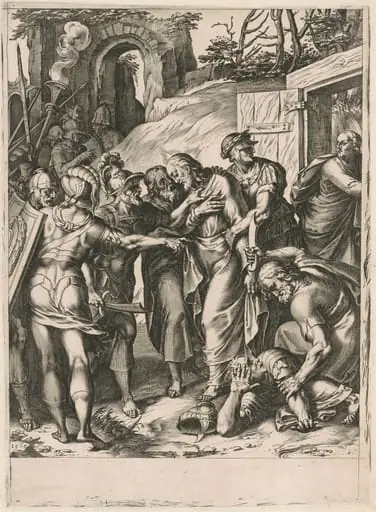 The Betrayal of Christ
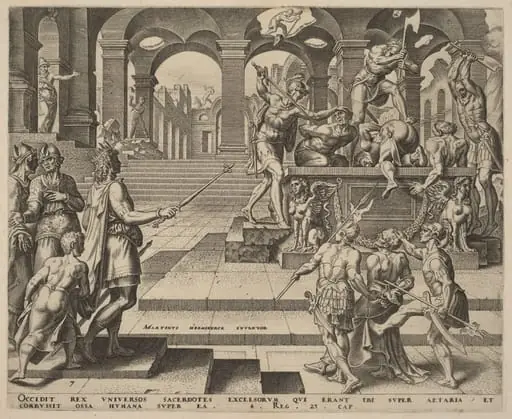 The Slaughter of the Priests of Samaria
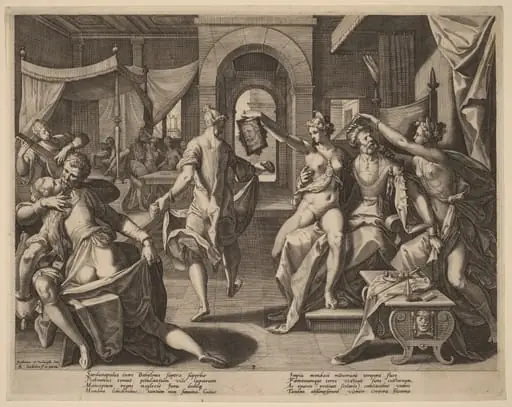 Sardanapalus among the Concubines
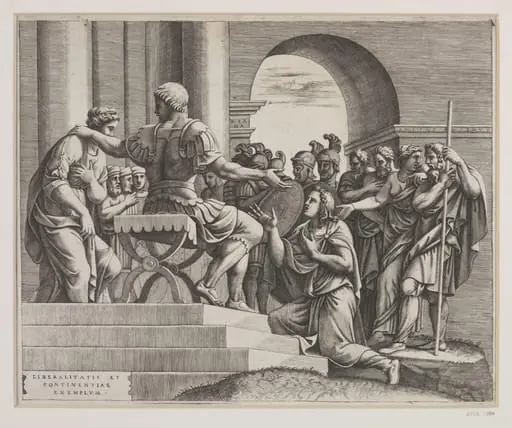 The Continence of Scipio
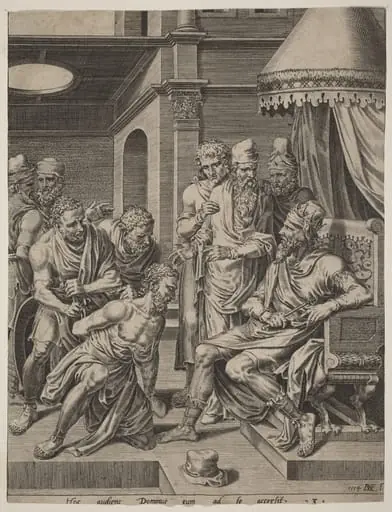 The Unmerciful Servant Brought before the King
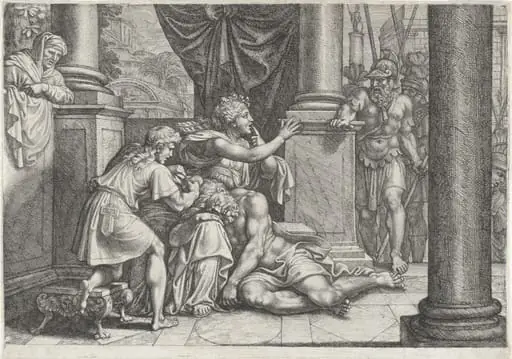 Samson and Delilah
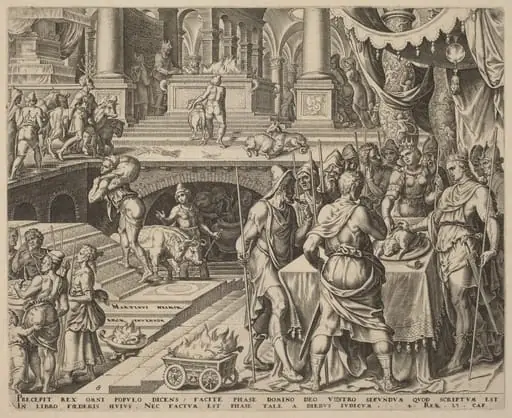 Josiah Celebrating Passover