Artwork
De zeven werken van barmhartigheid
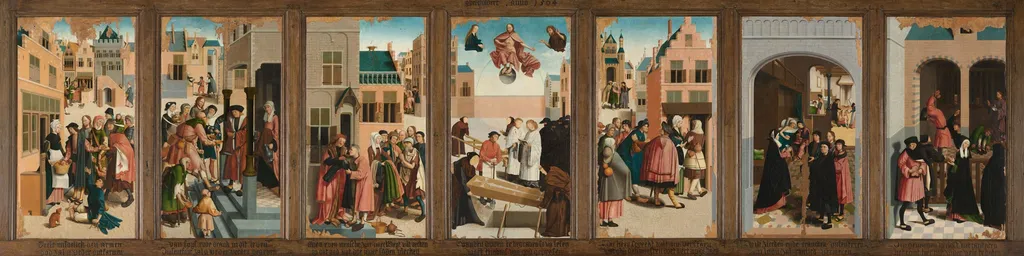
De zeven werken van barmhartigheid is an unspecified painting by the Northern Renaissance artist Master of Alkmaar. It dates from 1504 and is held in the collection of the Rijksmuseum.
About this work
You see seven small panels in one frame, each showing a different act of kindness—feeding the hungry, giving water to the thirsty, and so on.
You see seven small panels in one frame, each showing a different act of kindness—feeding the hungry, giving water to the thirsty, and so on. A Dutch city street runs behind all of them, with Christ watching from the crowd in almost every scene.
The panels were painted just before a wave of violence against church art in 1566. Many works like this were destroyed, so it’s rare to see one that survived, even with damage.
To see more of these everyday scenes, visit the Rijksmuseum.
Overview
The work consists of seven small panels arranged within a single frame, each illustrating a distinct act of charity such as feeding the hungry or providing water. All scenes share a common backdrop of a Dutch urban street, and Christ appears among the onlookers in nearly every panel, underscoring the Christian moral of assistance to those in need.
Subject & Meaning
Each vignette portrays a specific deed of mercy, presenting a visual guide to the virtues expected of a good Christian. By placing Christ within the crowd, the composition links divine observation with everyday human conduct, reinforcing the idea that charitable actions are witnessed and endorsed by the Savior.
Technique & Style
The panels are painted in a late‑Gothic/early‑Renaissance Dutch style, with careful attention to the details of 16th‑century urban life. The consistent perspective across the scenes creates a unified cityscape, while the figures are rendered with modest realism, emphasizing the ordinary setting of the charitable acts.
History & Provenance
Created shortly before the 1566 Iconoclasm, the work suffered damage when Protestant iconoclasts attacked Roman Catholic churches. Although many similar devotional paintings were destroyed, this piece survived, albeit with visible scars, making it a rare example of its genre from that turbulent period.
Context
The series reflects the religious climate of the Low Countries on the eve of the Reformation, when visual instruction on Christian duties was common in church interiors. The urban setting mirrors contemporary Dutch society, offering insight into daily life and social expectations around the year 1500.
Artist & collection
Artist
The Master of Alkmaar was a Dutch painter active around Alkmaar at the beginning of the sixteenth century.

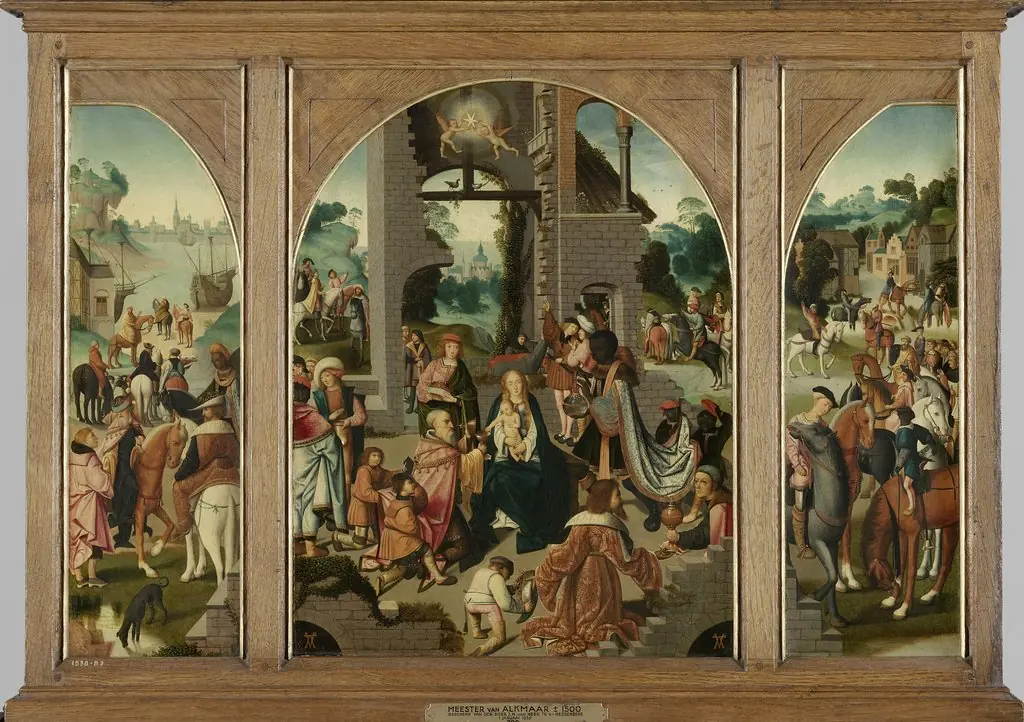 Triptych with the adoration of the Magi (centre panel and inner wings), St Antony Abbot (outer left wing) and St Adrian (outer right wing)
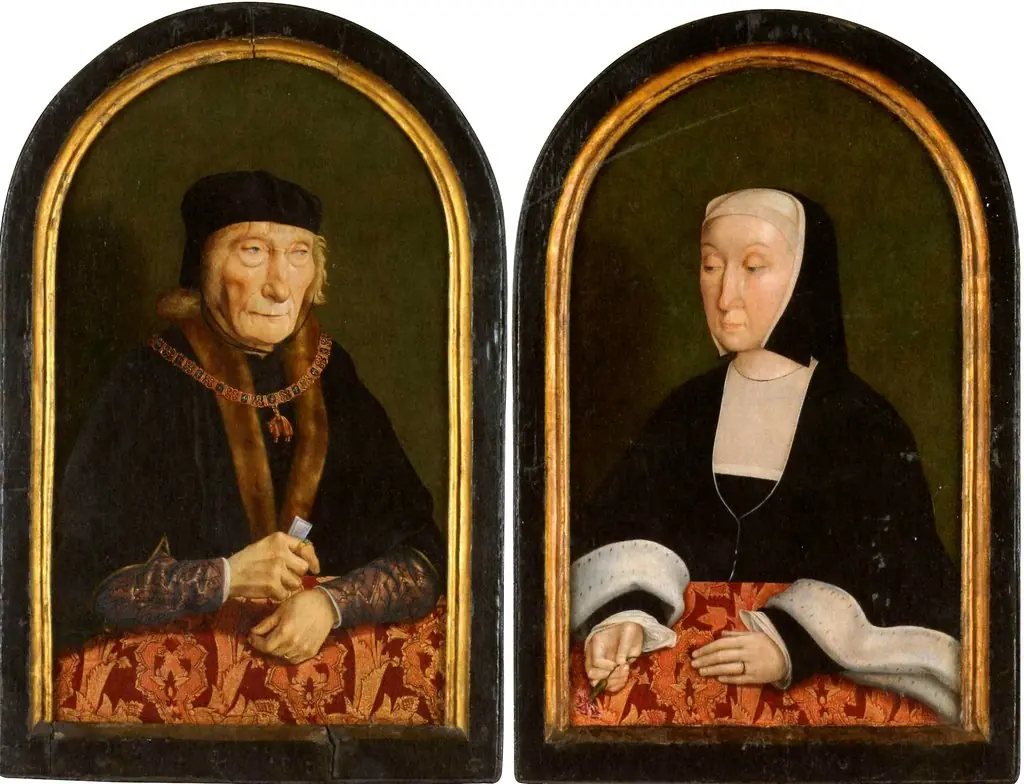 Portrait of Jan III, First Count of Egmond (1438–1516) and his wife Magdalena van Werdenburg, Countess of Egmond (1464–1538)
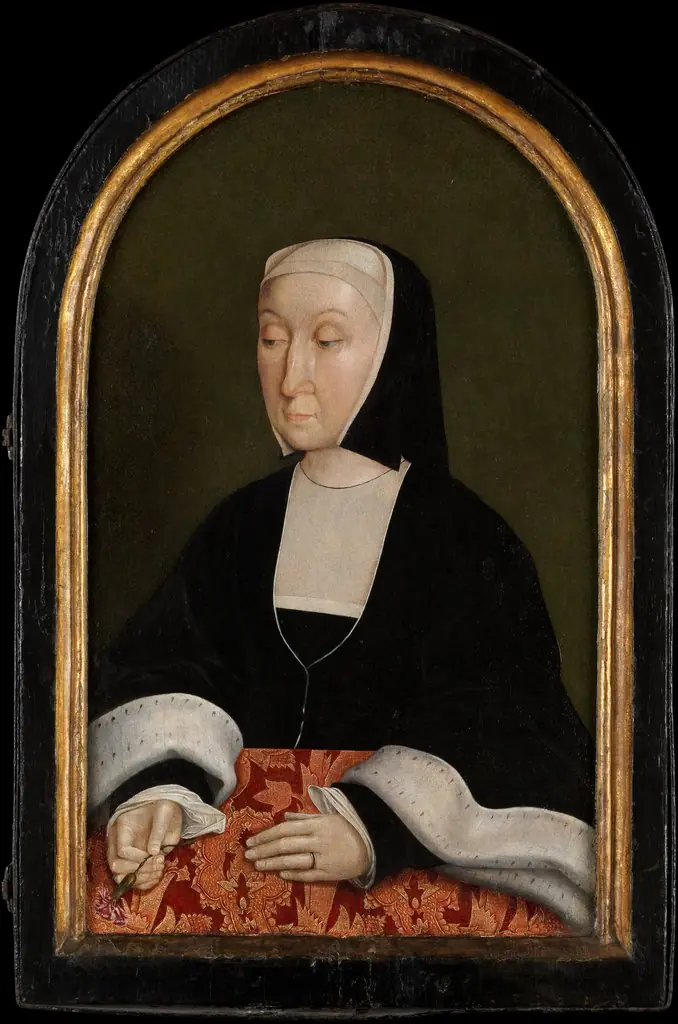 Portrait of Magdalena van Werdenburg (1464–1538), Countess of Egmond and wife of Jan (1438–1516), First Count of Egmond;
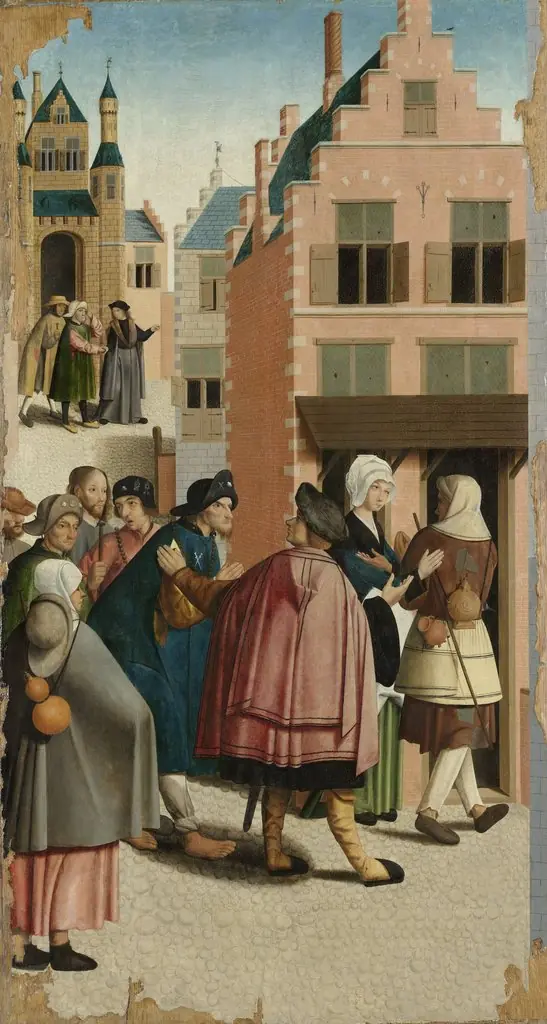 The Seven Works of Mercy
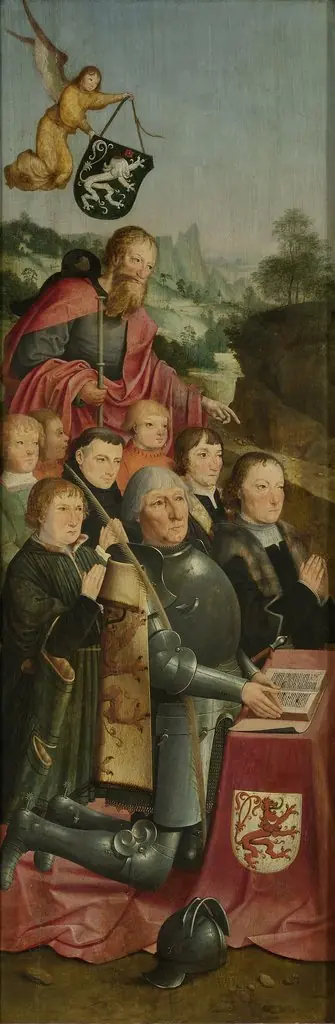 Memorial Panel with Eight Male Portraits, probably Willem Jelysz van Soutelande and Family, with Saint James the Greater and the Van Soutelande Family Crest, inner left wing of an altarpiece
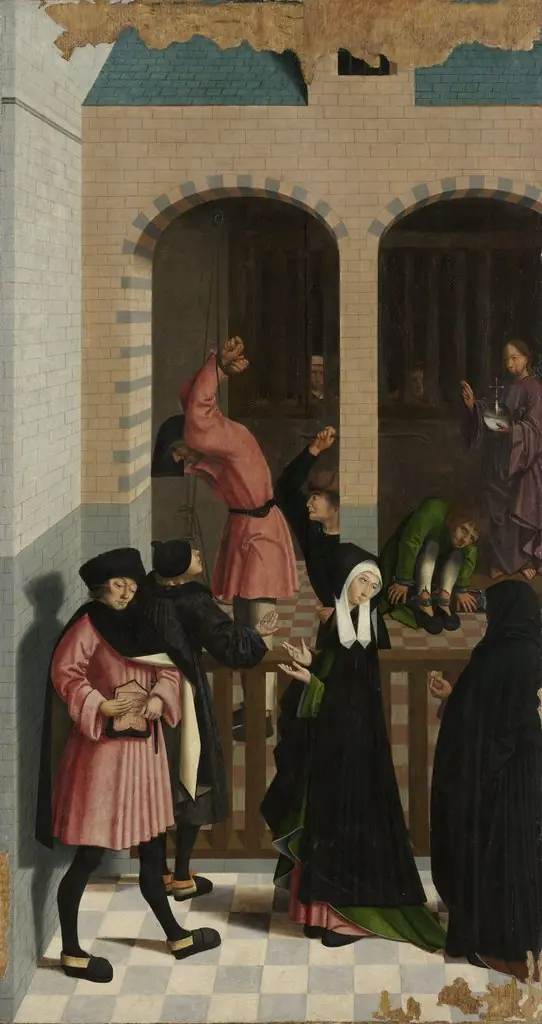 The Seven Works of Mercy
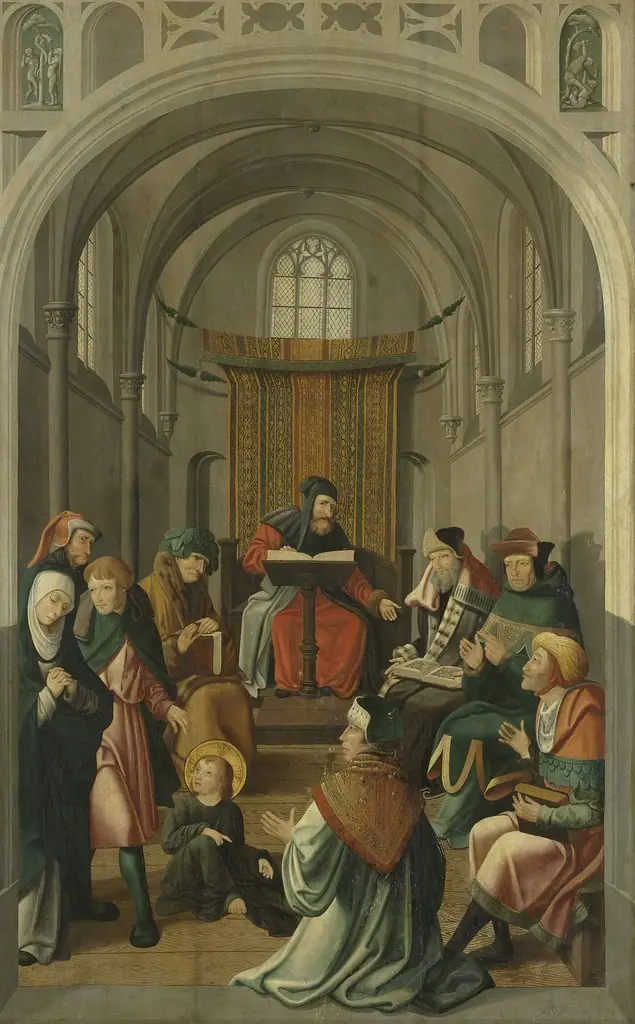 Panel of an altarpiece with Jesus disputing with the doctors in the Temple (inner wing) and Christ appearing to his mother (outer wing)
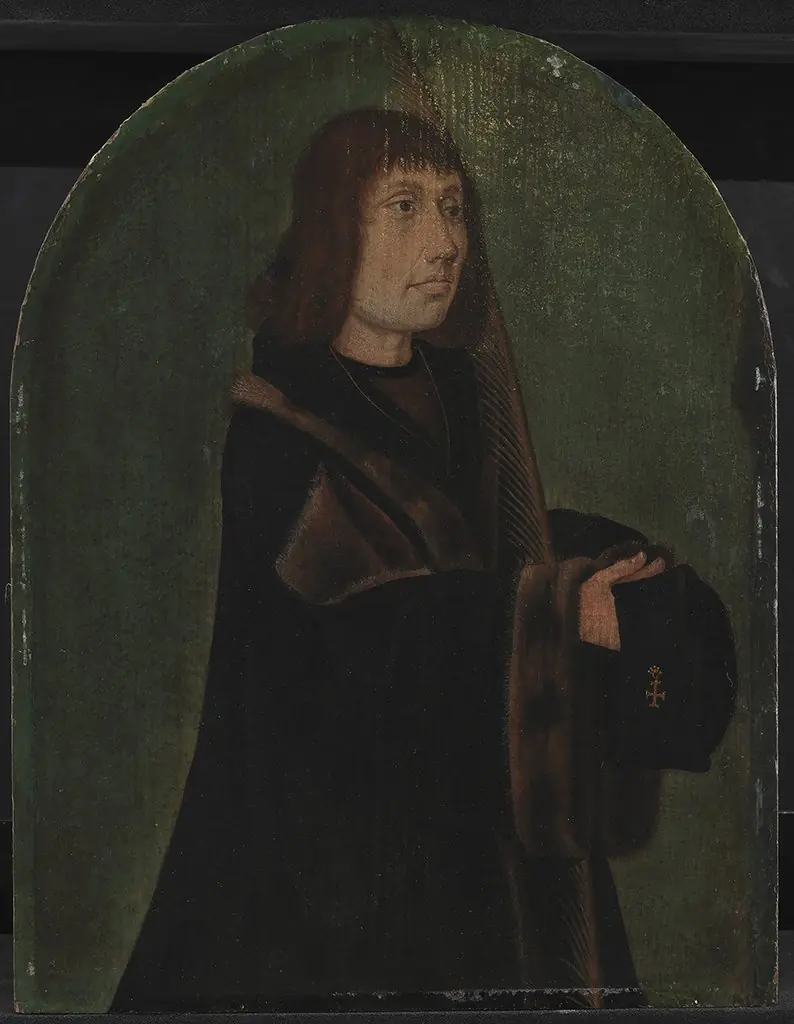 Portrait of a Man
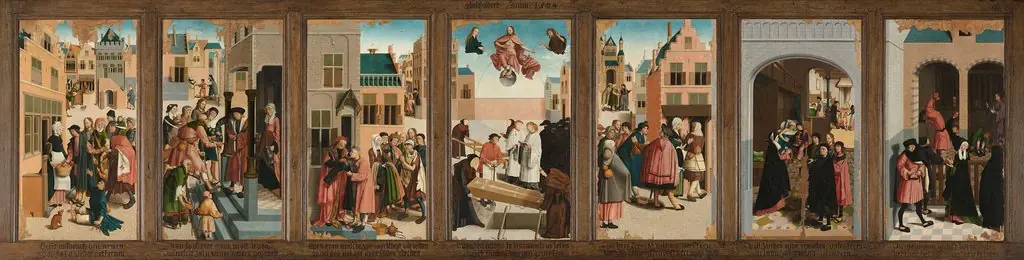 The Seven Works of Charity
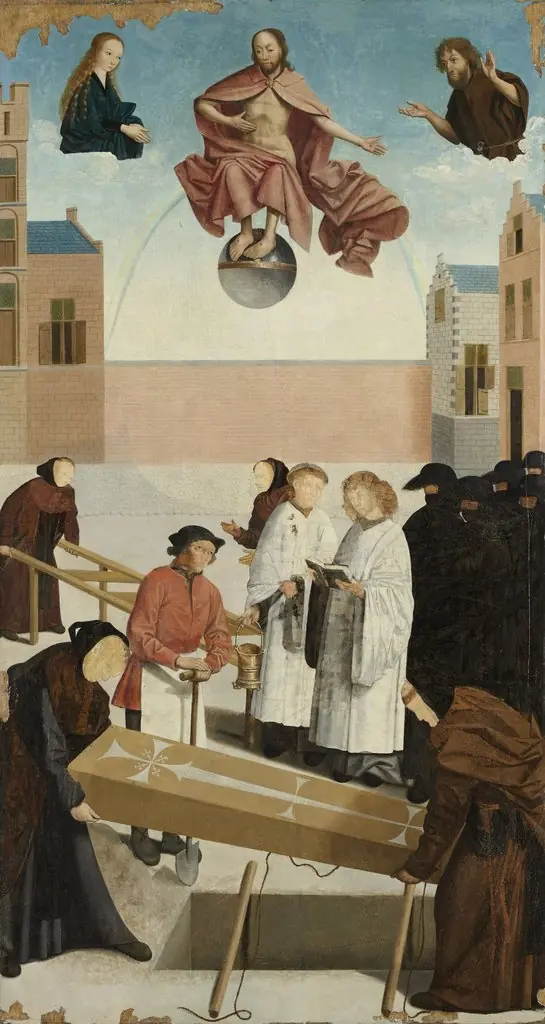 The Seven Works of Mercy
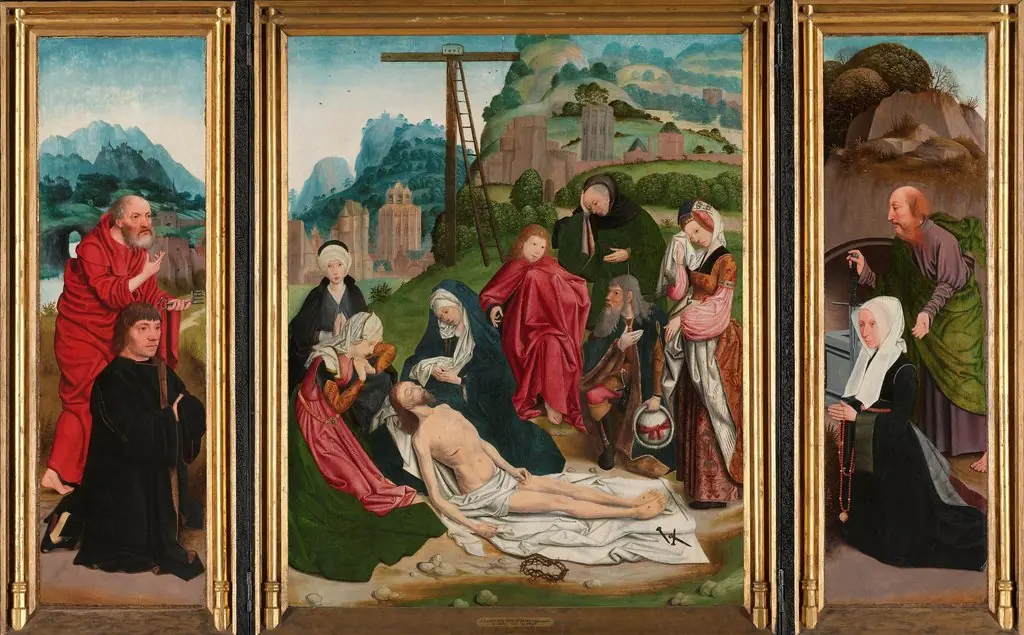 Triptych with the Lamentation (centre panel), the donor with St Peter (inner left wing), the donor’s wife with St Paul (inner right wing) and the donors’ coats of arms (outer wings)
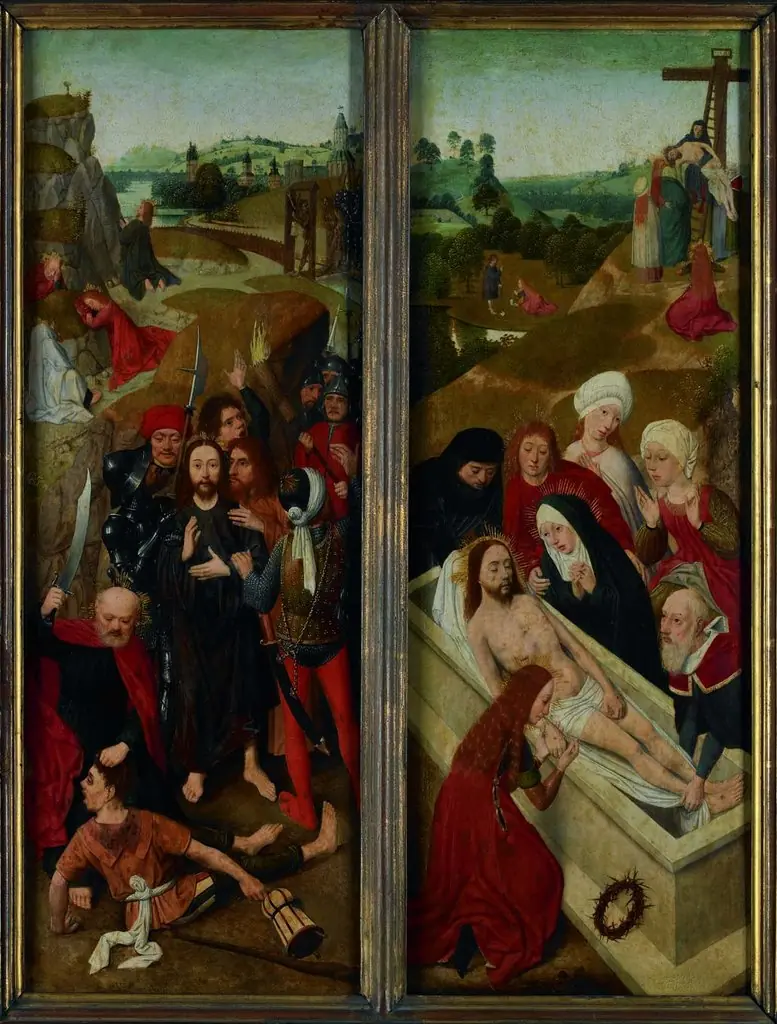 he taking of Christ and The entombment
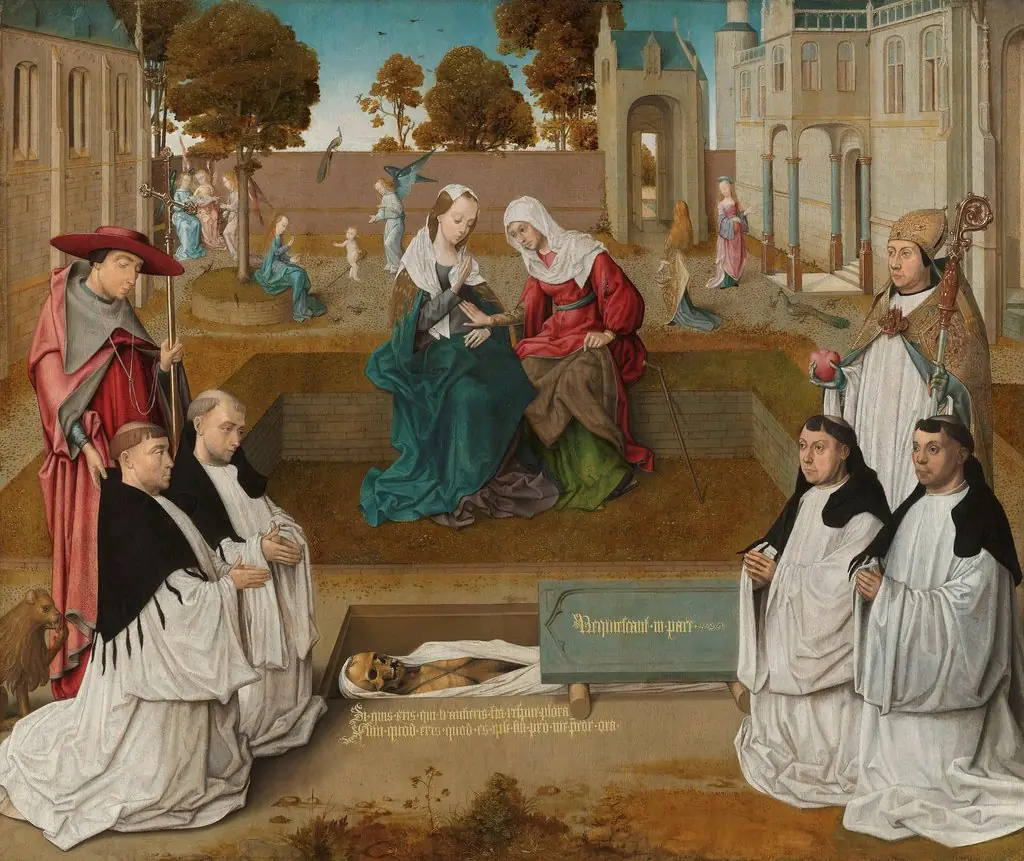 Four canons with Sts Augustine and Jerome by an open grave, with the Visitation
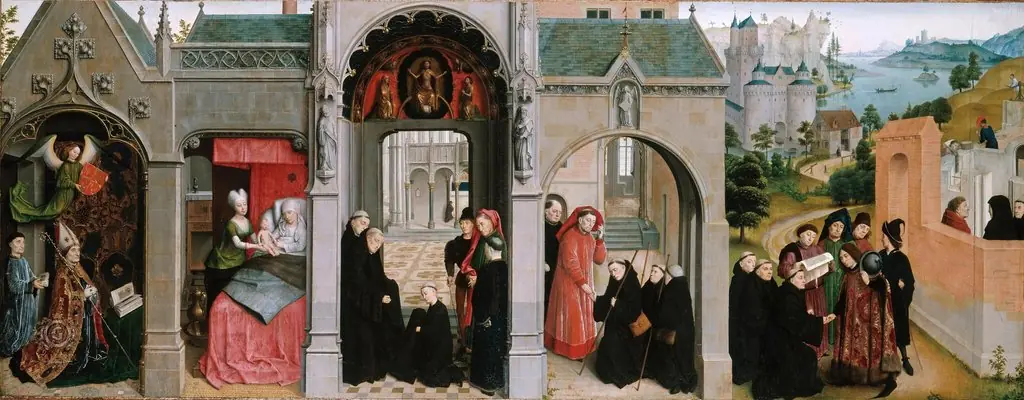 Scenes from the Life of St Bertin
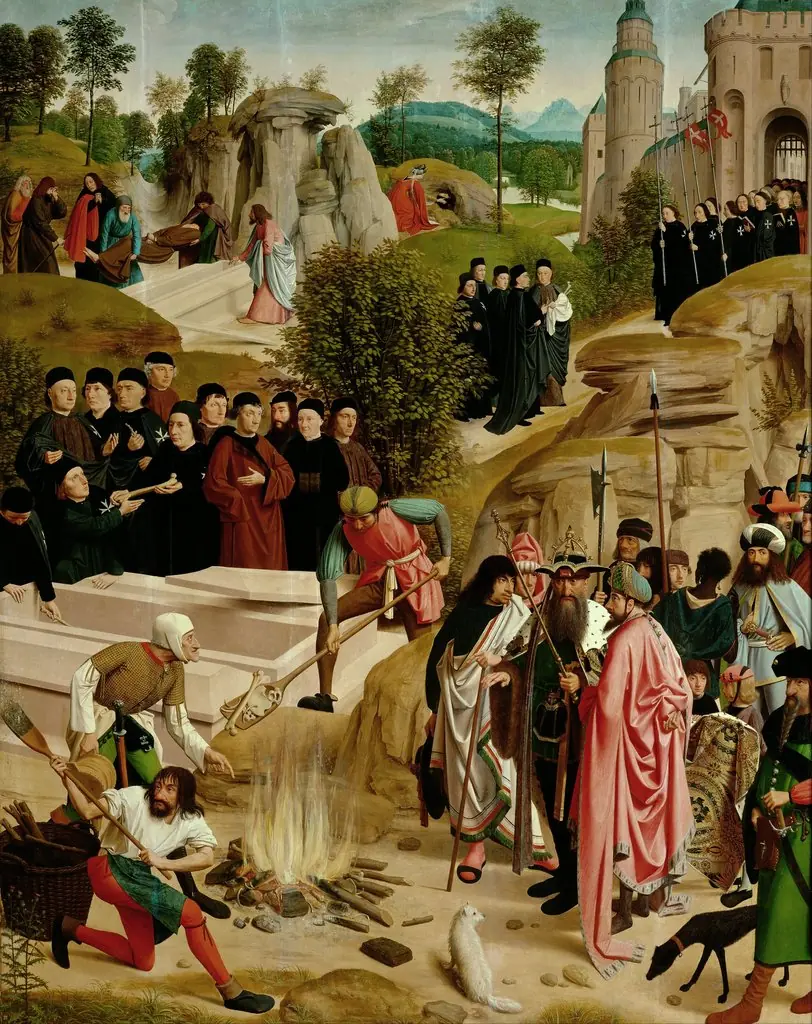 Legend of the Relics of St. John the Baptist
 Ecce Homo
 Opdracht van Maria en Annuntiatie