Artwork
Triptych of the Virgin Enthroned with Saints Christopher and George
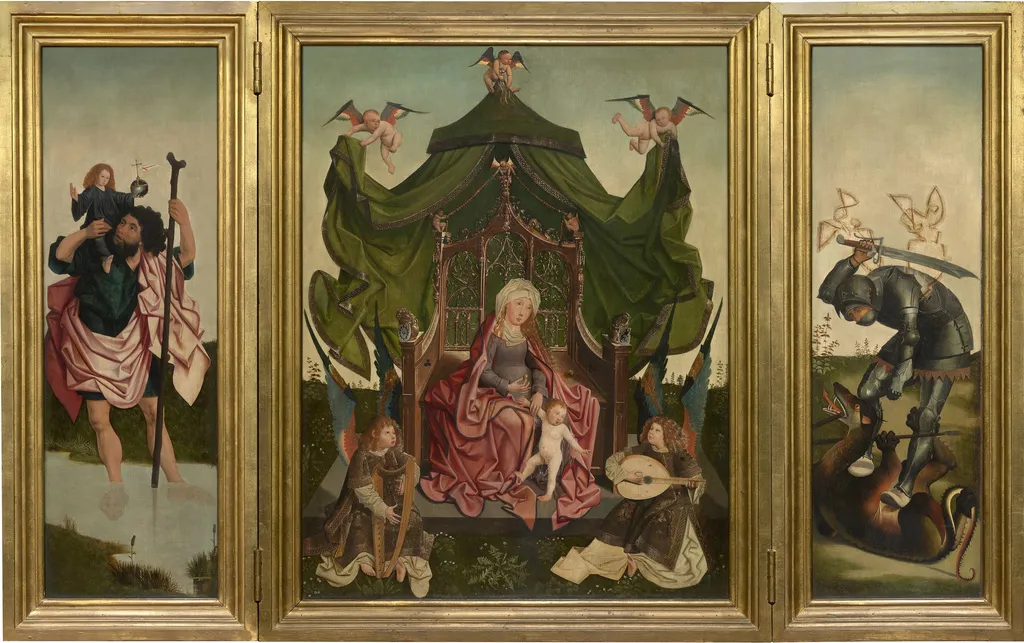
Triptych of the Virgin Enthroned with Saints Christopher and George is an oil painting by Master of the Antwerp Triptych of the Virgin. It dates from 1494 and is held in the collection of the Royal Museum of Fine Arts Antwerp. This three-panel oil painting, dated 1494, presents a devotional scene centered on the Virgin Mary seated on a throne.
About this work
Overview
Flanked by Saints Christopher and George, the composition follows the traditional triptych format common in late medieval Netherlandish altarpieces.
This three-panel oil painting, dated 1494, presents a devotional scene centered on the Virgin Mary seated on a throne. Flanked by Saints Christopher and George, the composition follows the traditional triptych format common in late medieval Netherlandish altarpieces. The work is attributed to an anonymous artist known as the Master of the Antwerp Triptych of the Virgin, named for this and similar works. It resides in the Royal Museum of Fine Arts Antwerp.
Subject & Meaning
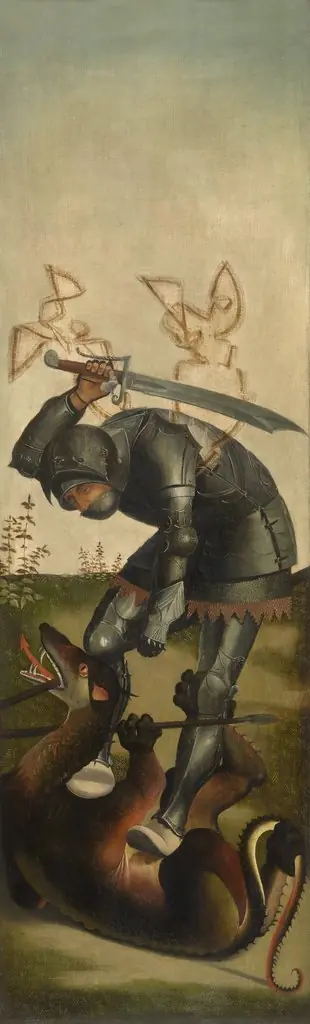
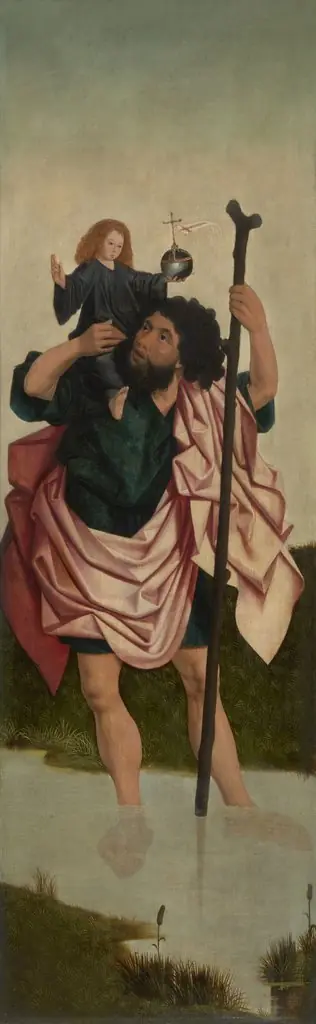
The Virgin Mary, crowned and holding the Christ Child, occupies the central panel, flanked by two angels. To her left, Saint Christopher, patron of travelers, carries the infant Christ across water, symbolizing divine protection. To her right, Saint George, armored and holding a sword, represents chivalric virtue and the triumph of faith. Together, the figures form a hierarchy of sacred intercession, inviting viewers to seek spiritual guidance through these holy intermediaries.
Technique & Style
Rendered in oil paint, the panels exhibit fine detail and subtle layering, characteristic of Early Netherlandish technique. The figures are rendered with soft modeling and delicate facial expressions, while the landscape background—featuring trees, water, and distant hills—is rendered with atmospheric perspective. The palette is restrained, dominated by muted greens, blues, and earth tones, enhancing the solemn, contemplative mood of the scene.
History & Provenance
The triptych was likely commissioned for private devotion or a local church in the Antwerp region during the late 15th century. Its survival through centuries of religious upheaval, including iconoclasm, suggests it was preserved in a private collection or lesser-known chapel. It entered the Royal Museum of Fine Arts Antwerp’s collection in the 19th century, where it remains as part of the museum’s holdings of early Netherlandish art.
Context
Created during a period of flourishing religious art in the Low Countries, the triptych reflects the devotional practices of urban elites and clergy. Artists in Antwerp were producing altarpieces for both ecclesiastical and domestic use, blending local traditions with influences from Bruges and Ghent. The inclusion of Saint Christopher, popular for protection during travel, hints at the patron’s possible connection to commerce or pilgrimage routes.
Legacy
Though the artist’s identity remains unknown, this triptych exemplifies the quiet precision and spiritual gravity of anonymous Netherlandish workshop production. It contributes to the understanding of regional styles outside the most celebrated masters like van Eyck or Memling. As a preserved example of late 15th-century devotional art, it continues to inform scholarship on lay piety and panel painting practices in the Southern Netherlands.
Artist & collection
Artist
Master of the Antwerp Triptych of the Virgin
This anonymous painter from 15th-century Flanders created detailed oil scenes packed with saints and donors.

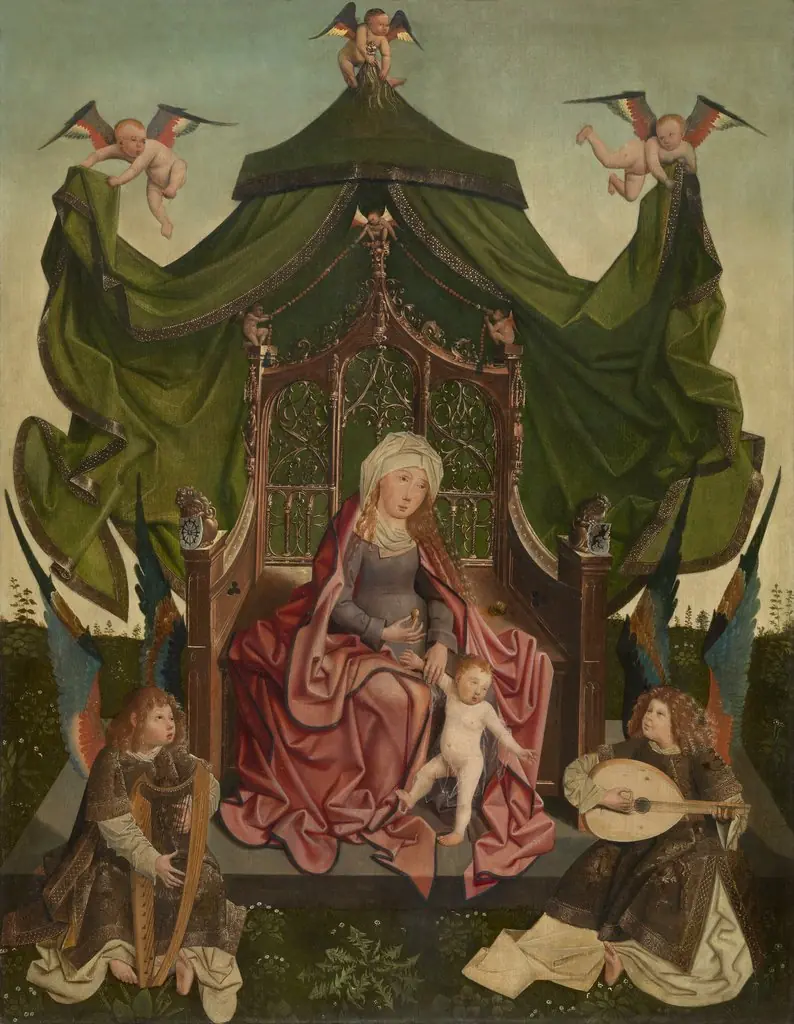
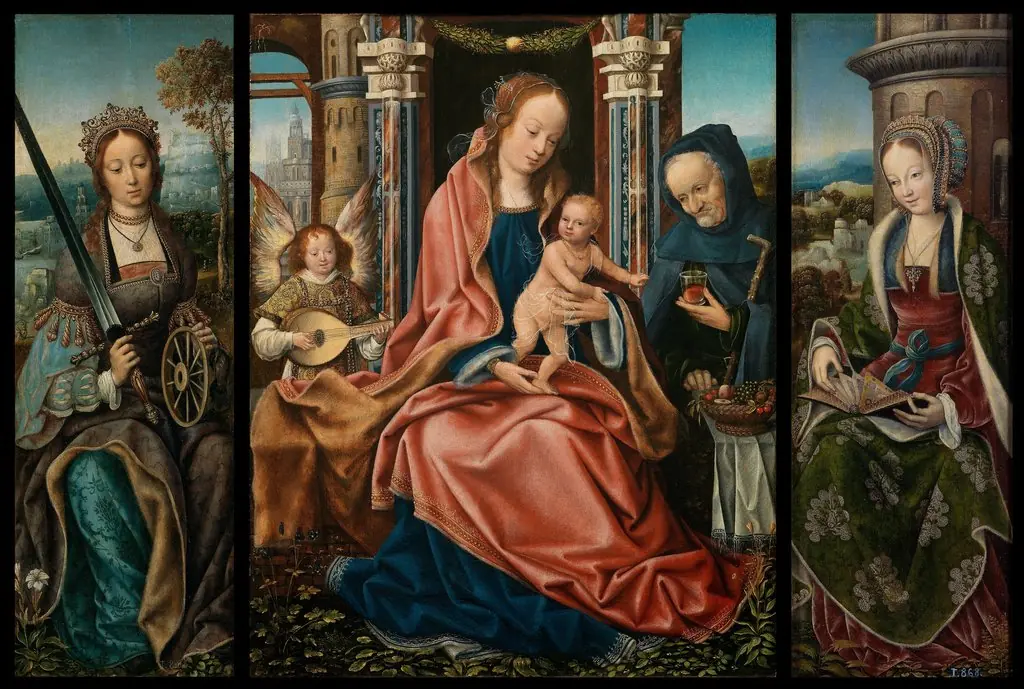 The Holy Family with a Musician Angel Saints Catherine and Barbara
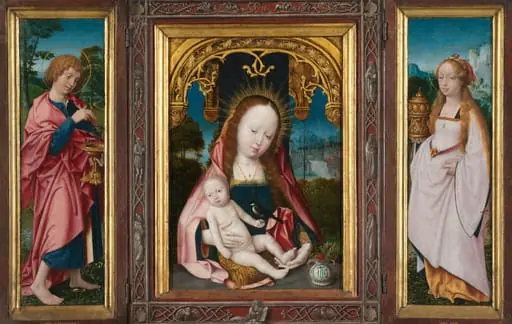 Triptych with Virgin and Child, Saint John the Evangelist (left wing) and Mary Magdalene (right wing)
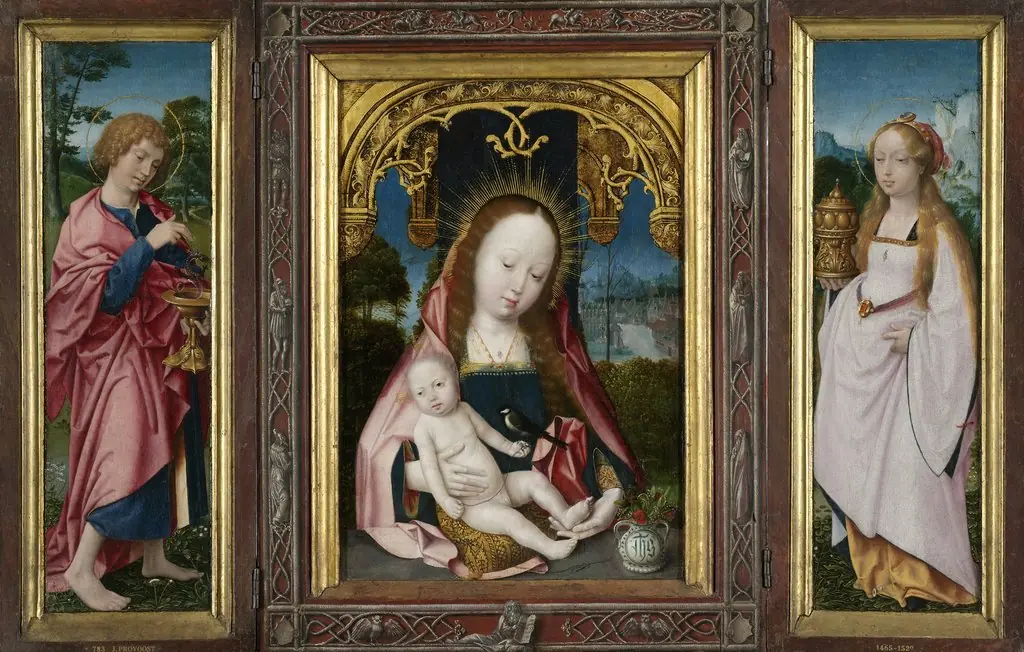 Triptych with the Virgin and Child (centre panel), St John the Evangelist (inner left wing) and Mary Magdalen (inner right wing)
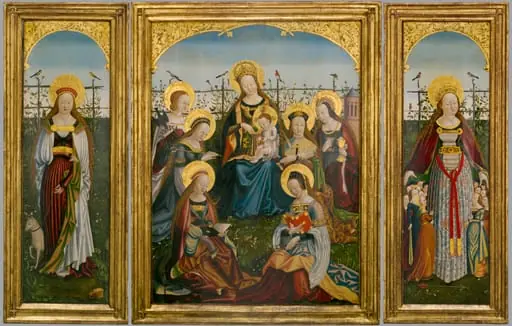 Triptych of the Virgin and Child with Saints
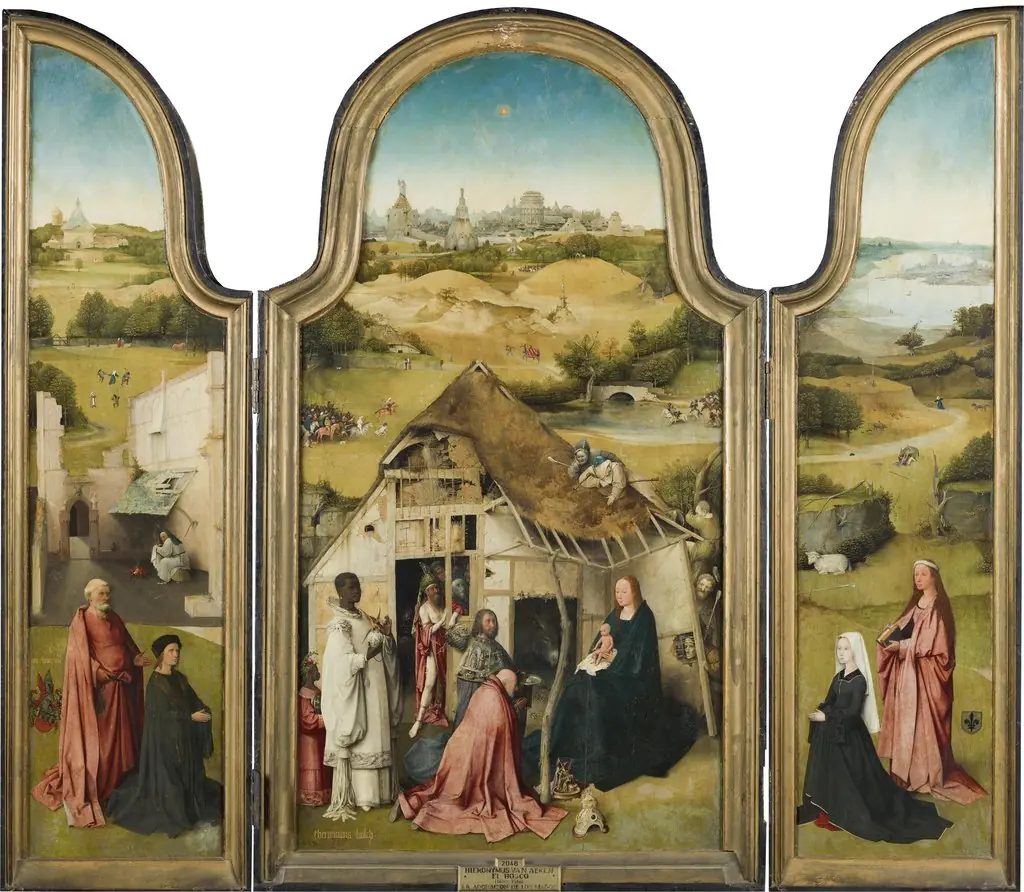 The Epiphany
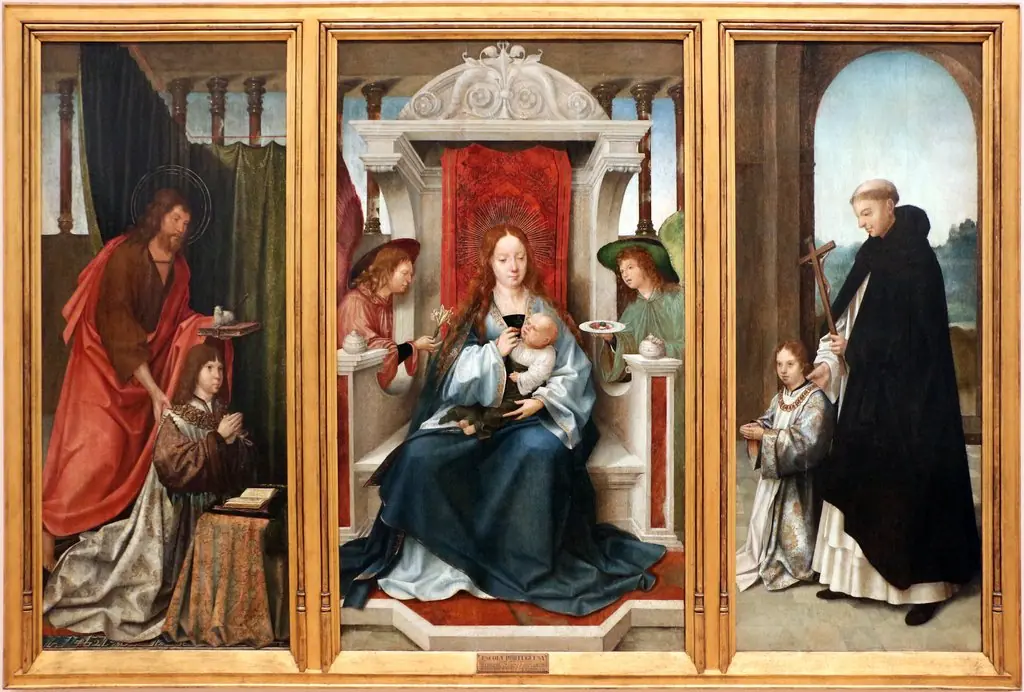 Triptych of the Princes
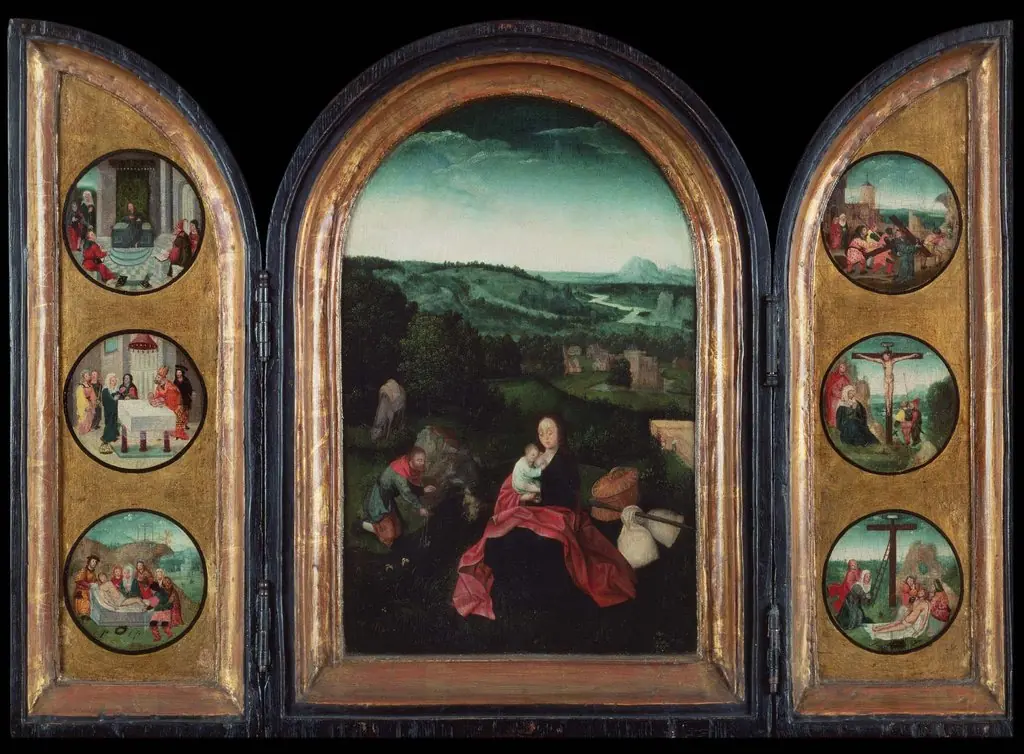 Triptych: Rest on the Flight into Egypt