Artwork
Adoration of the child
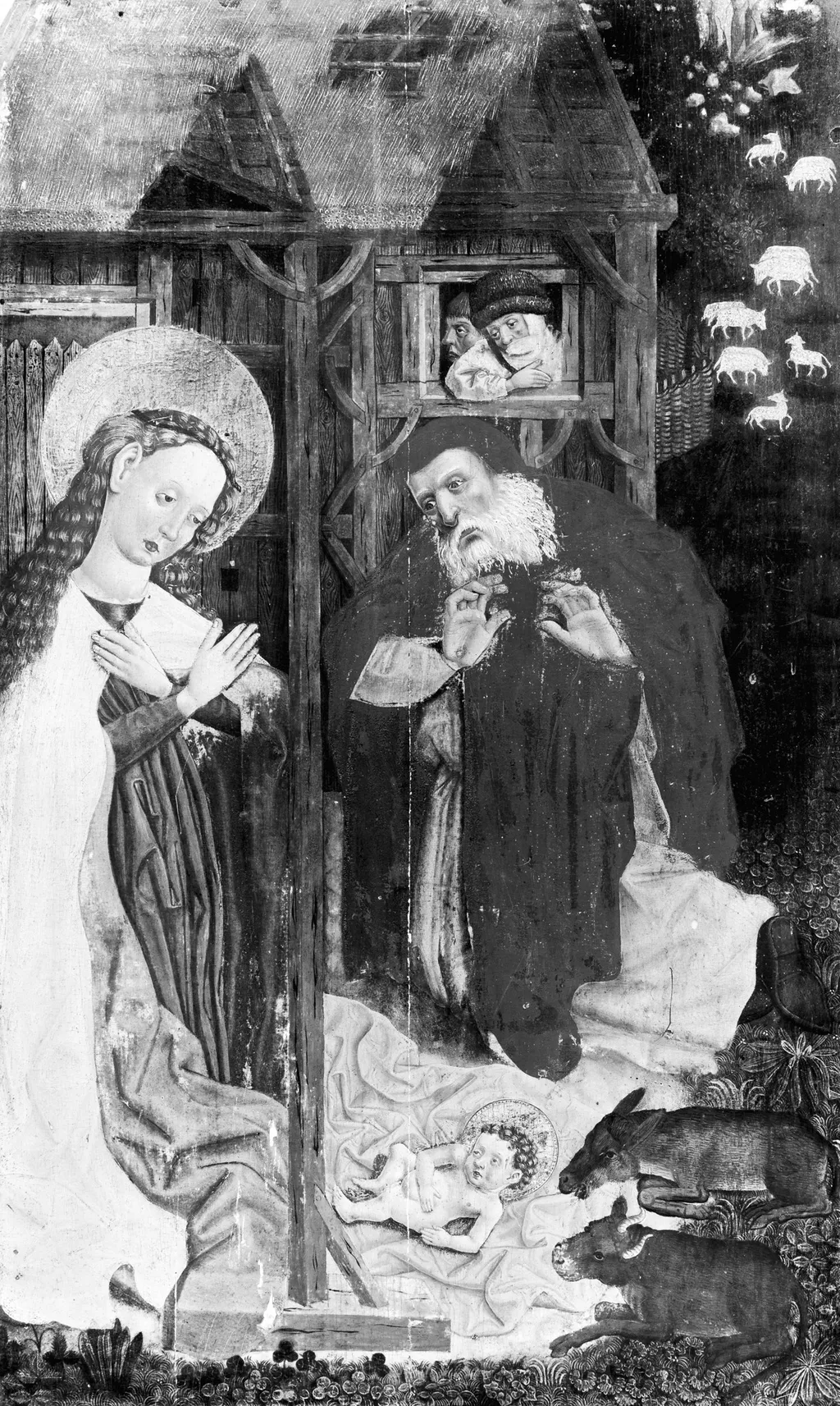
Adoration of the child is a paint painting by Master of the Polling Panels. It dates from 1455 and is held in the collection of the Gemäldegalerie Berlin.
About this work
Overview
Painted around 1455, this devotional work is attributed to the Master of the Polling Panels, an anonymous artist active in southern Germany.
Painted around 1455, this devotional work is attributed to the Master of the Polling Panels, an anonymous artist active in southern Germany. Executed in tempera or oil on panel, it depicts the Adoration of the Christ Child, a common subject in late medieval religious art. The painting resides in the Gemäldegalerie, Berlin, where it is preserved as part of a small group of works linked to the same hand.
Subject & Meaning
The scene centers on the infant Jesus, lying on a cloth beneath a humble wooden structure, surrounded by quiet reverence. A woman with a halo, likely the Virgin Mary, stands beside a kneeling figure, traditionally identified as Saint Joseph, who gazes in awe. The presence of animals and distant figures suggests the nativity setting, while the stillness and focused attention convey contemplative devotion rather than narrative drama.
Technique & Style
The composition is tightly framed, with figures arranged in a shallow space to emphasize intimacy. Facial features are delicately rendered, and drapery folds are simplified yet expressive. The palette is restrained, dominated by muted earth tones and soft whites, enhancing the solemn mood. Background elements like the stable and sky are rendered with minimal detail, directing focus to the central figures.
History & Provenance
The painting entered the Gemäldegalerie Berlin’s collection in the 19th century, though its earlier ownership is undocumented. It is one of several panels associated with the Master of the Polling Panels, named after a now-lost altarpiece from Polling Abbey in Bavaria. Its survival is likely due to its small size and devotional use, possibly in a private chapel or monastic setting.
Context
Created during a period when devotional imagery flourished in German-speaking regions, the painting reflects a shift toward personal, emotional engagement with sacred scenes. Unlike large altarpieces meant for public liturgy, this work was likely intended for private meditation, aligning with contemporary spiritual practices that emphasized quiet contemplation of Christ’s infancy.
Legacy
Though the artist remains unidentified, the painting contributes to the understanding of regional late medieval art beyond major urban centers. Its quiet intensity and compositional clarity influenced smaller-scale devotional works in southern Germany. Today, it stands as a representative example of intimate religious imagery from a time when faith was expressed through stillness and subtle gesture.
Artist & collection

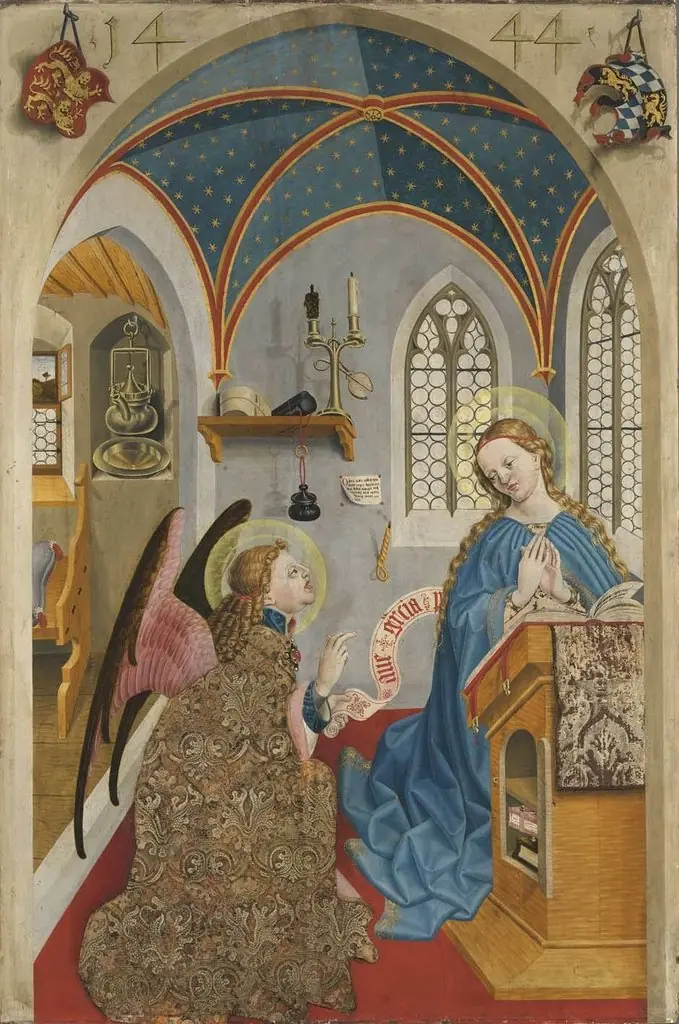 Altar of Mary: Annunciation to Mary
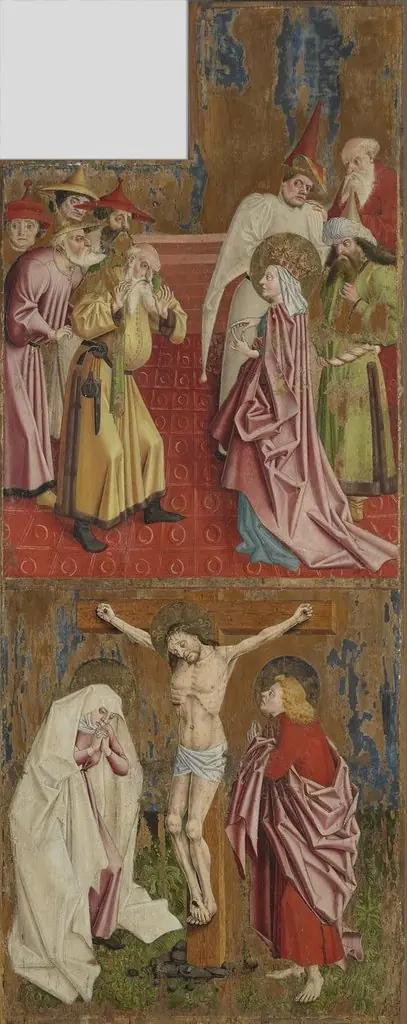 Kreuzaltar, Flügelaußenseite: Die Kaiserin Helena befragt die Juden und Kreuzigung Christi
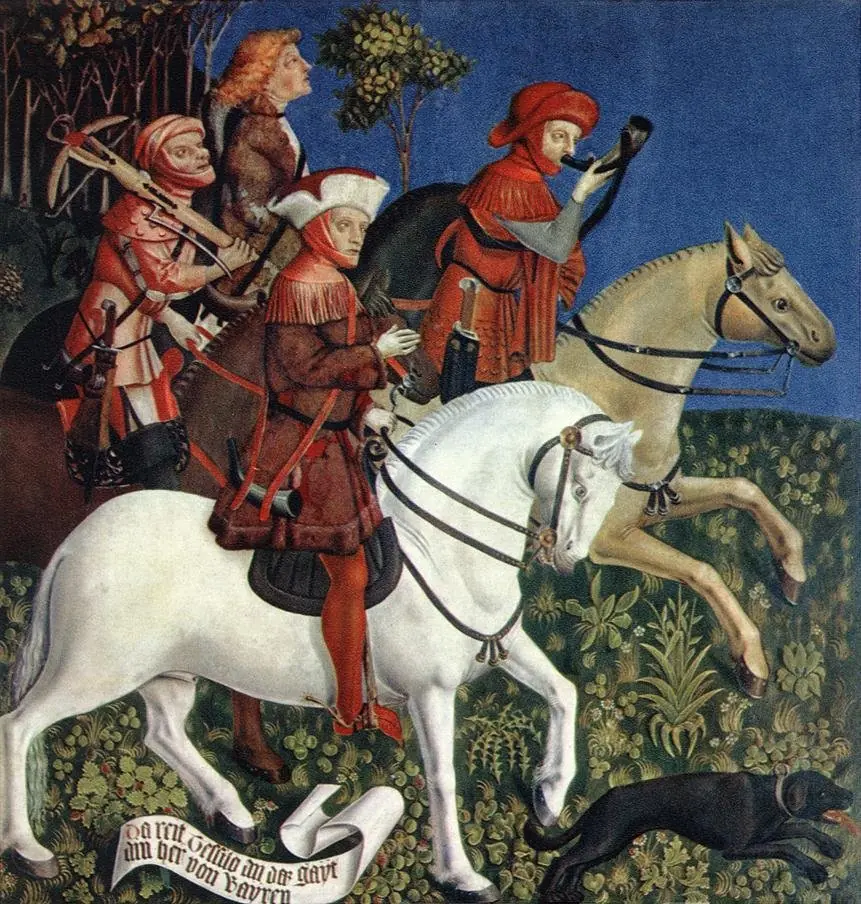 Prince Tassilo Rides to Hunting
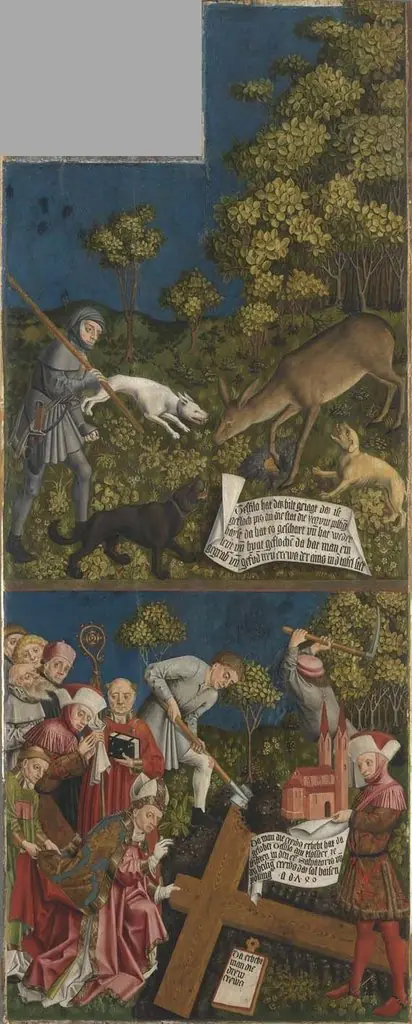 Altar of the Cross: The hinds finds the cross, Excavation of the cross (interior)
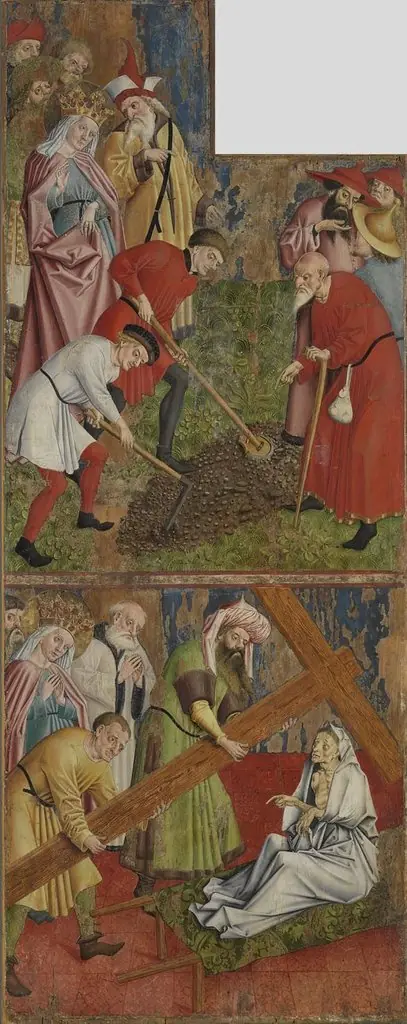 Kreuzaltar, Flügelaußenseite: Kaiserin Helena findet das wahre Kreuz Christi und Erprobung des Kreuzes
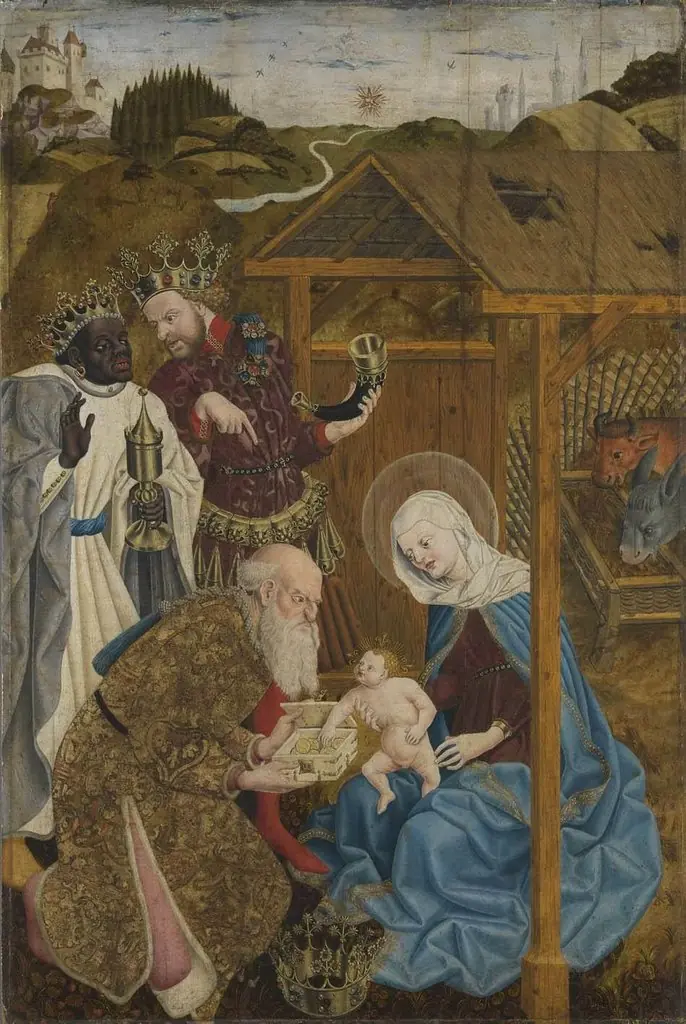 Altar of Mary: Adoration of the Magi
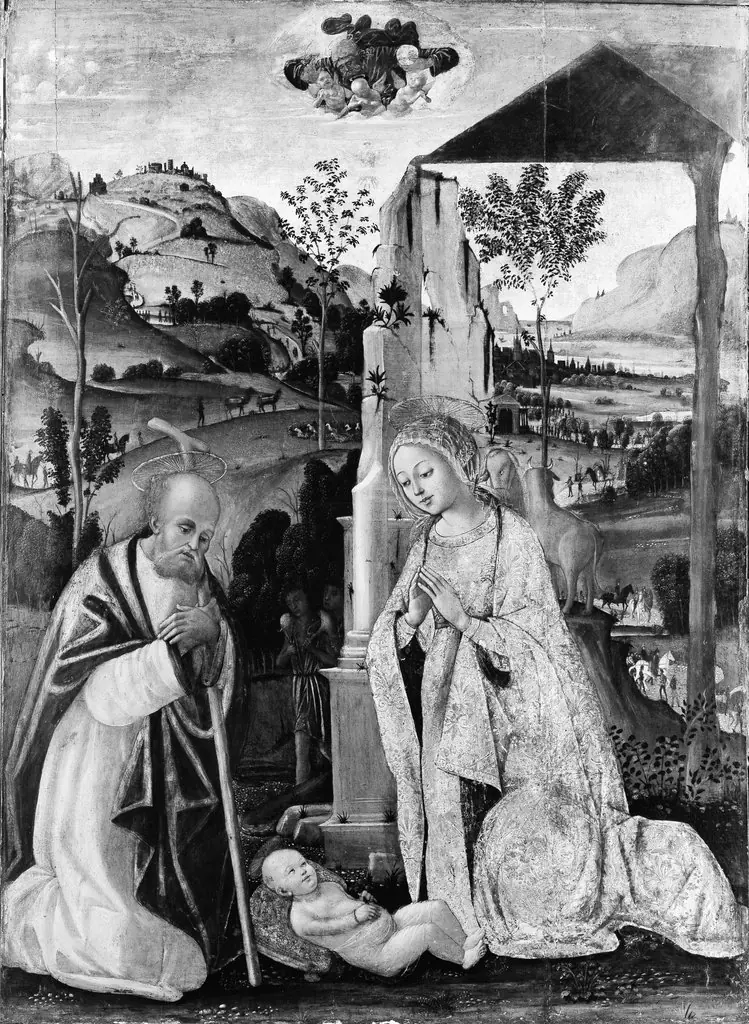 The Nativity
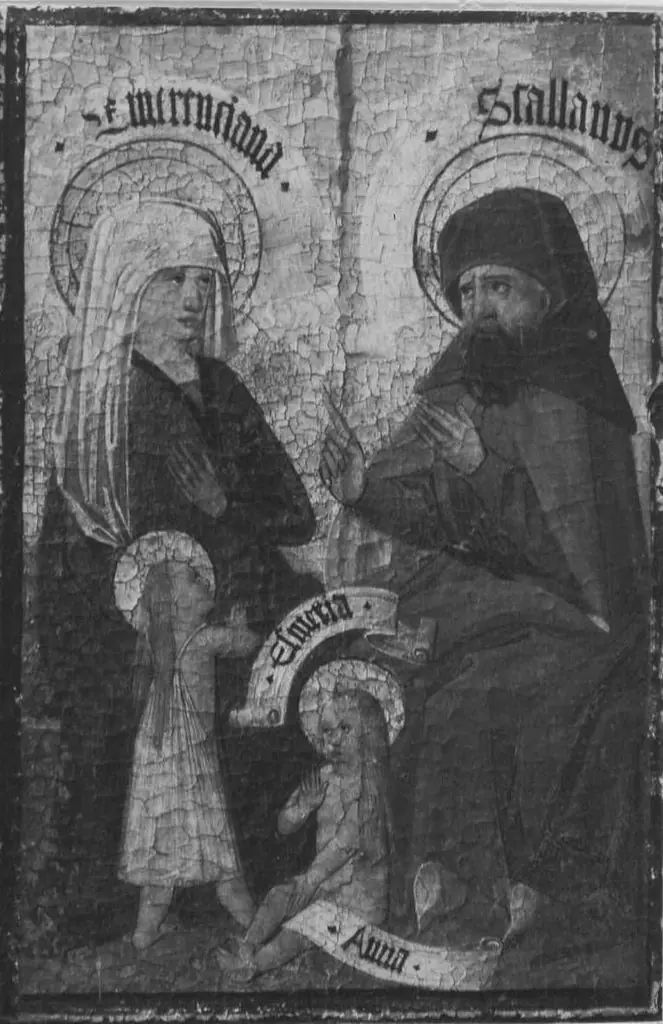 Zweiter Kirchheimer Sippenaltar: Emerentia und Stolanus mit Esmeria und Anna
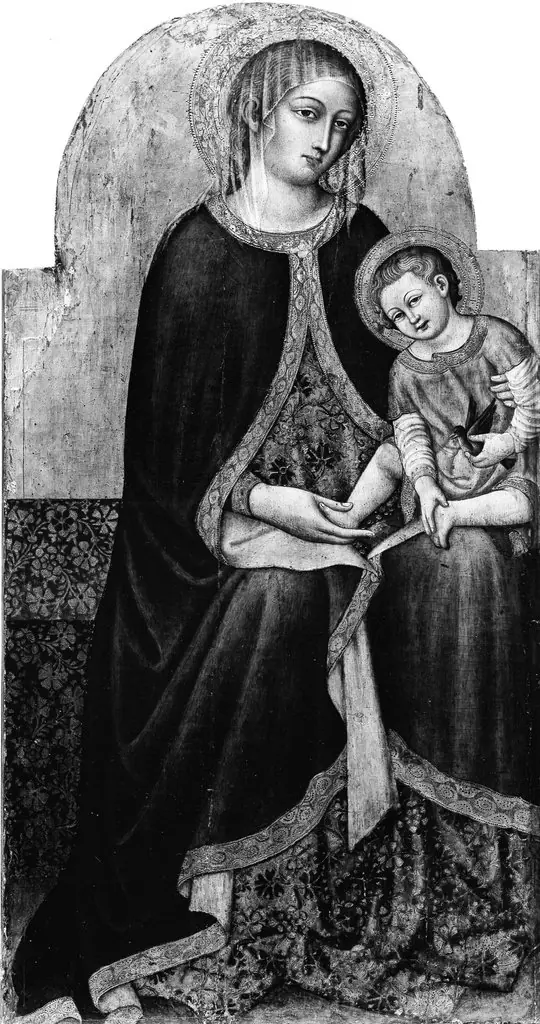 Madonna and Child with Saints
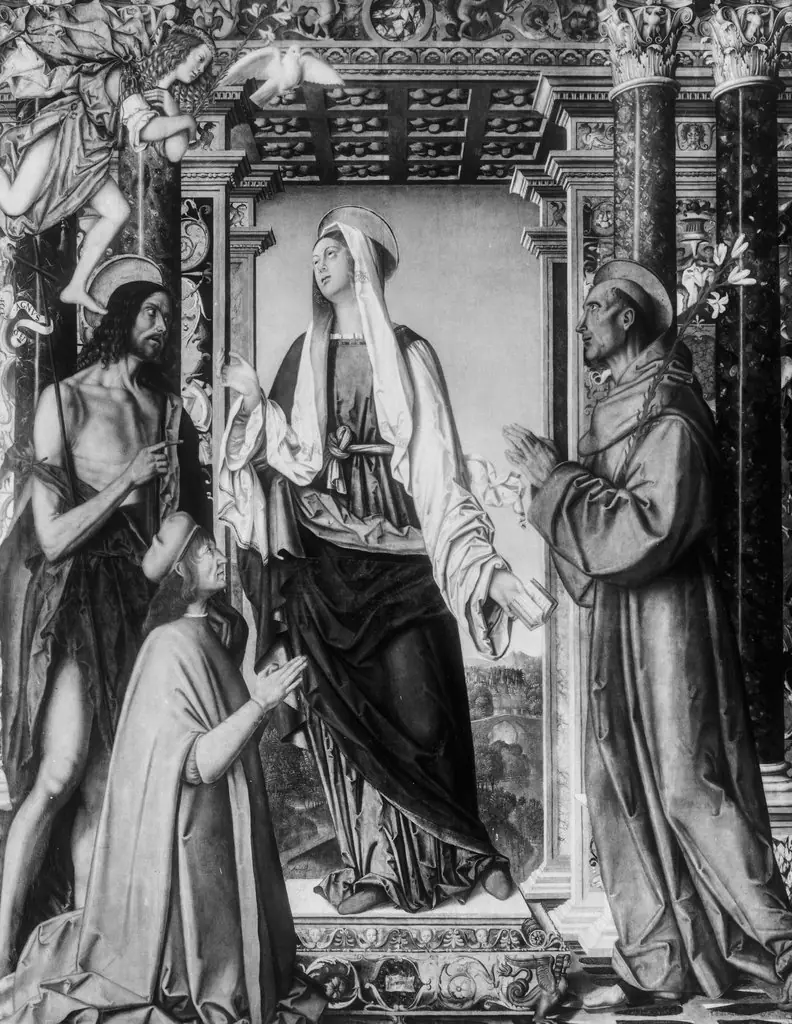 Annunciation to Mary with John the Baptist, Anthony of Padua and a donor
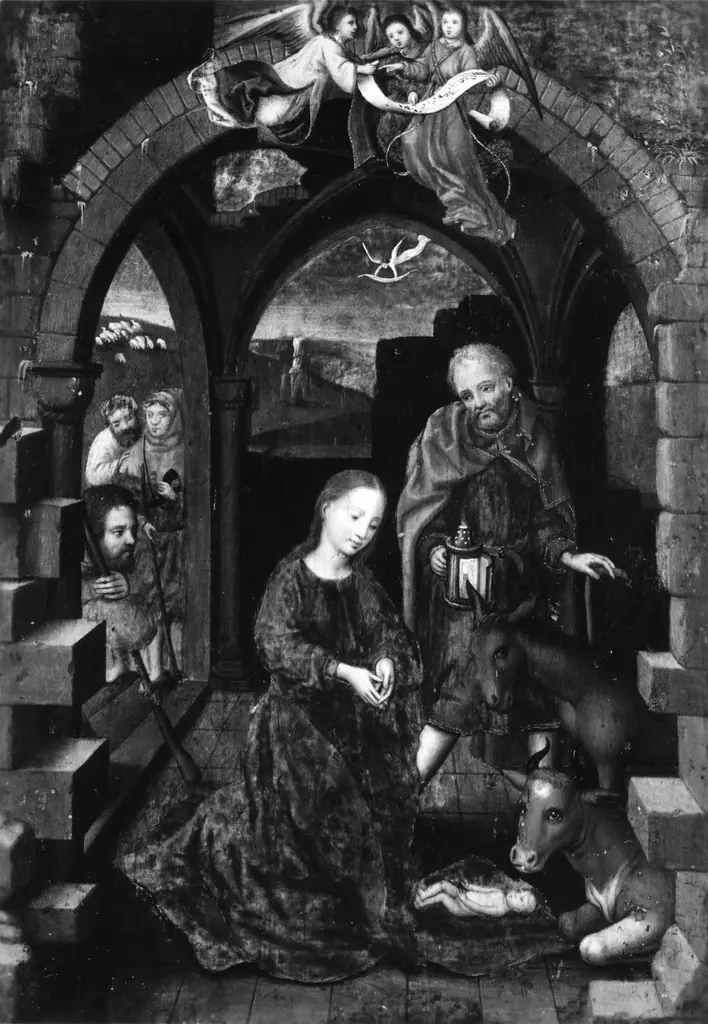 The Nativity with the Adoration of the Shepherds
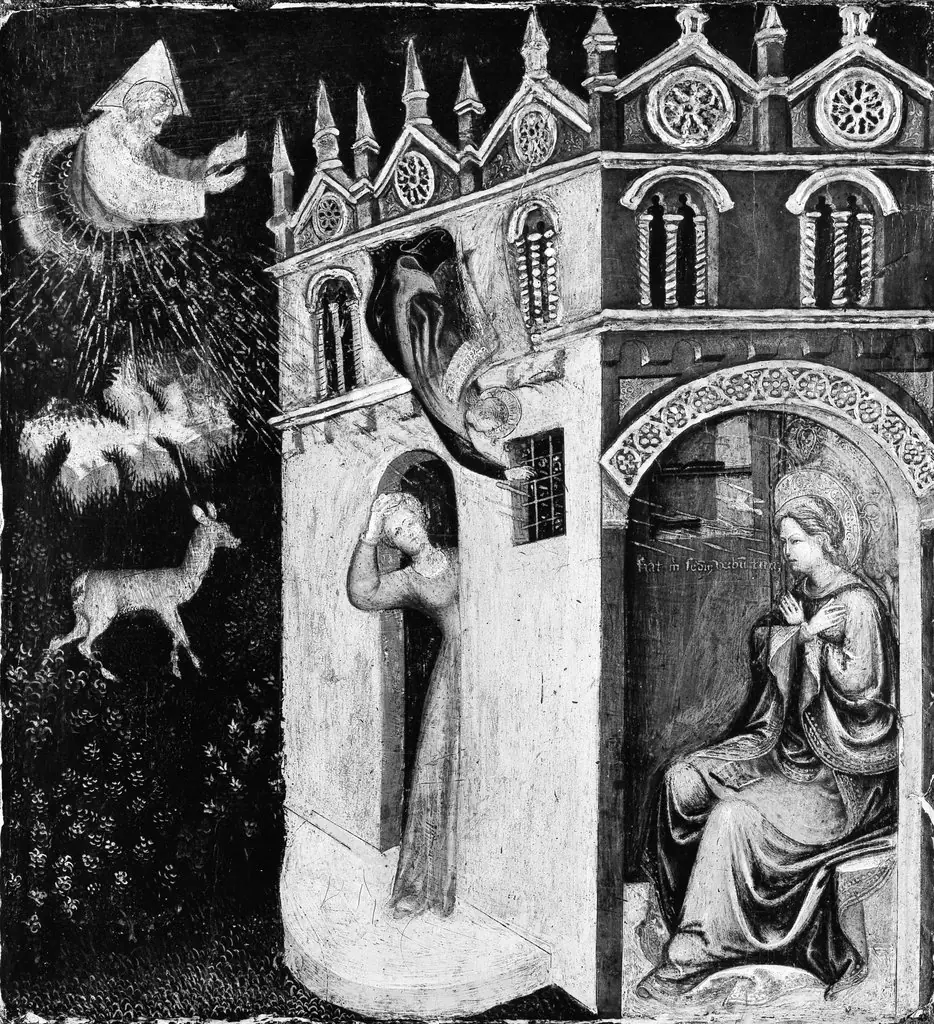 The Annunciation
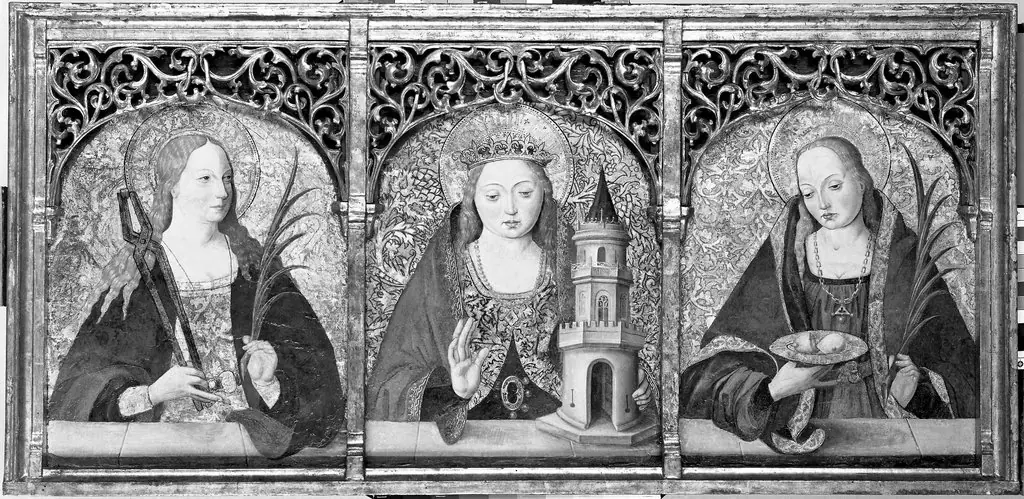 Saints Apollonia, Barbara, and Agatha
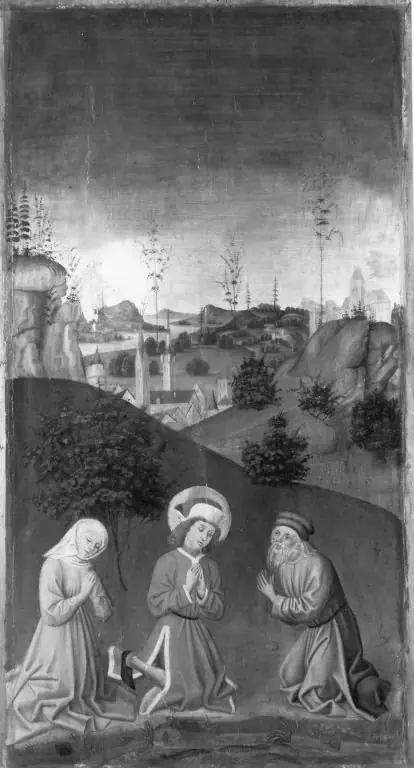 The Saints Vitus, Modestus and Crescentia
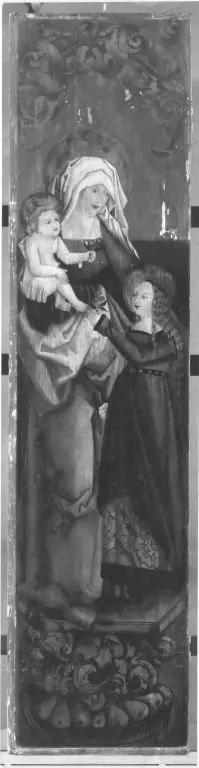 Madonna and Child with Saint Anne (Back: Remnant of a halo)
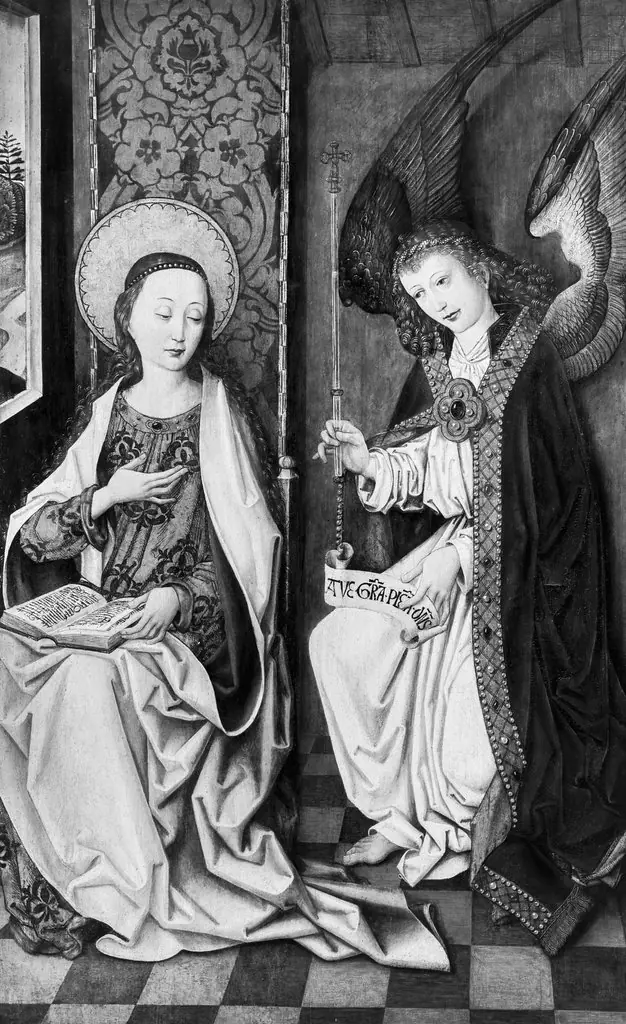 Annunciation to Mary
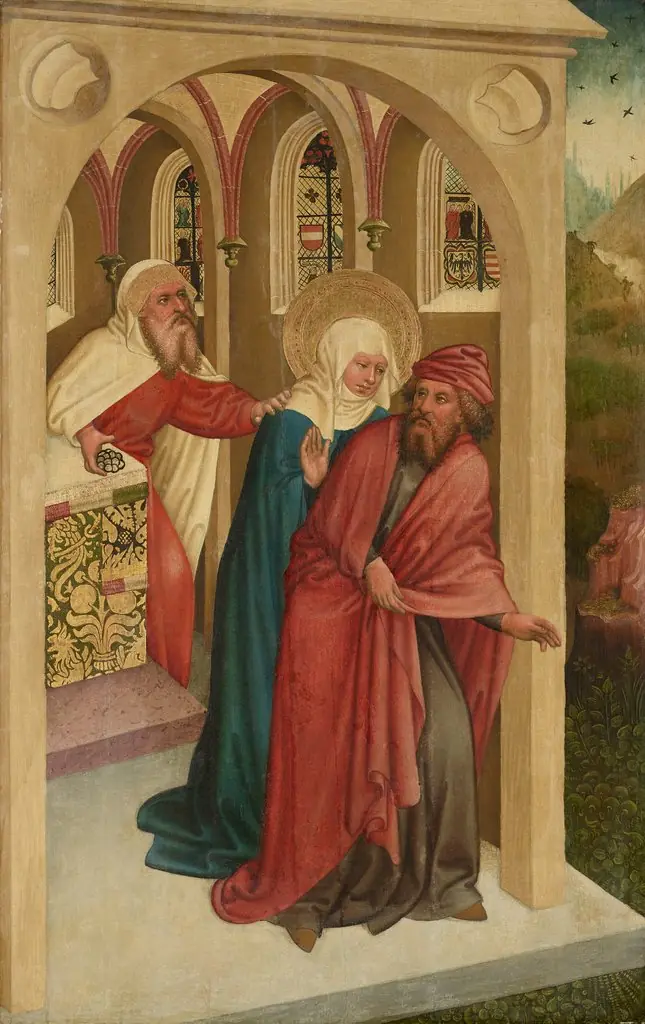 Zurückweisung des Opfers Joachims und Annas
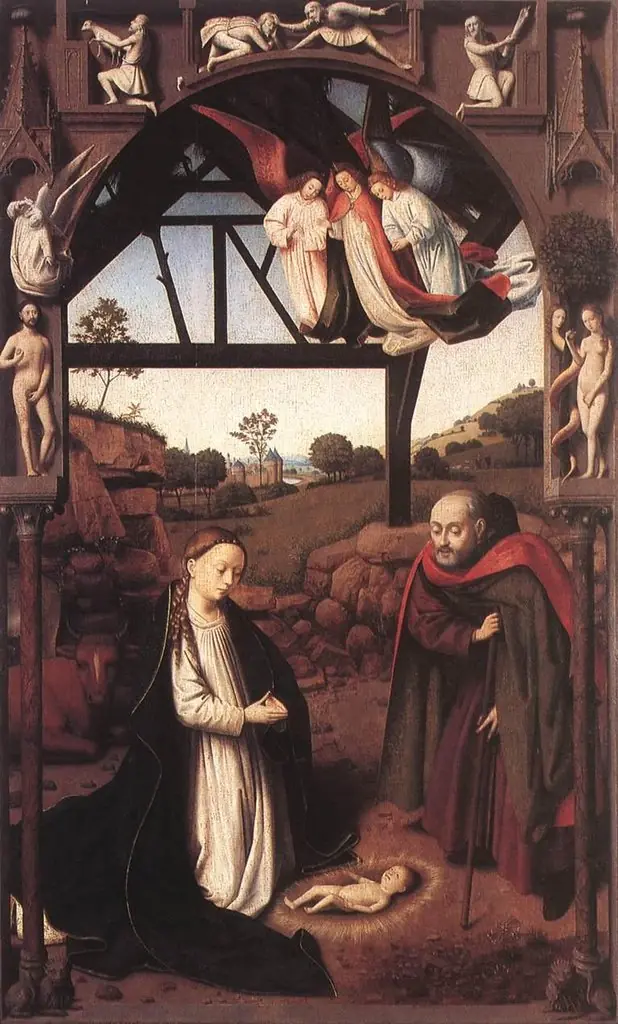 Adoration of the Christ Child