Artwork
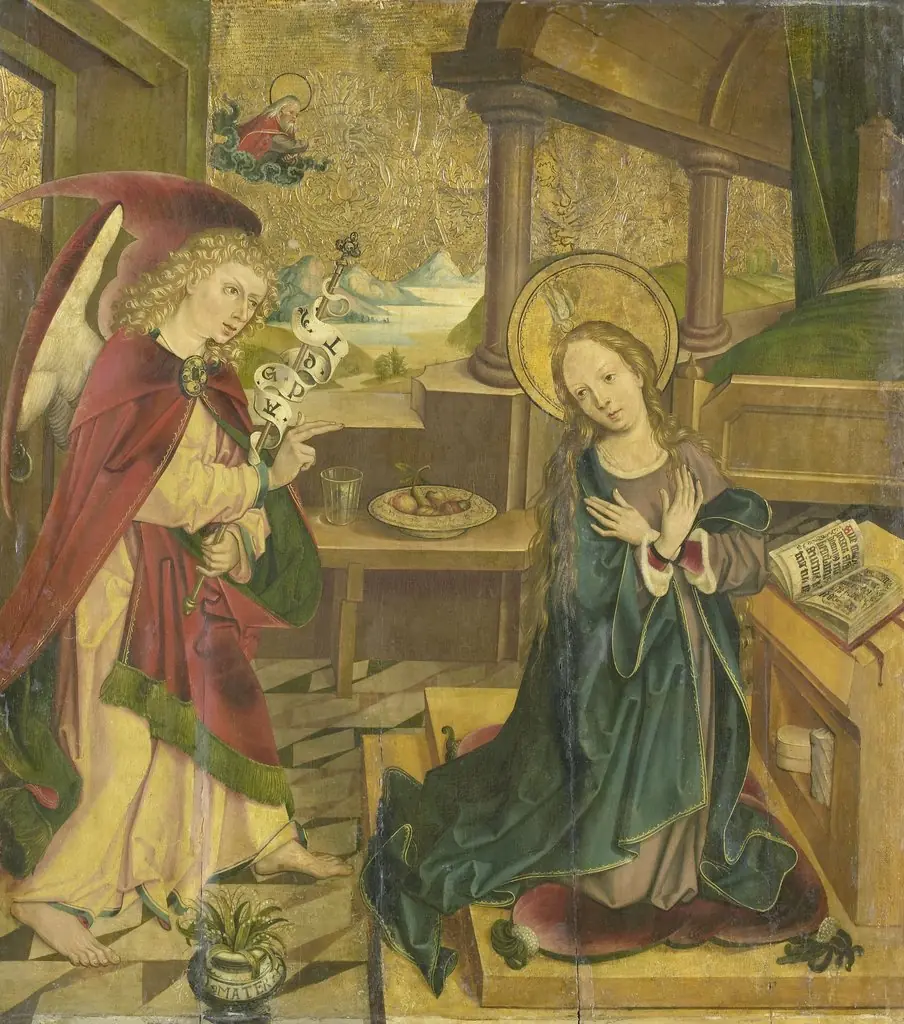
Altar of Mary: Annunciation to Mary
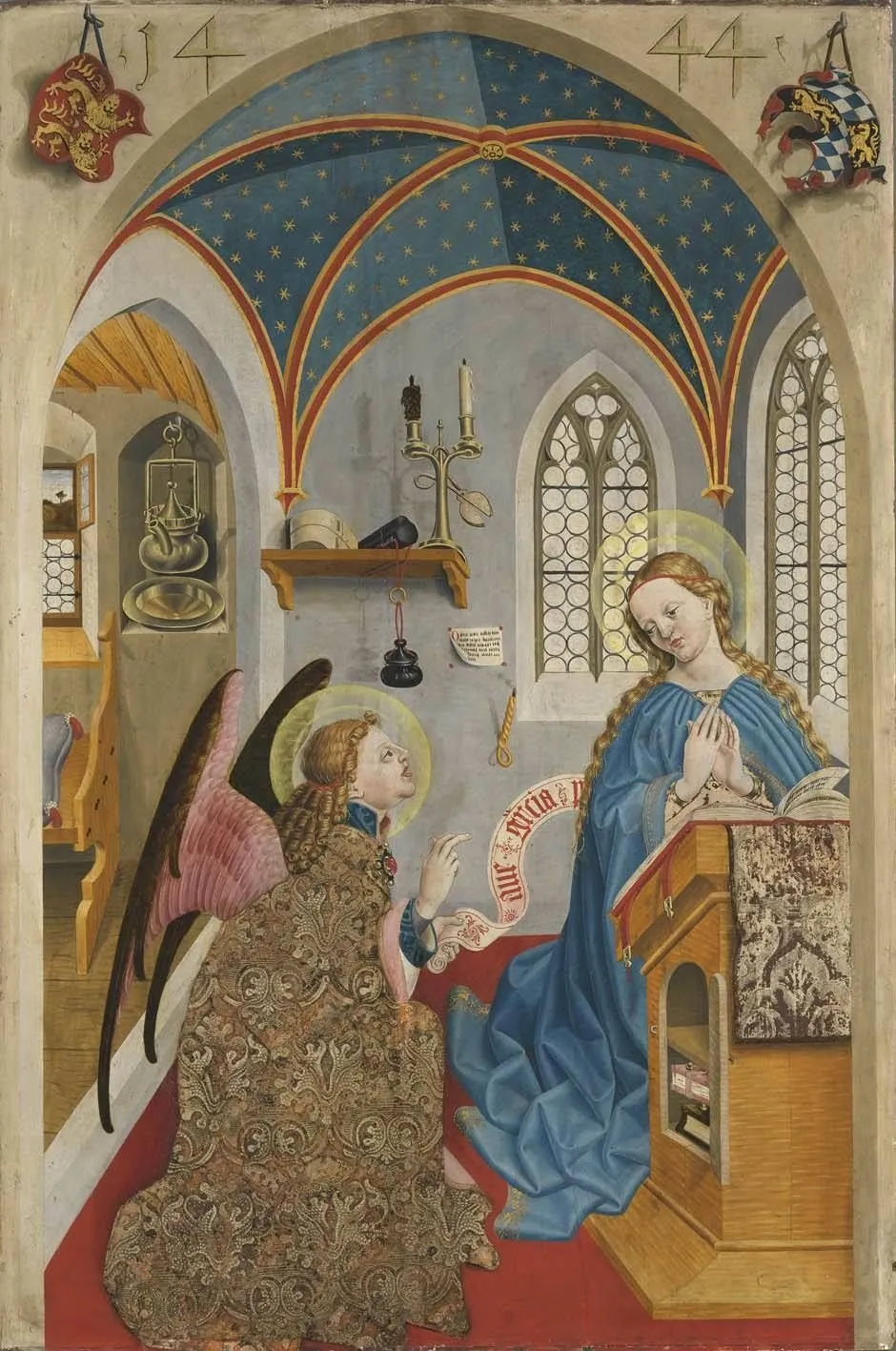
Altar of Mary: Annunciation to Mary is an unspecified painting by the Northern Renaissance artist Master of the Polling Panels. It dates from 1444 and is held in the collection of the Bavarian State Painting Collections.
About this work
Overview
The painting is now housed in the Alte Pinakothek in Munich, where it remains one of the few surviving panel works attributed to this anonymous artist.
Painted in 1444 by the Master of the Polling Panels, this devotional work was originally part of an altar ensemble. It depicts the Annunciation, a moment from the Gospel of Luke when the angel Gabriel announces to Mary that she will bear the Son of God. The painting is now housed in the Alte Pinakothek in Munich, where it remains one of the few surviving panel works attributed to this anonymous artist.
Subject & Meaning
The scene captures the moment of divine revelation: the angel Gabriel, identified by wings and a halo, delivers the message while Mary, dressed in deep blue, responds in humble prayer. Her clasped hands and gaze toward the open scripture suggest contemplation and acceptance. The domestic interior, rendered with sacred symbolism, transforms a private space into a sacred threshold where heaven meets earth.
Technique & Style
The artist employs fine brushwork to render intricate gold embroidery on Gabriel’s robe, emphasizing celestial grandeur. Architectural elements—arched ceilings, pointed windows, and a star-painted vault—create a sense of sacred space. Subtle chiaroscuro models the figures and objects, lending volume and realism. The inclusion of everyday items like a candle, bell, and framed image grounds the divine event in tangible, devotional detail.
History & Provenance
The panel was likely commissioned for a private chapel or monastic altar in southern Germany, possibly near Polling Abbey, from which the artist derives his name. It remained in ecclesiastical hands until the 19th century, when it entered the Bavarian state collection. Its survival is notable, as many such altarpieces were dismantled or destroyed during the Reformation and secularization movements.
Context
Created during the late Gothic period, the painting reflects the devotional practices of northern European communities, where intimate, narrative religious imagery supported personal prayer. The emphasis on spatial depth and material richness aligns with contemporary trends in manuscript illumination and panel painting, bridging the transition from medieval symbolism to early Renaissance naturalism.
Legacy
Though the artist’s identity remains obscure, this work exemplifies the quiet sophistication of regional Gothic painting in 15th-century Germany. Its careful balance of symbolism and realism influenced later altarpiece design in Bavaria and Austria. Today, it stands as a testament to the devotional power of understated, meticulously rendered sacred imagery.
Artist & collection

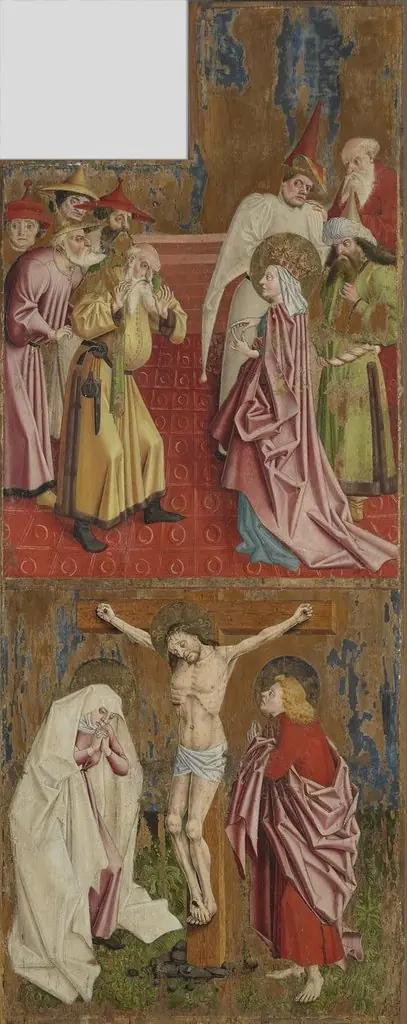 Kreuzaltar, Flügelaußenseite: Die Kaiserin Helena befragt die Juden und Kreuzigung Christi
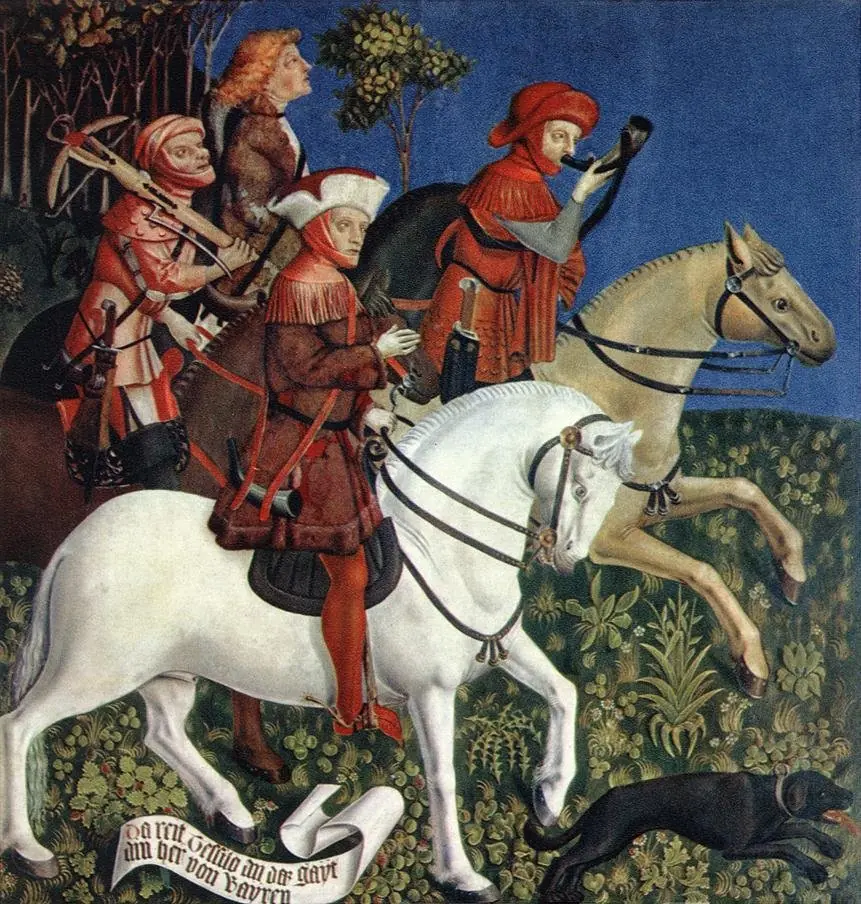 Prince Tassilo Rides to Hunting
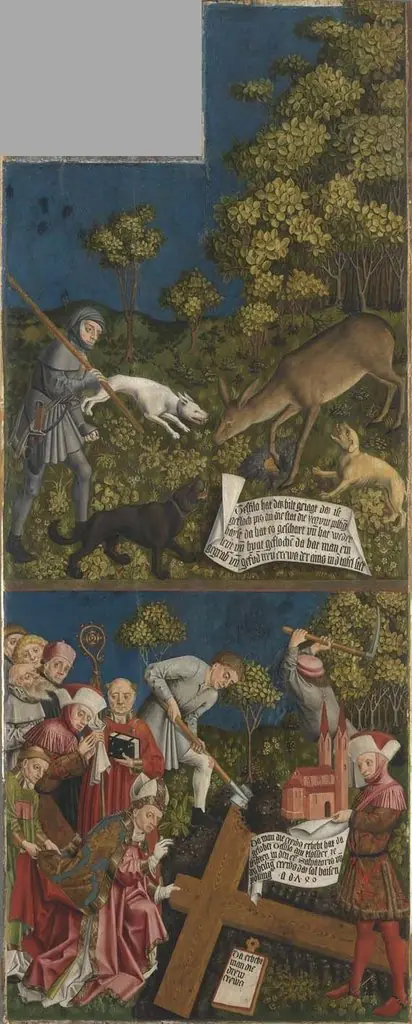 Altar of the Cross: The hinds finds the cross, Excavation of the cross (interior)
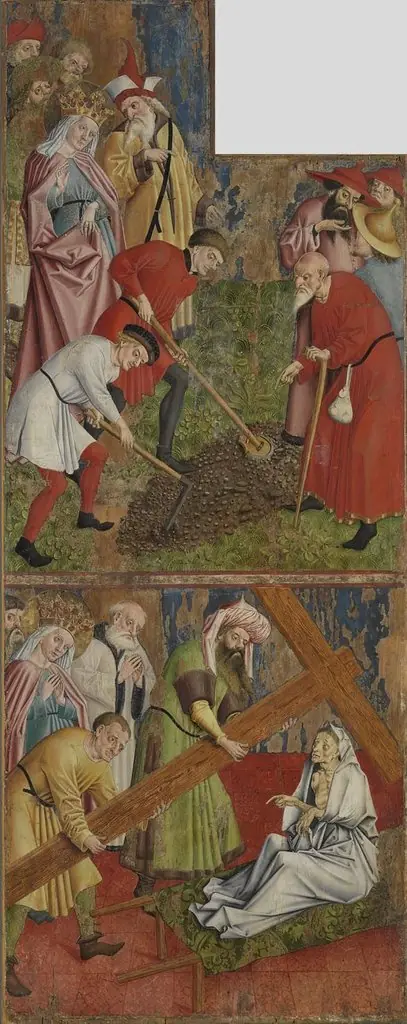 Kreuzaltar, Flügelaußenseite: Kaiserin Helena findet das wahre Kreuz Christi und Erprobung des Kreuzes
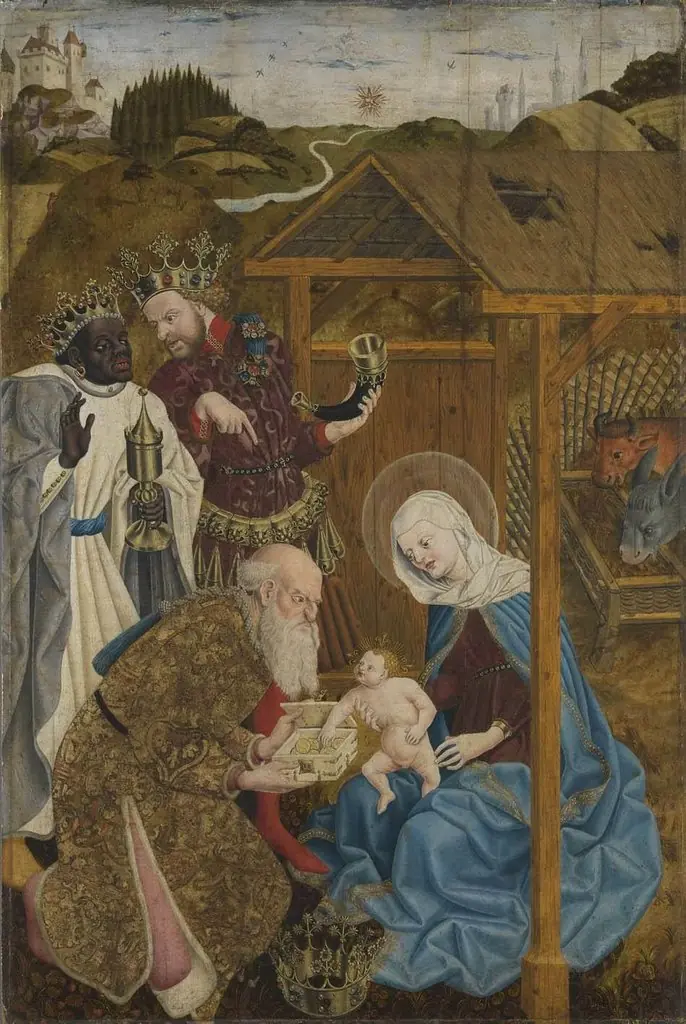 Altar of Mary: Adoration of the Magi
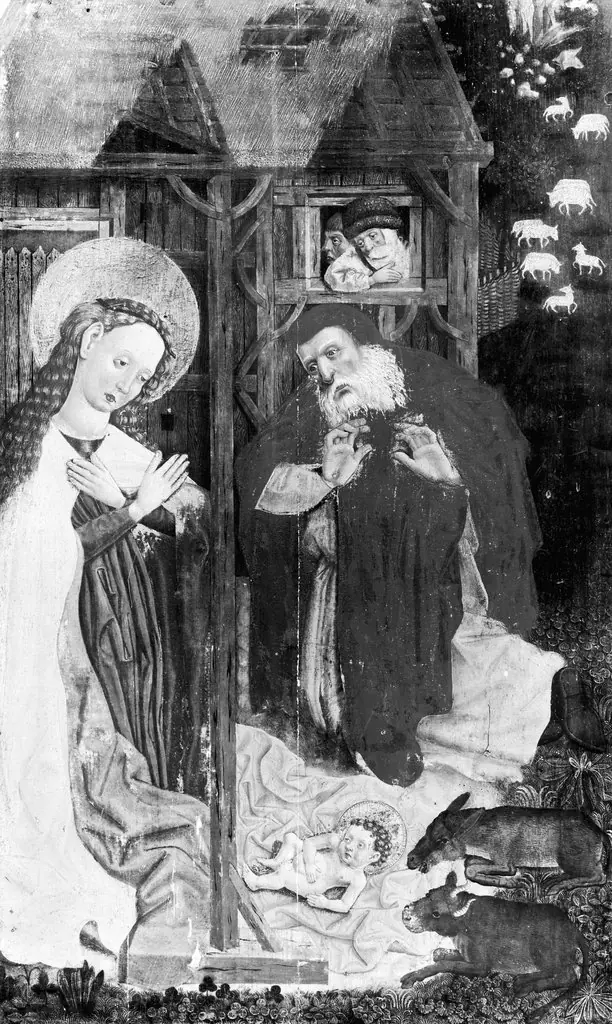 Adoration of the child
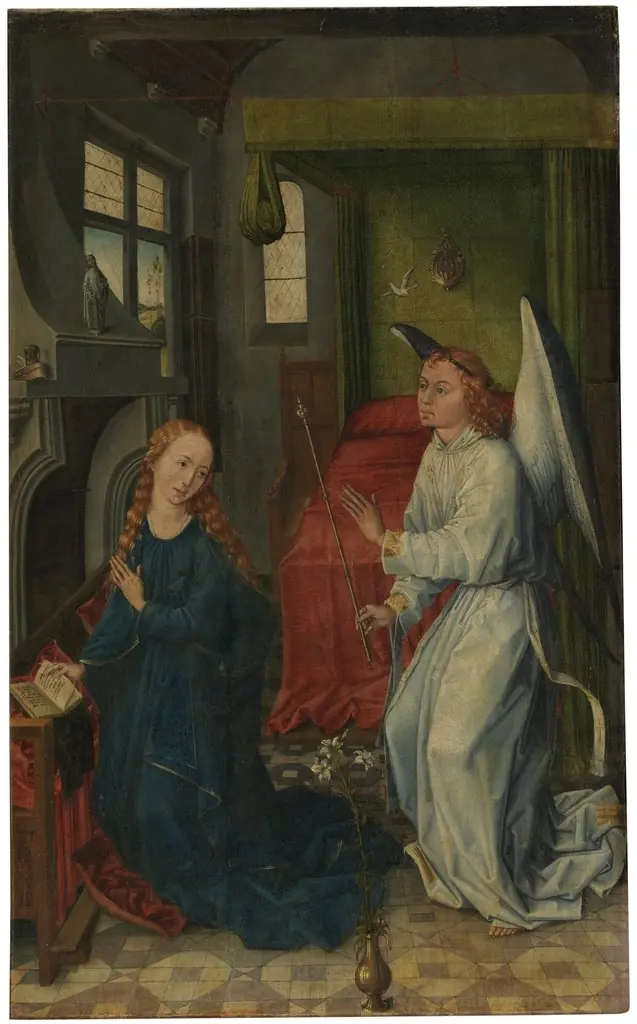 The Annunciation
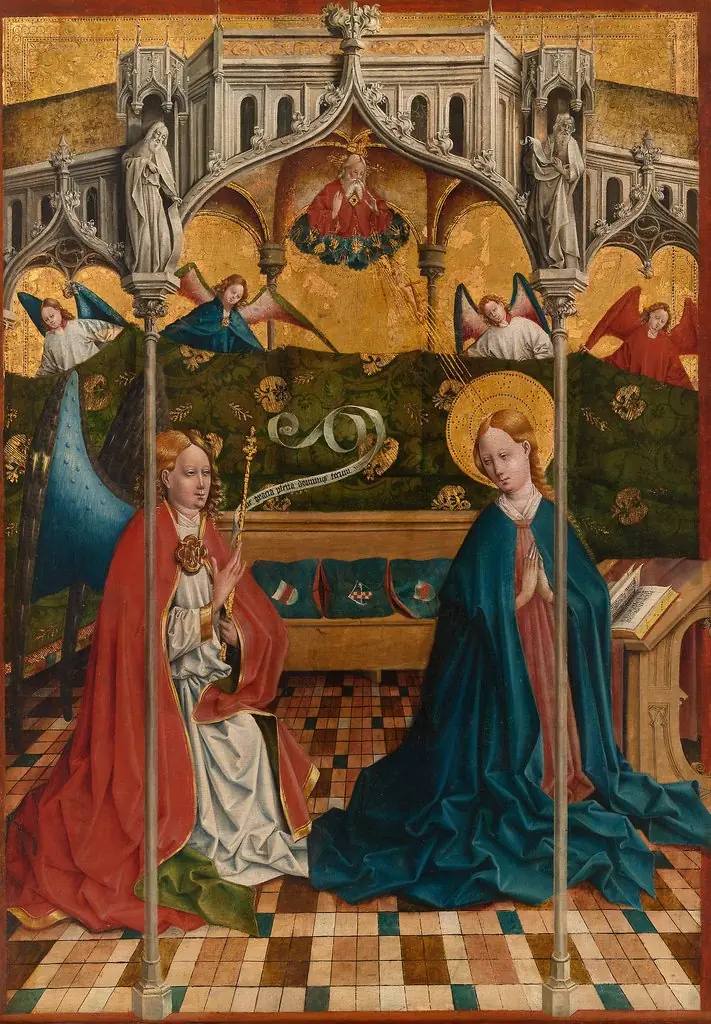 The Annunciation
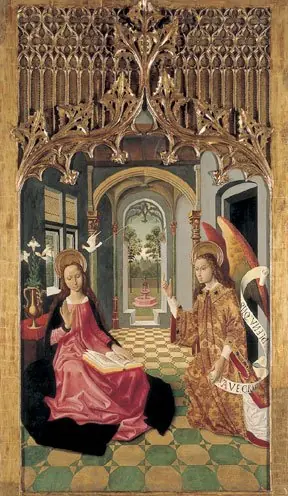 The Annunciation (Meister from Canapost)
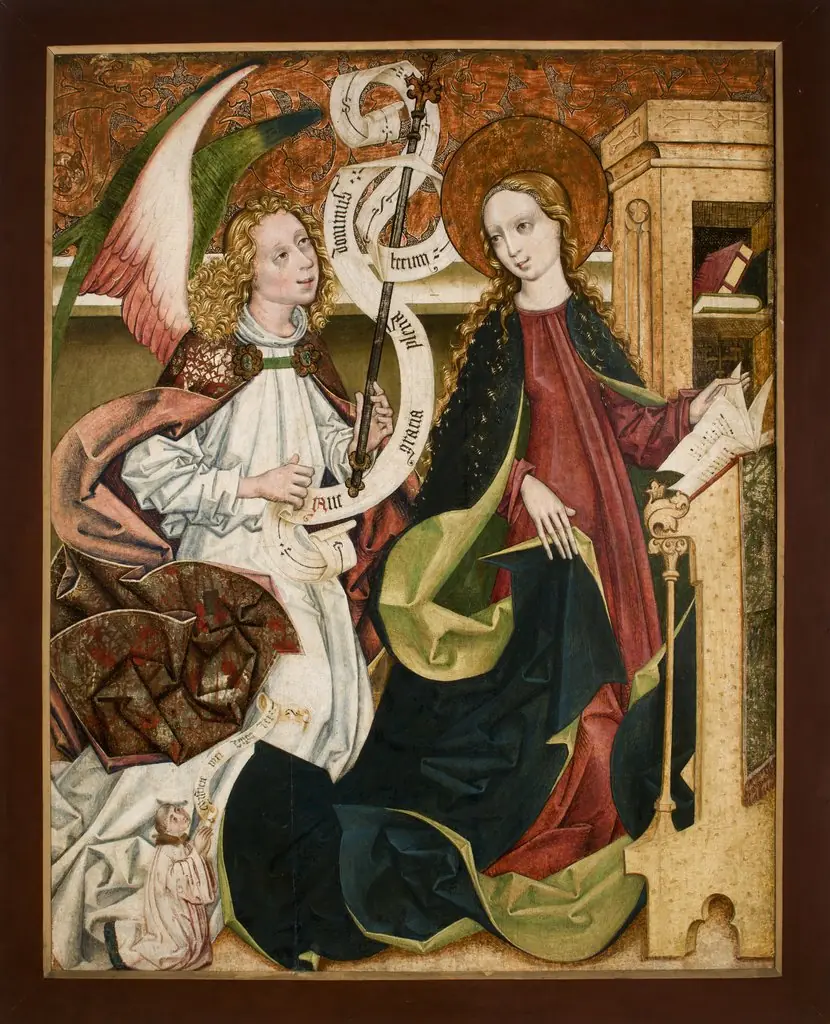 The Annunciation from the Church in Cięcina
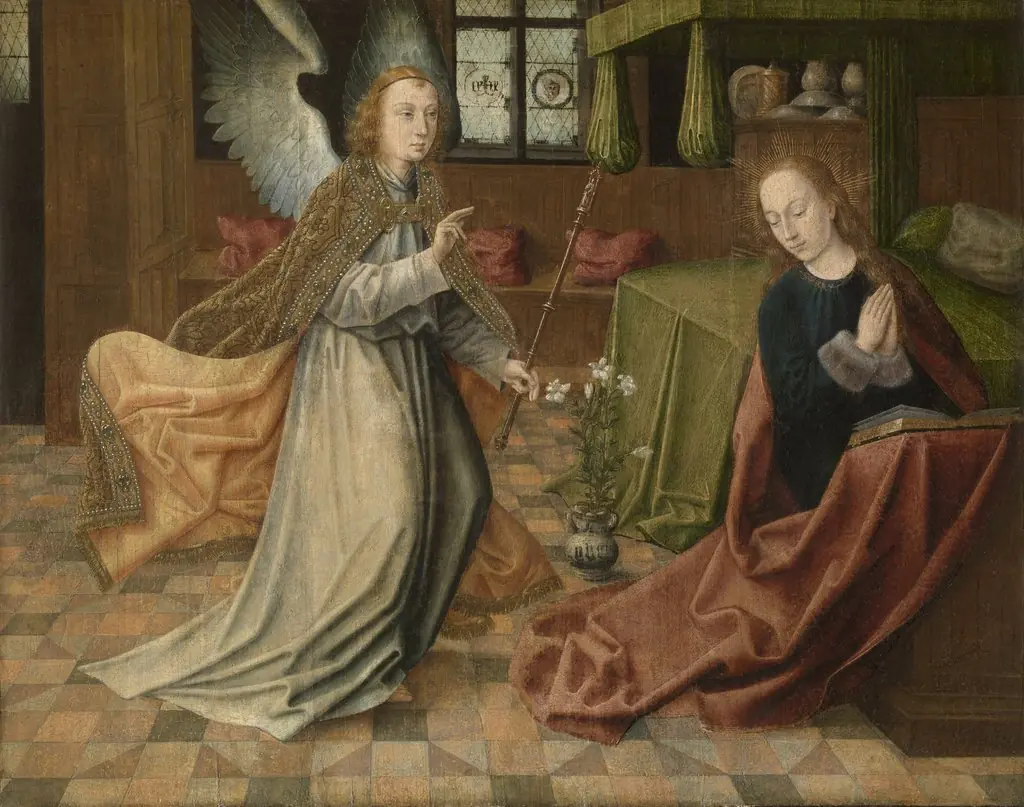 The Annunciation
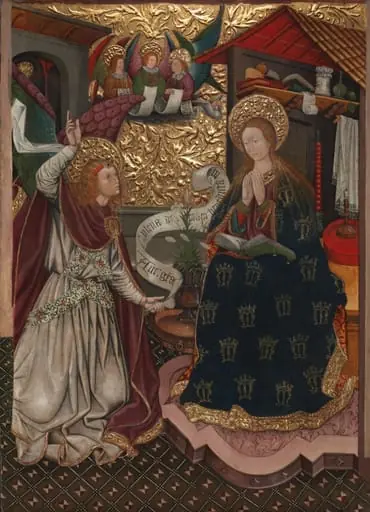 The Annunciation
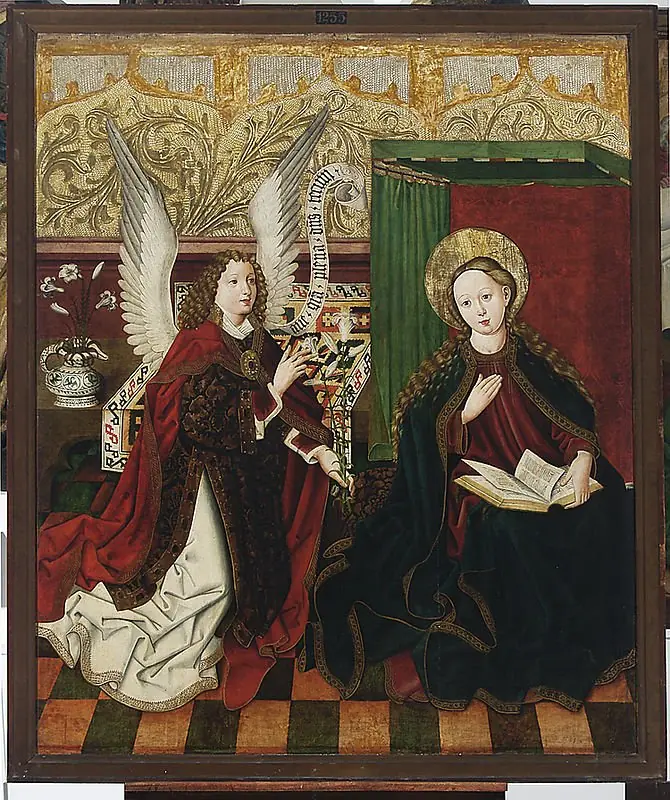 Legnica polyptych - left wing internal - upper panel - obverse: Annunciation; reverse: St Lawrence, St Vincent the Levite. St John the Baptist
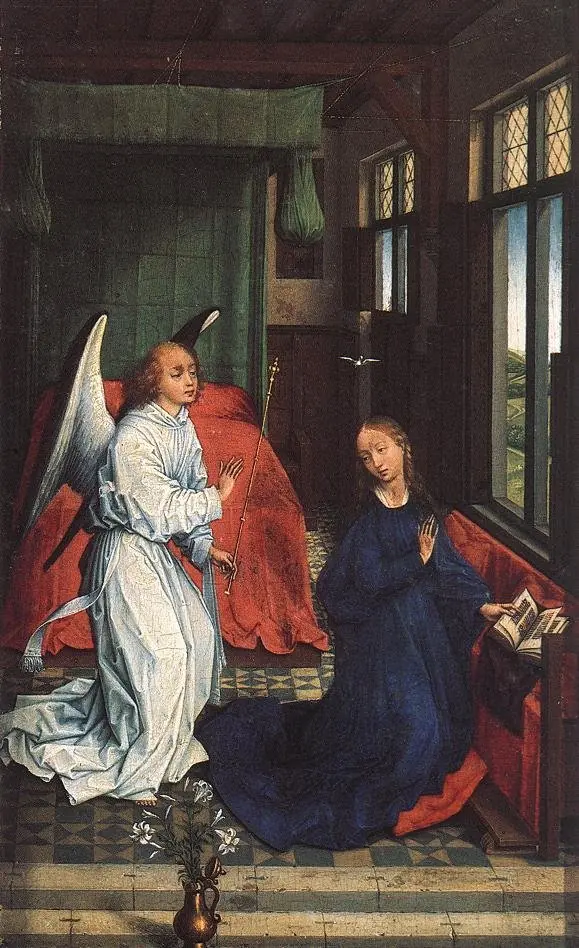 The Annunciation
 Annunciation to the Virgin
 The Annunciation
 The Annunciation
 Altarpiece of the Annunciation