Artwork
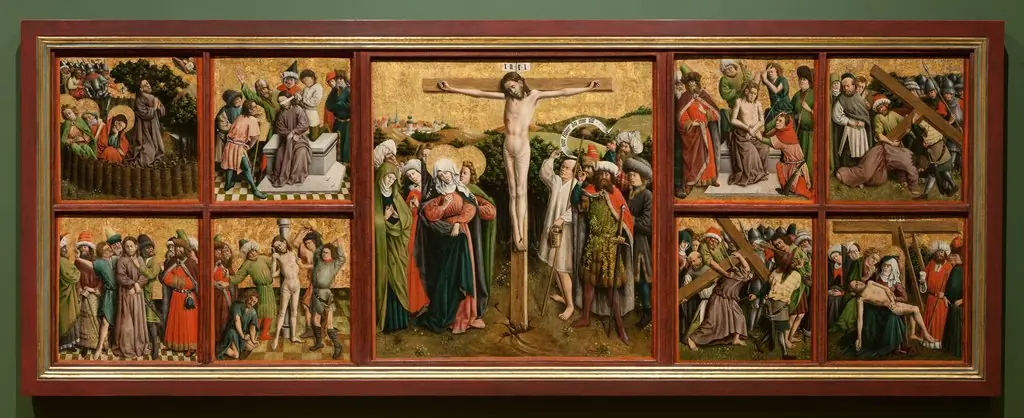
Altarpiece with The Passion of Christ
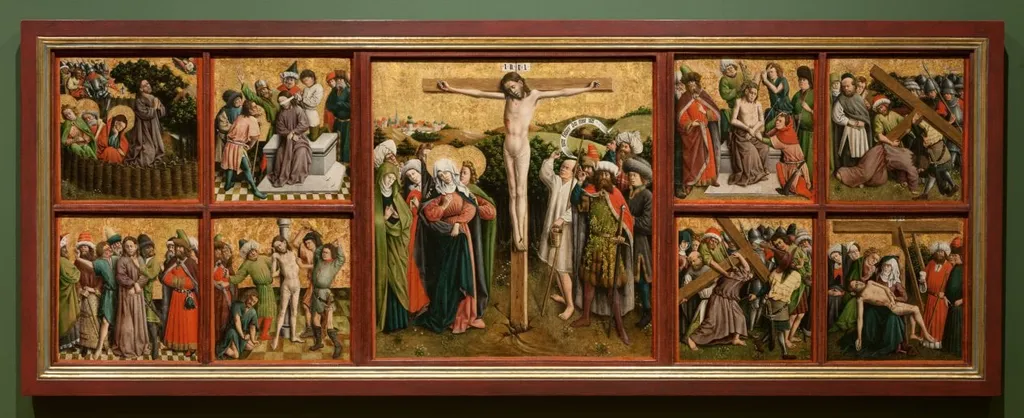
Altarpiece with The Passion of Christ is an unspecified painting by the Northern Renaissance artist Master of the Tucher Altarpiece. It is held in the collection of the Cleveland Museum of Art.
About this work
Overview
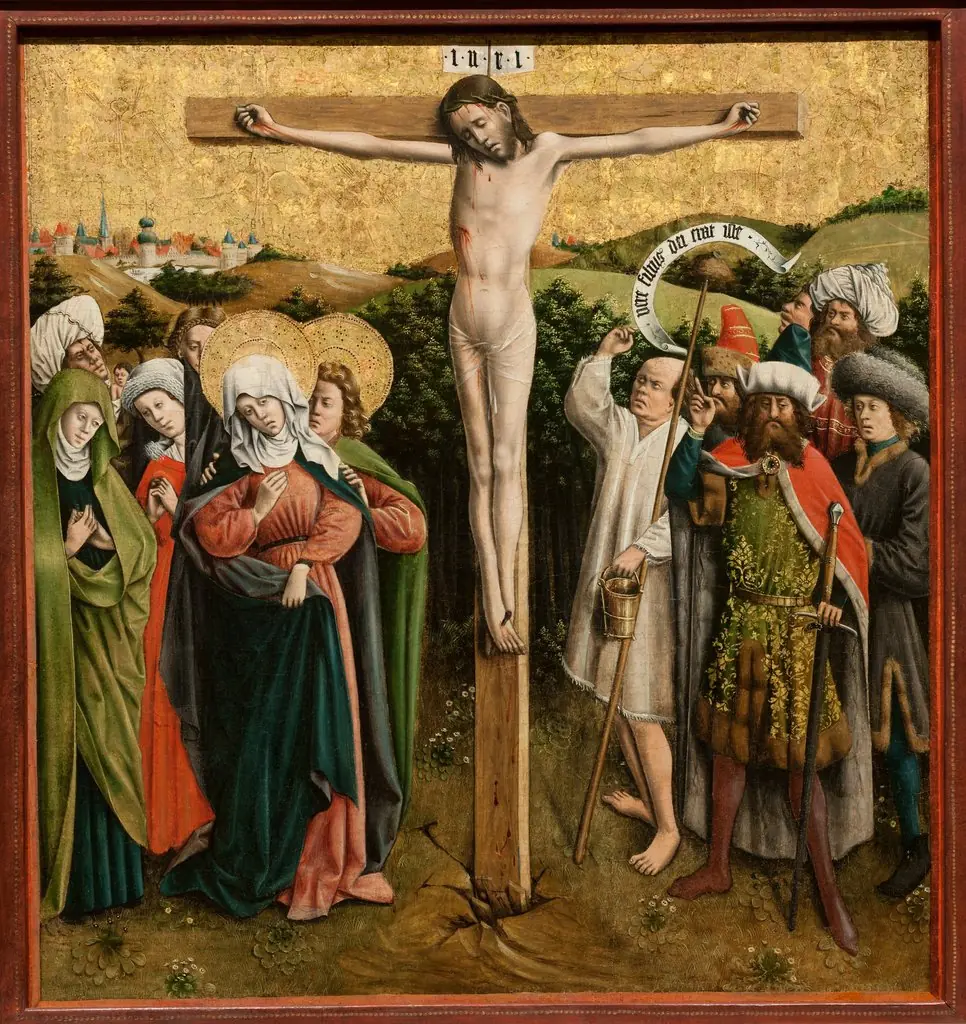
The work is a fragmented altarpiece composed of a tall wooden panel divided into a series of small scenes that depict the Crucifixion narrative.
The work is a fragmented altarpiece composed of a tall wooden panel divided into a series of small scenes that depict the Crucifixion narrative. Surviving panels illustrate moments such as Christ being scourged, bearing the cross, the crucifixion itself, and the removal of his body. Although the original format has been altered and several scenes are missing, nine panels remain identifiable as part of the original sequence.
Subject & Meaning
The central theme is the Passion of Christ, presenting the physical suffering and death of Jesus as a visual meditation. Such Passion cycles were employed by the Franciscan and Dominican orders, as well as German mystics, to encourage contemplation of Christ’s humanity and sacrifice. The sequential arrangement allowed viewers to follow the events in order, reinforcing the theological drama central to medieval devotional practice.
Technique & Style
Executed in painted wood, the panels display a narrative style reminiscent of early comic strips, with each vignette isolated yet linked to the next. The figures are rendered with a focus on bodily expression and emotive gestures, emphasizing the drama of each moment. The composition relies on clear, readable imagery suited to an audience that may have been illiterate, using bold outlines and simplified backgrounds.
History & Provenance
The altarpiece’s original setting is unknown, though it is likely to have been commissioned for a Westphalian religious house in the Rhine Valley. In the 1870s the work entered the collection of the Abbey of Schlägl near Linz, Upper Austria, from which both the piece and its attributed creator receive their present names. The fragmented state and loss of several panels have prompted ongoing scholarly debate about the initial number and order of the scenes.
Context
During the medieval period, altarpieces served both liturgical and instructional functions, acting as visual sermons for congregations. The Passion cycle was especially favored by mendicant orders for its capacity to evoke empathy and piety. In the Germanic regions, such works also reflected the influence of mystic movements that promoted personal, affective contemplation of Christ’s suffering.
Artist & collection
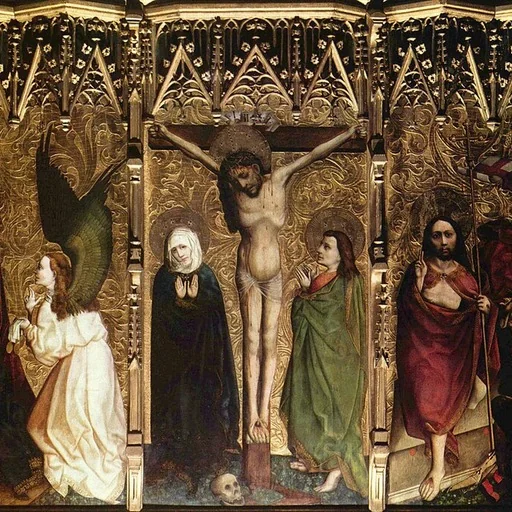
Artist
Master of the Tucher Altarpiece
The Master of the Tucher Altarpiece (fl c. 1430–1450) was a German painter active in Nuremberg. His name is derived from a painting which has been in that city's Frauenkirche since the early 19th century; this has been…

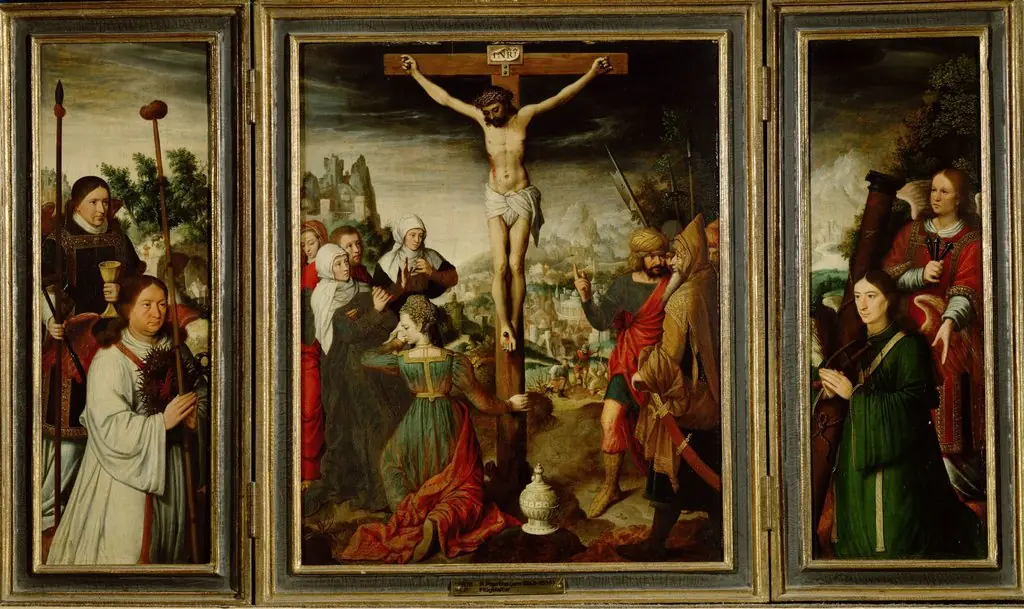 Kreuzigungstriptychon
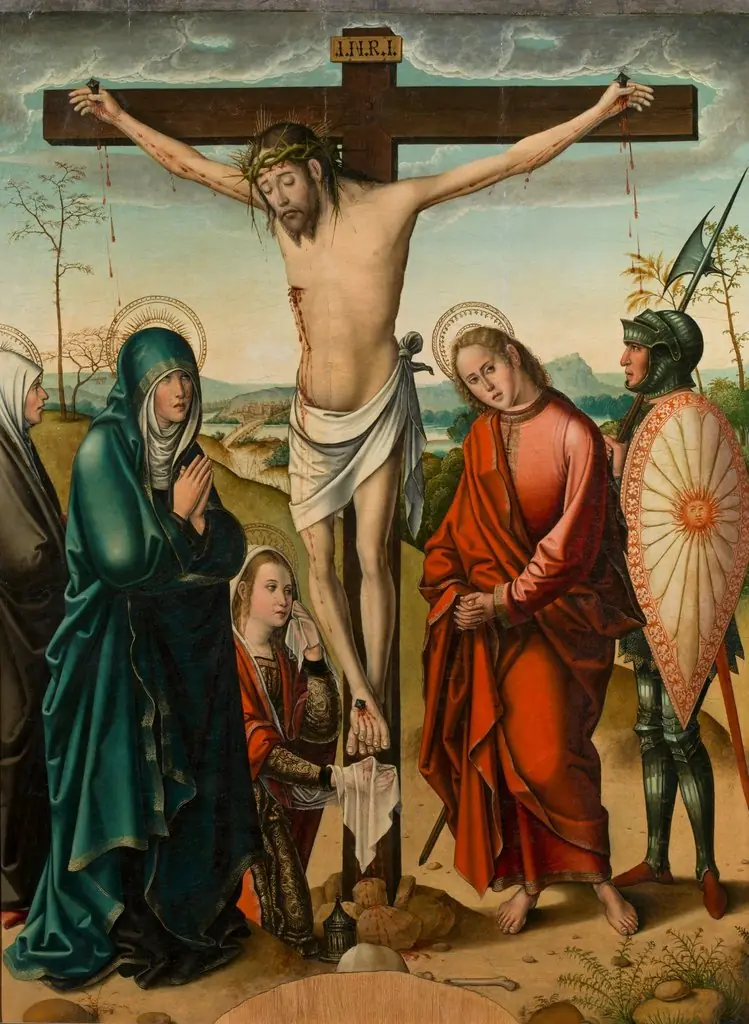 Crucifixión
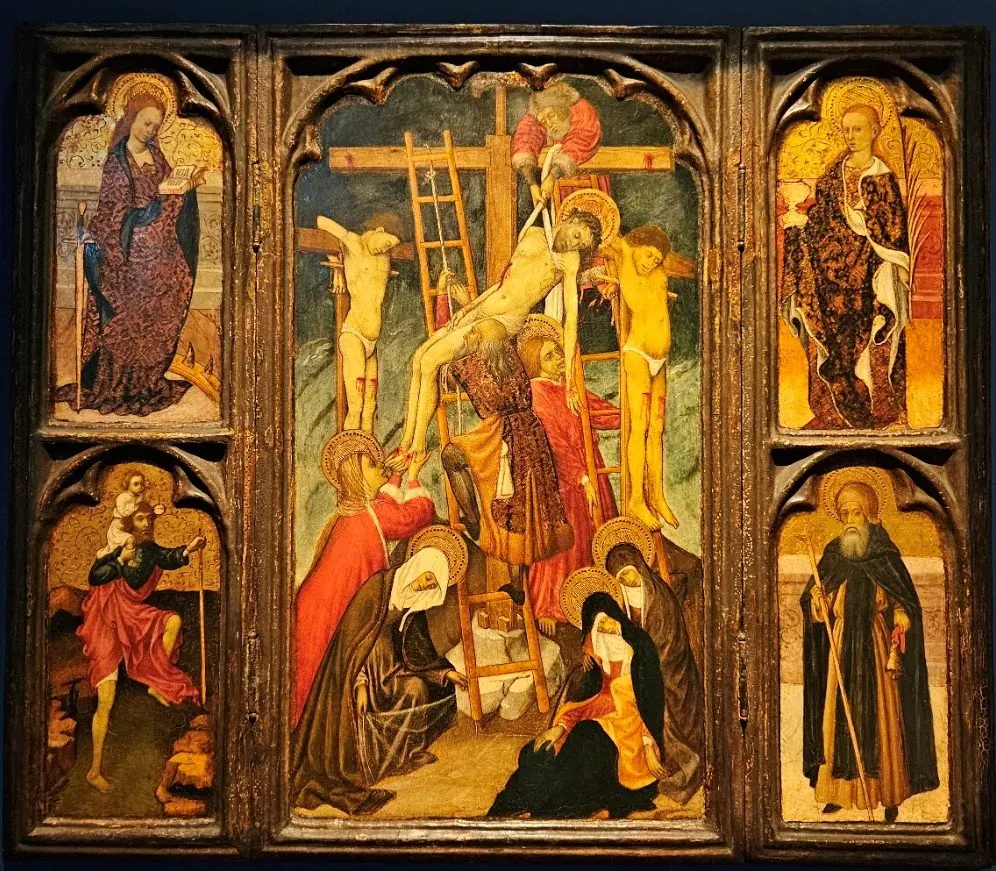 Triptych of the Descent from the Cross
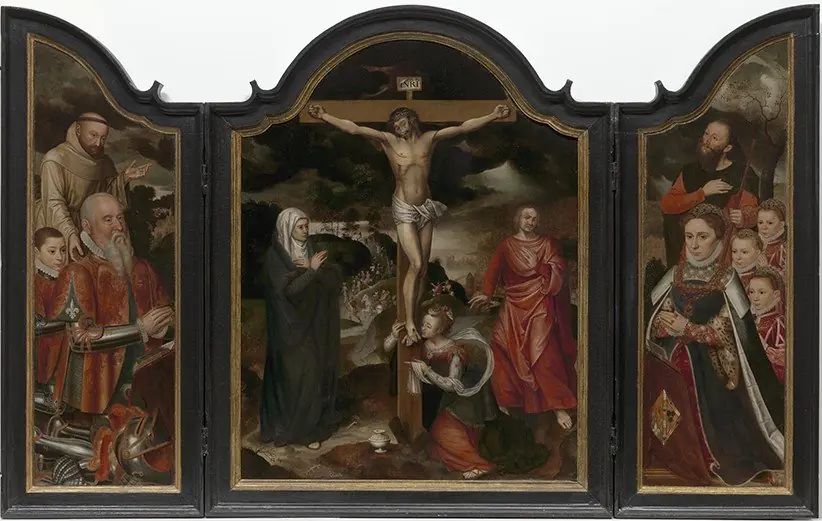 Crucified Christ with Mary, John and Mary Magdalene
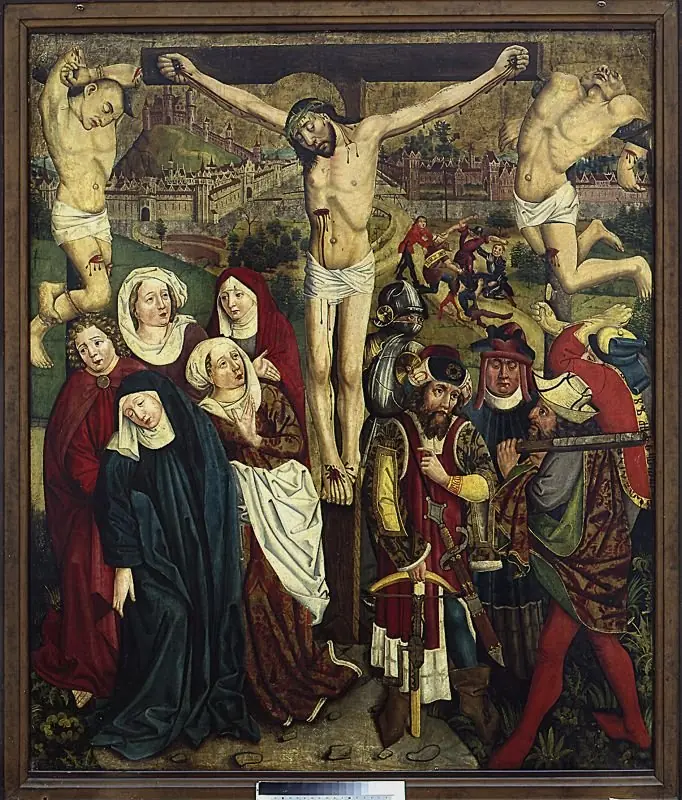 Legnica polyptych
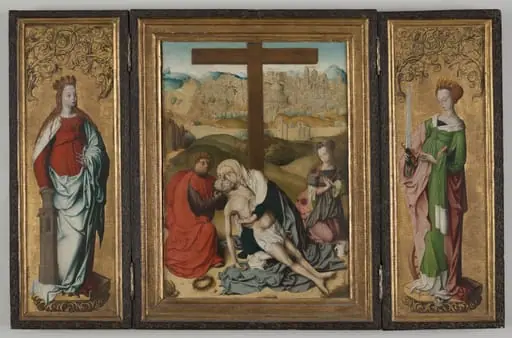 Triptych with The Lamentation of Christ (center), St. Barbara (left wing), St. Catherine of Alexandria (right wing), The Annunciation (reverse wings)
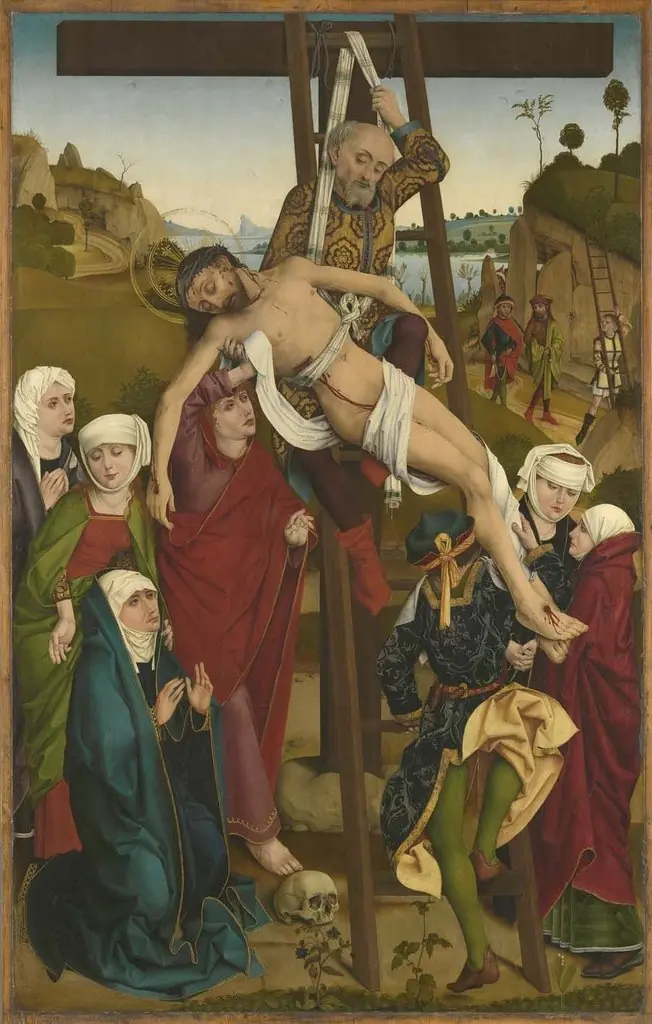 Hofer Altar: Kreuzabnahme Christi (Rückseite: Geburt Christi)
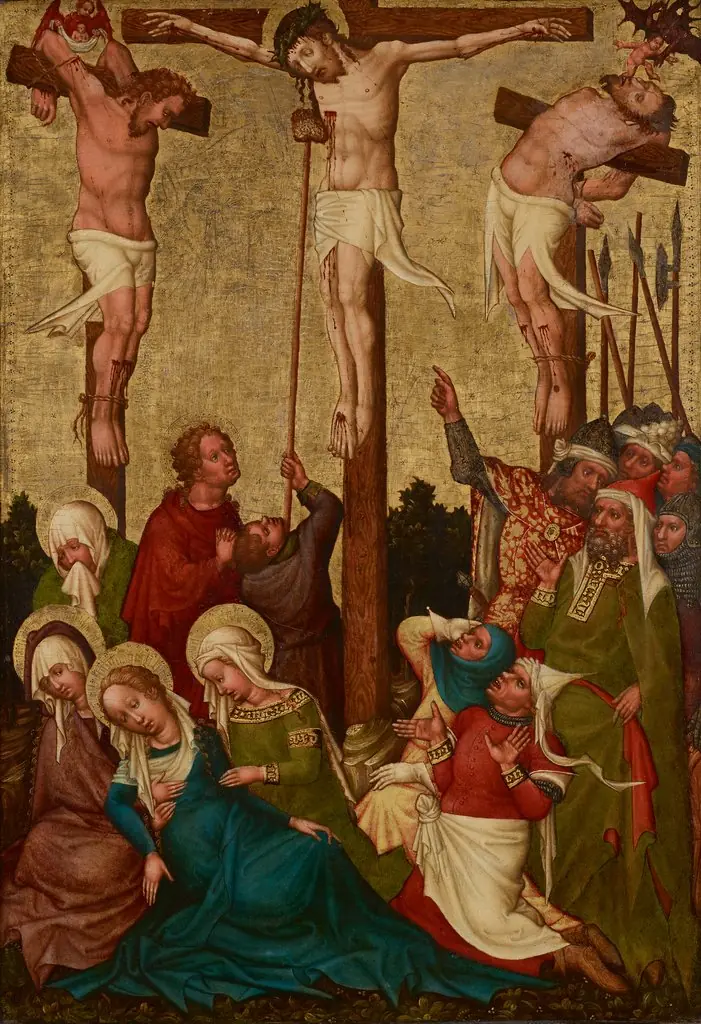 Crucifixion
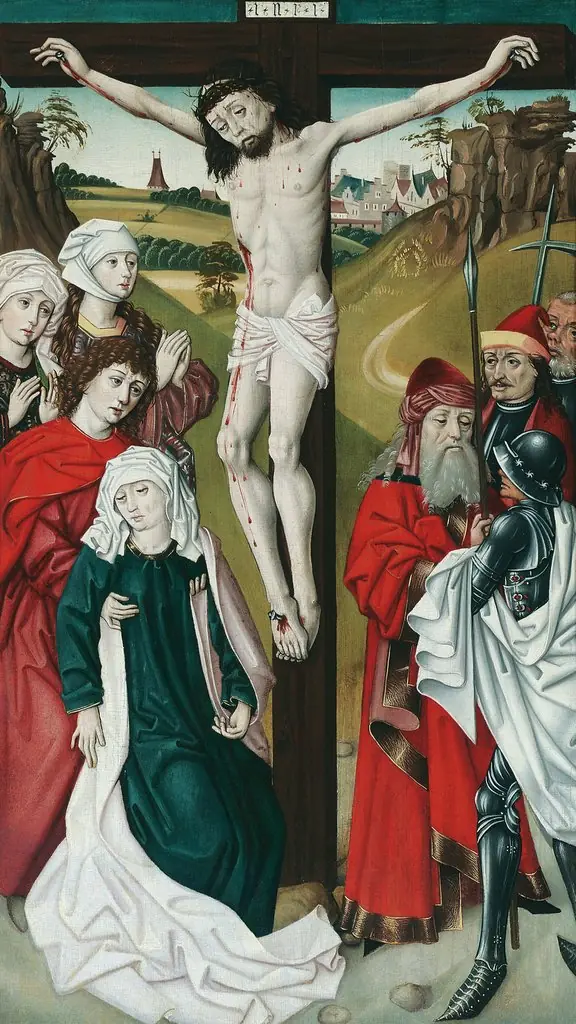 Kreuzigung Christi