Artwork
Winter
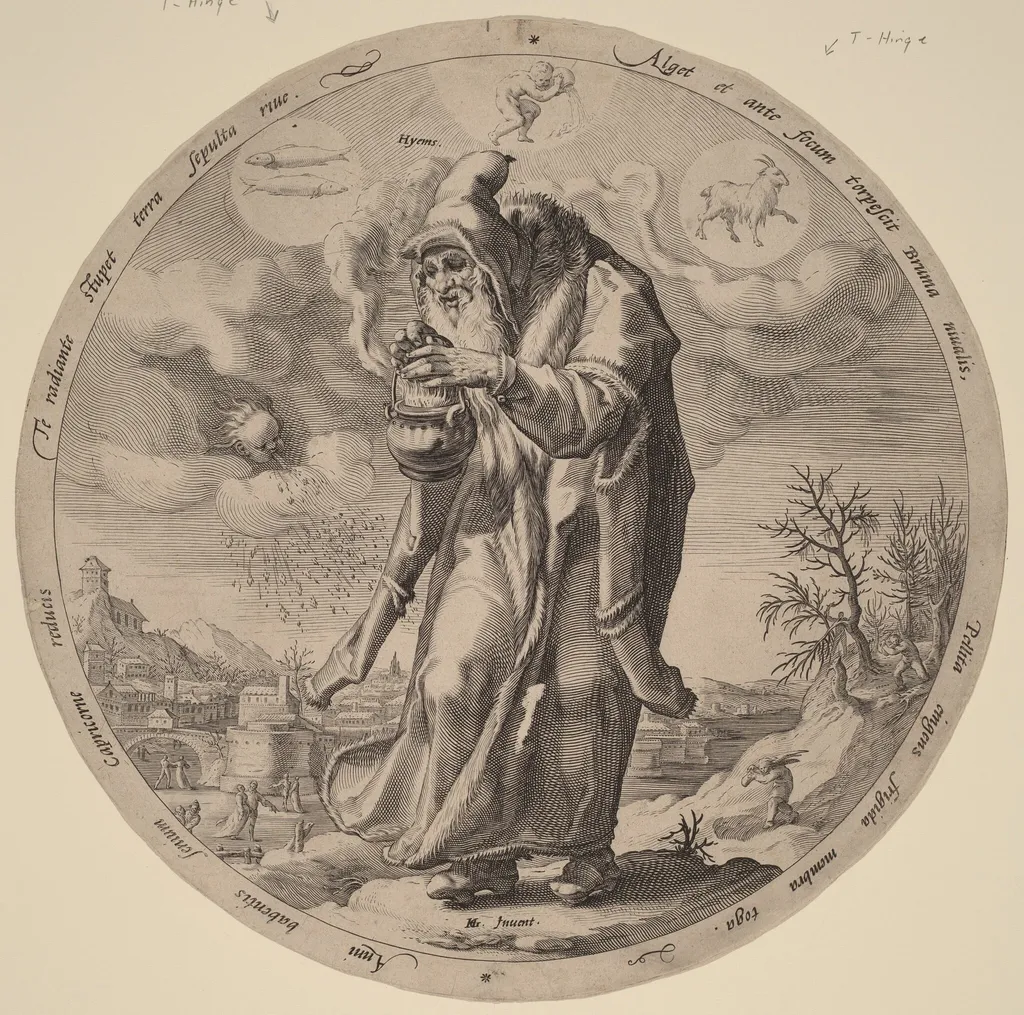
Winter is an ink print by the Renaissance artist Jacob Matham. It dates from 1589 and is held in the collection of the National Gallery of Art.
About this work
Overview
Created in 1589 by Jacob Matham, this engraving on laid paper depicts a solitary figure in heavy robes, standing amid a snow-covered landscape.
Created in 1589 by Jacob Matham, this engraving on laid paper depicts a solitary figure in heavy robes, standing amid a snow-covered landscape. The work is part of a seasonal series, rendered with fine linear detail characteristic of Northern European printmaking. A map-like border encloses the scene, inscribed with place names, while sparse vegetation and small figures reinforce the season’s austerity.
Subject & Meaning
The central figure, bearded and staff-carrying, is likely an allegory of Winter, personified through age and stillness. Surrounding him, diminutive villagers and animals huddle against the cold, emphasizing human vulnerability to nature’s harshness. The inclusion of a child on a sled and a goat suggests fleeting life within the frozen world, reinforcing the season’s quiet dominance over daily activity.
Technique & Style
Matham employed fine, controlled engraving lines to model form and texture, capturing the weight of fabric, the grit of snow, and the skeletal structure of trees. The composition relies on contrast between the large central figure and the miniature scenes around him, creating depth without perspective. The map-like frame reflects a Renaissance interest in cartographic order, merging geography with allegory.
History & Provenance
This engraving was produced during Matham’s early career, likely under the influence of his stepfather, Hendrick Goltzius, a leading Dutch engraver. It circulated among collectors of seasonal imagery in the late 16th century. No definitive early ownership records survive, but similar prints from the series appear in European print collections from the 17th century onward.
Context
Winter belongs to a cycle of prints representing the seasons, a popular theme in Northern Europe tied to agricultural rhythms and moral allegory. Such works often combined natural observation with symbolic figures, reflecting humanist interests in classical personifications. The inclusion of labeled locations suggests a desire to ground myth in recognizable geography, bridging the real and the ideal.
Legacy
Matham’s engraving contributed to the tradition of seasonal allegory in printmaking, influencing later Northern artists who explored nature and time through linear precision. While not widely reproduced today, it remains a representative example of late 16th-century Dutch engraving, valued for its quiet composition and technical discipline rather than dramatic flair.
Artist & collection


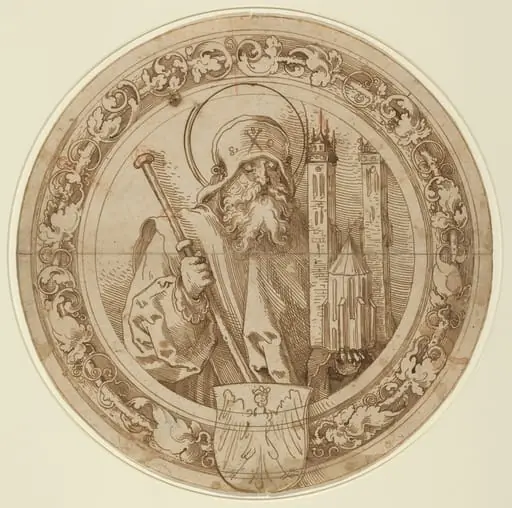 Saint Sebald Carrying the Model of His Church in Nuremberg
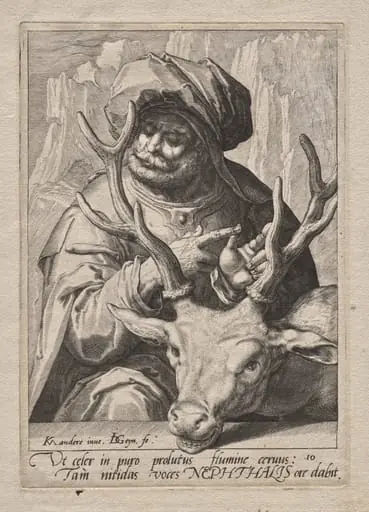 Plate 10: Naphtali
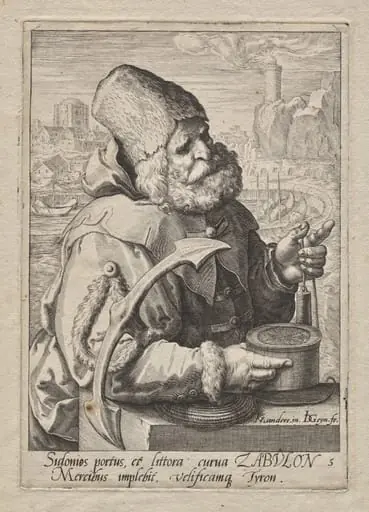 Plate 5: Zabulun
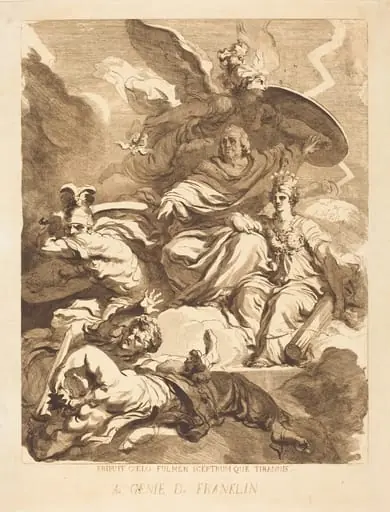 The Genius of Franklin (Au Génie de Franklin)
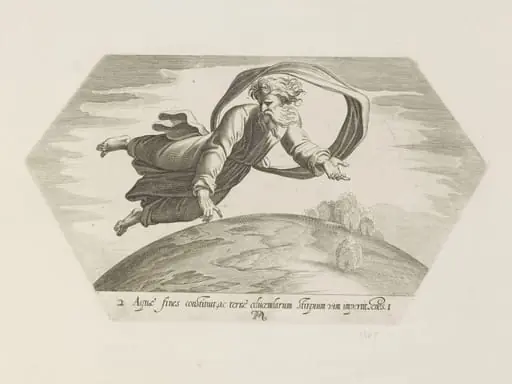 God dividing light from darkness
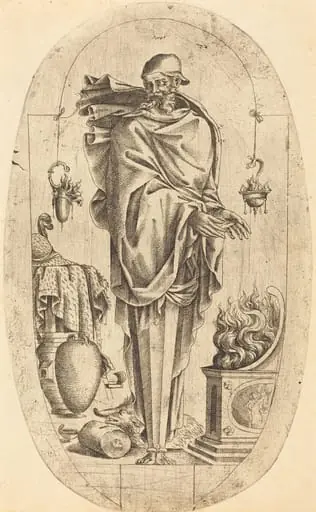 Old Man Warming His Hands
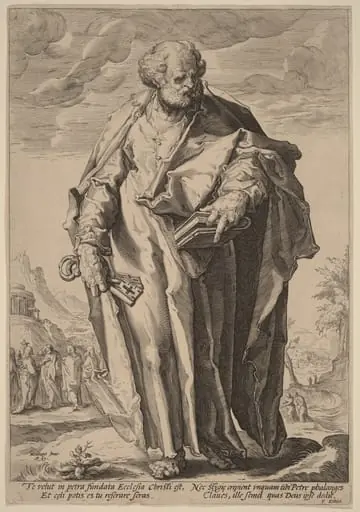 Saint Peter
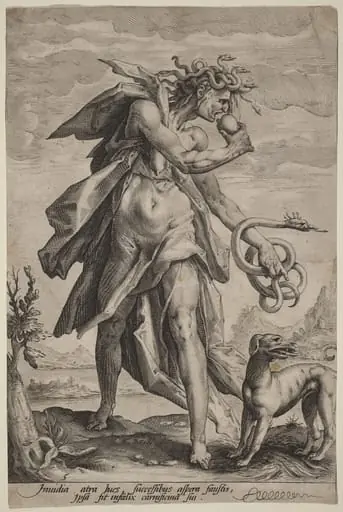
 Envy
Envy Plate 11: Joseph
 The Apostle Matthew
 Noble Man with Felt Hat, Bowing
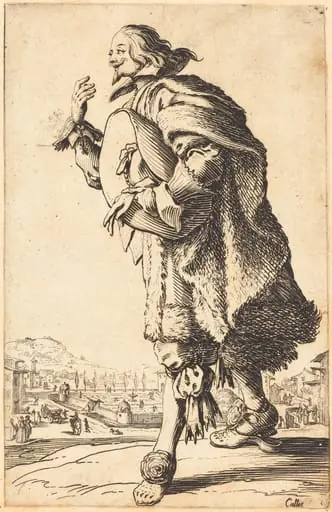 Noble Man with Felt Hat, Bowing