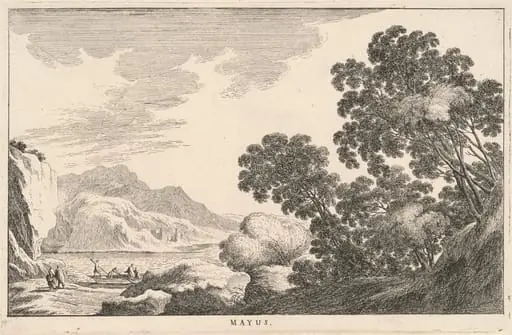
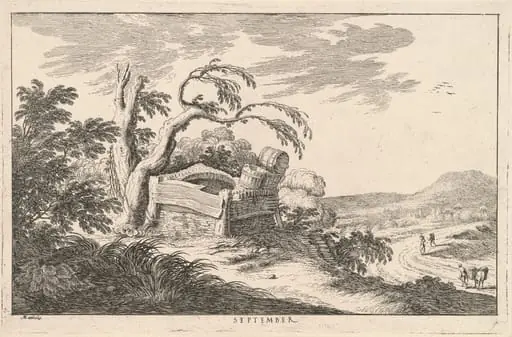
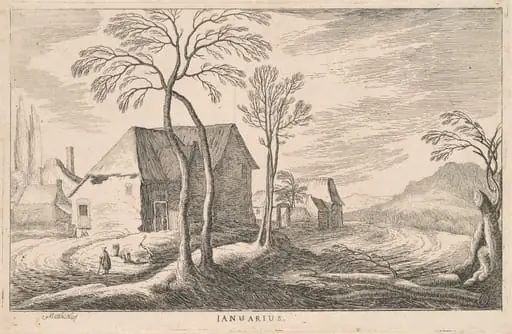
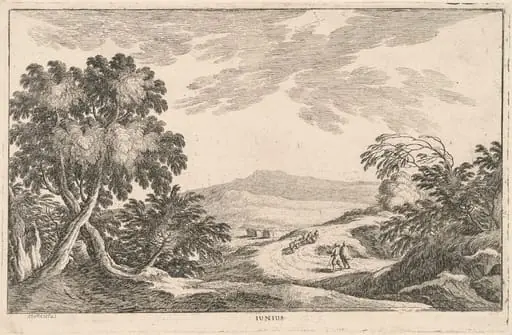
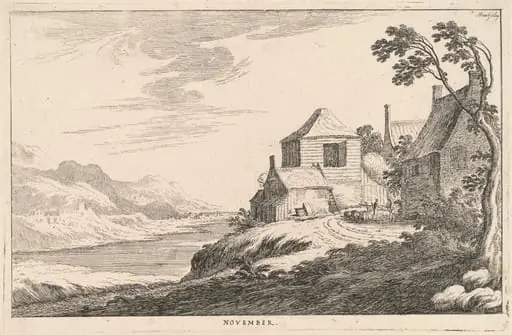
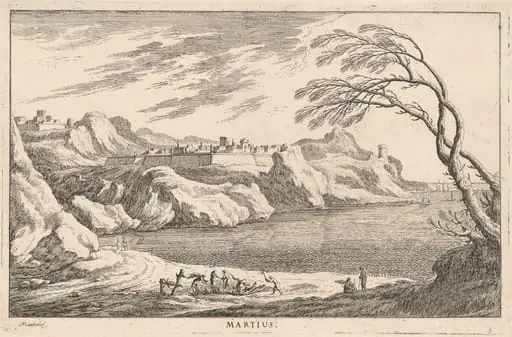
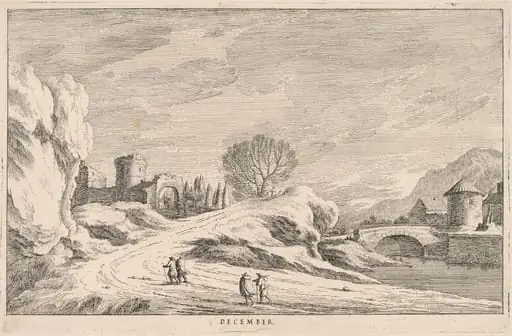
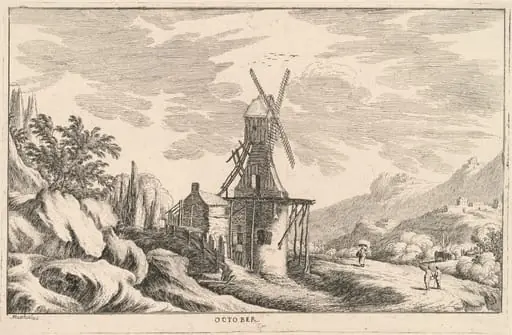
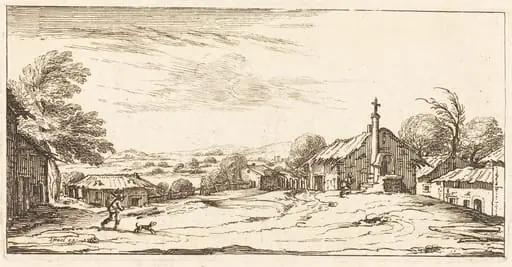
Artwork
Februarius (February)
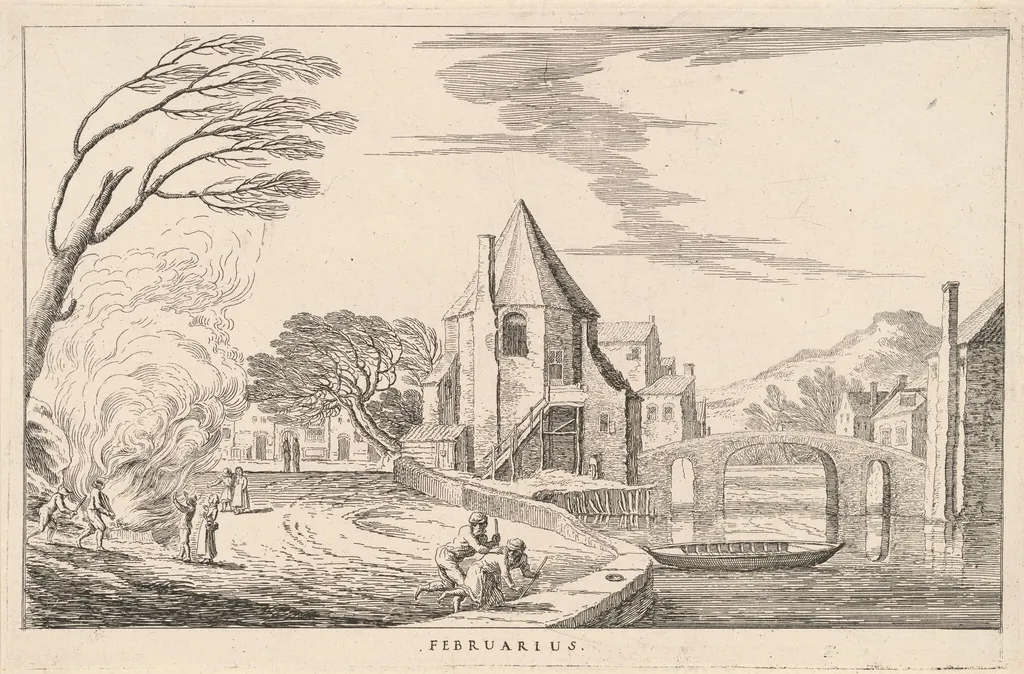
Februarius (February) is an ink print by the Romanticist artist Ludovico Mattioli. It dates from 1601 and is held in the collection of the National Gallery of Art.
About this work
Overview
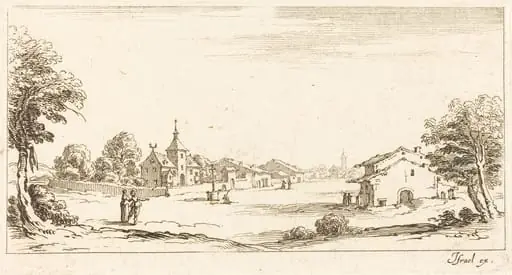
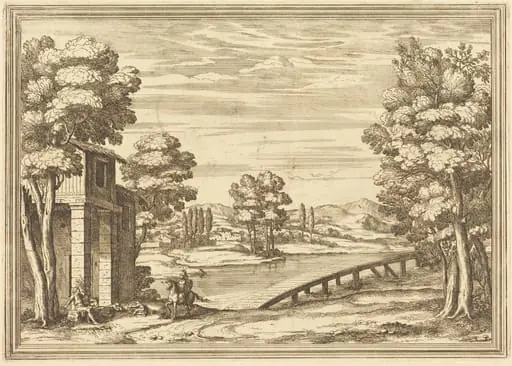
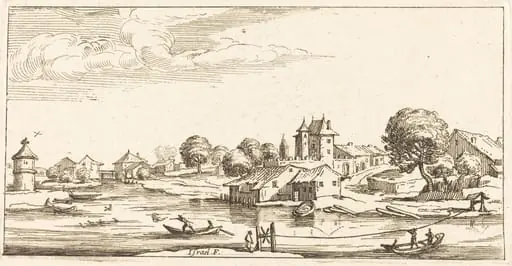
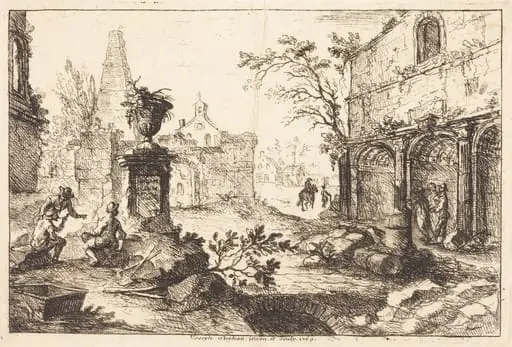
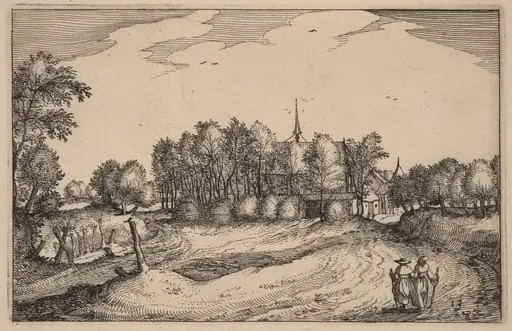
Ludovico Mattioli’s 1601 etching Februarius depicts a tranquil winter village scene. Rendered on laid paper, the composition centers on a modest church with a prominent steeple, set beside a river whose banks are lightly covered in snow. A muted sky and frosted ground convey the chill of February, while the inscription at the bottom identifies the month.
Subject & Meaning
The print presents everyday life in a cold season: figures bundled in winter attire walk along the riverbank, a fisherman tends his line, and a small boat drifts nearby. The sparse, leaf‑less trees and the stillness of the water emphasize the quietude of the landscape, inviting contemplation of seasonal rhythm and communal activity during the harsh months.
Technique & Style
Mattioli employed the etching process, incising fine lines into a copper plate before transferring the image onto laid paper. The delicate hatching captures the texture of ice, snow, and fabric folds, while cross‑hatching creates atmospheric depth in the cloudy sky. The overall tonal restraint reflects the early seventeenth‑century Italian printmaking aesthetic.
History & Provenance
Created in 1601, Februarius is an early example of Mattioli’s print work, produced during a period when Italian artists increasingly explored seasonal subjects. The piece has circulated among private collections and museum holdings, illustrating the period’s interest in documenting quotidian scenes through the reproducible medium of etching.
Artist & collection