Artwork
Vom Tode I, (Opus II, 1889) No. 2
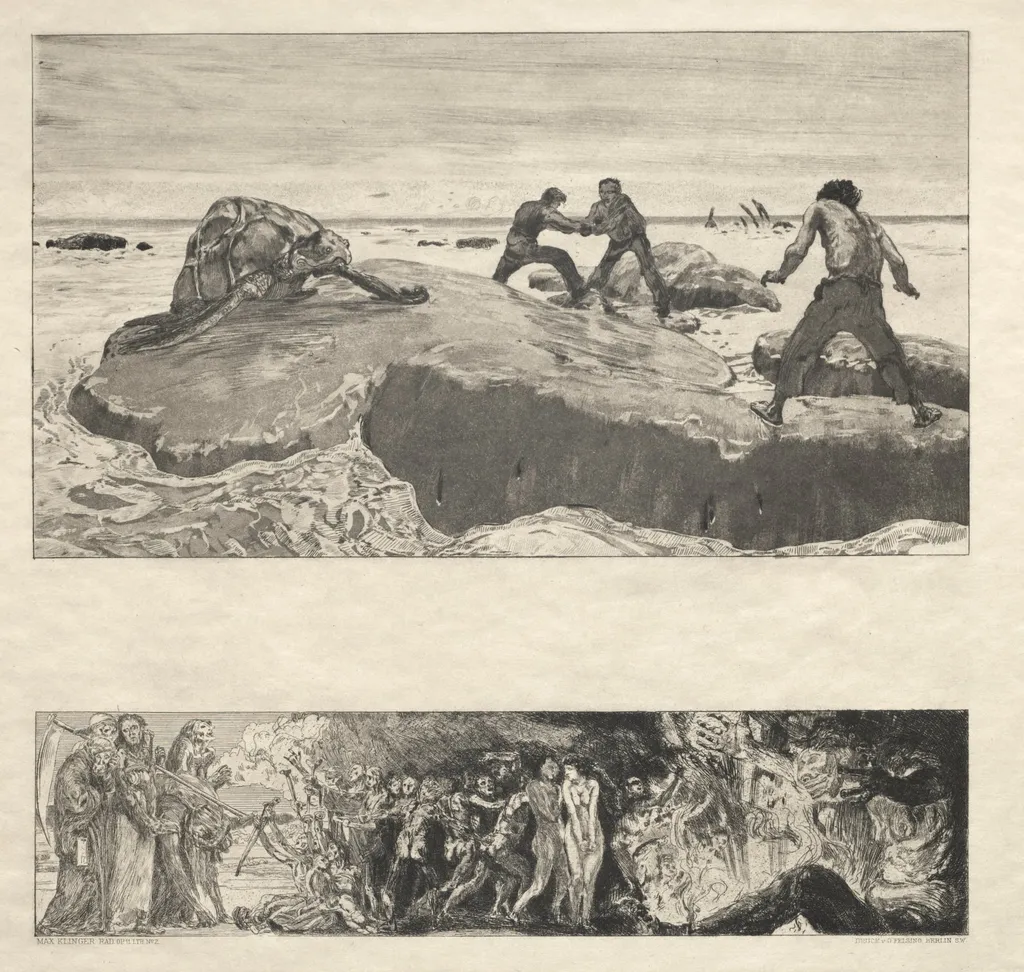
Vom Tode I, (Opus II, 1889) No. 2 is a print by the Impressionist artist Max Klinger. It dates from 1889 and is held in the collection of the Cleveland Museum of Art.
About this work
Overview
The work is part of his broader exploration of symbolic narratives across multiple media and resides today in the collection of The Cleveland Museum of Art.
Created in 1889 by German artist Max Klinger, *Vom Tode I, (Opus II, 1889) No. 2* is a print from a larger series exploring mortality and human struggle. Executed in etching and aquatint, it exemplifies Klinger’s commitment to graphic arts as a vehicle for complex ideas. The work is part of his broader exploration of symbolic narratives across multiple media and resides today in the collection of The Cleveland Museum of Art.
Subject & Meaning
The print juxtaposes two scenes: above, a group of men battle a massive, lifeless whale on a barren shore; below, a disordered crowd reacts with fear and fascination. The whale, rendered as both physical burden and symbolic presence, suggests an encounter with the inevitable. The crowd’s varied responses—flight, stillness, torch-bearing—hint at collective anxiety in the face of death, reflecting Symbolist preoccupations with existential themes.
Technique & Style
Klinger employed bold, incised lines and deep chiaroscuro to heighten emotional tension. The contrast between light and shadow defines form and mood, with the whale’s curled tail and the crowd’s fragmented gestures rendered in stark, graphic clarity. The composition’s vertical division creates a narrative duality, while the dense, textured shadows unify the two scenes under a single atmosphere of unease.
History & Provenance
This print belongs to Klinger’s *Opus II*, a series produced between 1888 and 1890, which he later expanded into a sculptural installation. It was widely circulated among European art circles and collected by institutions interested in Symbolist graphic work. The Cleveland Museum of Art acquired it as part of its growing holdings in late 19th-century European prints, recognizing its significance in the evolution of printmaking as a conceptual medium.
Context
Emerging in the late 1880s, Klinger’s work intersected with Symbolist and Jugendstil movements, which rejected naturalism in favor of psychological and mythic expression. His writings championed printmaking as equal to painting and sculpture, positioning graphic arts as central to modern artistic discourse. *Vom Tode I* reflects this philosophy, aligning with contemporaneous explorations of death and the sublime in Viennese and German art.
Legacy
Klinger’s integration of narrative, symbolism, and technical mastery in printmaking influenced later generations of artists seeking to elevate graphic arts beyond illustration. *Vom Tode I* remains a key example of how etching could convey philosophical depth, contributing to the broader recognition of print cycles as serious artistic statements in the modern era.
Own this work as a print
Artist & collection
Artist
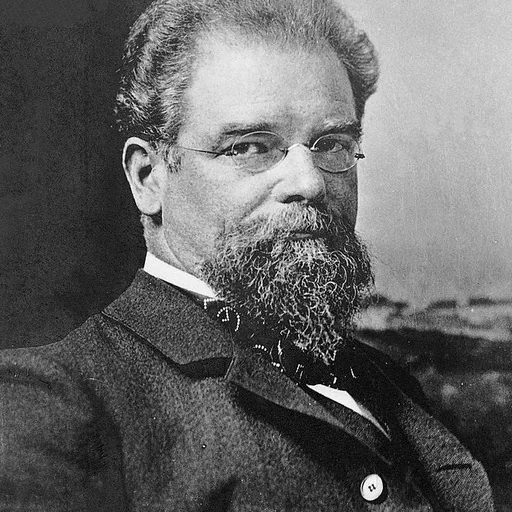
Max Klinger (18 February 1857 – 5 July 1920) was a German artist who produced significant work in painting, sculpture, prints and graphics, as well as writing a treatise articulating his ideas on art and the role of…

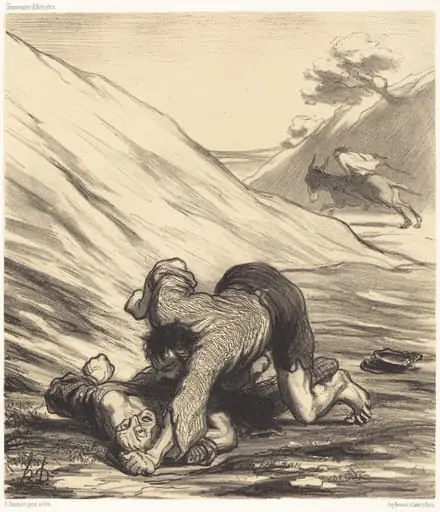 L'Ane et les deux voleurs
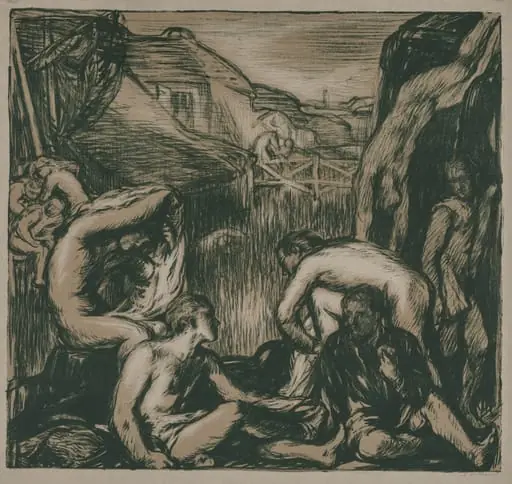 The Mill-Pond
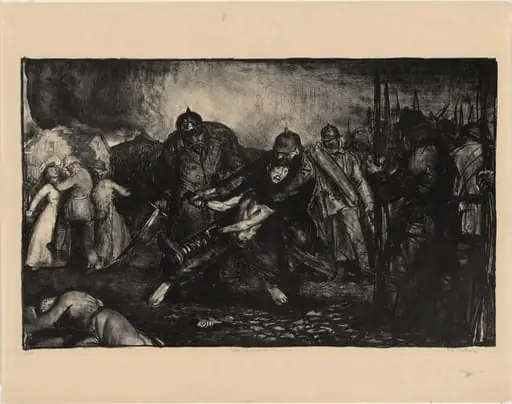 The Germans Arrive
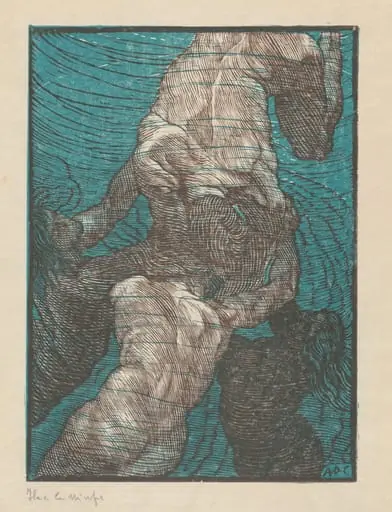 Ila e le ninfe (Hylas and the Nymphs)
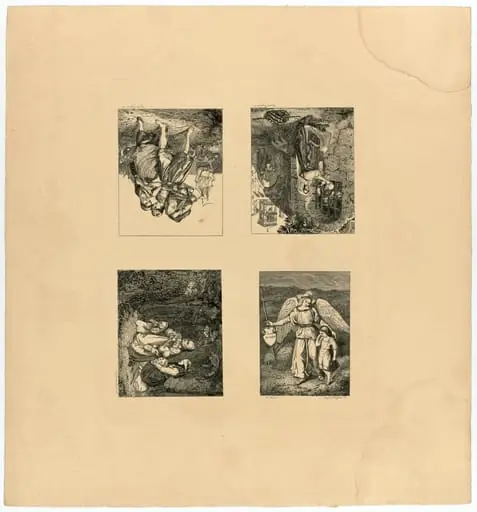 Hüssener, Auguste: Andruckbogen mit vier Gemäldereproduktionen
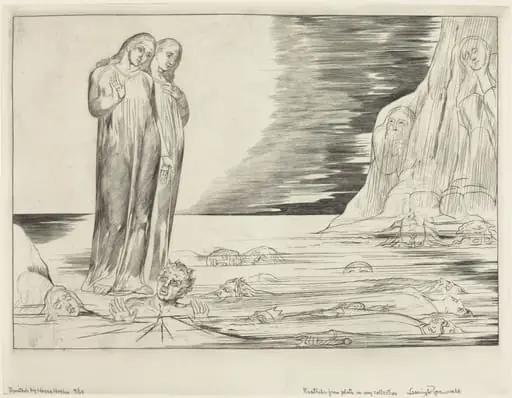 The Circle of the Traitors; Dante's Foot Striking Bocca degli Abbate
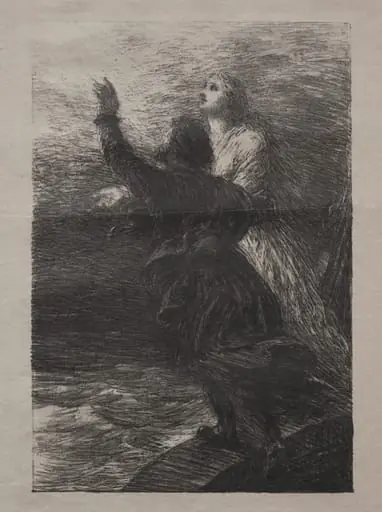 The Flying Dutchman: Act III, The Ecstasy of Senta and the Dutchman
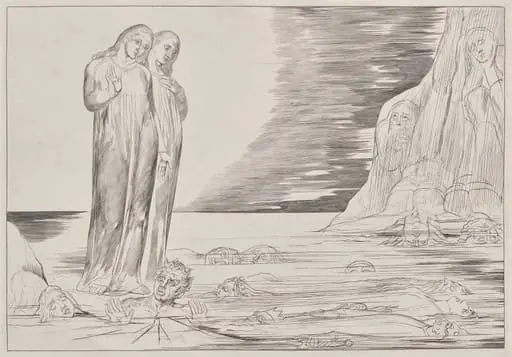 The Circle of the Traitors: Dante's Foot Strriking Bocca degli Abbate, from Dante's Inferno, Canto XXXII Illustration to Dante's The Divine Comedy
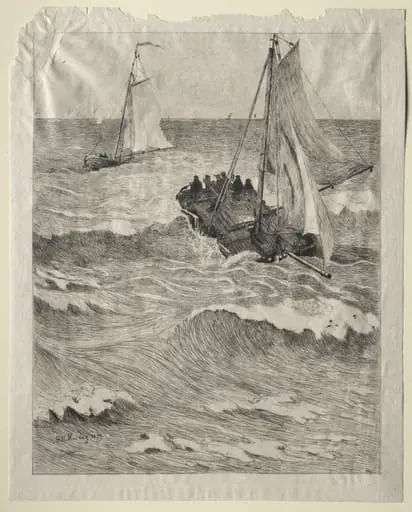 Marine Scene