Artwork
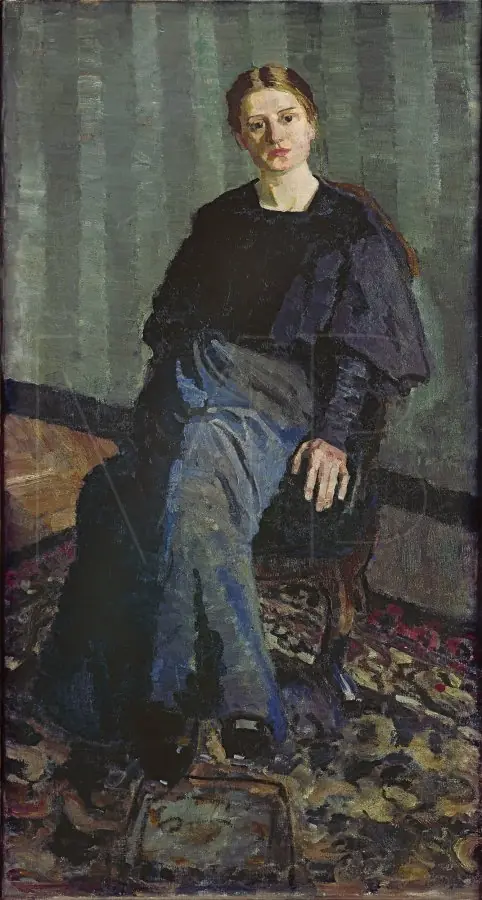
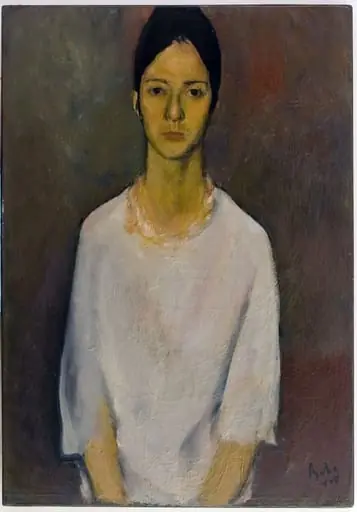
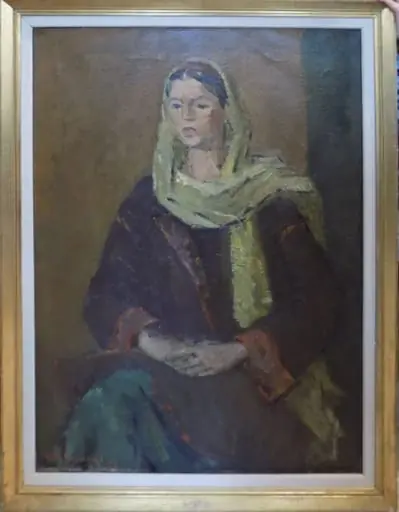
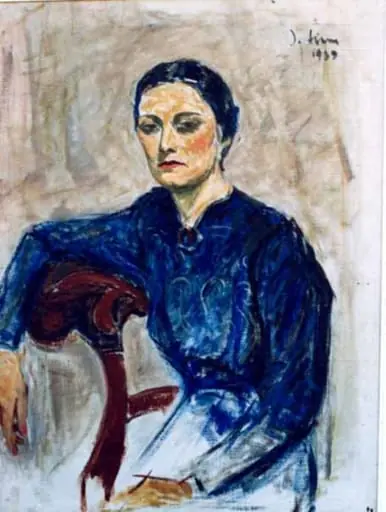
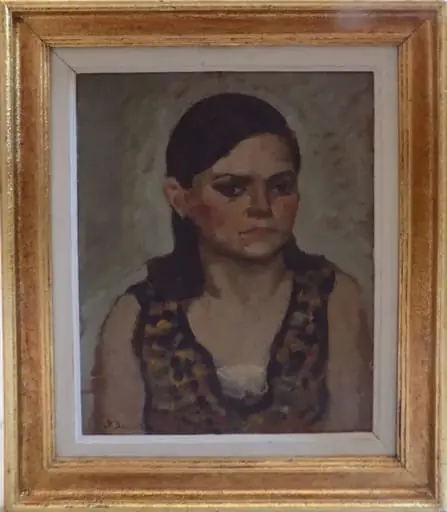
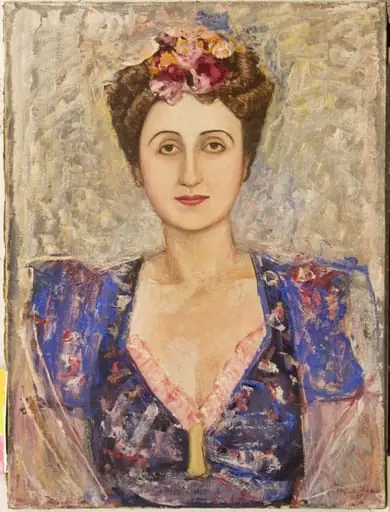
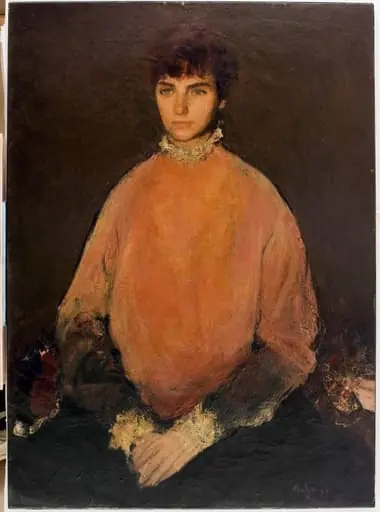
Portretul Irinei C.
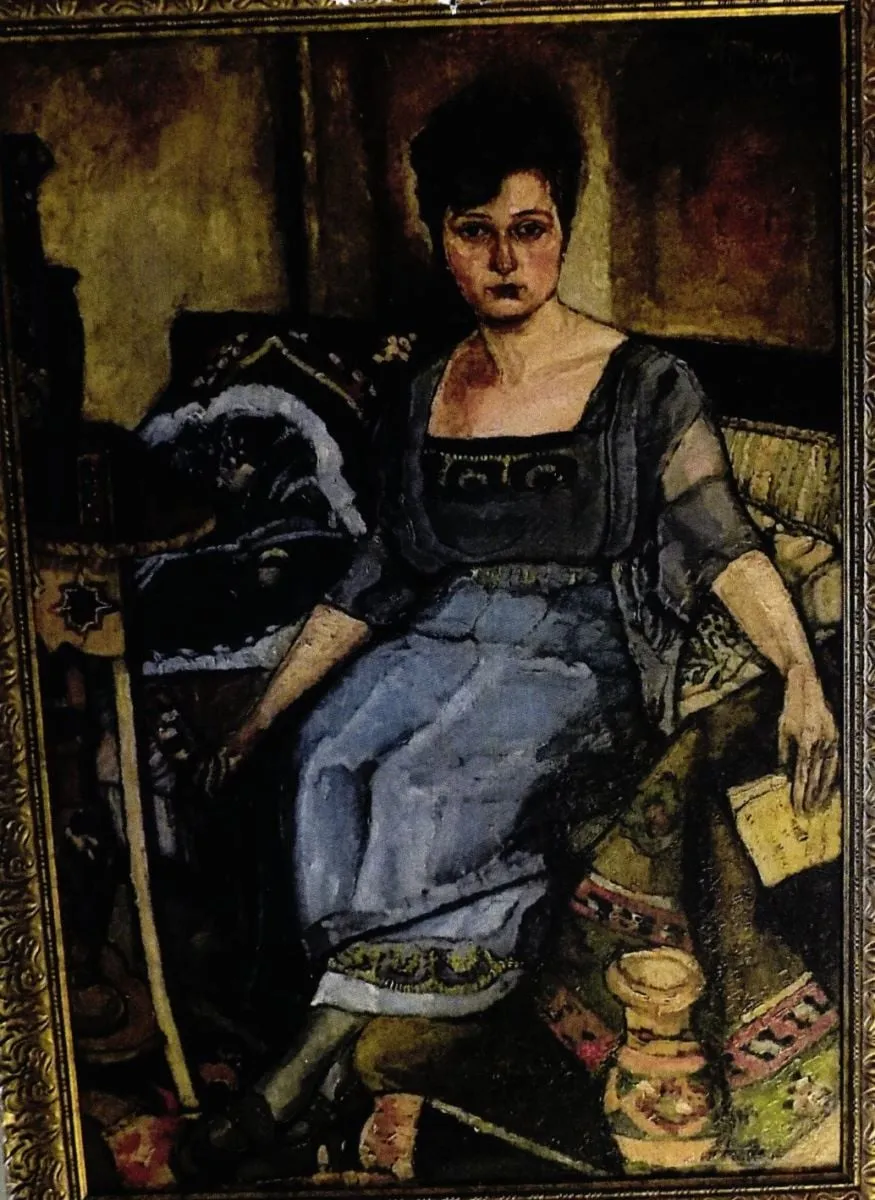
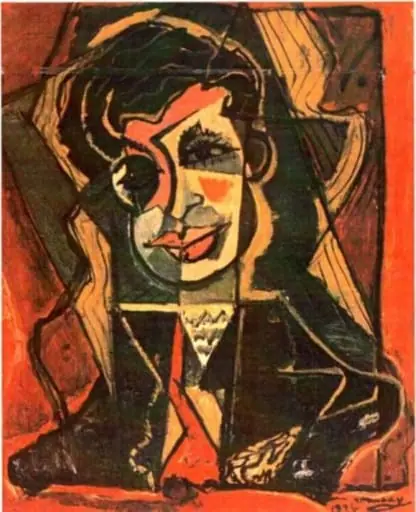
Portretul Irinei C. is a print by Max Hermann Maxy. It dates from 1920 and is held in the collection of the Bucharest Municipality Museum.
About this work
Overview
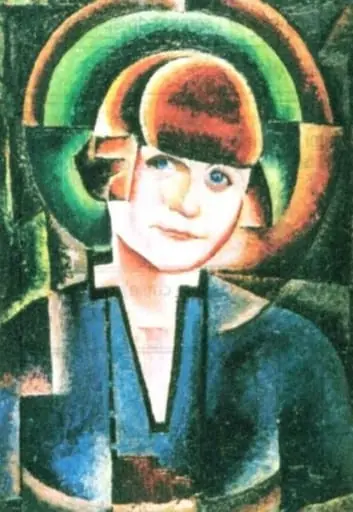
Painted in 1920 by Max Hermann Maxy, this portrait captures a woman named Irina C. in a quiet, contemplative pose. The work is part of the collection at the Museum of Ethnography. Rendered in oil, it emphasizes psychological presence over narrative detail, using restrained color and strong tonal contrasts to focus attention on the subject’s demeanor and posture.
Subject & Meaning
Her direct gaze and neutral expression suggest an inward focus, possibly reflecting intellectual engagement or emotional reserve.
The sitter, identified as Irina C., is depicted seated with composure, holding a book or document in her left hand. Her direct gaze and neutral expression suggest an inward focus, possibly reflecting intellectual engagement or emotional reserve. The absence of decorative elements or contextual clues invites interpretation centered on individuality rather than social role, aligning with early 20th-century interests in psychological portraiture.
Technique & Style
Maxy employs chiaroscuro to model the figure against a deep, muted background, enhancing the three-dimensionality of the face and hands. The dark dress contrasts with subtle hints of yellow and brown in the background, creating a restrained tonal harmony. Brushwork is deliberate but not ornate, favoring solidity over texture, and the short bob hairstyle and square neckline reflect contemporary early modernist aesthetics in dress and form.
History & Provenance
The painting entered the Museum of Ethnography’s collection following its creation in 1920. While specific details of its early ownership are not widely documented, its inclusion in an ethnographic institution suggests an interest in representing cultural types or individual identities within broader societal frameworks of the time, rather than as a private commission.
Context
Created in the aftermath of World War I, the portrait reflects a broader European trend toward introspective portraiture, moving away from grandeur toward psychological realism. Maxy, influenced by Central European modernism, often fused expressive form with emotional restraint. This work aligns with contemporaneous efforts to capture inner life through simplified composition and controlled lighting.
Legacy
Though not among Maxy’s most widely exhibited works, the portrait contributes to understanding his approach to human representation during his formative years. Its presence in an ethnographic museum underscores its role as a document of individual identity within a period of shifting cultural and artistic values, offering insight into how modernist painters engaged with ordinary subjects.
Artist & collection

Artist
Max Hermann Maxy was a Romanian painter, art professor, scenographer, and professor of German-Jewish descent.