Artwork
René de Longueil
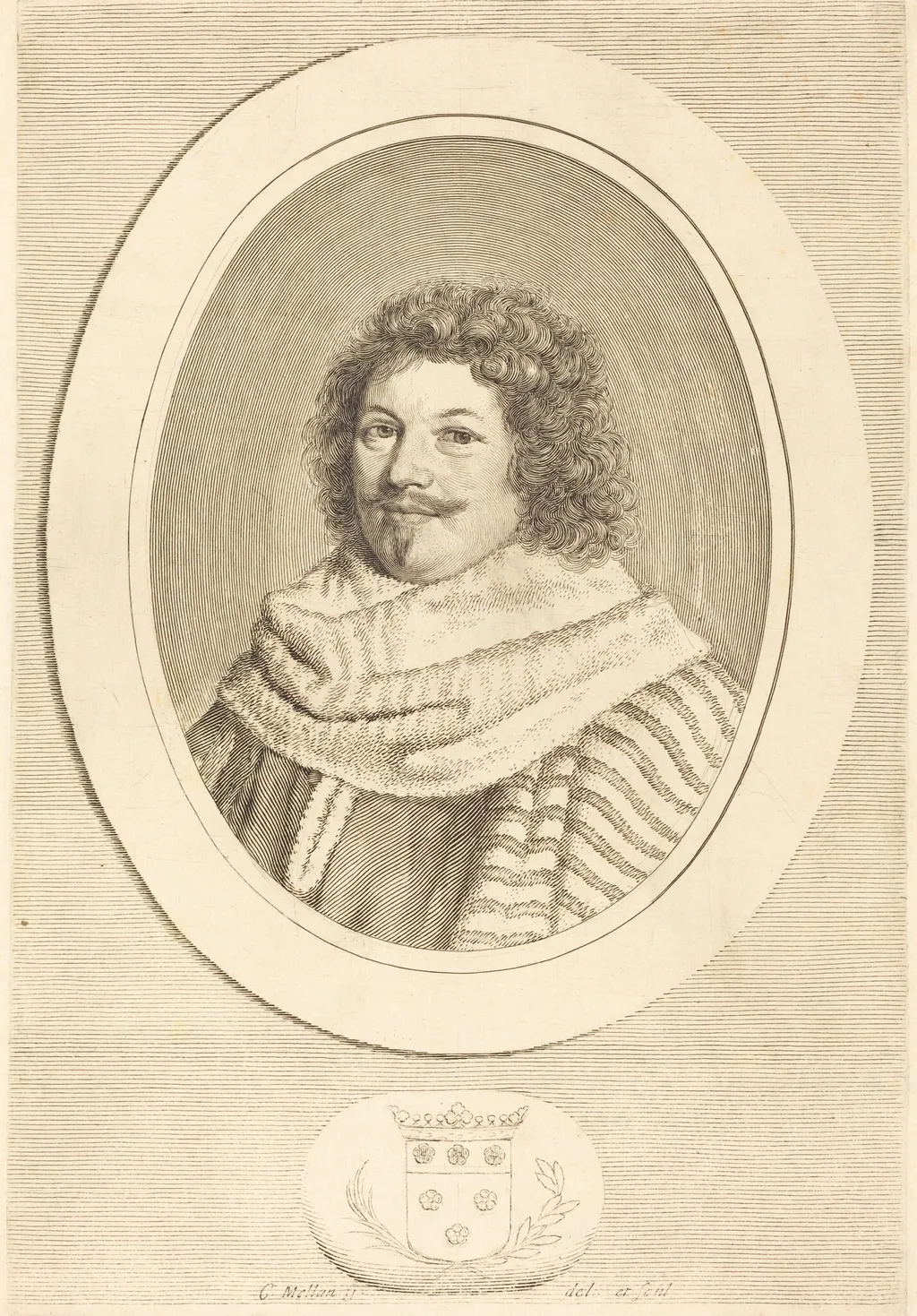
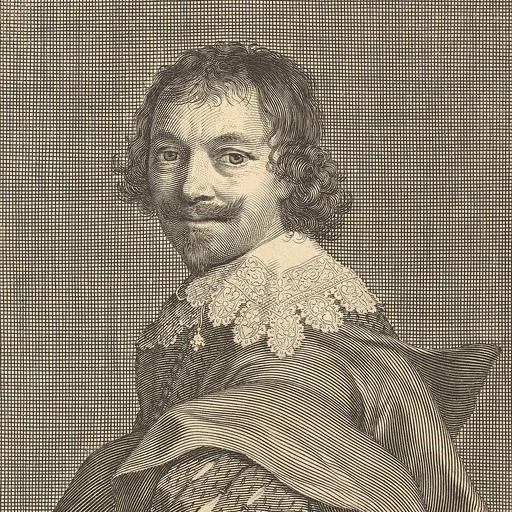
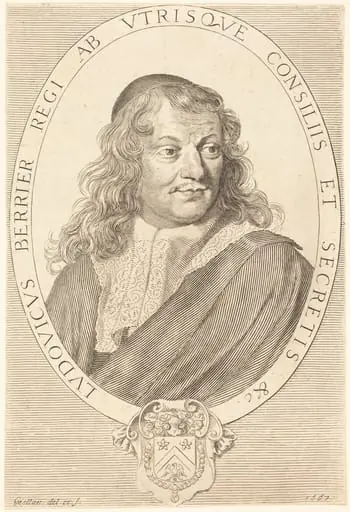
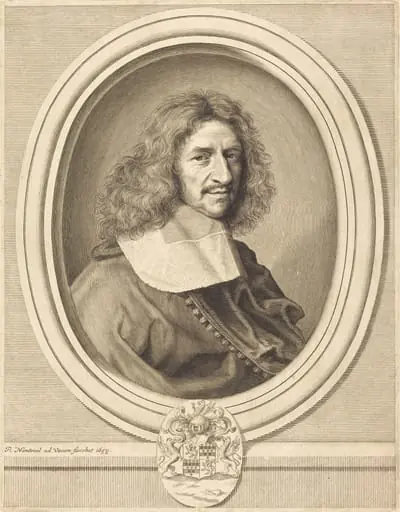
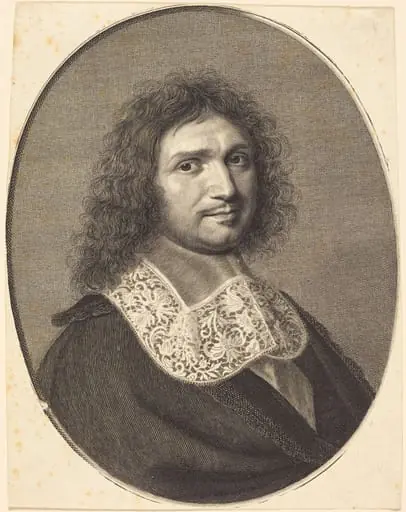
René de Longueil is an ink print by the Renaissance artist Claude Mellan. It dates from 1643 and is held in the collection of the National Gallery of Art.
About this work
Overview
Executed in black ink on laid paper, the portrait is rendered entirely in monochrome, emphasizing tonal gradation through fine line work.
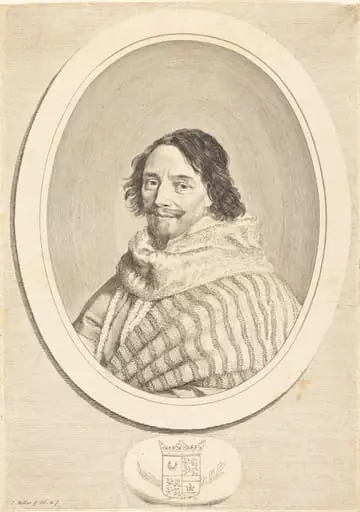
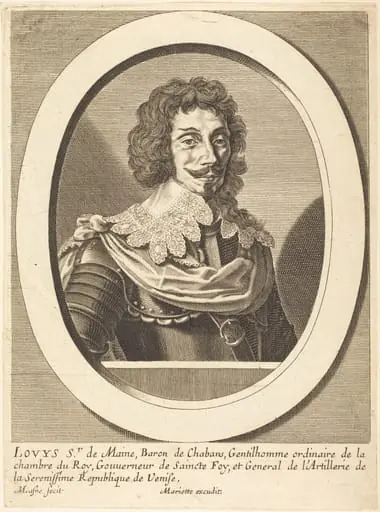
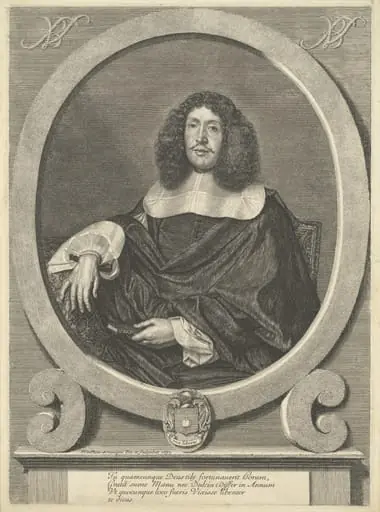
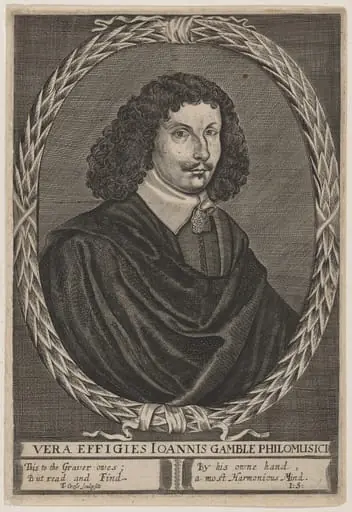
This 1643 engraving by Claude Mellan depicts René de Longueil, a French nobleman and administrator. Executed in black ink on laid paper, the portrait is rendered entirely in monochrome, emphasizing tonal gradation through fine line work. The image is contained within a soft oval frame, a common compositional choice for formal portraiture of the period, focusing attention on the sitter’s facial features and attire.
Subject & Meaning
René de Longueil was a prominent figure in the French royal court, serving as a treasurer and advisor. The portrait conveys his status through restrained elegance: the high collar and precise grooming suggest dignity and refinement. The inclusion of a small coat of arms beneath his chin reinforces his noble lineage, while the absence of elaborate background or symbols keeps the focus on personal identity rather than political power.
Technique & Style
Mellan employed engraving, a method involving incised lines on a metal plate, to create this portrait. He used cross-hatching—overlapping sets of fine parallel lines—to model form and suggest texture, particularly in the fabric of the collar and the contours of the face. The absence of tone or color relies entirely on the density and direction of ink lines to convey volume and light, demonstrating exceptional control over the medium.
History & Provenance
Created in 1643, the engraving was likely produced as a standalone portrait or for inclusion in a collection of notable figures. It was widely circulated among aristocratic circles, serving both as a likeness and a token of social connection. Early copies are held in major European print rooms, and the work has remained in institutional collections since the 18th century, with no known private ownership during its early circulation.
Context
In mid-17th century France, engraved portraits were valued as accurate, reproducible likenesses for the elite. Unlike painted portraits, engravings could be distributed widely, making them ideal for documenting courtiers and officials. Mellan’s technical precision aligned with the era’s growing interest in naturalism and individual representation, reflecting broader trends in French portraiture beyond the grandeur of royal commissions.
Legacy
Mellan’s portrait of René de Longueil is recognized for its refined use of line to achieve lifelike presence without color or shading. It exemplifies the height of French engraving before the rise of etching and mezzotint. Though not widely reproduced today, it remains a key reference in studies of 17th-century printmaking, illustrating how subtle linear variation could convey both character and social standing.
Artist & collection