Artwork
Singing angels (after The Ghent Altarpiece)
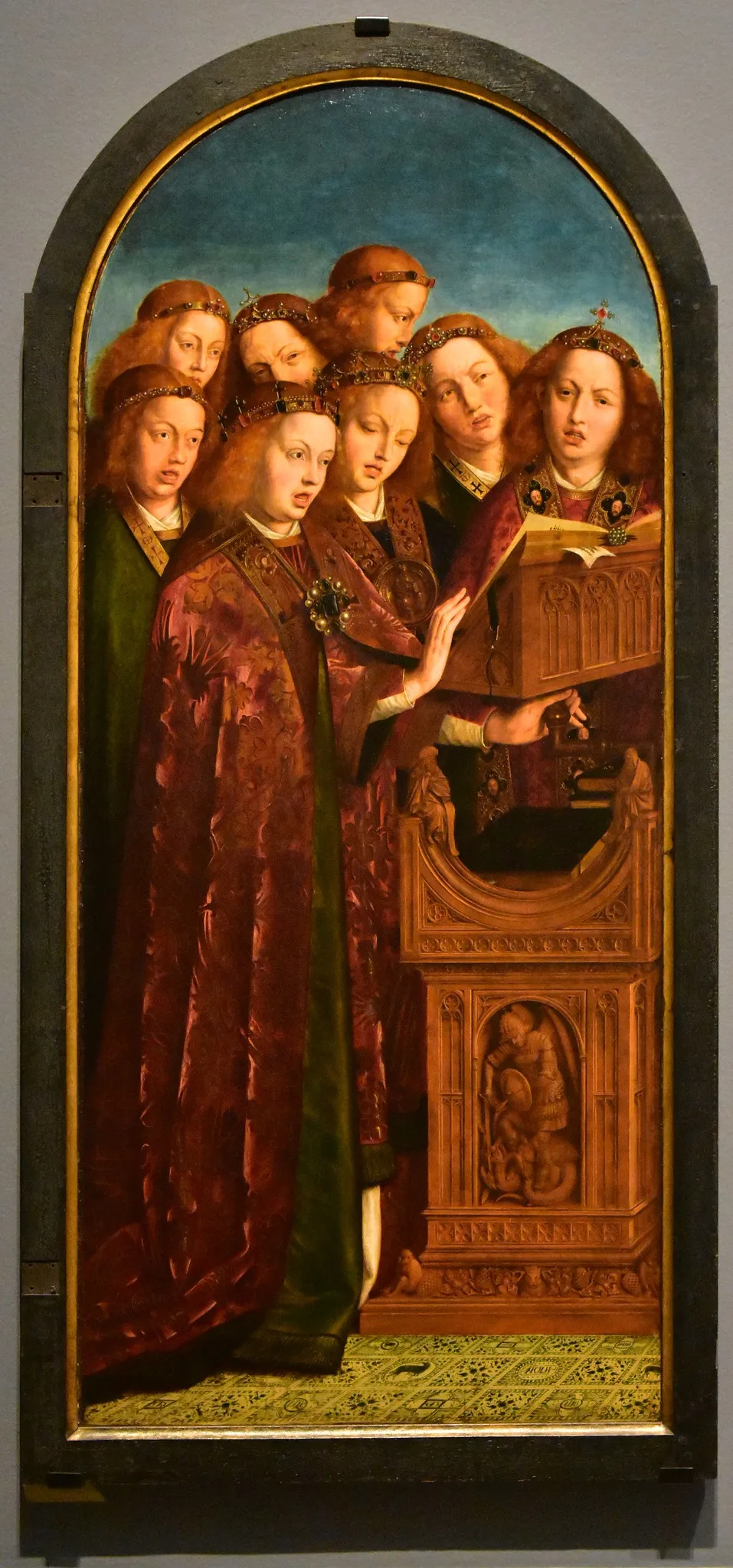
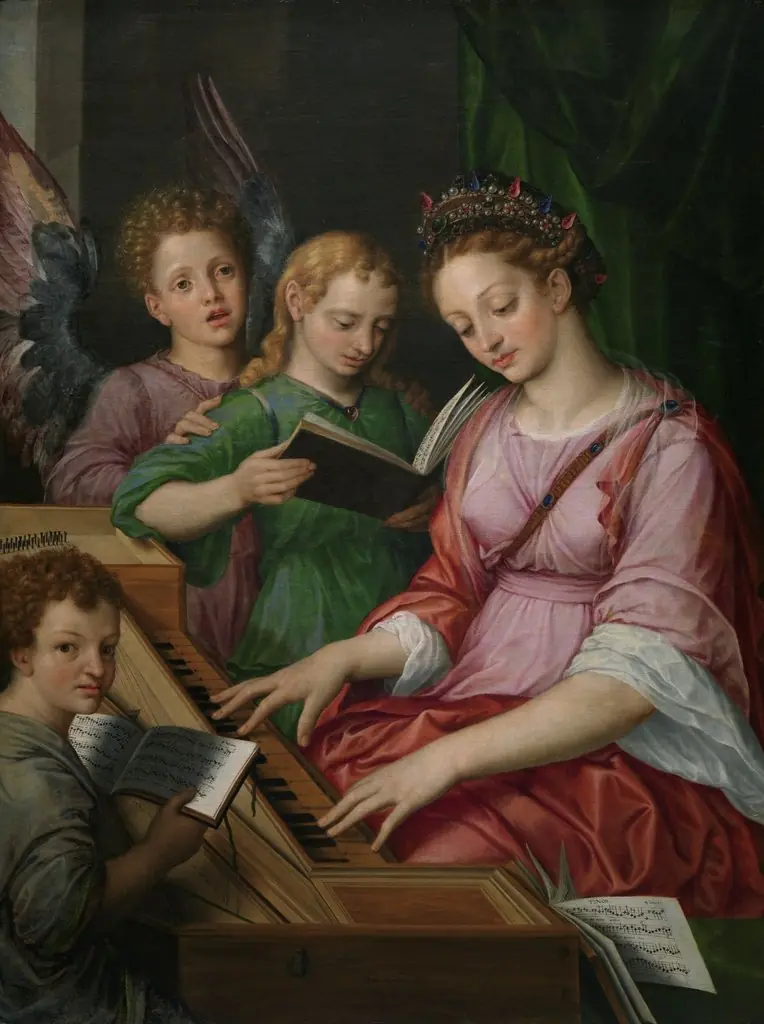
Singing angels (after The Ghent Altarpiece) is an oil painting by the Northern Renaissance artist Michiel Coxie. It dates from 1557 and is held in the collection of the Royal Museums of Fine Arts of Belgium.
About this work
Overview
Michiel Coxie the Elder painted *Singing Angels* in 1557 using oil on panel, adapting a section of the Ghent Altarpiece by the Van Eyck brothers.
Michiel Coxie the Elder painted *Singing Angels* in 1557 using oil on panel, adapting a section of the Ghent Altarpiece by the Van Eyck brothers. A Flemish artist trained in Italy, Coxie synthesized Northern detail with Italian compositional clarity. This work exemplifies his role as a court painter to Charles V and Philip II, blending devotional imagery with refined technique. It remains part of the Royal Museums of Fine Arts of Belgium’s collection.
Subject & Meaning
The painting portrays a choir of angels gathered before a carved wooden structure, suggesting a celestial liturgy. One angel holds an open book, possibly a psalter, reinforcing the theme of divine song. Their serene expressions and crowned heads convey heavenly order and sacred harmony. The scene draws from the Adoration of the Lamb in the Ghent Altarpiece, transforming its grandeur into an intimate vision of angelic worship.
Technique & Style
Coxie employed fine brushwork to render the intricate folds of the angels’ robes and the delicate carvings of the architectural backdrop. Warm tones in the garments contrast with the cool, muted blue background, enhancing spatial depth. The style merges Flemish precision in texture with Italianate balance in composition, reflecting Coxie’s exposure to Renaissance ideals during his time in Rome.
History & Provenance
Commissioned as a devotional panel, the painting was likely created for private or ecclesiastical use in the mid-16th century. Coxie’s reputation as a court painter ensured its preservation within elite collections. It entered the Royal Museums of Fine Arts of Belgium in the 19th century, where it remains today as part of a broader effort to document Flemish artistic heritage.
Context
In the decades following the Reformation, religious imagery in the Low Countries shifted toward controlled, harmonious compositions that avoided overt controversy. Coxie’s adaptation of the Ghent Altarpiece aligned with this trend, offering a devotional image that honored tradition while conforming to emerging Counter-Reformation sensibilities.
Legacy
Coxie’s work helped bridge the Northern Renaissance and early Mannerism, influencing later Flemish painters through his synthesis of Italian and local styles. Though less widely known than the Van Eycks, his reinterpretations of major altarpieces preserved their visual language for new generations, ensuring their continued relevance in a changing religious landscape.
Artist & collection
Artist
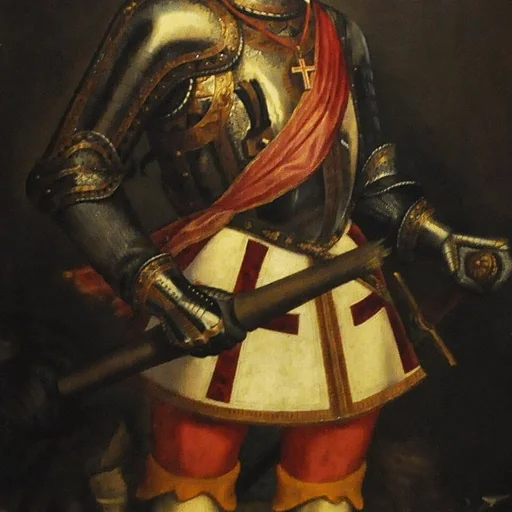
Michiel Coxie the Elder, Michiel Coxcie the Elder or Michiel van Coxcie, Latinised name Coxius (1499 – 3 March 1592), was a Flemish painter of altarpieces and portraits, a draughtsman and a designer of stained-glass windows, tapestries and…

Museum
Royal Museums of Fine Arts of Belgium
Continue through works from the same source collection.
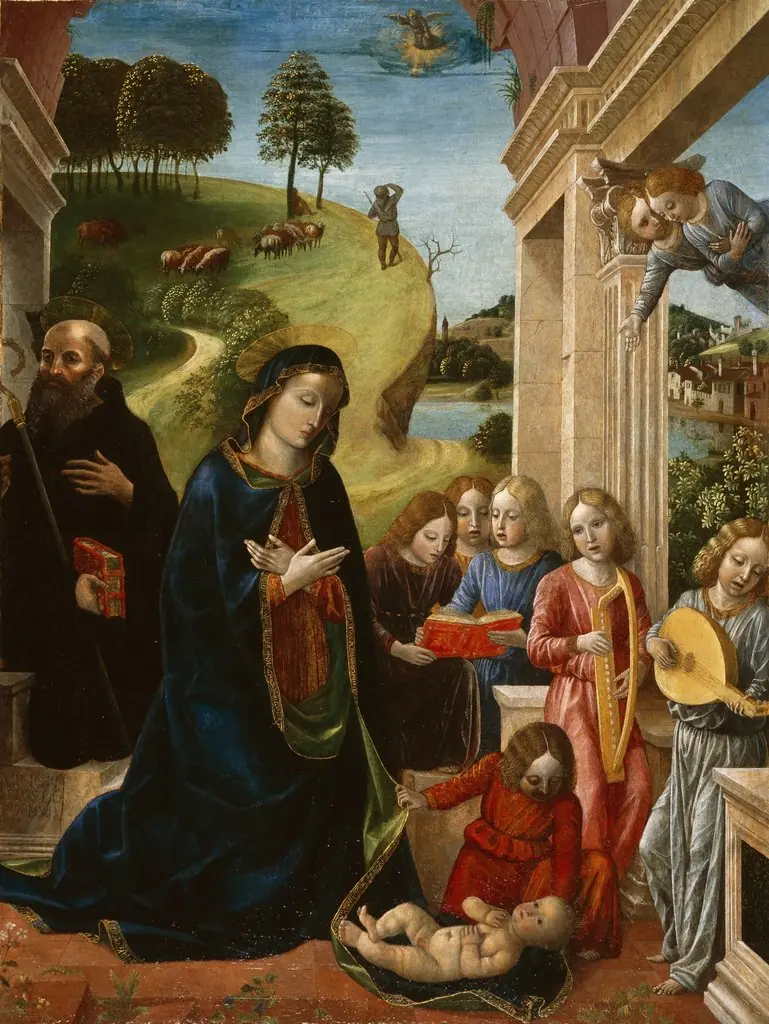 Adoration of the Child with St. Benedict and Angels
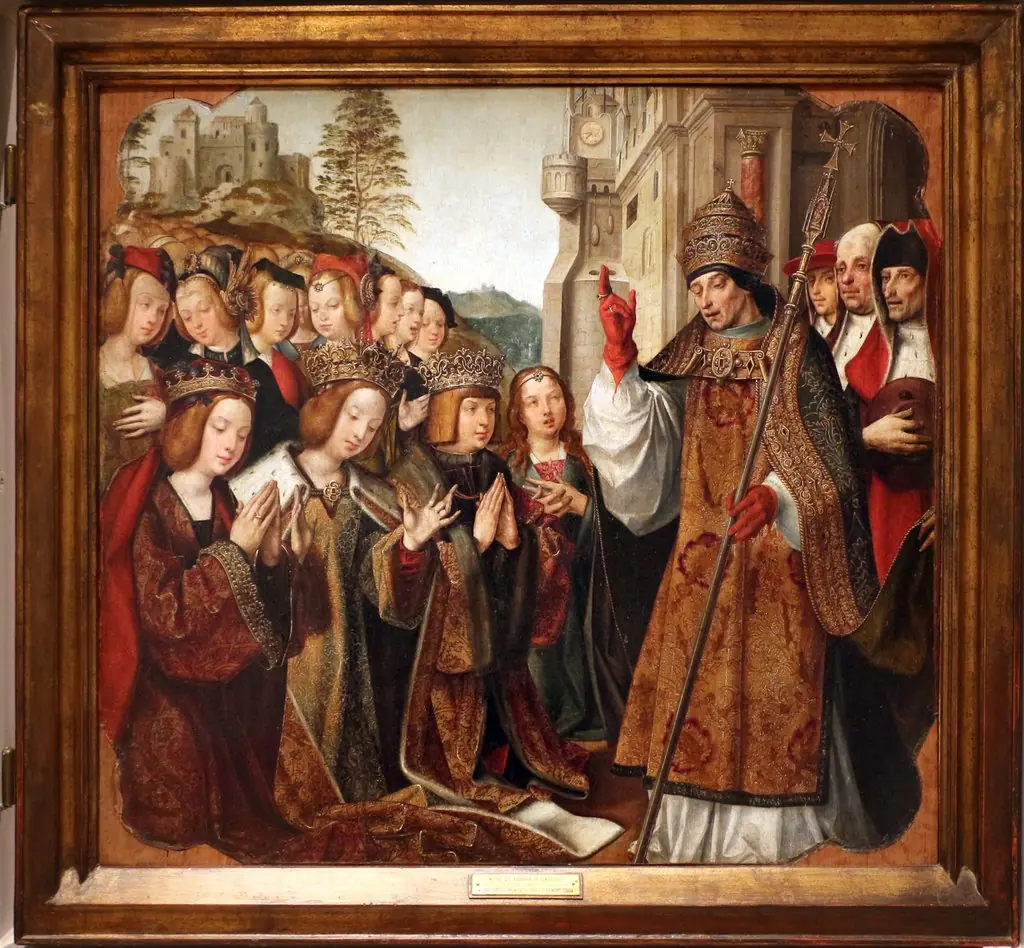 Blessing of Saint Auta by Pope Siricius
 The Annunciation
 Virgin and Child, Saints and Angels
 Justice of Emperor Otto III: The Trial by Fire
 Virgin with Angels Playing Musical Instruments
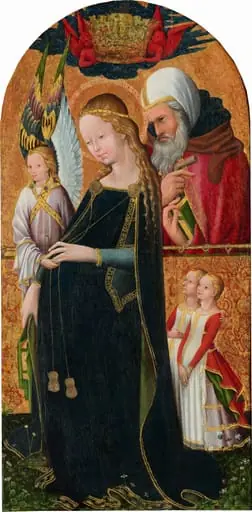 The Expectant Madonna with Saint Joseph
 Christ's Bath
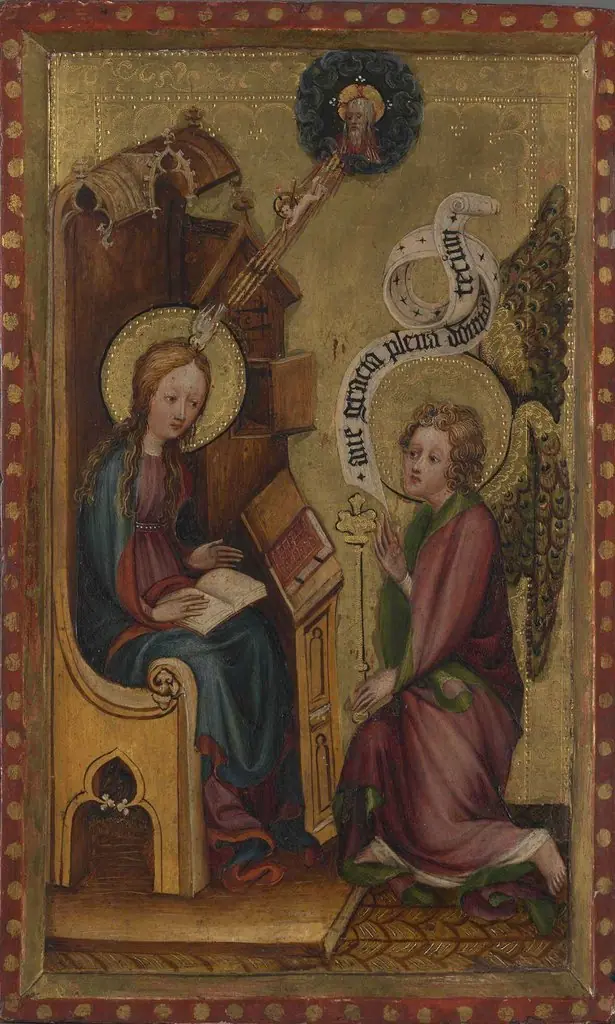 Die Verkündigung an Maria Rückseite: Teil einer Anbetung der Könige
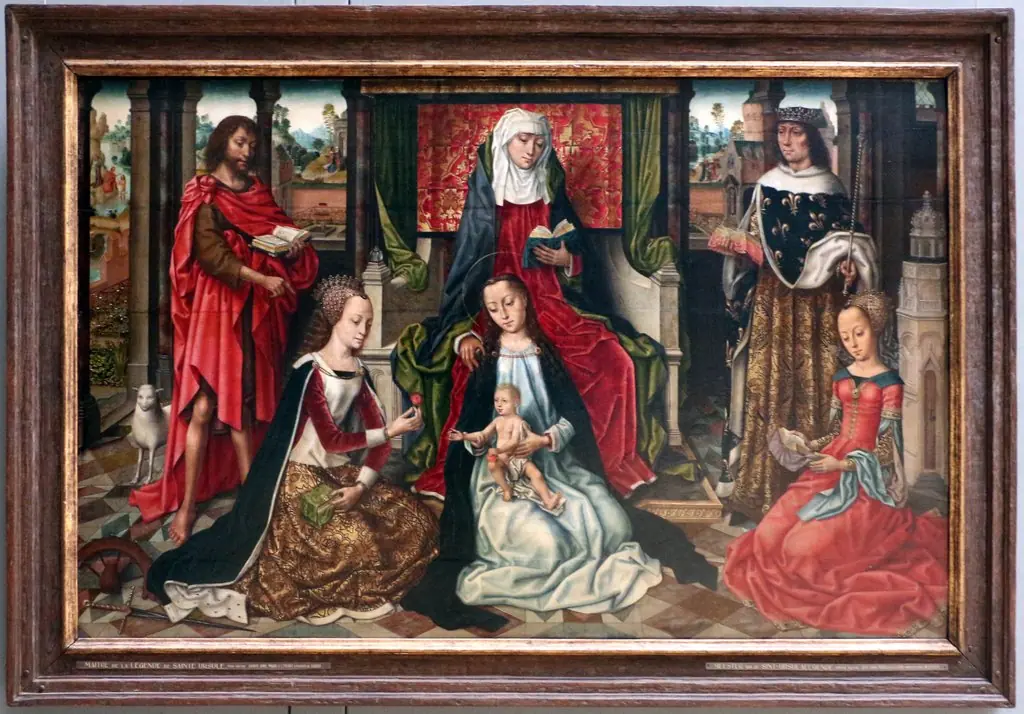 Saint Anne with the Virgin and Child and four saints (John the Baptist, Louis IX, Catherine and Barbara)