Artwork
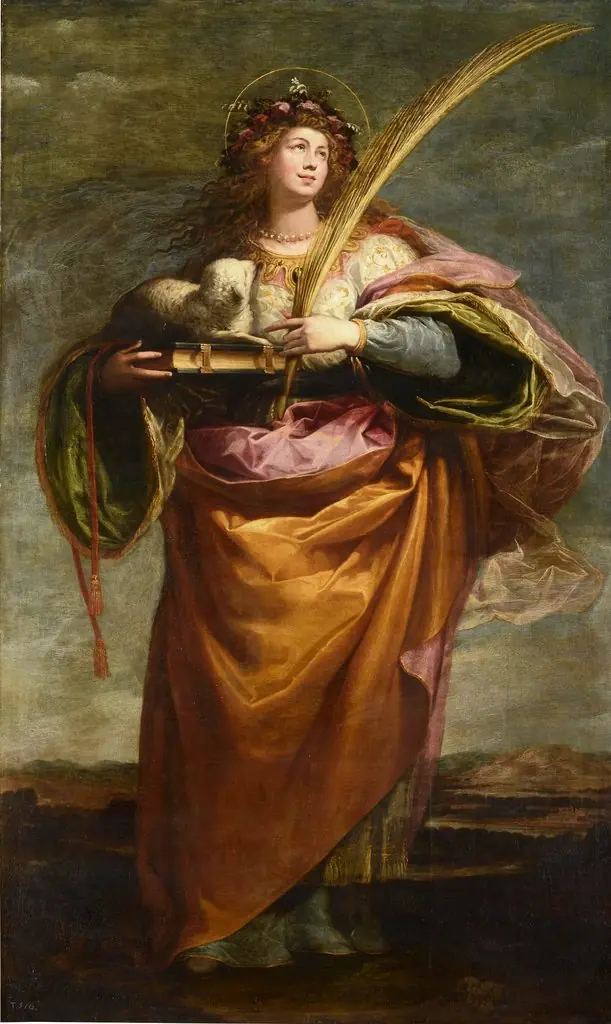
St Agnes
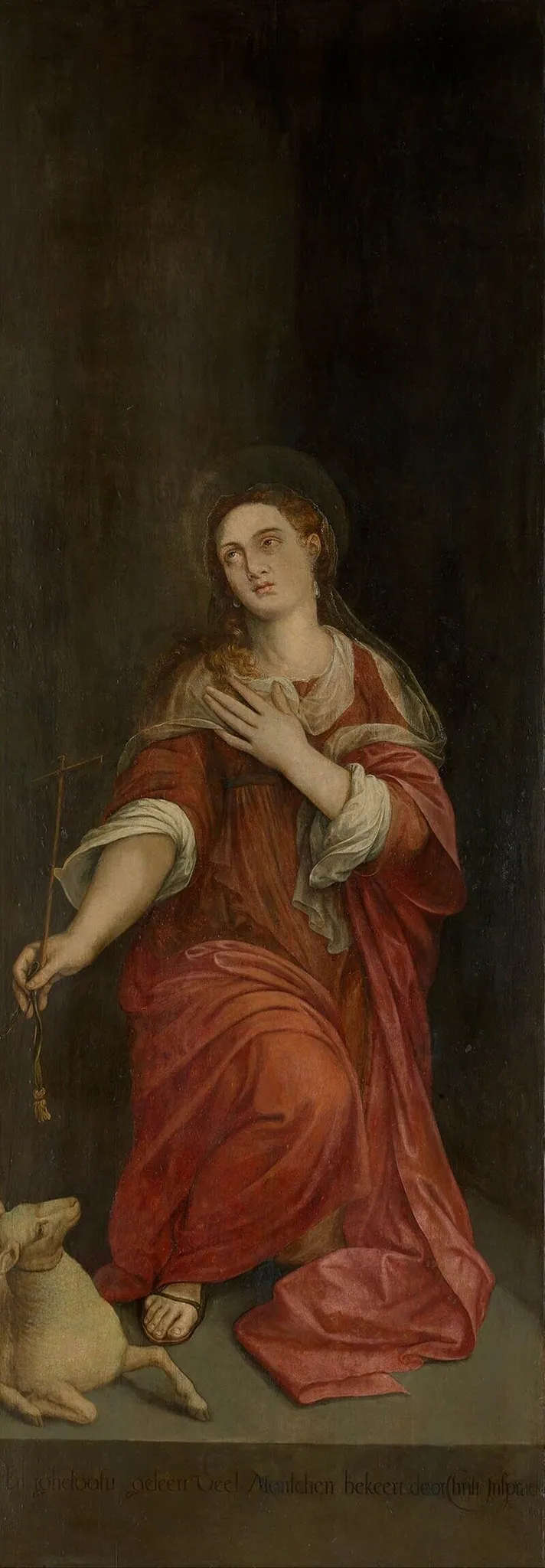
St Agnes is an oil painting by the Early Baroque Italian artist Michiel Coxie. It dates from 1571 and is held in the collection of the Royal Museum of Fine Arts Antwerp.
About this work
Overview
The painting is part of the Royal Museum of Fine Arts Antwerp’s collection, reflecting its significance in Northern European religious art of the period.
Michiel Coxie the Elder completed *St Agnes* in 1571 using oil on panel. A Flemish painter active in the mid-to-late 16th century, Coxie was known for his religious and portrait works, and held positions as court artist to Emperor Charles V and King Philip II of Spain. The painting is part of the Royal Museum of Fine Arts Antwerp’s collection, reflecting its significance in Northern European religious art of the period.
Subject & Meaning
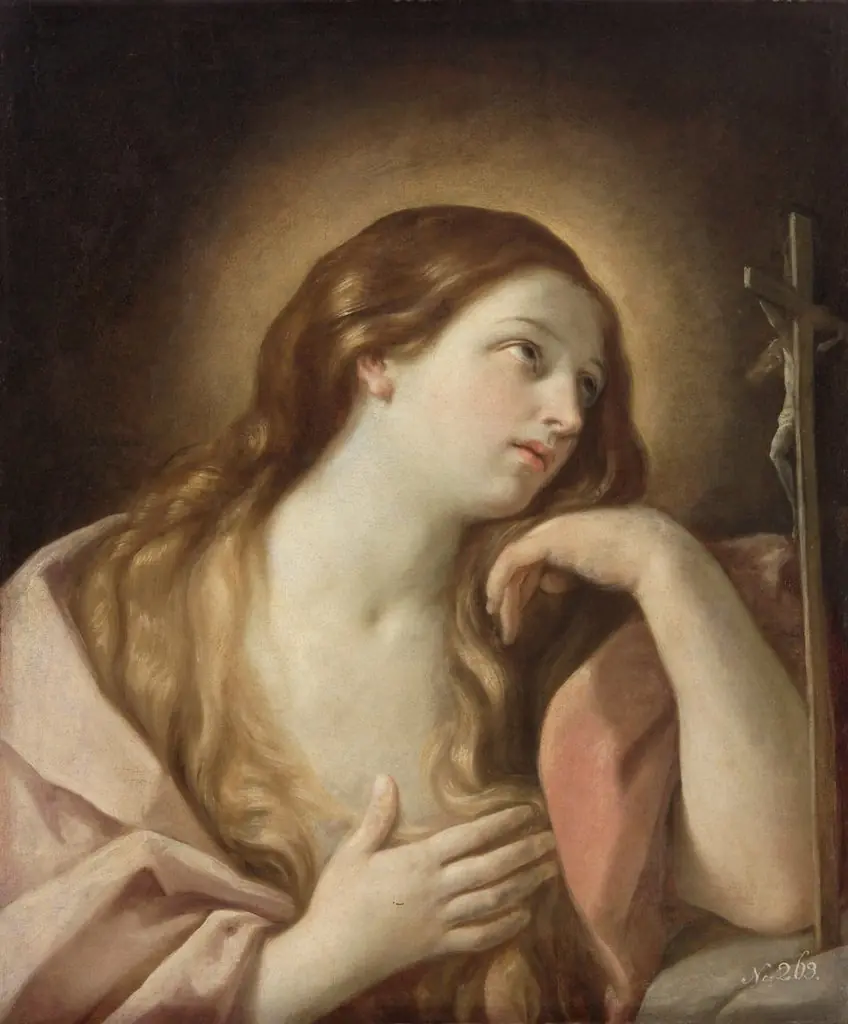
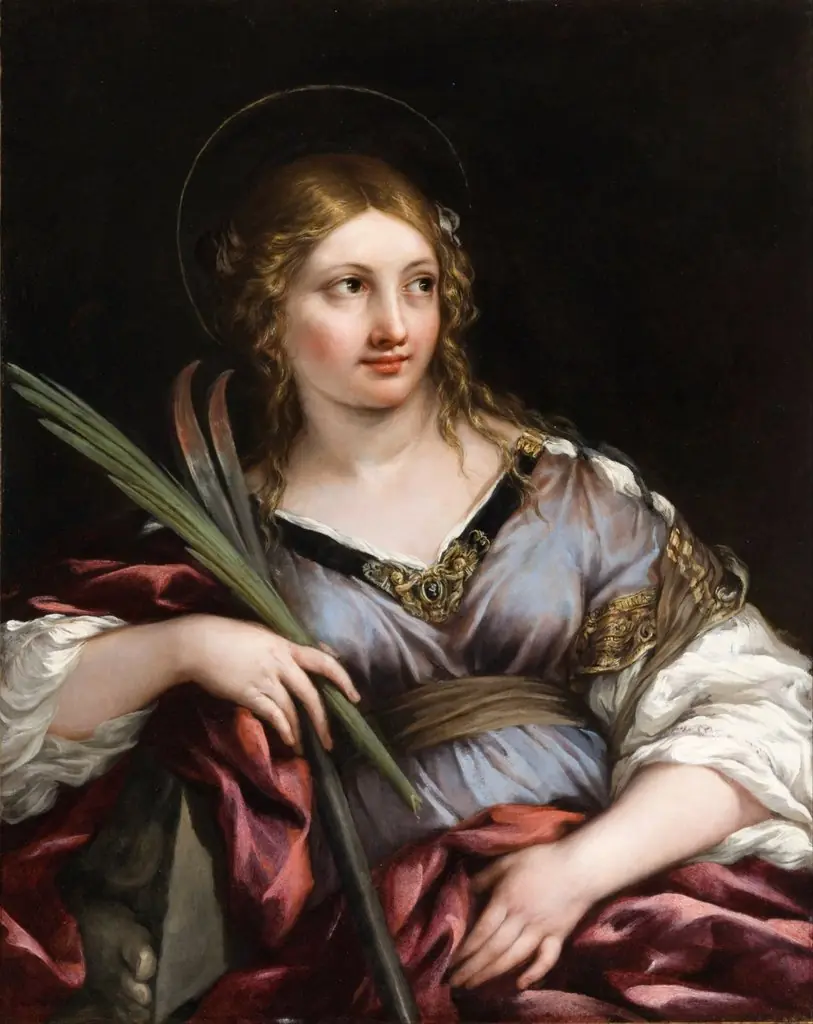
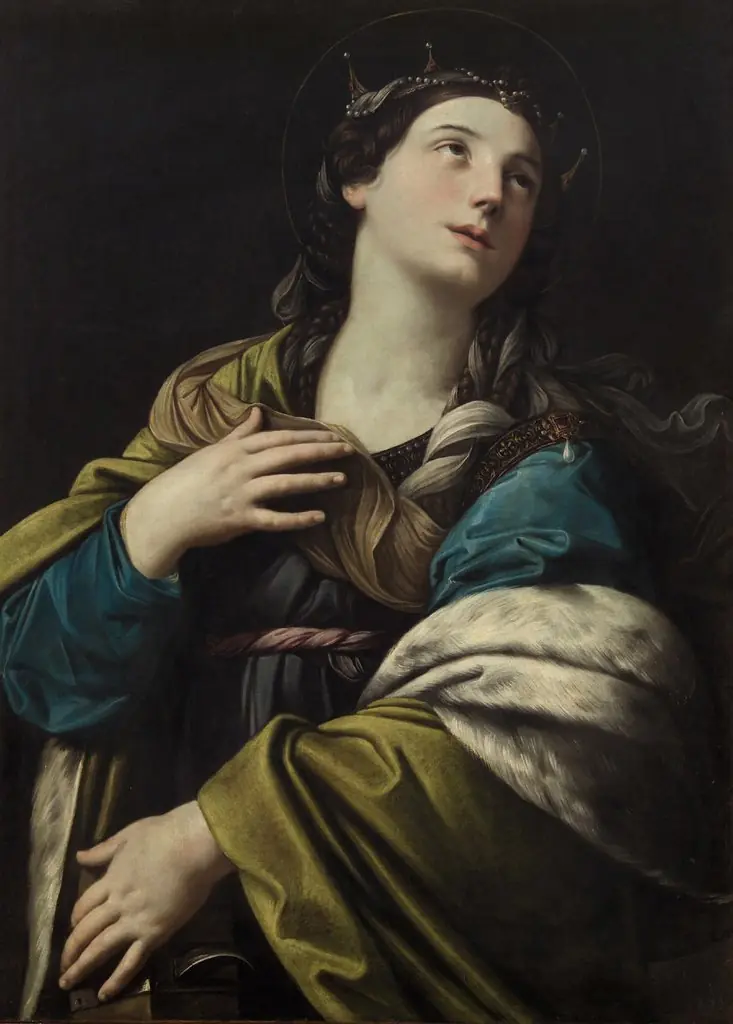
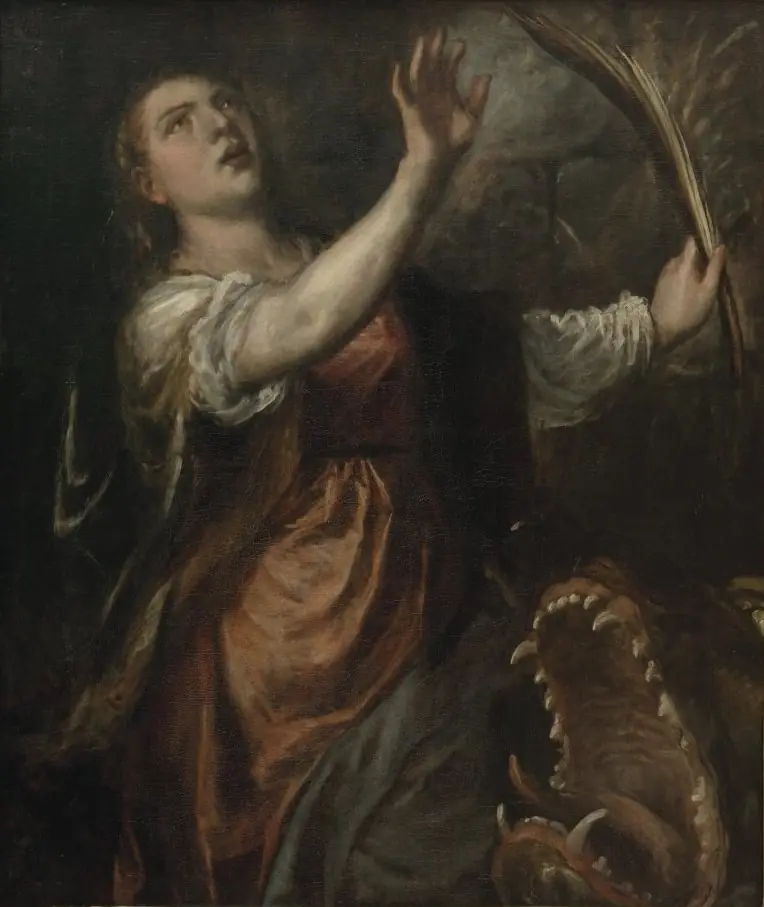
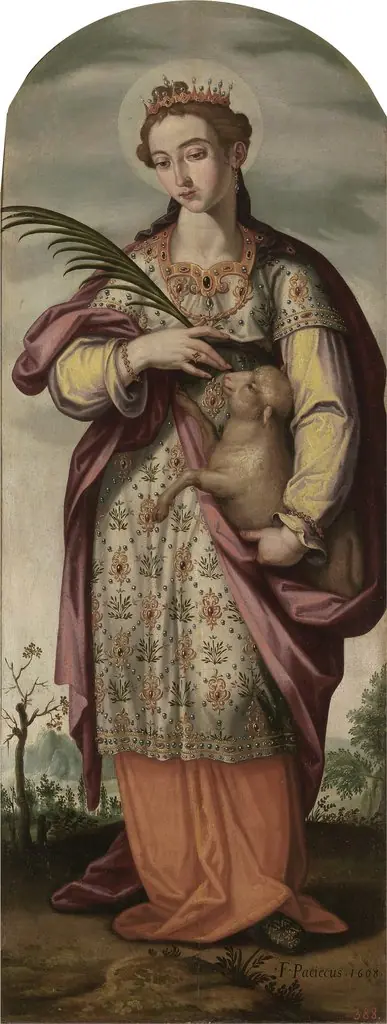
The painting depicts Saint Agnes, a Christian martyr traditionally associated with purity and innocence. She is shown wearing a red robe with white detailing, holding a cross in her right hand, while a lamb rests at her feet—the lamb symbolizing her virtue and sacrificial death. The composition emphasizes her quiet resolve, aligning with hagiographic traditions that idealized female saints through symbolic attributes and serene demeanor.
Technique & Style
Coxie employs chiaroscuro to isolate the figures against a deep, shadowed background, drawing attention to the saint’s face and the lamb. The lighting models form with precision, enhancing the three-dimensionality of the figures without overt theatricality. His brushwork is controlled and detailed, reflecting his training in Italian Renaissance methods, yet retains the meticulousness characteristic of Flemish painting traditions.
History & Provenance
Commissioned during the later phase of Coxie’s career, *St Agnes* was likely intended for private devotion or ecclesiastical use. It entered the Royal Museum of Fine Arts Antwerp’s collection in the 19th century, following the consolidation of religious artworks after the dissolution of monastic institutions. Its survival through centuries of political and religious upheaval underscores its enduring cultural value.
Context
Created during the Counter-Reformation, the painting responds to the Catholic Church’s emphasis on saintly intercession and visual piety. While Coxie worked in the shadow of Italian Renaissance ideals, his style remained rooted in Northern European realism and symbolic clarity. *St Agnes* reflects a synthesis of Italian compositional harmony and Flemish attention to texture and detail.
Legacy
Though less widely known than contemporaries like Rubens, Coxie’s work influenced the development of Flemish religious painting through his integration of Italianate structure with local traditions. *St Agnes* remains a representative example of 16th-century devotional portraiture, illustrating how Northern artists adapted iconographic themes to meet both spiritual and aesthetic demands of their time.
Artist & collection
Artist
Michiel Coxie the Elder, Michiel Coxcie the Elder or Michiel van Coxcie, Latinised name Coxius (1499 – 3 March 1592), was a Flemish painter of altarpieces and portraits, a draughtsman and a designer of stained-glass windows, tapestries and…