Artwork
Joseph Vien
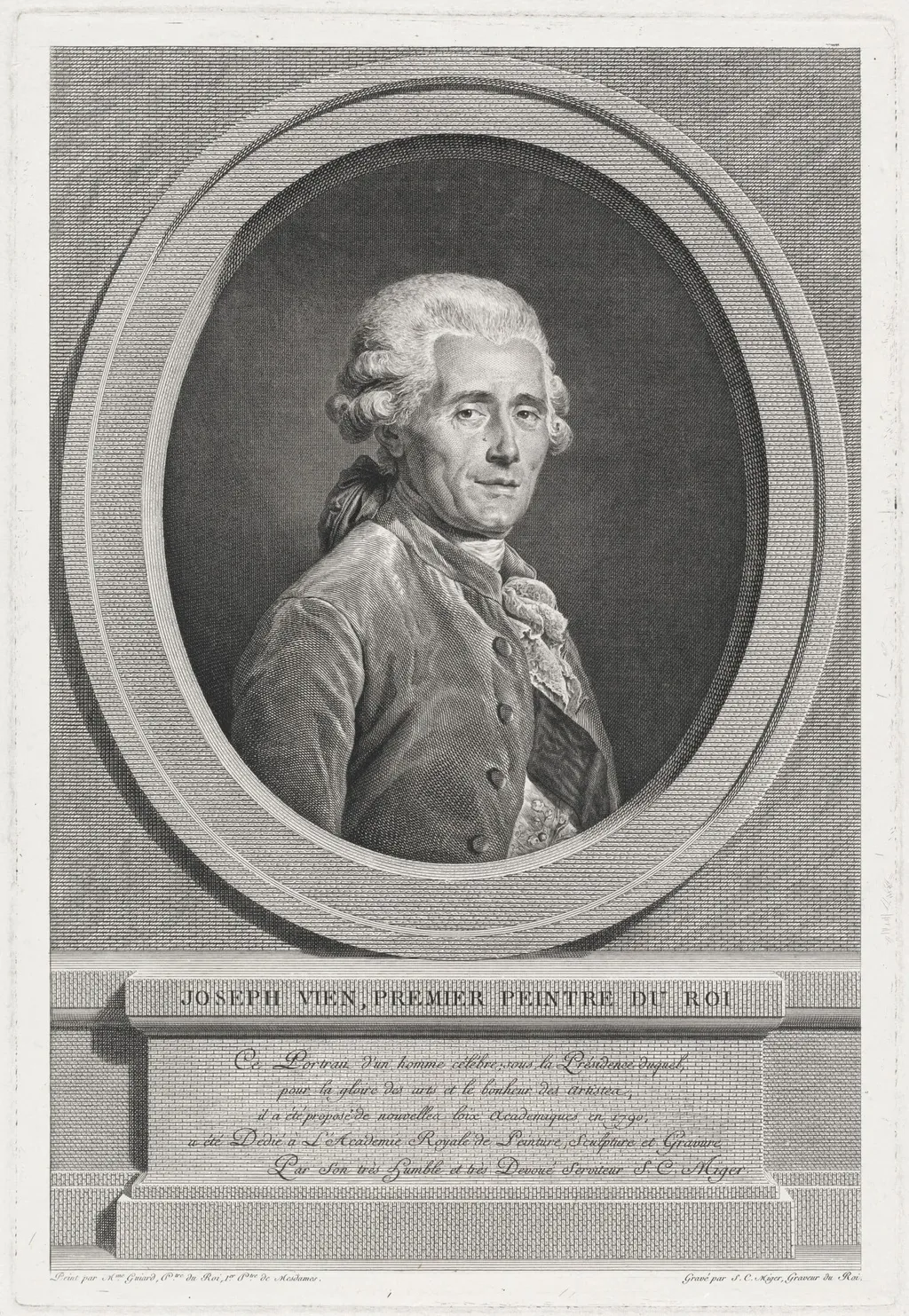
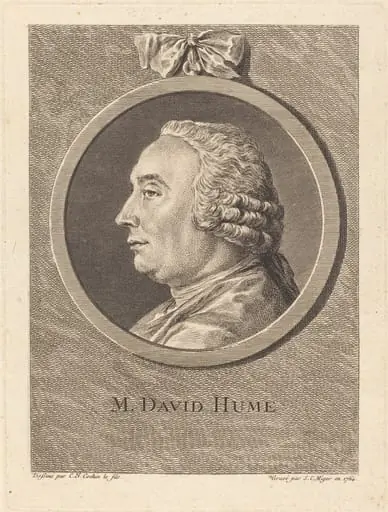
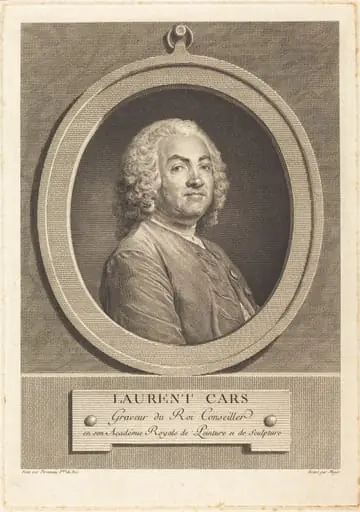
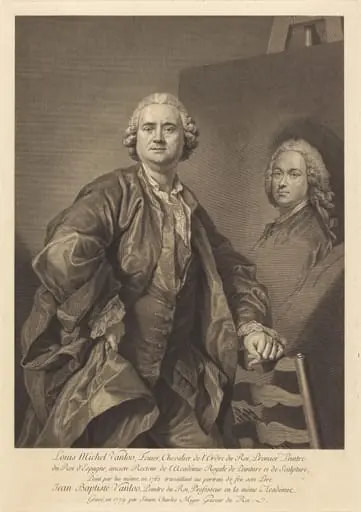
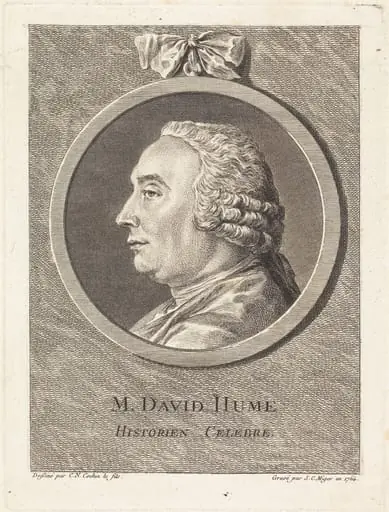
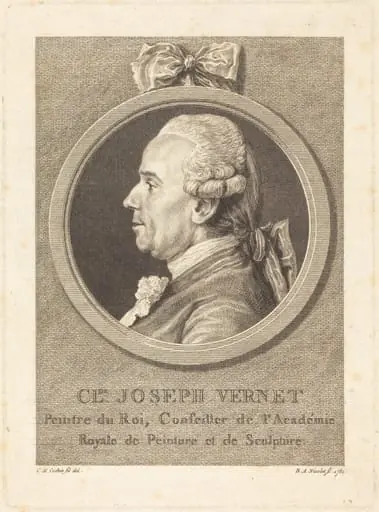
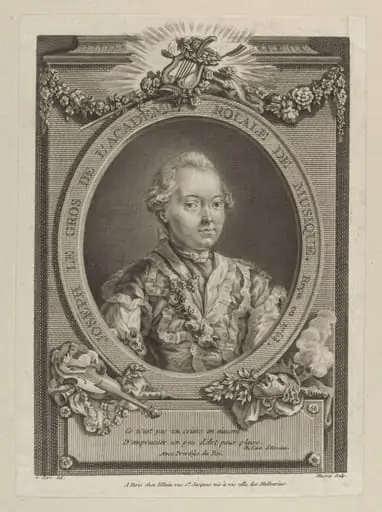
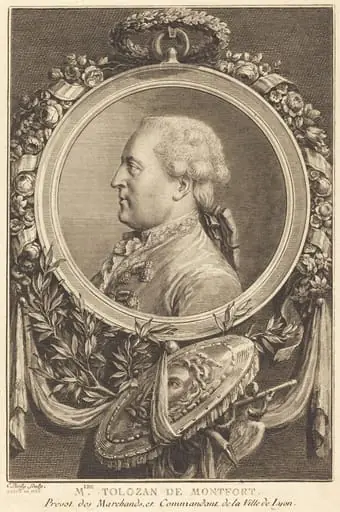
Joseph Vien is an ink print by the Romanticist artist Simon Charles Miger. It dates from 1790 and is held in the collection of the National Gallery of Art. This 1790 engraving, executed by French printmaker Simon‑Charles Miger, presents a half‑length portrait of a distinguished gentleman.
About this work
Overview
Rendered in black ink on laid paper, the image captures the sitter from the chest upward, his white hair and formal attire marking him as a figure of status.
This 1790 engraving, executed by French printmaker Simon‑Charles Miger, presents a half‑length portrait of a distinguished gentleman. Rendered in black ink on laid paper, the image captures the sitter from the chest upward, his white hair and formal attire marking him as a figure of status. The composition is framed by a deep, unlit background that isolates the subject and emphasizes the intricate line work.
Subject & Meaning
The portrait depicts an elderly man with a solemn expression, his gaze directed toward the viewer. The white hair and period costume suggest a mature individual, possibly a scholar or official, whose demeanor conveys gravitas and introspection. The work’s focus on facial detail and attire invites contemplation of the sitter’s identity and social standing within the late‑eighteenth‑century context.
Technique & Style
Miger employed traditional copper‑plate engraving, using a dense network of fine lines to model light, shadow, and texture. The contrast between the dark, featureless background and the meticulously rendered figure creates a striking chiaroscuro effect. The precision of the line work conveys the folds of the suit, the hair’s sheen, and the subtle expression, exemplifying the high level of craftsmanship characteristic of late‑Baroque French printmaking.
History & Provenance
Created in 1790, the print emerges from a period of intense political and cultural change in France, shortly after the Revolution. While the sitter’s identity remains undocumented, the work reflects Miger’s reputation as a court engraver and his engagement with portraiture for elite patrons. The piece has been preserved on laid paper, a common support for fine prints of the era, and continues to be cited in collections of eighteenth‑century French engraving.
Artist & collection