Artwork
Handscroll of Ten Homoerotic (Nanshoku) Scenes
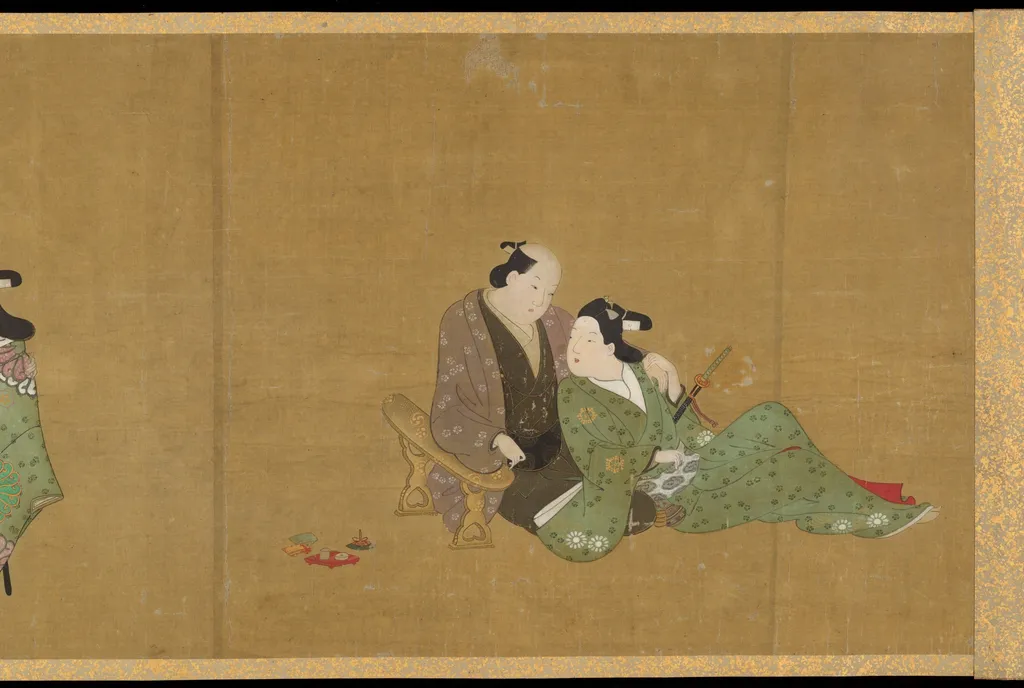
Handscroll of Ten Homoerotic (Nanshoku) Scenes is an unspecified painting by the Ukiyo-e artist Miyagawa Chōshun. It dates from 1716 and is held in the collection of the Metropolitan Museum of Art.
About this work
Overview
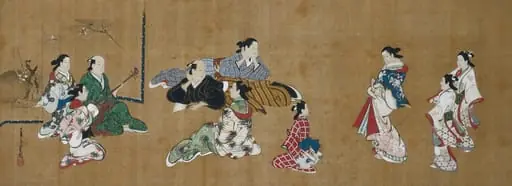
Handscroll of Ten Homoerotic (Nanshoku) Scenes, created in 1716 by Miyagawa Chōshun, is a painting housed at The Metropolitan Museum of Art. One of its depicted scenes shows a serene, intimate moment between two figures set against a warm, golden backdrop.
Subject & Meaning
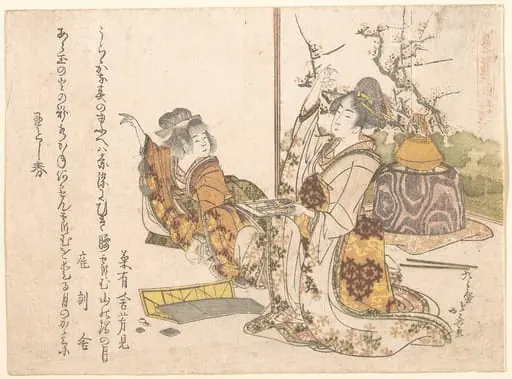
The highlighted scene portrays a tender interaction between two individuals, one in a brown robe and the other in a white-flowered green kimono. The composition conveys intimacy and quiet contemplation, with one figure resting their head on the other's lap amidst scattered personal items.
Technique & Style
While specific technical details of this handscroll are not provided, the use of a warm golden background and the arrangement of figures and objects suggest a focus on capturing emotional intimacy through carefully composed, serene visuals.
History & Provenance
The handscroll was created in 1716 by Miyagawa Chōshun. Its current location is The Metropolitan Museum of Art, though the full provenance history prior to its acquisition by the museum is not detailed here.
Context
Produced in 1716, the work reflects the nanshoku theme, a historical aspect of Japanese culture. The context of its creation and original audience are not specified, but it contributes to the understanding of homoerotic art in Japanese history.
Legacy
The legacy of 'Handscroll of Ten Homoerotic (Nanshoku) Scenes' lies in its contribution to the historical record of nanshoku art and its presence in a major museum, facilitating ongoing study and appreciation of Japanese homoerotic art traditions.
Artist & collection


 Untitled
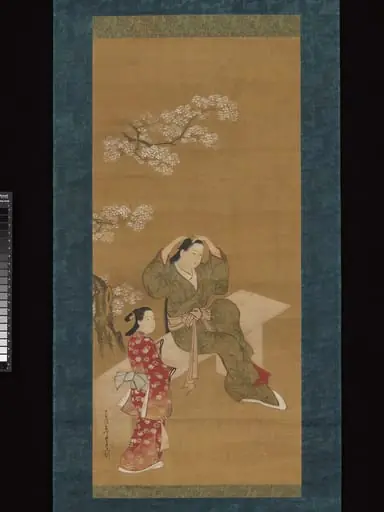
 Courtesan and Attendant
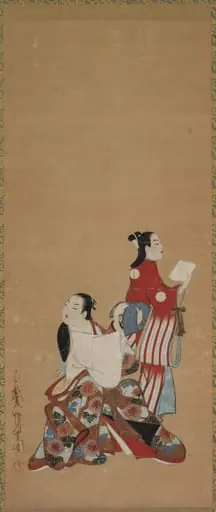 Courtesan and Attendant
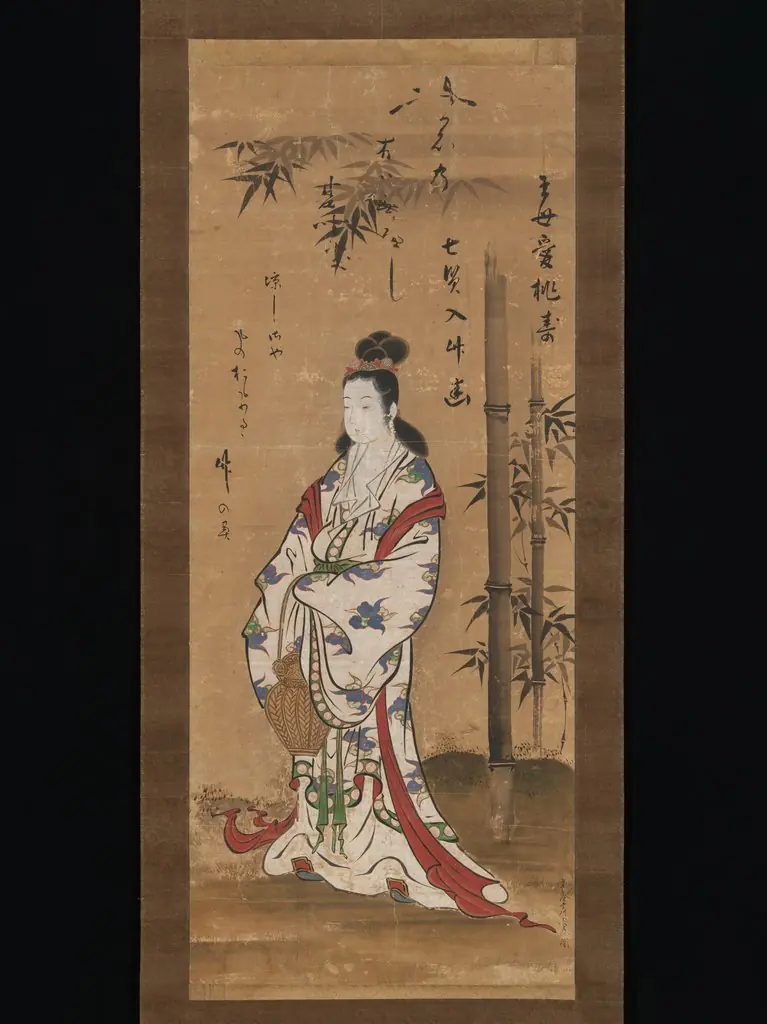
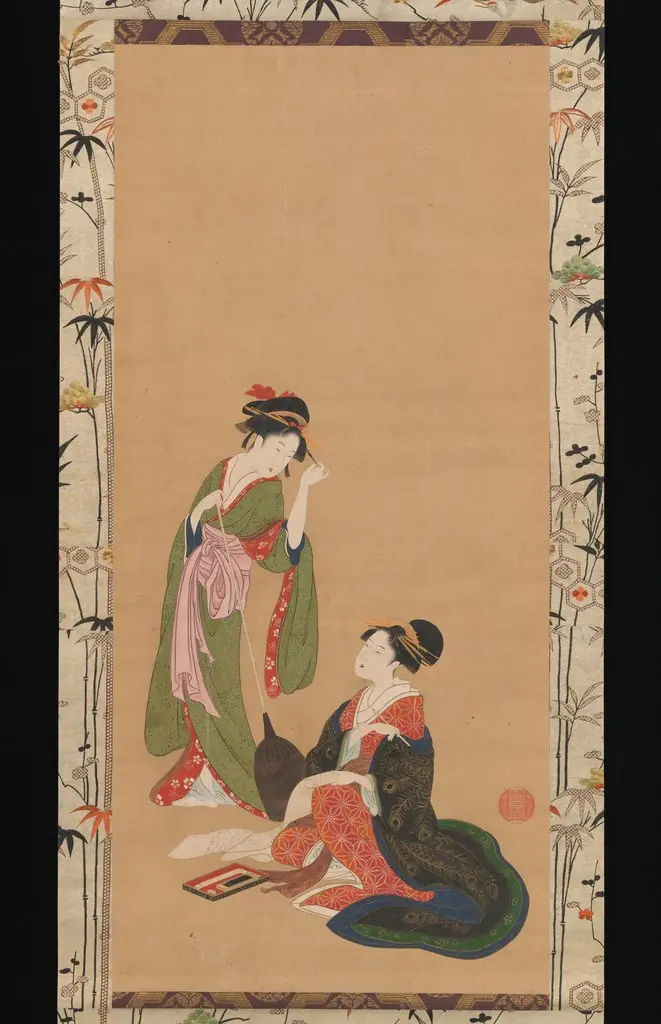 Courtesans Parodying Kanzan and Jittoku
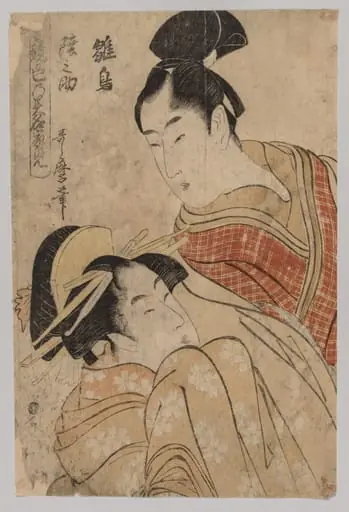 Making Love
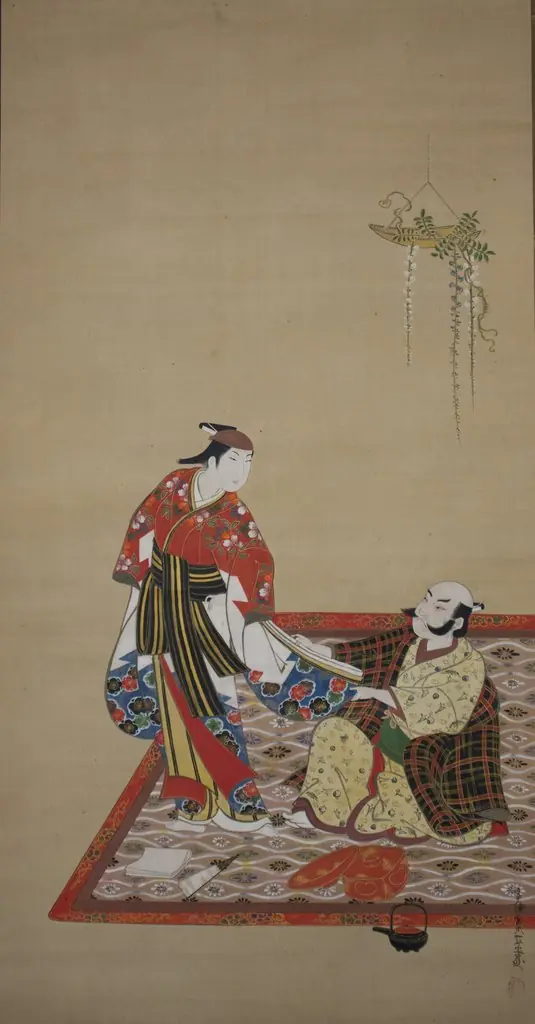 Samurai and Wakashu (Bushi to wakashu)
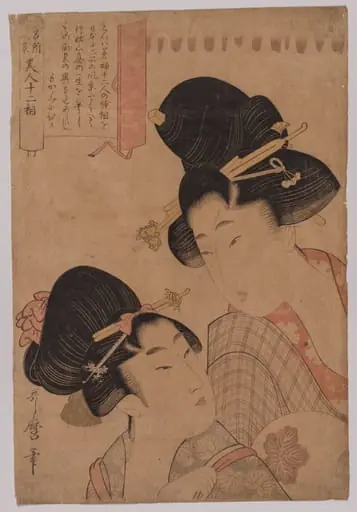 Two Courtesans
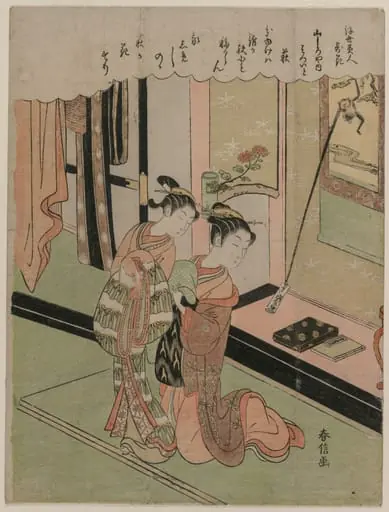 Hatsuito of the Yamashiroya Likened to Bush Clover, from Beauties of the Floating World Compared to Flowers
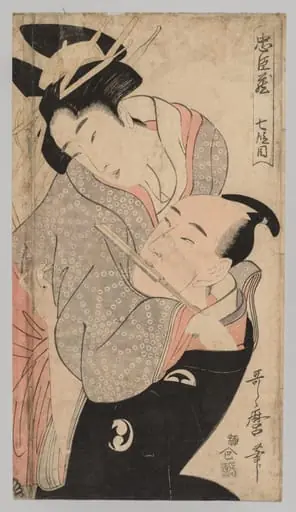 Man and Woman
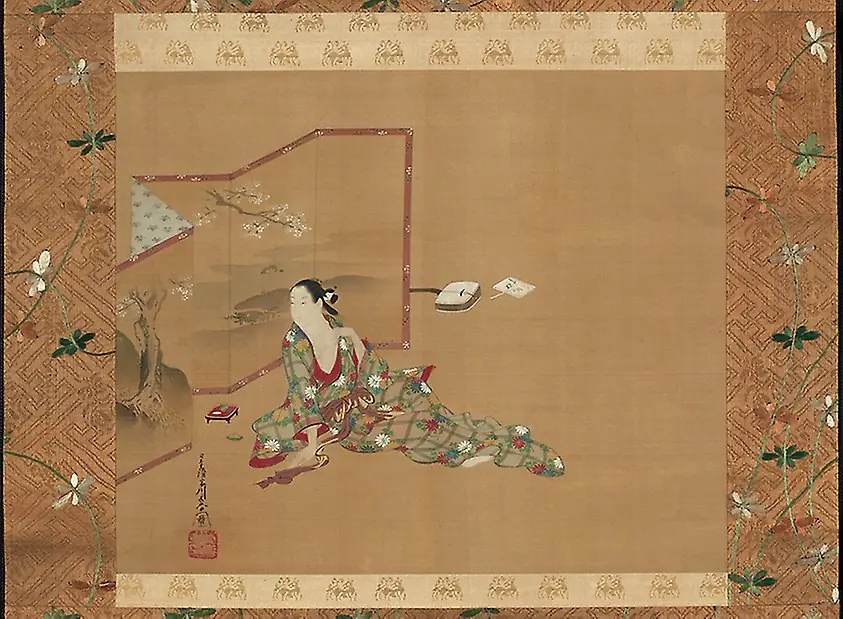
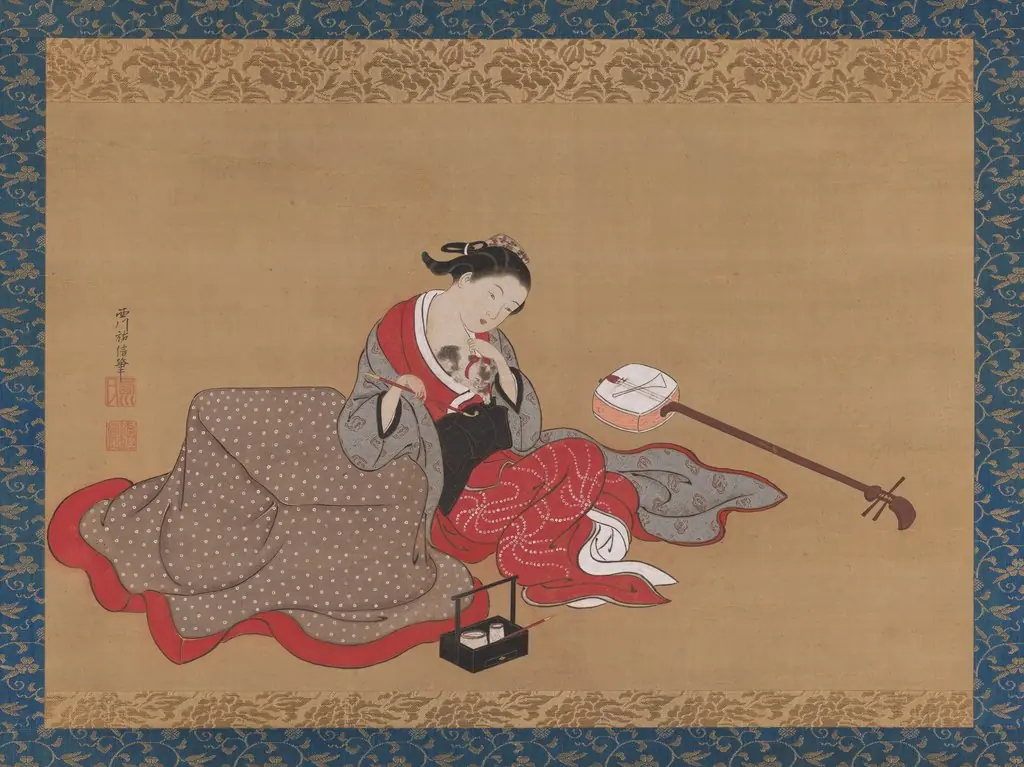 Courtesan with a Kitten
 Untitled