Artwork
Spring Dancers (Manzai)
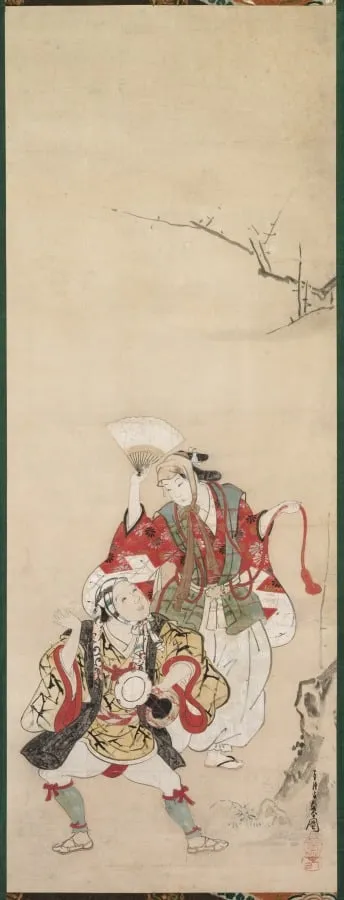
Spring Dancers (Manzai) is an unspecified painting by the Baroque artist Miyagawa Chōshun. It dates from 1704 and is held in the collection of the Cleveland Museum of Art.
About this work
To see more of this light, lively style, look up *japan, edo period (1615–1868)*.
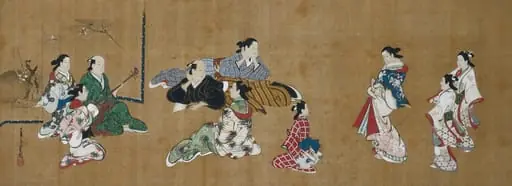
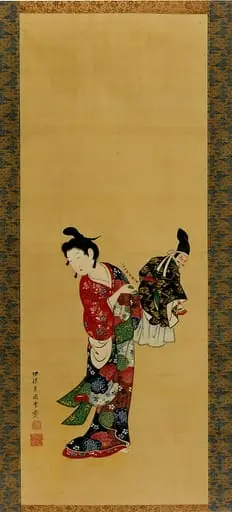
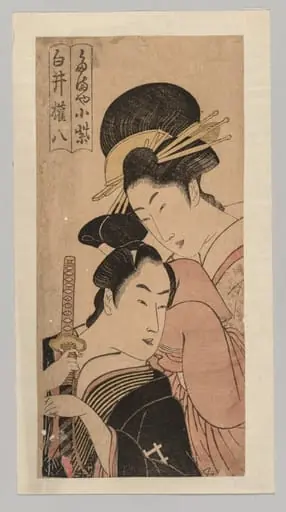
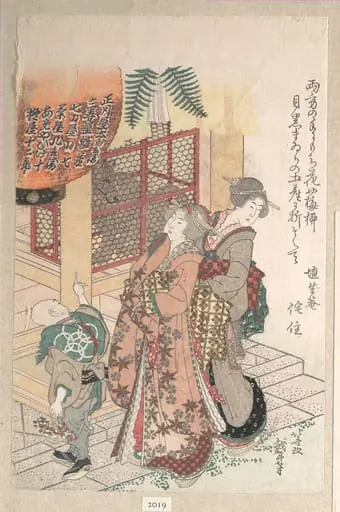
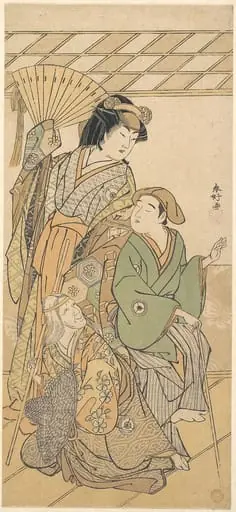
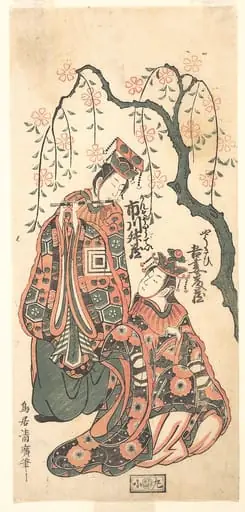
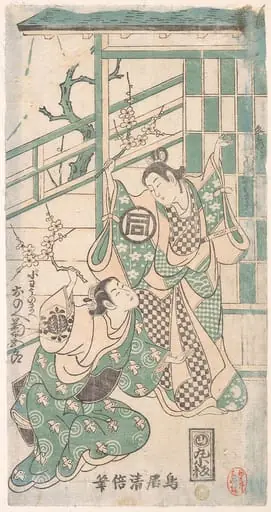
Two men in bright robes dance under cherry blossoms. One holds a fan, the other a small drum. Their faces are quick, happy lines—no detail, just motion.
This painting shows *manzai*, a kind of street comedy from Japan’s Edo period. The dancers traveled in spring, bringing jokes and music to towns. Chōshun painted them like a quick sketch, as if they just passed by.
To see more of this light, lively style, look up *japan, edo period (1615–1868)*.
Overview
Spring Dancers (Manzai) is a painting by Chōshun that captures a fleeting moment of street performance during Japan’s Edo period. It portrays two itinerant entertainers engaged in a springtime tradition, moving through a blossoming landscape with spontaneous energy. The work reflects the popularity of transient performances in urban and rural communities, where humor and music provided seasonal amusement.
Subject & Meaning
The painting illustrates manzai, a form of comic duo performance common in Edo-period Japan. The dancers, one wielding a fan and the other a small drum, represent traveling entertainers who brought levity to public spaces during spring. Their exaggerated gestures and minimal facial features emphasize movement over individual identity, suggesting the ephemeral nature of their art and the joy it offered passersby.
Technique & Style
Chōshun employs loose, rapid brushwork to convey motion and spontaneity. Figures are rendered with simplified outlines and minimal detail, while cherry blossoms are suggested rather than meticulously rendered. The palette is restrained yet vibrant, focusing on the contrast between the dancers’ bright robes and the soft pink of the blossoms. The composition feels improvised, as if capturing a moment mid-stride.
History & Provenance
Created during the mid-Edo period, the painting aligns with the rise of ukiyo-e and genre scenes depicting everyday life. While specific ownership records are sparse, its style and subject place it within the circle of artists who documented popular culture beyond courtly or religious themes. It likely circulated among urban collectors interested in the vitality of common entertainments.
Context
Manzai performers were part of a broader tradition of itinerant entertainers who moved seasonally, especially in spring, when travel was more accessible and communities welcomed festivity. These acts were distinct from formal theater, offering impromptu, accessible humor. Chōshun’s depiction reflects a cultural moment when art began to celebrate the transient, lively aspects of civilian life over aristocratic ideals.
Legacy
The painting contributes to a visual record of Edo-period popular culture, preserving the aesthetics of street performance before modernization transformed urban entertainment. Its informal style influenced later genre painters who valued immediacy and emotional resonance over technical polish. Today, it remains a quiet testament to the role of humor and movement in seasonal rituals of pre-modern Japan.
Artist & collection