Artwork
Composition of children
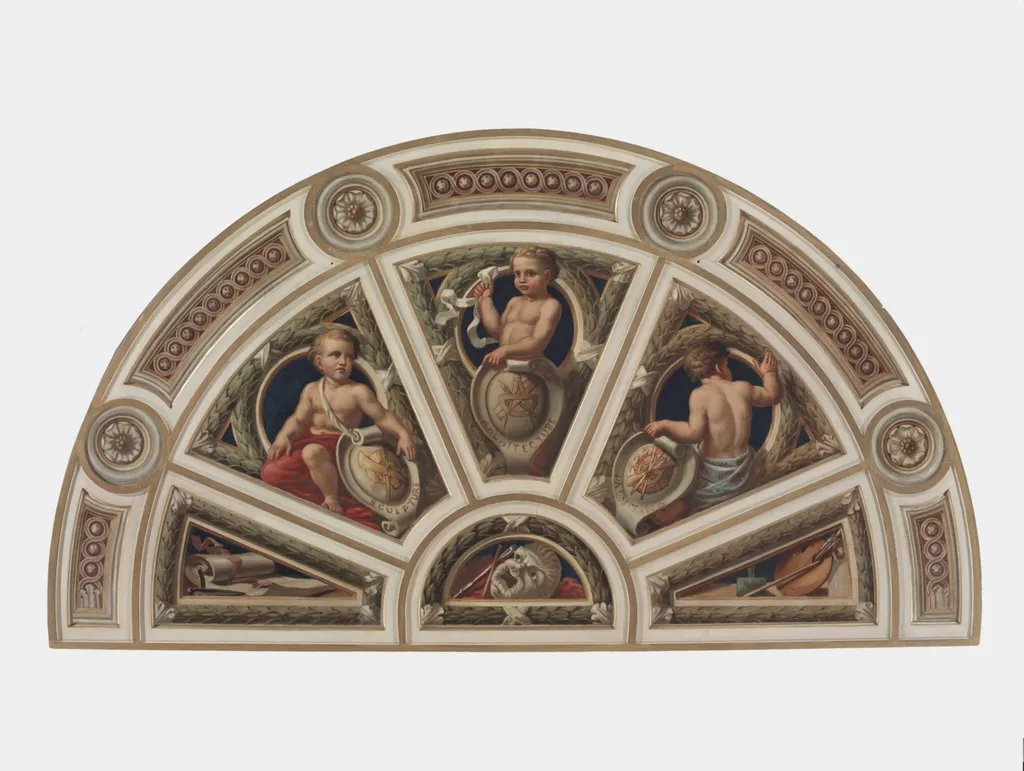
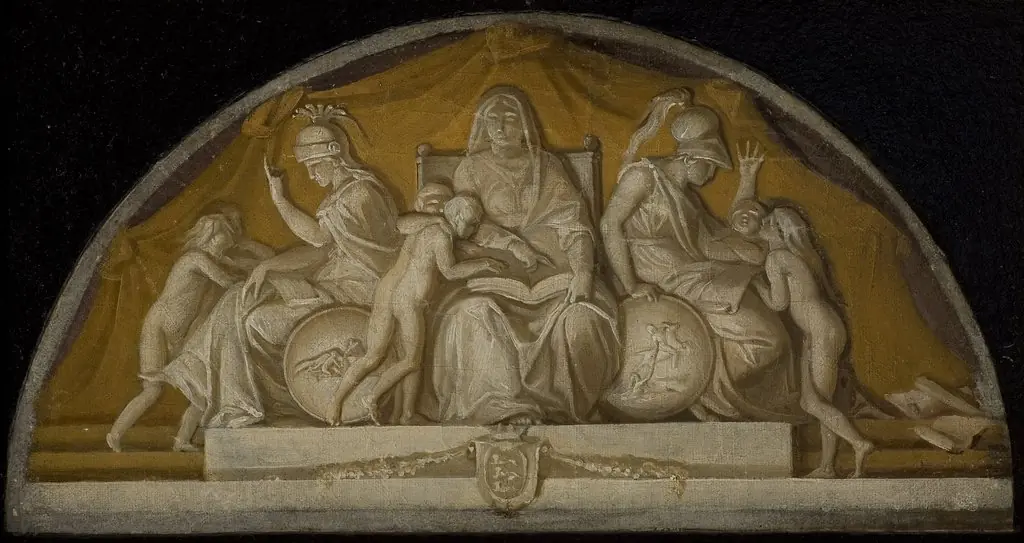
Composition of children is an oil painting by the Impressionist artist W. Morrison. It dates from 1869 and is held in the collection of the Victoria and Albert Museum. The oil painting, a decorative lunette, presents a semi‑circular arrangement of five circular scenes.
About this work
Overview
In each vignette a nude child holds a shield bearing a single word—SCULPTURE, ARCHITECTURE, or PAINTING—set against a dark background framed by gilt scrollwork.
The oil painting, a decorative lunette, presents a semi‑circular arrangement of five circular scenes. In each vignette a nude child holds a shield bearing a single word—SCULPTURE, ARCHITECTURE, or PAINTING—set against a dark background framed by gilt scrollwork. The composition was created for the upper recesses of rooms 100 and 101 in the National Competition Gallery, where it formed part of an extensive decorative programme.
Subject & Meaning
The work allegorically represents the three principal visual arts. By assigning each discipline to a child holding a shield, the artist visualises the notion of artistic practice as a defended, noble pursuit. The inclusion of the three specific terms underscores the gallery’s educational purpose, linking the depicted arts to the training and evaluation of student work displayed in the space.
Technique & Style
Executed in oil on canvas, the lunette employs a restrained palette dominated by deep tones that heighten the figures’ silhouettes. The round scenes are bordered with elaborate gold ornamentation, echoing the Victorian taste for richly detailed interior decoration. The figures’ idealised, almost storybook rendering reflects the academic style prevalent in mid‑nineteenth‑century institutional art.
History & Provenance
Commissioned between 1864 and 1876 under the supervision of Richard Redgrave and Henry Cole, the painting formed part of a coordinated decorative scheme for the National Competition Gallery. The lunette panels were removed before the Second World War, stored, and later conserved. In 2010 they were reinstated in their original positions within rooms 100 and 101, restoring the intended visual context.
Context
The National Competition Gallery served as a venue for exhibiting and judging works by art students, and its walls were adorned with both decorative and allegorical paintings by various artists. This lunette, with its symbolic representation of the arts, complemented the gallery’s function as a pedagogical space, reinforcing the hierarchy and interrelation of artistic disciplines within a Victorian educational framework.
Artist & collection
Artist
W. Morrison’s paintings of kids in the 1860s look like photos that somehow forgot the camera was there—tiny hands clutch chalk, hats sit crooked, one girl’s braid dangles like a question mark. The faces feel alive…

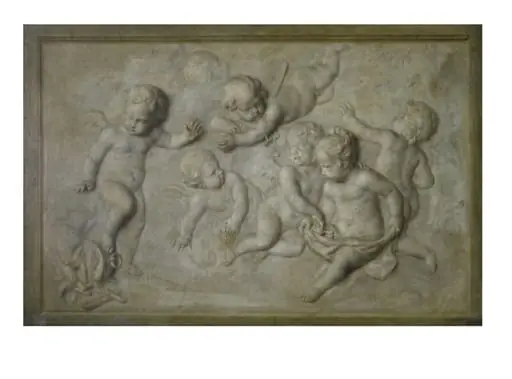 Cupids Playing
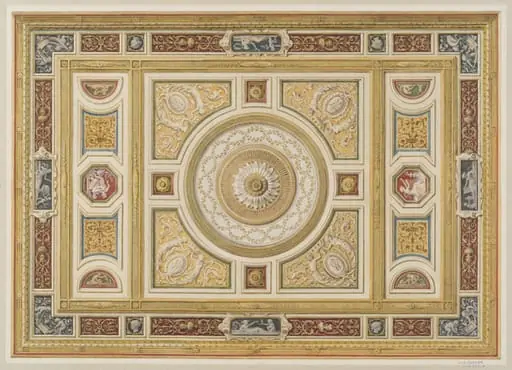 Design for the drawing room ceiling at Grosvenor House
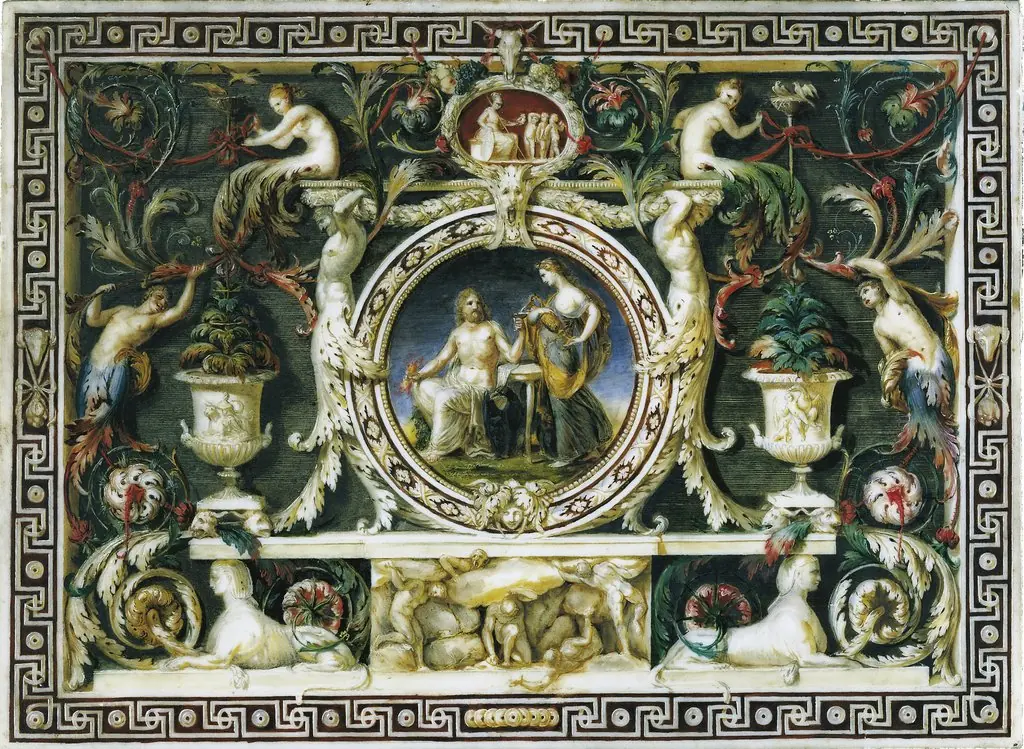 Jupiter and Hebe
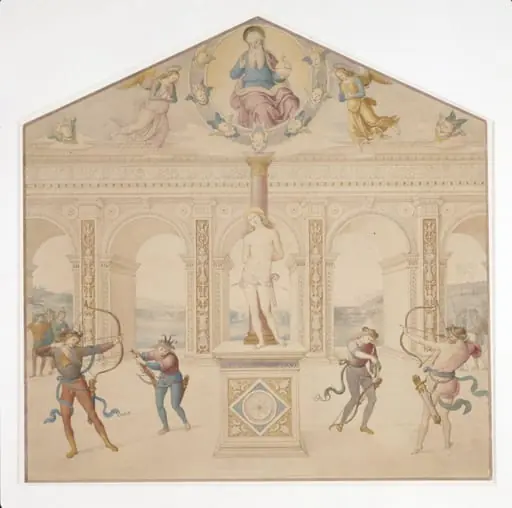 Copy after the painting Martyrdom of St Sebastian by Perugino in S. Sebastiano, Panicale.
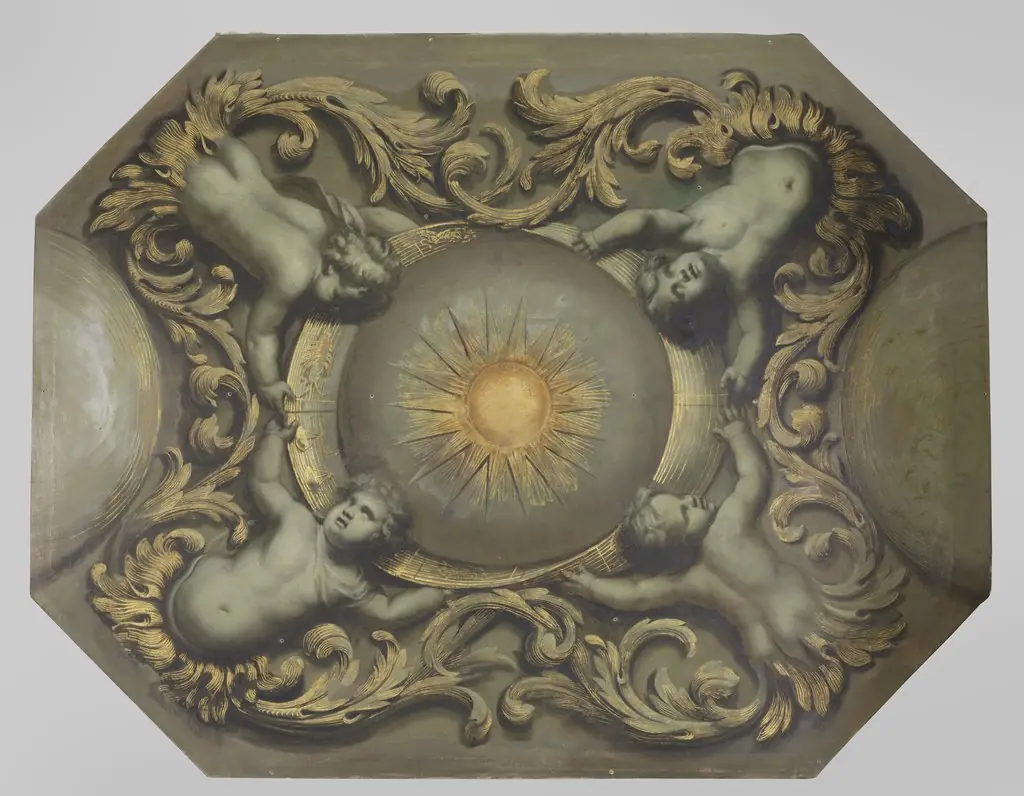 Schildering horend bij een plafond
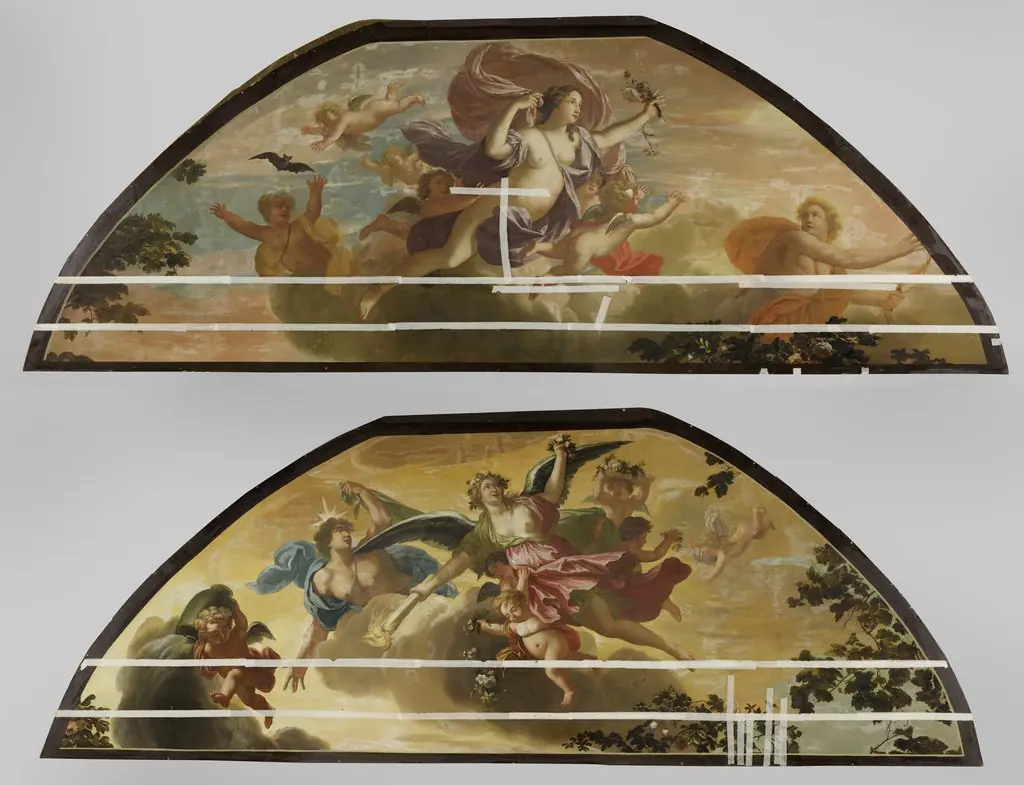 Twee schilderingen horend bij een plafond
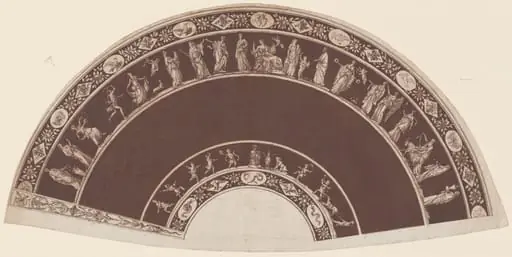 A Fan with Classical Figures Processing to Apollo
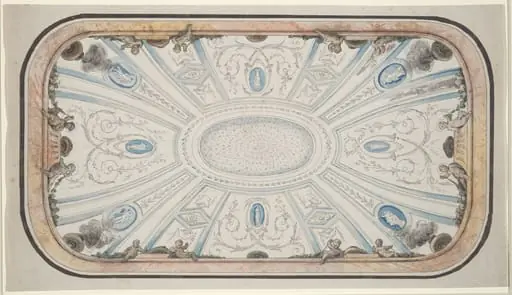 Design for a Ceiling
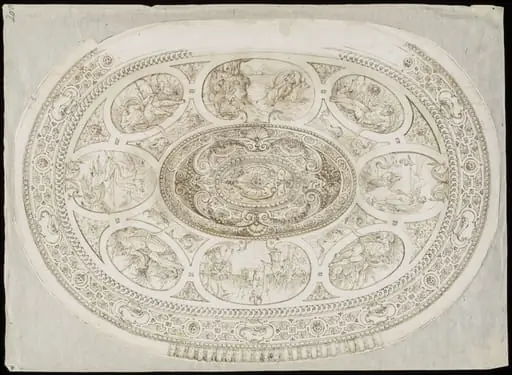 An oval with scenes of the Metamorphoses: The Rape of Europa, the peasants turned into frogs, The Fall of Icarus, Glaucus and Scylla
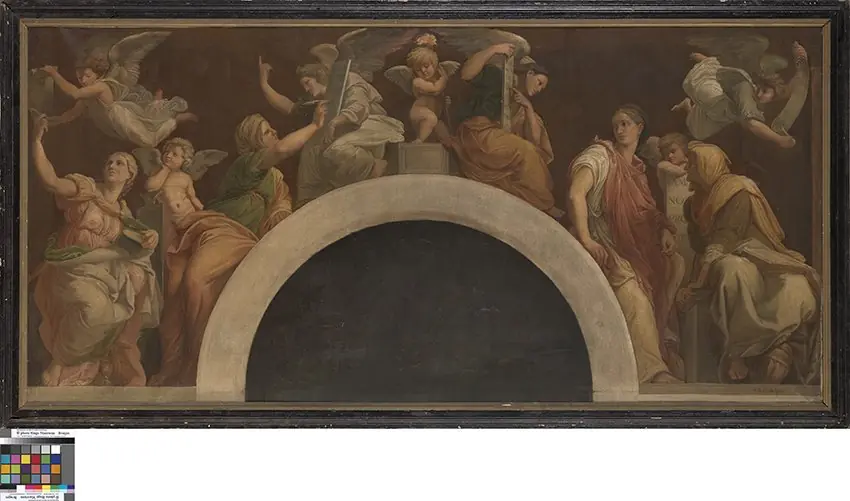 Allegorie
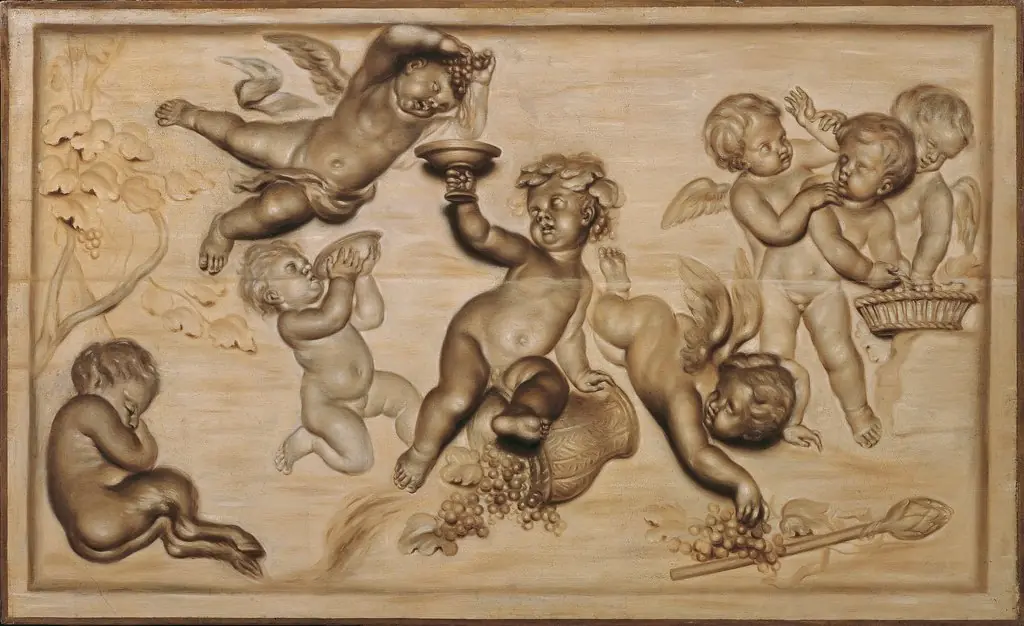 Children's Bacchanal
 The Establishment of Schools