Artwork
Hajj Hussein Beyhum
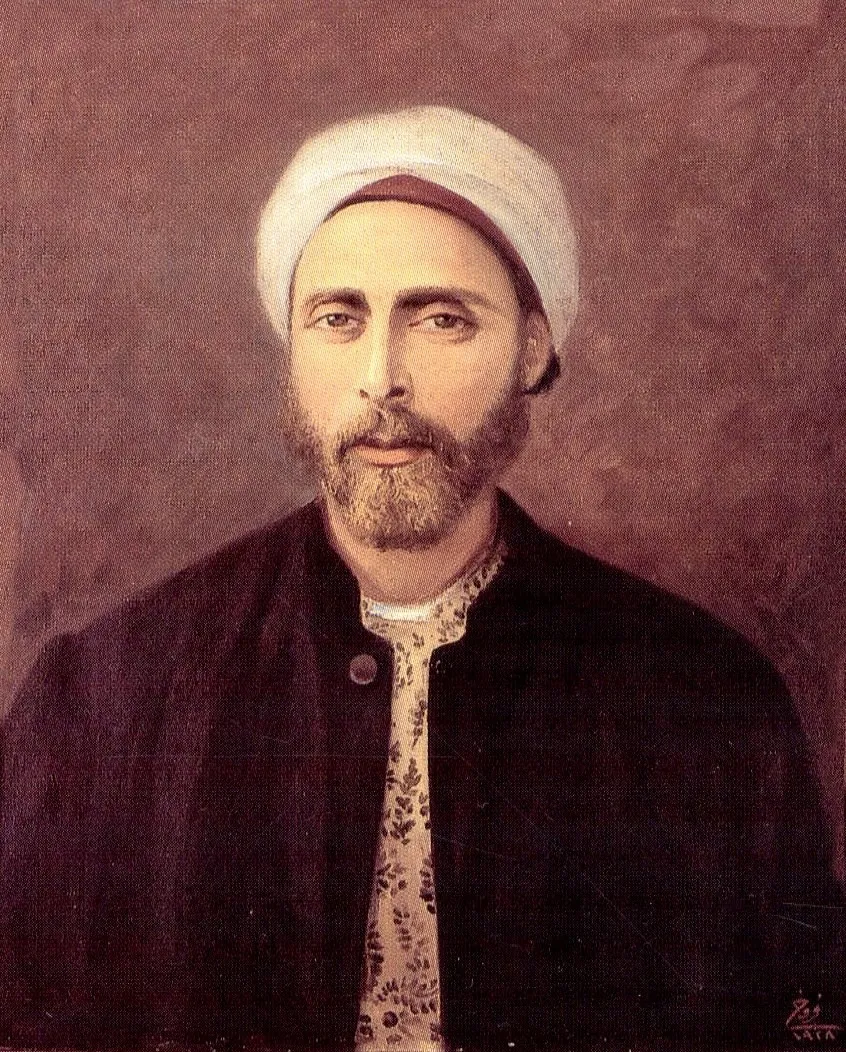
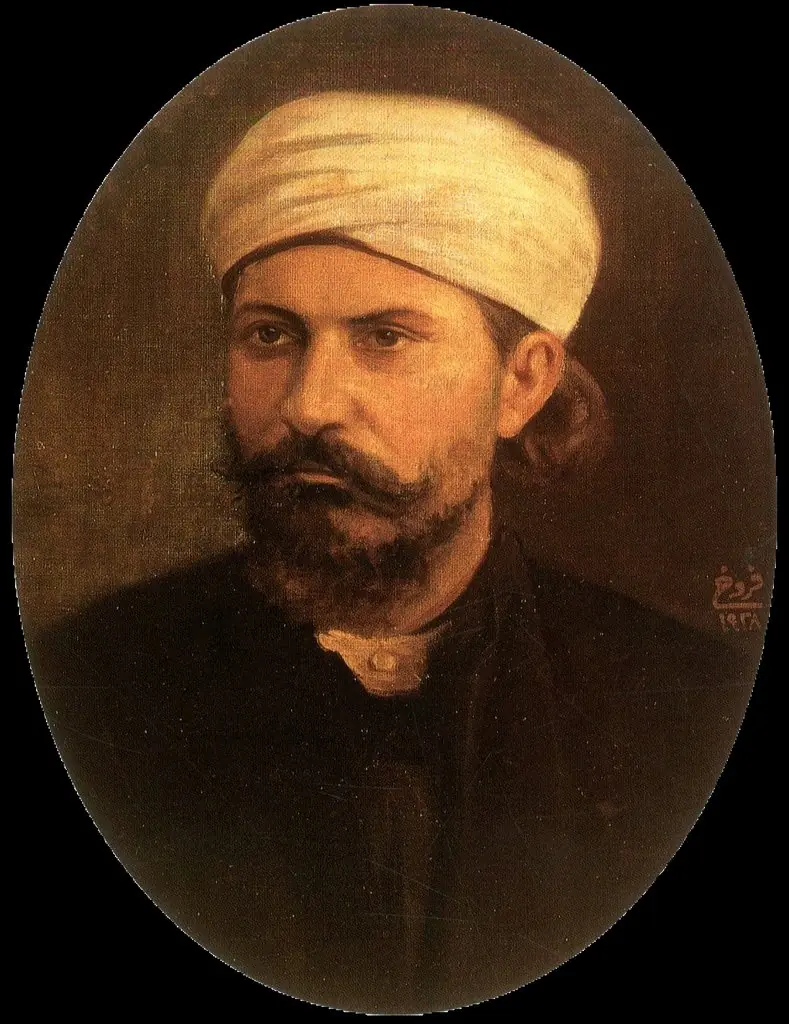
Hajj Hussein Beyhum is an oil painting by Moustafa Farroukh. It dates from 1939 and is held in the collection of the Sursock Museum.
About this work
Overview
Created circa 1939, *Hajj Hussein Beymem* is an oil on canvas portrait by Lebanese painter Moustafa Farroukh, a prolific figure of twentieth‑century Lebanese art. The work measures the dignified presence of its sitter, rendered in a restrained palette and composed against a muted brown backdrop. It is presently held by the Sursock Museum in Beirut.
Subject & Meaning
The portrait presents Hussein Beymem in traditional dress: a turban, a dark jacket over a white shirt patterned with subtle florals, and a full beard. His serious expression and direct gaze convey a sense of authority and personal gravitas, reflecting the social standing associated with the title "Hajj" and the cultural identity of the period.
Technique & Style
Farroukh employs chiaroscuro to model the figure, using contrasts of light and shadow to give the face and clothing a three‑dimensional quality. The subdued background recedes, focusing attention on the sitter’s features. This handling of light aligns the work with broader portrait traditions that emphasize psychological depth through tonal modulation.
History & Provenance
Moustafa Farroukh, who produced over two thousand works and authored several books, painted this portrait during a mature phase of his career. After its creation, the painting entered the collection of the Sursock Museum, where it remains part of the institution’s holdings of Lebanese modern art.
Artist & collection
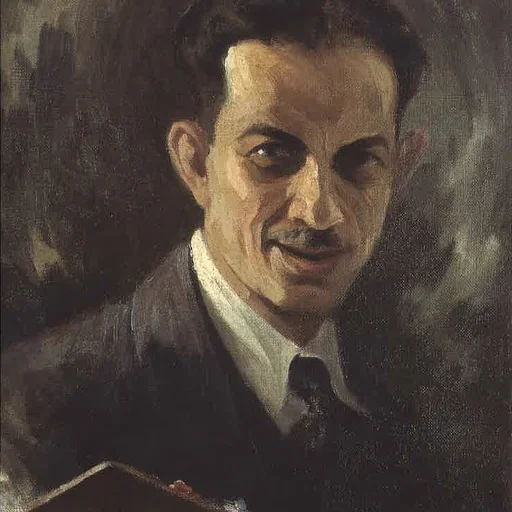
Artist
Moustafa Farroukh (Arabic: مصطفى فروخ; 1901 – 1957) was one of Lebanon's most prominent painters of the 20th century.

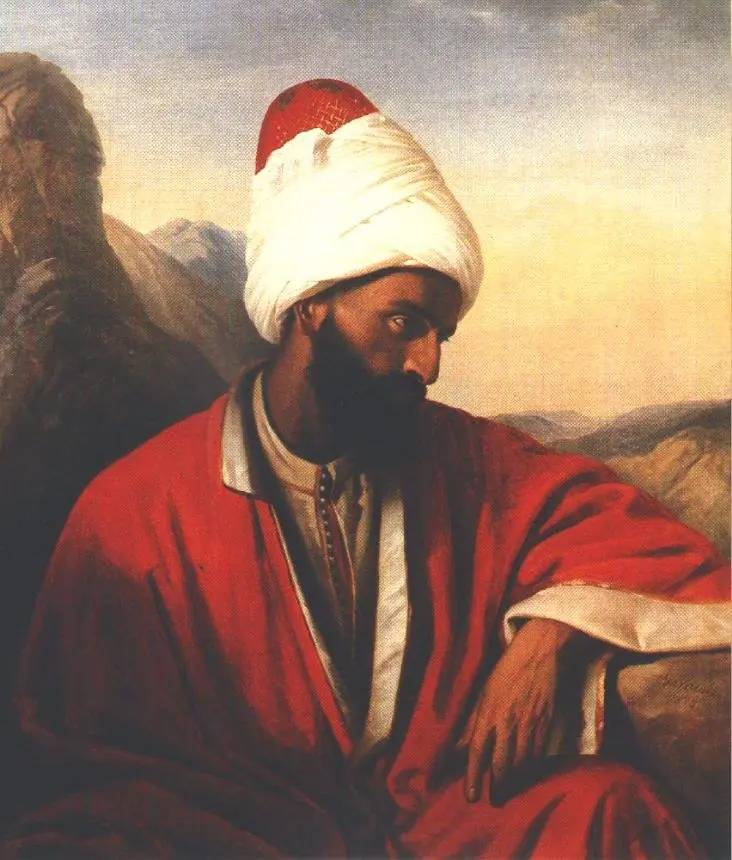 Arab Man (A Dervish)
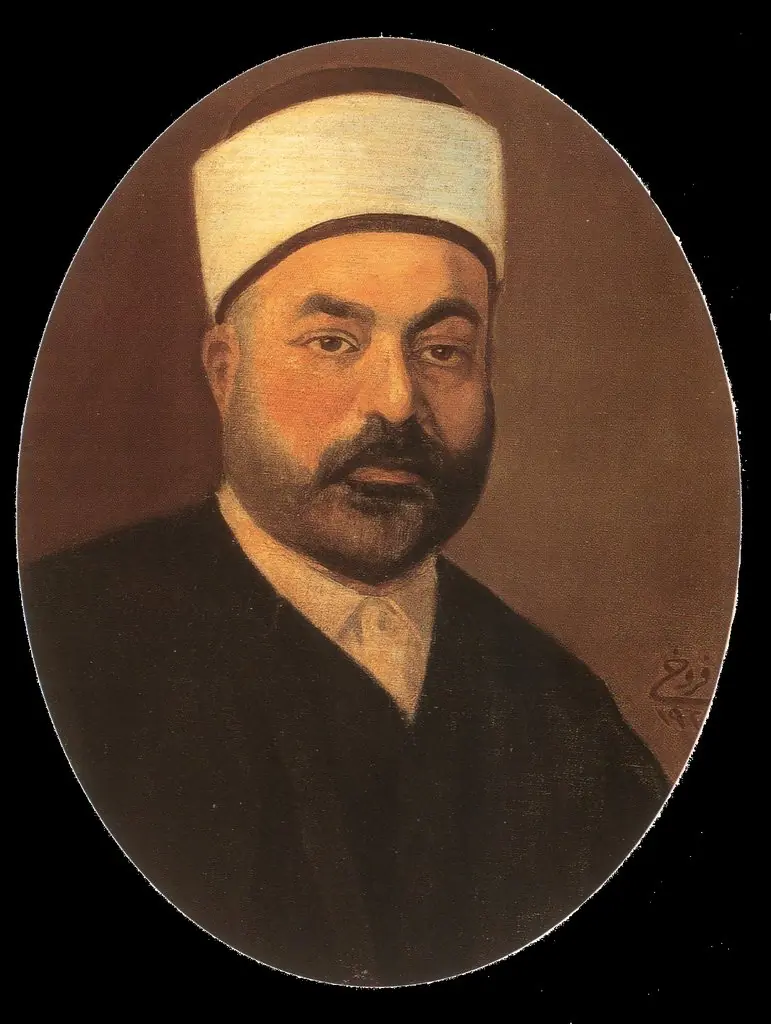 Sheikh Abdulhamid Zahraoui (1855 - 1916)
 Al-Dāʿīa Jamal Al-Din Al-Afghani
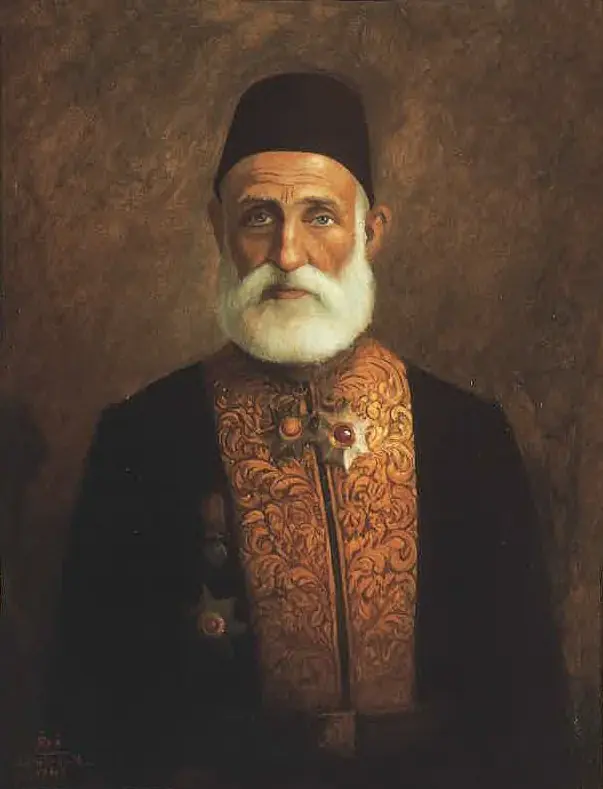 Portrait of Amin Pasha Moukhaiech (1905)
![Ameer Khan Lohani Cheiftain [sic], by Godfrey Thomas Vigne](https://artifactworldgallery.com/img/godfrey-thomas-vigne--ameer-khan-lohani-cheiftain-sic--7c6575efa84f0a9c-w320.webp) Ameer Khan Lohani Cheiftain [sic]
Ameer Khan Lohani Cheiftain [sic]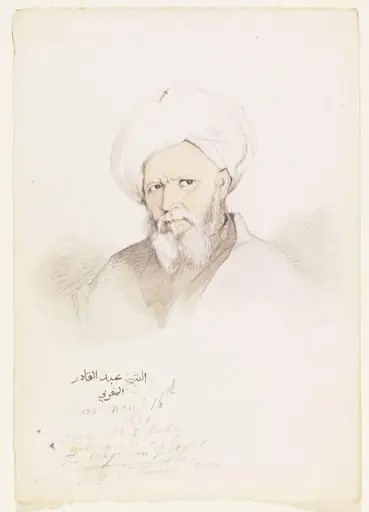 Sheik Abdul Kadir Mugrabi - The Magician of Egypt
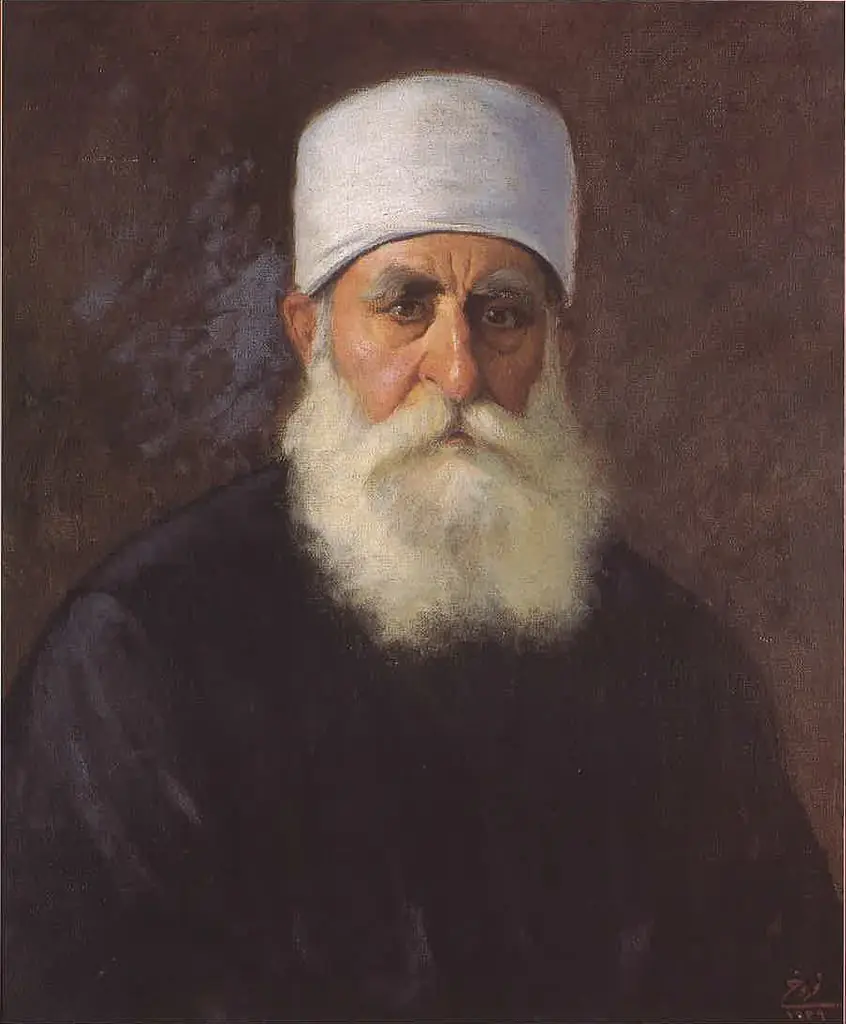 Portrait of Sheikh Saïd Hamdane
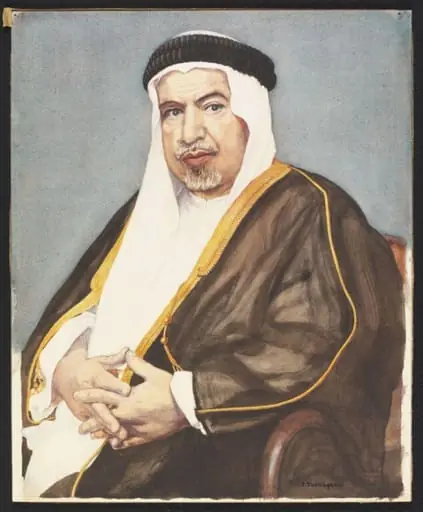 Portrait of Sheikh Abdallah al Salem, Ruler of Kuwait
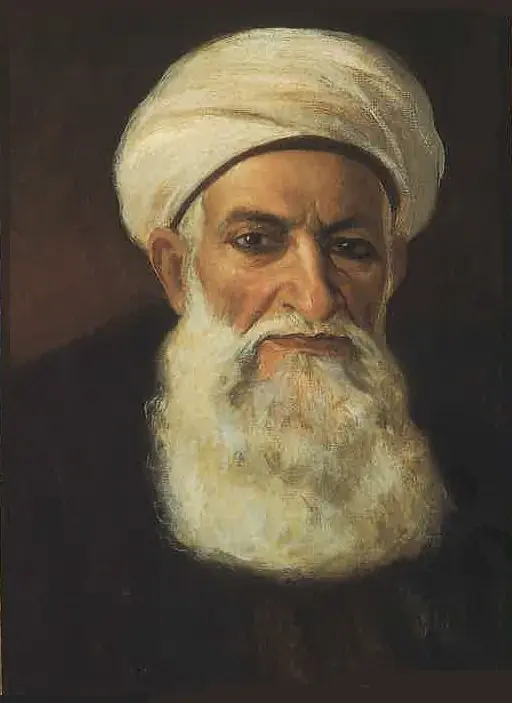 Portrait of Sheikh Selim Nasser