Artwork
Three Paintings of a Muleteer (2)
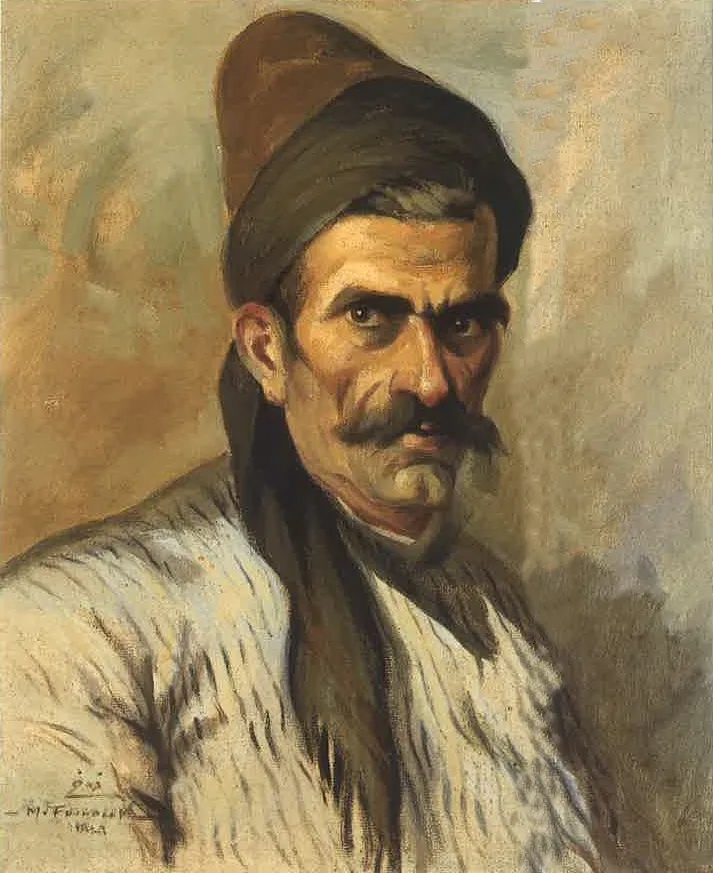
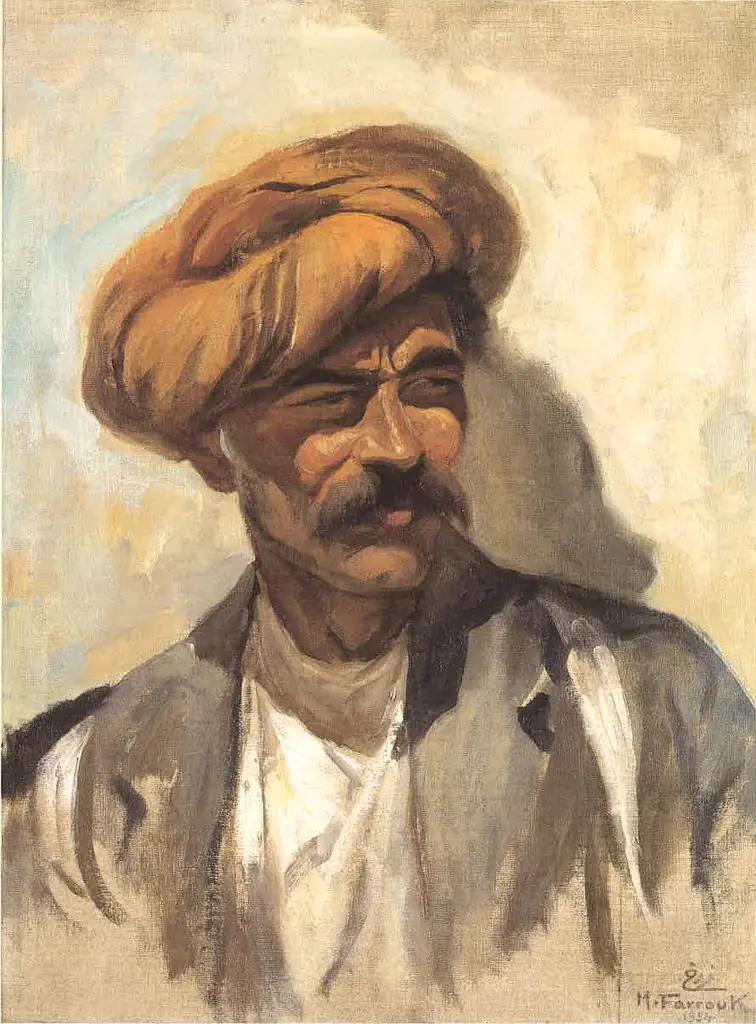
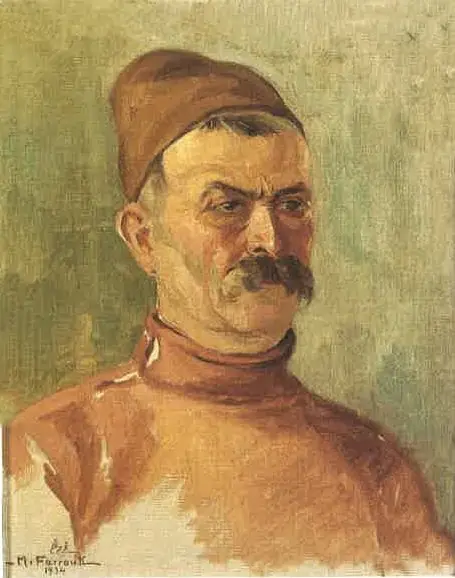
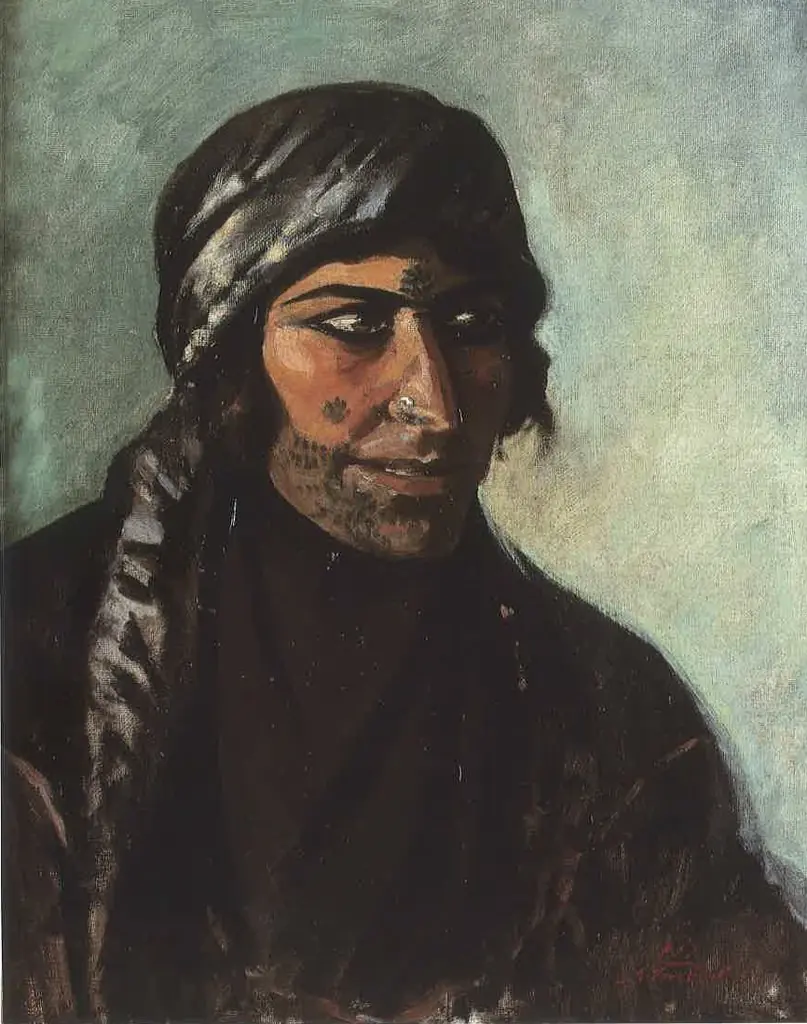
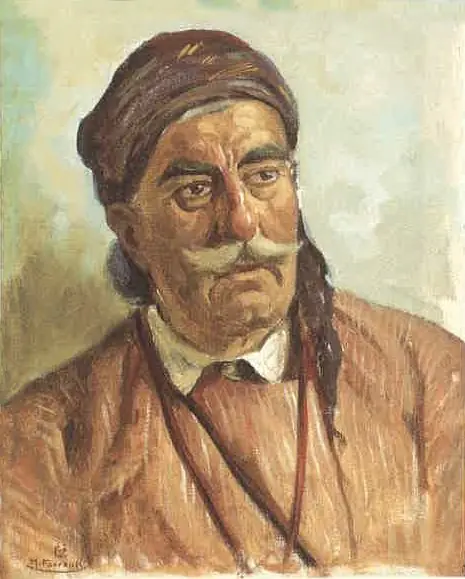
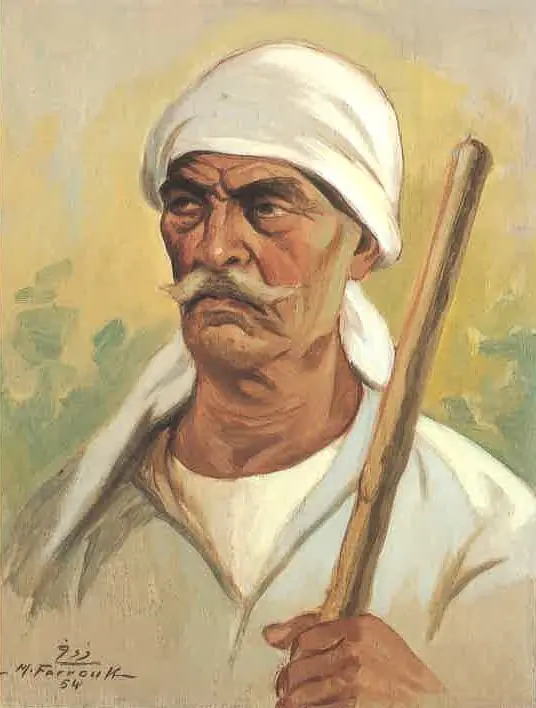
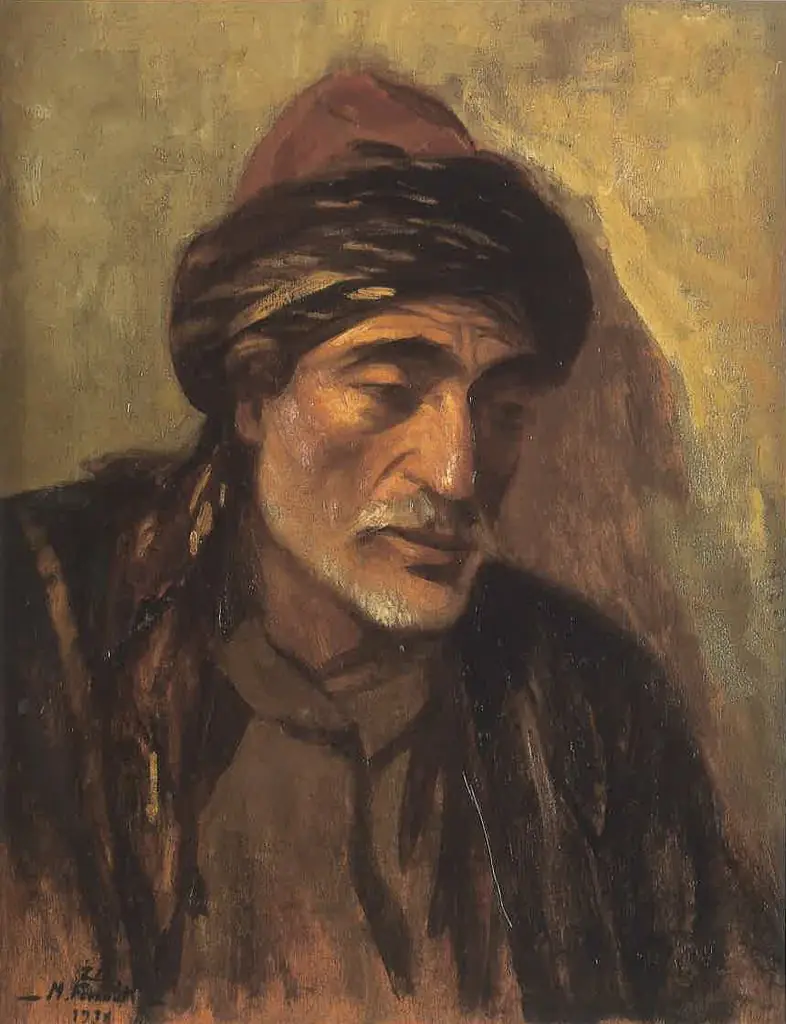
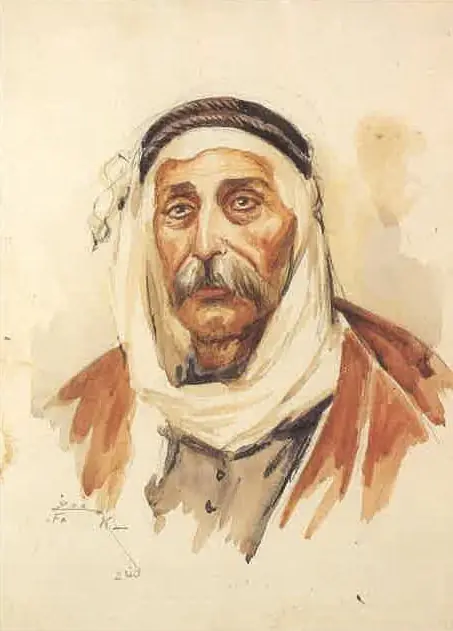
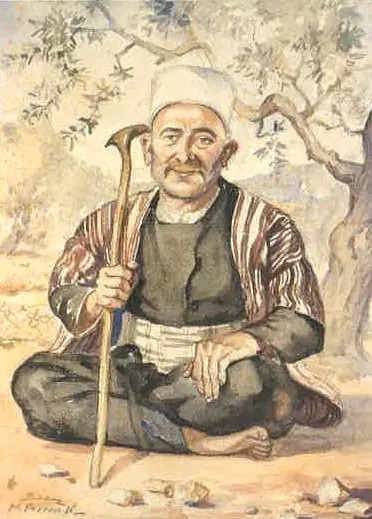
Three Paintings of a Muleteer (2) is an oil painting by the Orientalist artist Moustafa Farroukh. It dates from 1939 and is held in the collection of the Sursock Museum.
About this work
Overview
Three Paintings of a Muleteer (2) is an oil painting created by Moustafa Farroukh around 1939. It is one of over 2,000 works by the prolific Lebanese artist and is housed in the Sursock Museum.
Subject & Meaning
The painting portrays a solemn-faced muleteer with a thick, dark moustache and turban, dressed in a white shirt. The subject’s direct gaze engages the viewer. The work reflects Farroukh’s exploration of Orientalist themes.
Technique & Style
Executed in oil paint, the piece features a light-colored background that contrasts with the subject’s dark attire and moustache, suggesting the use of chiaroscuro to create depth and emphasis.
History & Provenance
Created circa 1939, the painting is part of the Sursock Museum’s collection, testifying to Farroukh’s significant contribution to Lebanese art of the 20th century.
Context
Within the broader context of Middle Eastern art in the mid-20th century, this work represents Farroukh’s interpretation of traditional subjects through a Western-influenced medium (oil painting) and aesthetic (Orientalist themes).
Legacy
As part of Farroukh’s extensive oeuvre, *Three Paintings of a Muleteer (2)* contributes to the artist’s legacy as a leading figure in Lebanese modern art, though its individual impact is characterized more by its representation of his style than by singular innovation.
Artist & collection
Artist
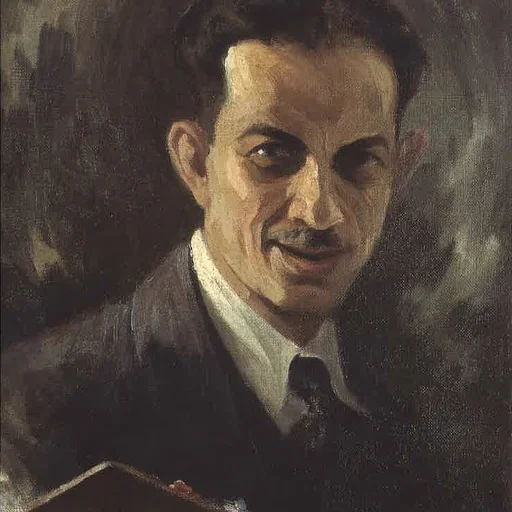
Moustafa Farroukh (Arabic: مصطفى فروخ; 1901 – 1957) was one of Lebanon's most prominent painters of the 20th century.