Artwork
Brinkman Priory
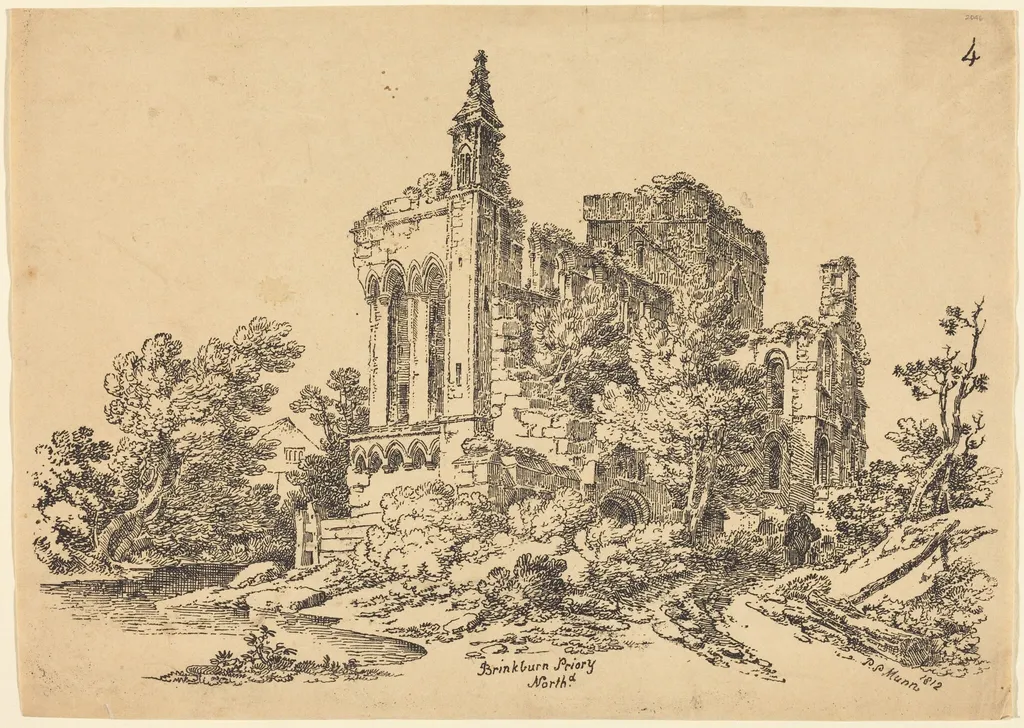
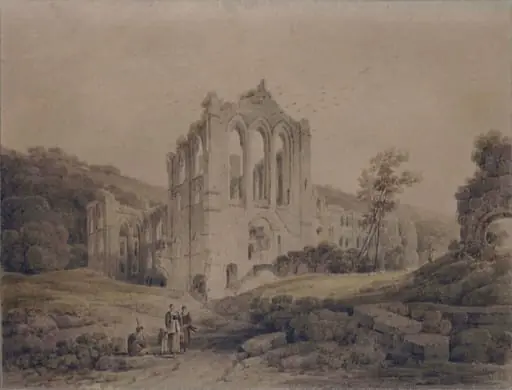
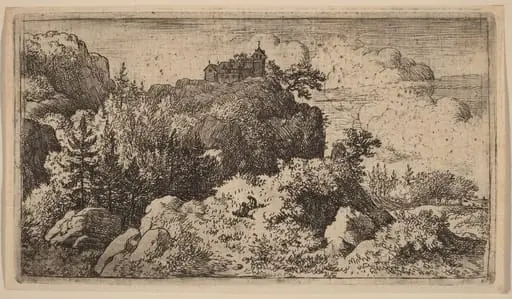
Brinkman Priory is an ink print by the Romanticist artist Paul Sandby Munn. It dates from 1812 and is held in the collection of the National Gallery of Art.
About this work
Overview
Paul Sandby Munn’s 1812 lithograph entitled Brinkman Priory presents a meticulous rendering of an antiquated ecclesiastical structure.
Paul Sandby Munn’s 1812 lithograph entitled Brinkman Priory presents a meticulous rendering of an antiquated ecclesiastical structure. Executed in pen and tusche, the print captures the texture of stonework and the arrangement of windows with a precision that highlights the artist’s attentive hand. The composition invites close inspection of architectural detail, offering a clear view of the building’s form and materiality.
Technique & Style
The work employs the lithographic process, wherein Munn applied pen lines and a tusche wash to a stone surface before printing. This combination allows for fine linear definition alongside broader tonal areas, producing a balance between crisp architectural outlines and subtle shading. The method reflects early‑19th‑century printmaking practices that emphasized both accuracy and atmospheric depth.
Subject & Meaning
Brinkman Priory depicts a historic priory, its ruined walls and fenestration rendered with careful attention to each stone block. While the image does not convey a narrative beyond the building’s physical presence, the detailed treatment suggests an interest in documenting heritage architecture, a common pre‑Romantic preoccupation with the passage of time and the endurance of stone.
History & Provenance
Created in 1812, the lithograph is part of Paul Sandby Munn’s broader output of topographical prints, a genre popular among collectors of the period. The piece has circulated through private collections and occasional exhibition loans, reflecting its role as a representative example of early 19th‑century British lithography.
Artist & collection


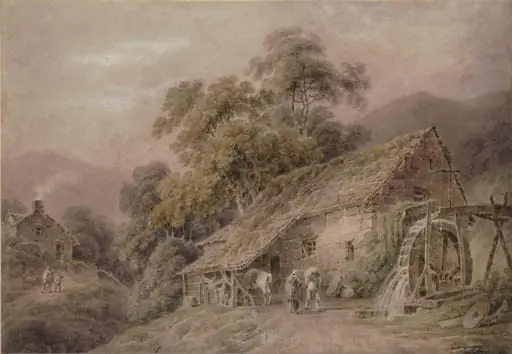
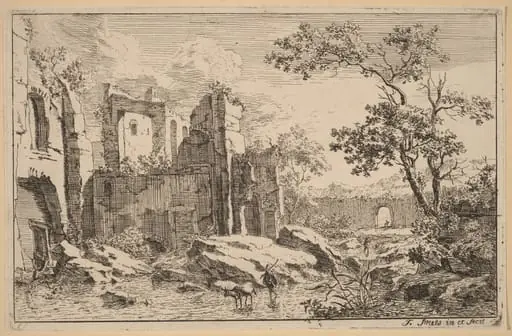 Man and Ox in a River
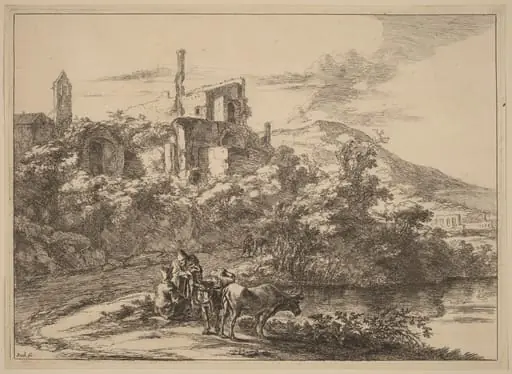 Two Cows near the River at Tivoli
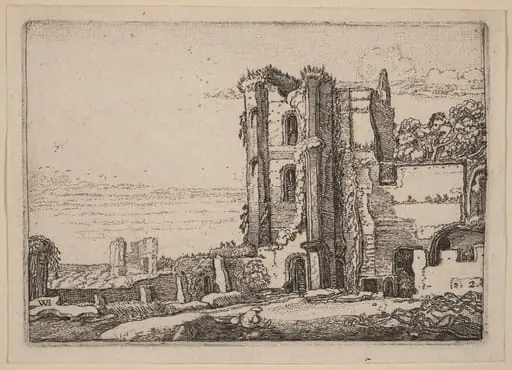 Ruined Tower Right of Center
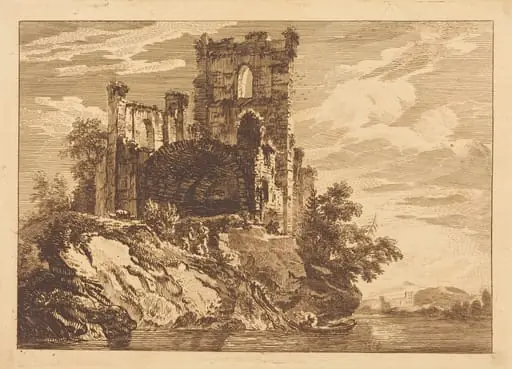 Ruins by a River with a Man in a Boat
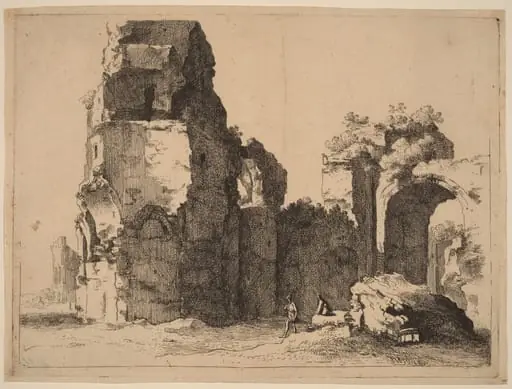 Ruins
Ruins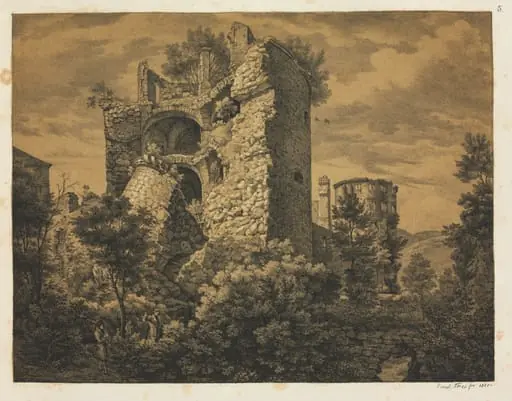 Six Views of Heidelberg Castle: Tower
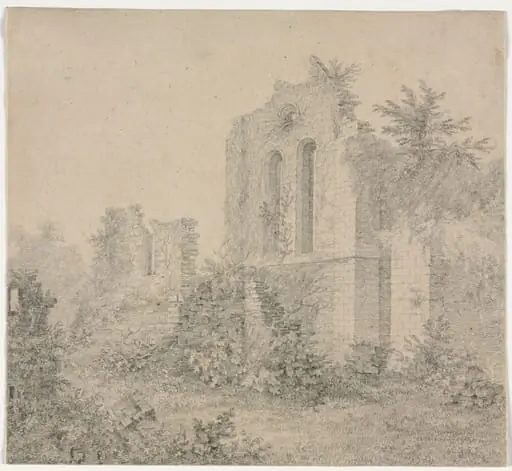 Ruins of an Abbey
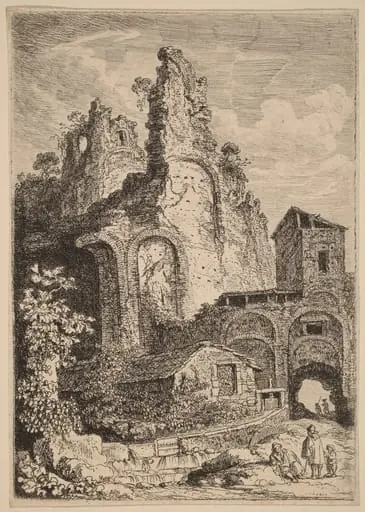 The Old Palace at Tivoli
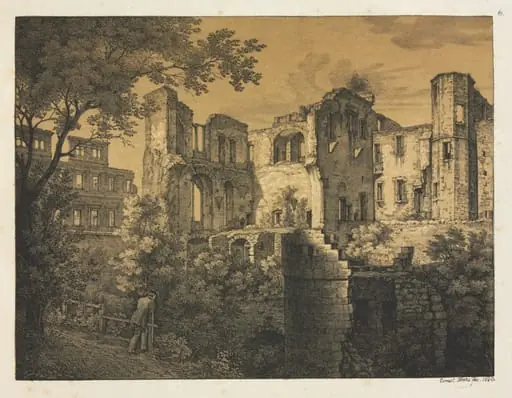 Six Views of Heidelberg Castle: Western Part
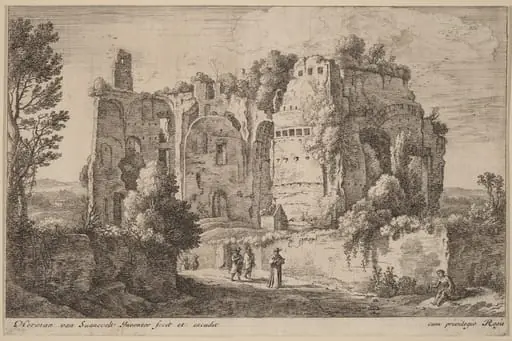 Landscape with the Cardinal
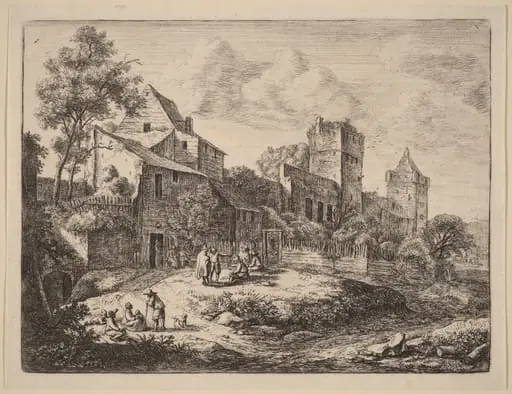 Square in Front of an Inn
 Firs in the Defile