Artwork
Sancho Panza
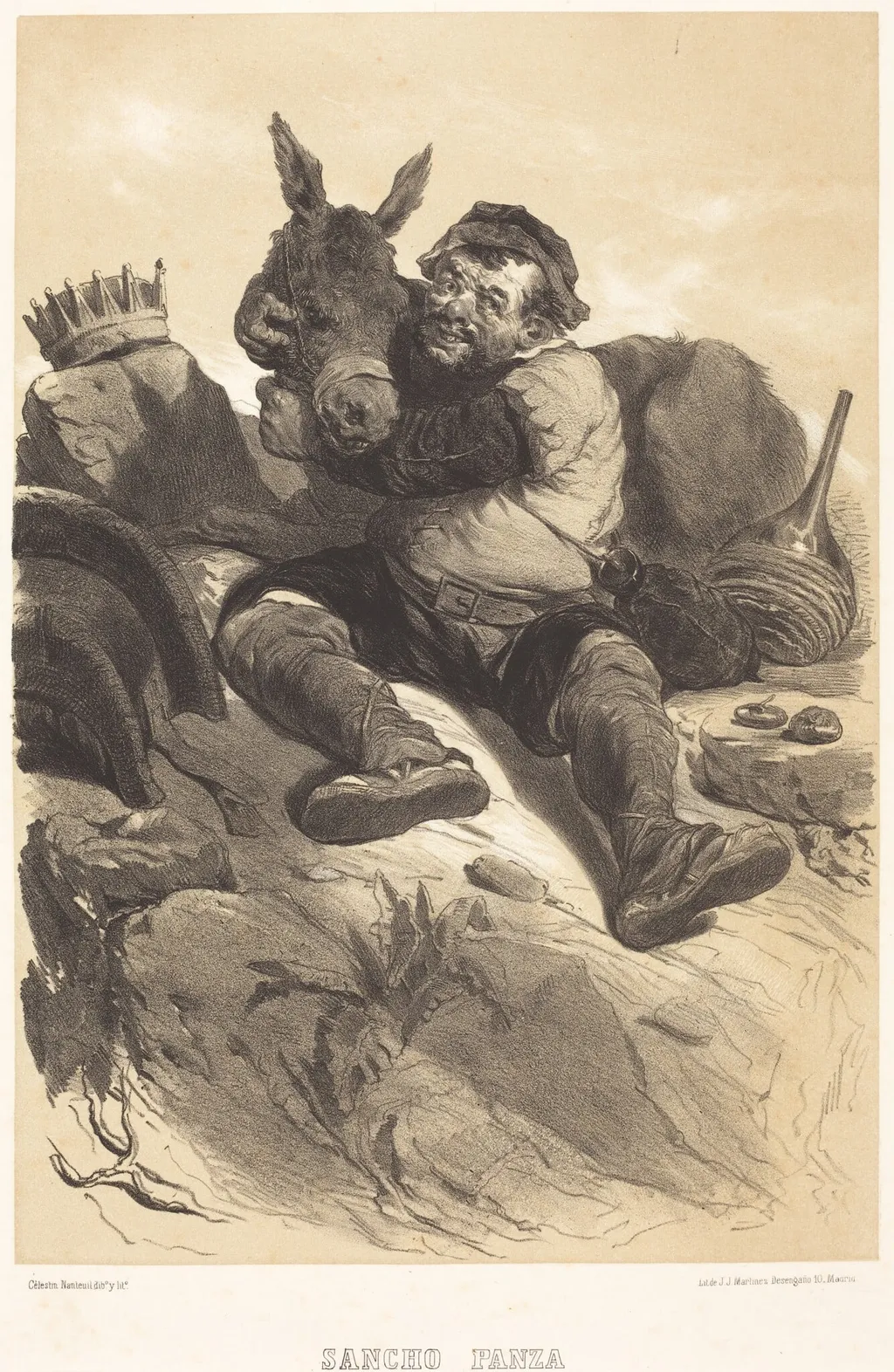
Sancho Panza is an ink print by the Impressionist artist Célestin Nanteuil. It dates from 1855 and is held in the collection of the National Gallery of Art.
About this work
Overview
Sancho Panza is a color lithograph on wove paper created by Célestin Nanteuil around 1855. The print depicts a scene from Miguel de Cervantes's Don Quixote.
Subject & Meaning
The work shows Sancho Panza, the squire from Don Quixote, slumped against a donkey, conveying a sense of exhaustion and resignation. The surrounding objects, including a crown, bag, and walking stick, suggest he has relinquished something significant.
Technique & Style
Nanteuil's use of color lithography allowed for a nuanced and expressive representation of the scene. The contrast between the donkey's calm demeanor and Sancho Panza's slumped posture adds to the emotional impact of the image.
Context
Nanteuil was associated with the Romantic movement, which emphasized emotion and individualism. His depiction of Sancho Panza reflects this aesthetic, capturing a moment of quiet introspection rather than a dramatic narrative scene.
Artist & collection
Artist
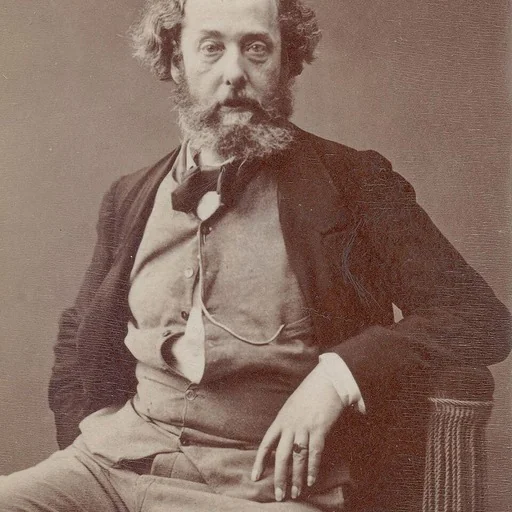
Célestin-François Nanteuil-Lebœuf, known as Célestin Nanteuil (French pronunciation: ; 11 July 1813 – 6 September 1873), was a French painter, engraver and illustrator closely tied to the Romantic movement in France.

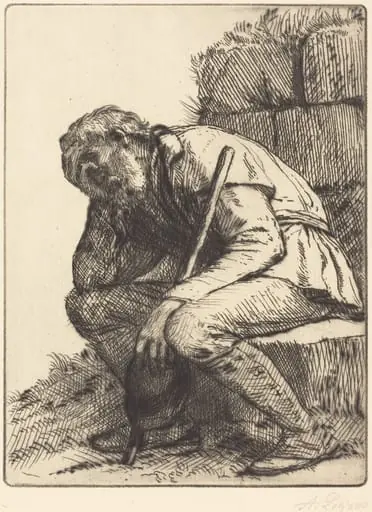 Desperate Man (Le desespere)
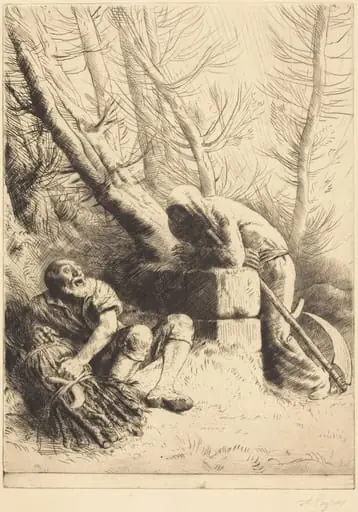 Death and the Woodcutter, 4th plate (La mort et le bucheron)
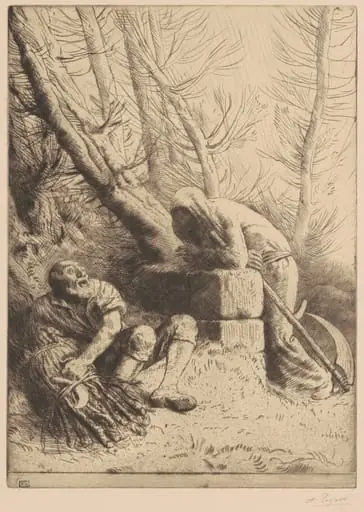 Death and the Woodcutter, 4th plate (La Mort et le bûcheron)
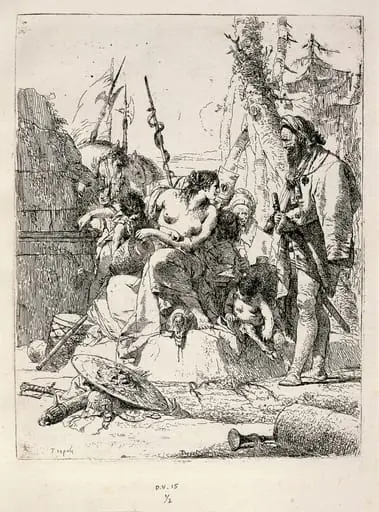 Seated Woman and Standing Man Surrounded by Other Figures and Paraphernalia
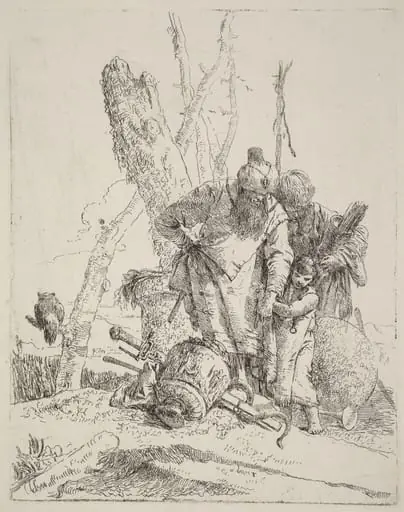 Two Turbaned Magicians and a Boy
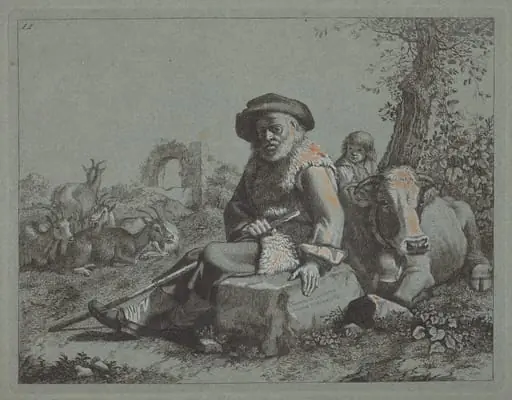 Seated Old Man
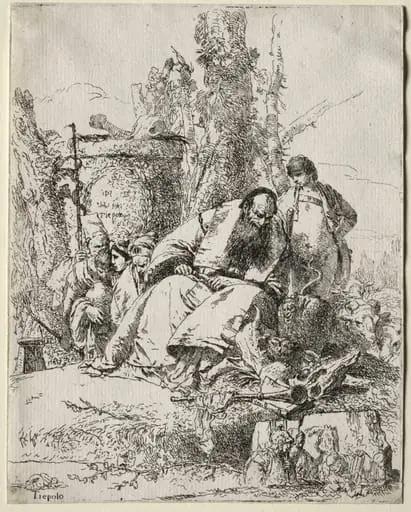 Scherzi di Fantasia: seated Magician, boy and four figures
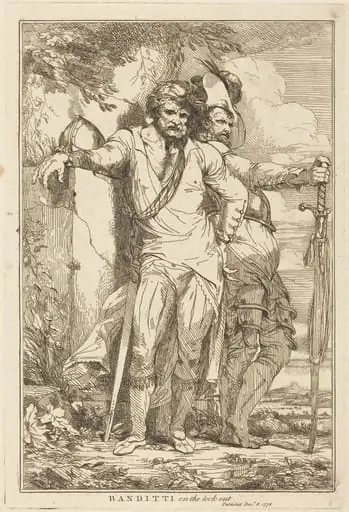 Banditti on the Look Out
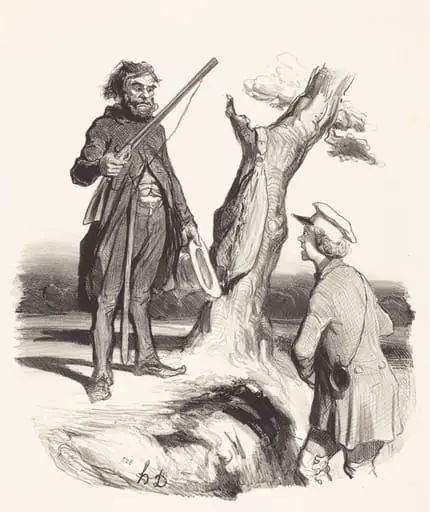 Un Pauvre père de famille qui...
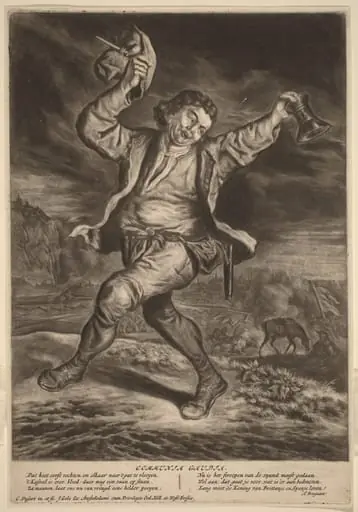 The Happy Patriot
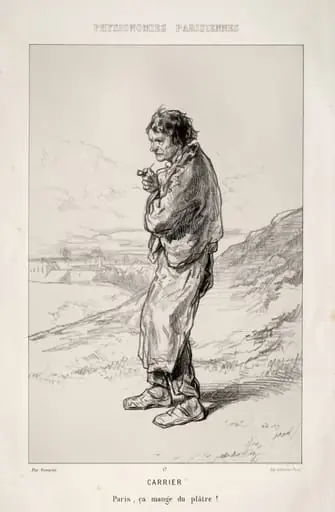 Carrier
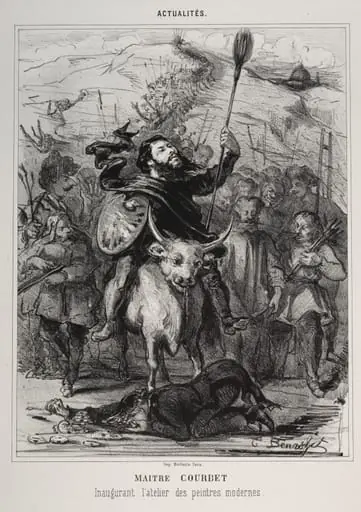 Actualities: Master Courbet Inaugurates the School of Modern Painting