Artwork
Charles V, Duc de Lorraine
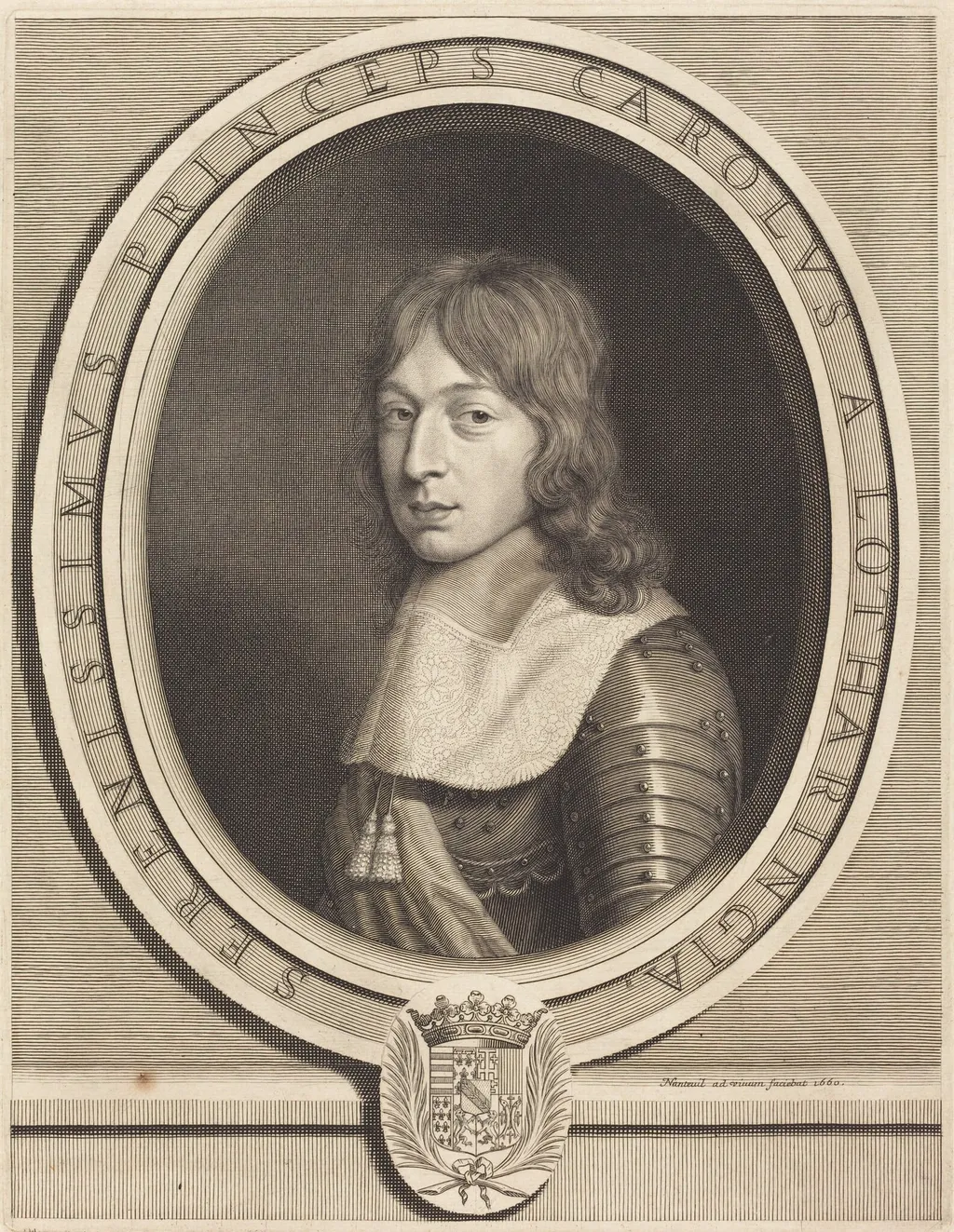
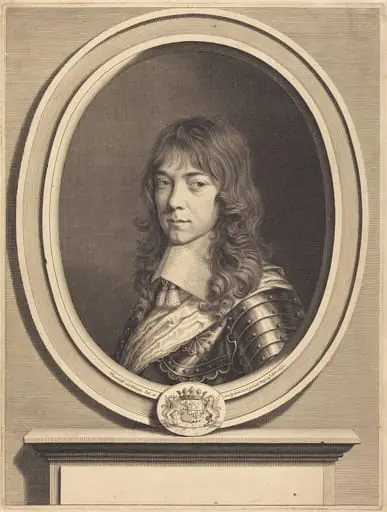
Charles V, Duc de Lorraine is an ink print by the Baroque artist Robert Nanteuil. It dates from 1660 and is held in the collection of the National Gallery of Art.
About this work
Overview
The image is rendered with fine, controlled lines typical of 17th-century printmaking, emphasizing precision over color.
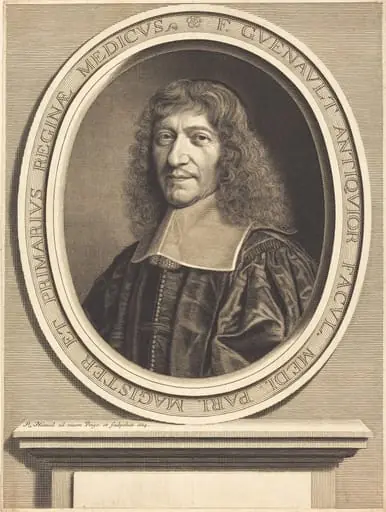
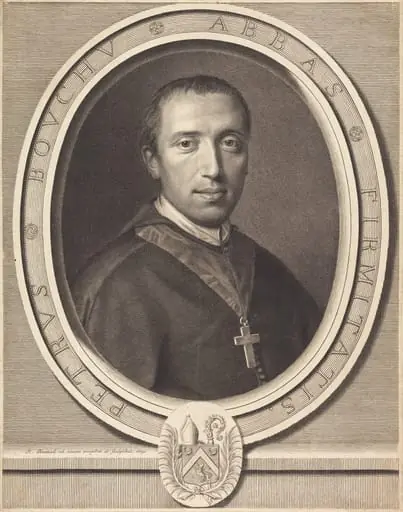
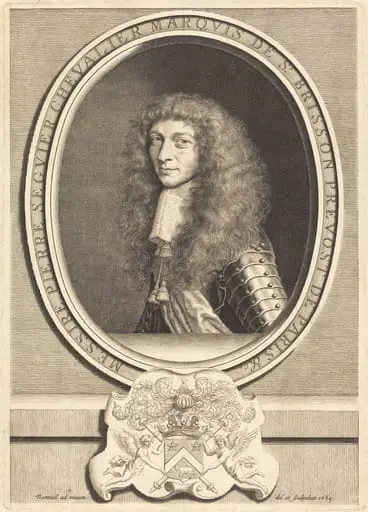
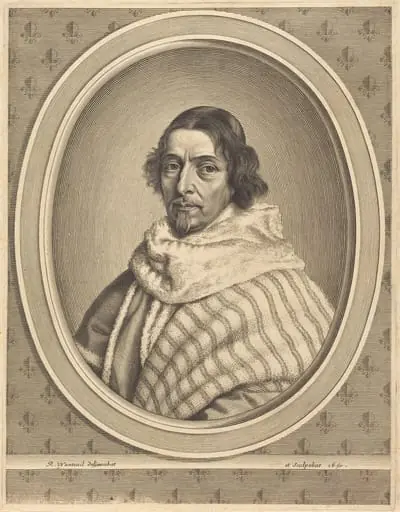
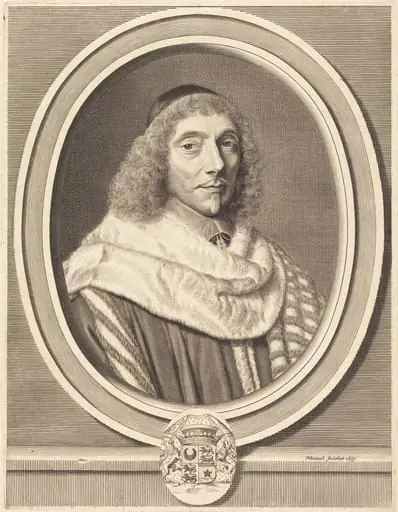
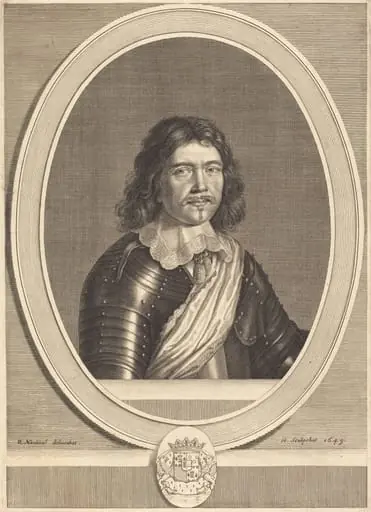
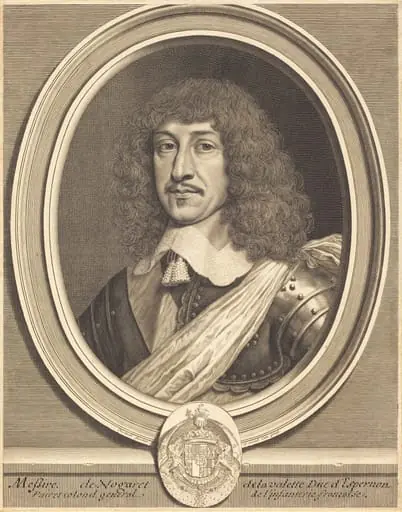
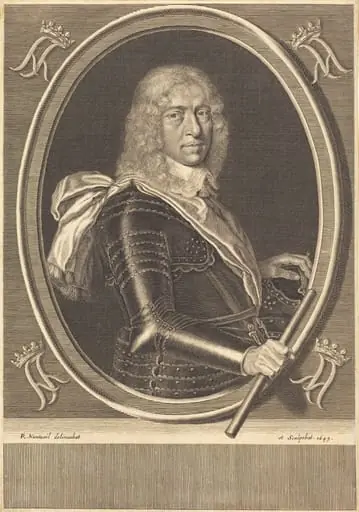
This 1660 engraving by Robert Nanteuil portrays Charles V, Duke of Lorraine, as a noble figure of the French court. Executed in black ink on paper, the work reflects Nanteuil’s role as a court engraver under Louis XIV. The image is rendered with fine, controlled lines typical of 17th-century printmaking, emphasizing precision over color. Its formal composition and heraldic elements signal its function as a portrait of status rather than mere likeness.
Subject & Meaning
Charles V, Duke of Lorraine, is depicted with a composed expression and elaborate attire, including a lace collar and dark doublet with visible buttons. The inclusion of a family coat of arms at the base reinforces his aristocratic lineage and political standing. The portrait does not convey action or emotion but instead projects dignity and authority, aligning with the conventions of courtly representation in early modern Europe.
Technique & Style
Nanteuil employed fine, cross-hatched lines to model form and texture, creating subtle gradations of light and shadow across the face and fabric. The curls of the subject’s hair and the folds of his collar are rendered with meticulous detail, demonstrating mastery of the burin tool. The decorative border of swirling motifs frames the figure without distracting, a common practice in engraved portraits of the period to elevate their ceremonial tone.
History & Provenance
Created in 1660, the engraving likely served as a diplomatic or commemorative object, circulated among European elites to affirm Charles’s position amid shifting alliances. As a favored artist of Louis XIV’s court, Nanteuil’s works were widely reproduced and collected. This print may have been part of a series documenting key figures in French political circles, though its specific early ownership remains undocumented.
Context
In mid-17th-century France, engraved portraits were vital tools for projecting power and legitimacy. Nanteuil’s work emerged during a period when Louis XIV consolidated royal authority, and noble figures like Charles V were both allies and potential rivals. The engraving reflects a broader trend of using print to disseminate controlled images of leadership, bridging the gap between painting and public perception.
Legacy
Nanteuil’s engravings set a standard for portraiture in France, influencing generations of printmakers. His ability to capture psychological presence through line work made his images enduring references for aristocratic representation. Though Charles V’s political legacy faded, this engraving remains a testament to the technical and symbolic power of print in shaping noble identity during the absolutist era.
Artist & collection
Artist
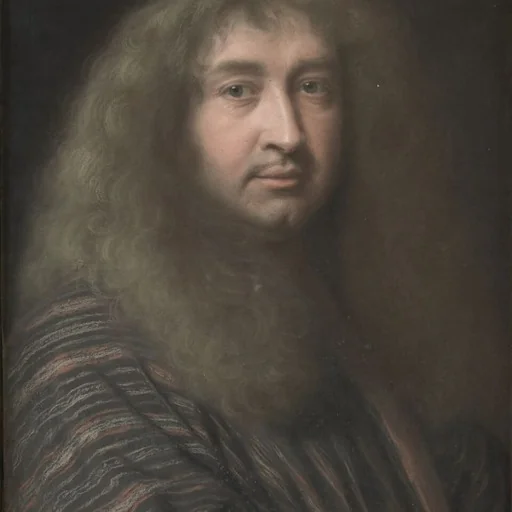
Robert Nanteuil (French pronunciation: ; 1623 – 9 December 1678) was a French portrait artist: engraver, draughtsman and pastellist to the court of Louis XIV.