Artwork
Guillaume de Lamoignon
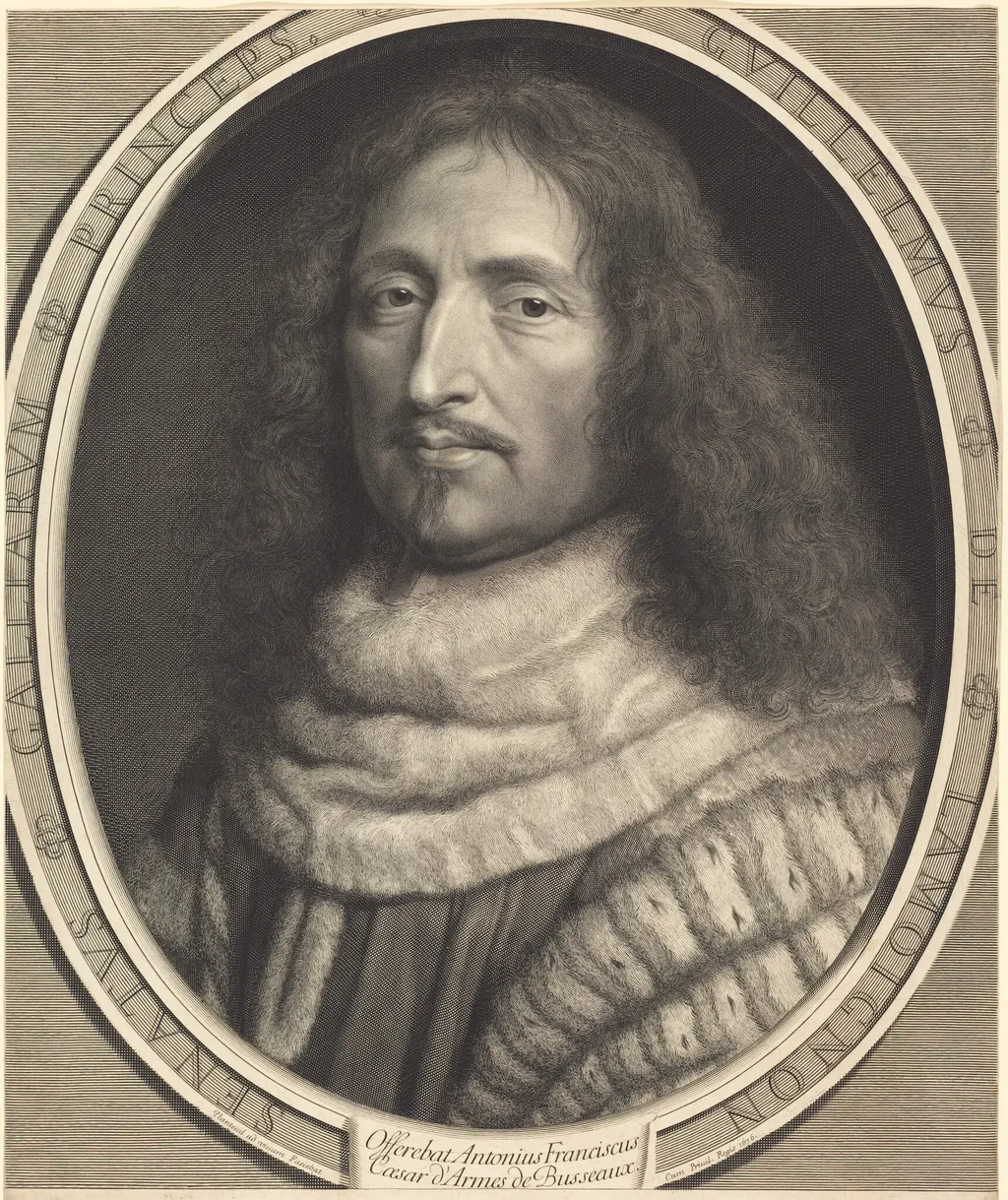
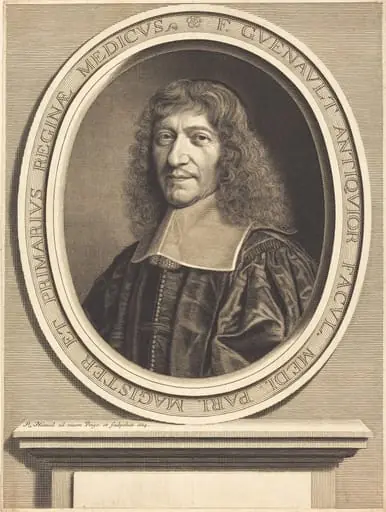
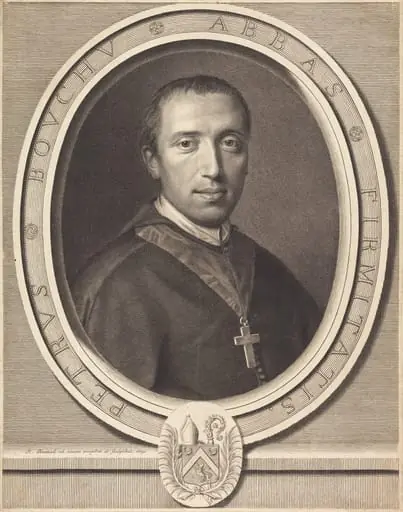
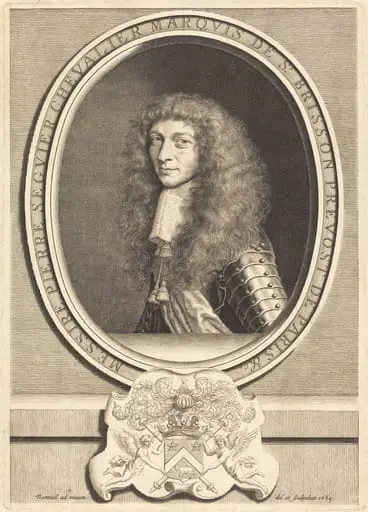
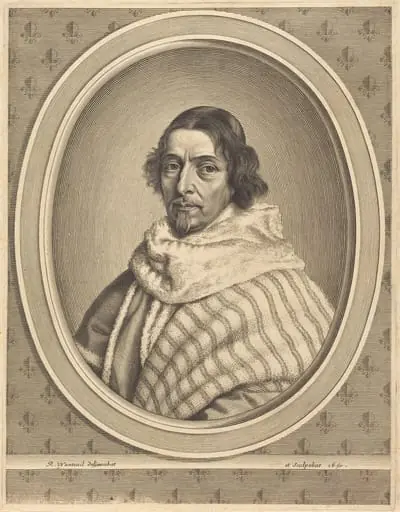
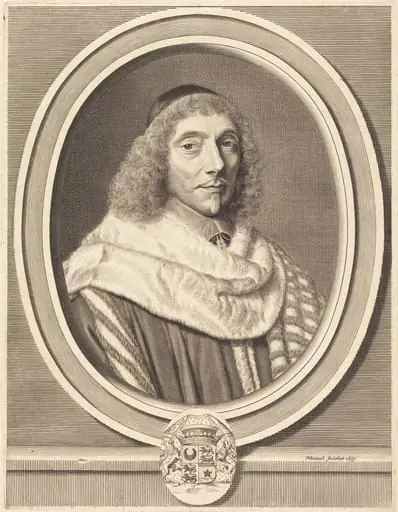
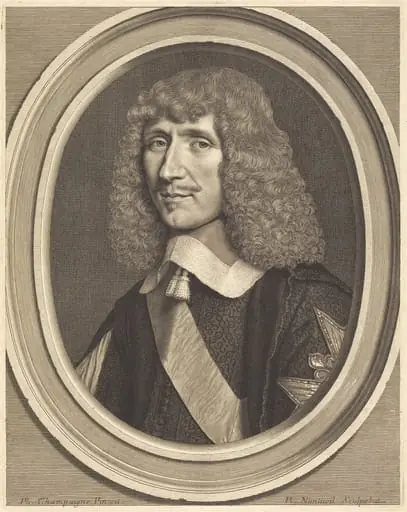
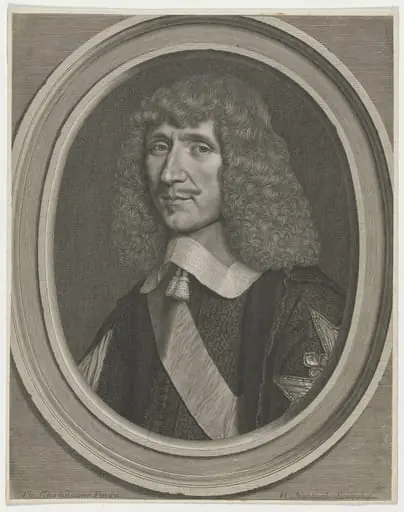
Guillaume de Lamoignon is an ink print by the Baroque artist Robert Nanteuil. It dates from 1676 and is held in the collection of the National Gallery of Art.
About this work
Overview
Nanteuil’s precision in line and tone elevated printmaking to a respected art form, capturing the dignity of his subjects with minimal color but maximal detail.
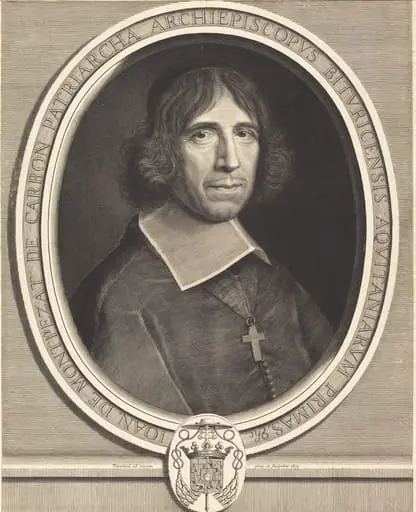
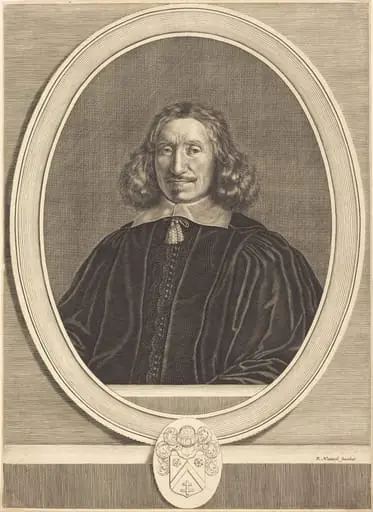
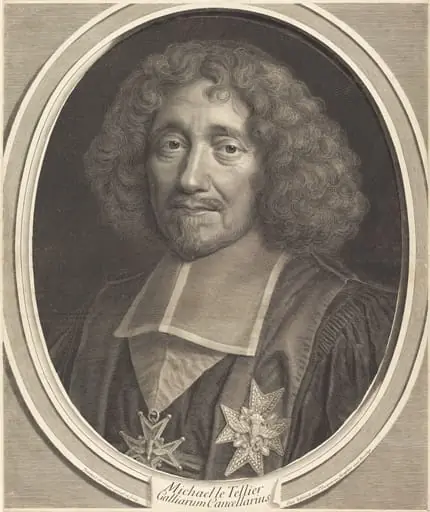
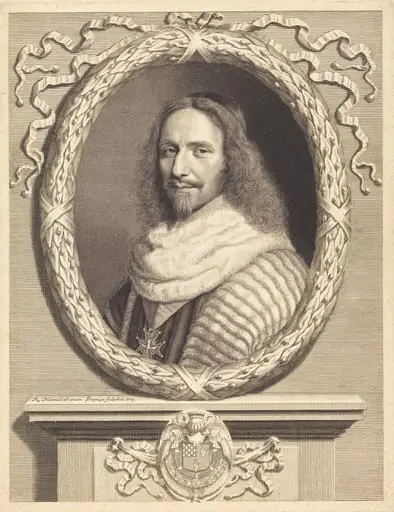
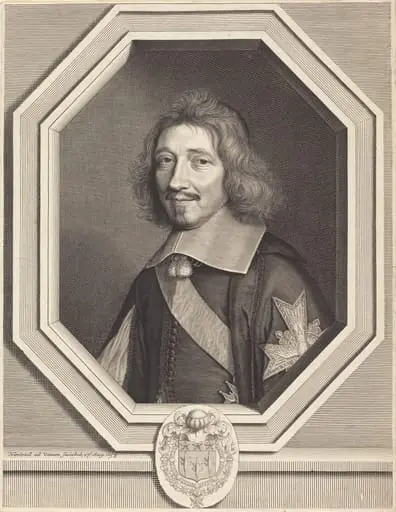
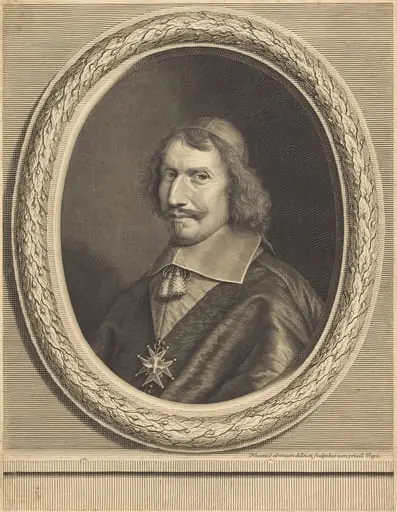
Robert Nanteuil, a leading French engraver of the late 17th century, produced this portrait of Guillaume de Lamoignon in 1676. The work is a copperplate engraving, part of a broader tradition of aristocratic and judicial portraiture under Louis XIV. Nanteuil’s precision in line and tone elevated printmaking to a respected art form, capturing the dignity of his subjects with minimal color but maximal detail.
Subject & Meaning
Guillaume de Lamoignon was a prominent jurist and statesman who served as Chancellor of France. The portrait presents him in formal attire, conveying authority and composure. His expression is restrained, reflecting the gravity of his public role. The emphasis on his wig and embroidered coat signals status within the ancien régime, aligning the image with the era’s ideals of order and institutional power.
Technique & Style
Nanteuil employed fine cross-hatching to model form and texture, creating a sculptural effect through controlled contrasts of light and shadow. The sharp, deliberate lines define the folds of fabric and the contours of the face with remarkable clarity. His technique avoided washes or tone, relying solely on engraved lines to suggest volume, depth, and the sheen of silk or wool, giving the image a tactile realism.
History & Provenance
Created during Nanteuil’s tenure as court engraver, this portrait likely served as an official likeness for administrative or familial use. It was part of a series of portraits of French elites commissioned by the monarchy or their associates. The print circulated among legal and political circles, reinforcing the subject’s public image and the artist’s reputation for accuracy and refinement.
Context
In the reign of Louis XIV, portraiture was a tool of statecraft, used to project the stability and hierarchy of the monarchy’s administration. Engravings like this one allowed for wider dissemination of official likenesses beyond painted originals. Nanteuil’s work aligned with the era’s preference for restrained elegance, mirroring the court’s aesthetic and the jurist’s role as a pillar of royal governance.
Legacy
Nanteuil’s engravings set a standard for portrait reproduction in France, influencing generations of printmakers. His ability to convey character through line alone made his works enduring references for historical figures. Though the original plate may no longer be in use, copies of this engraving remain in major collections as examples of 17th-century French graphic art at its most disciplined and expressive.
Artist & collection
Artist
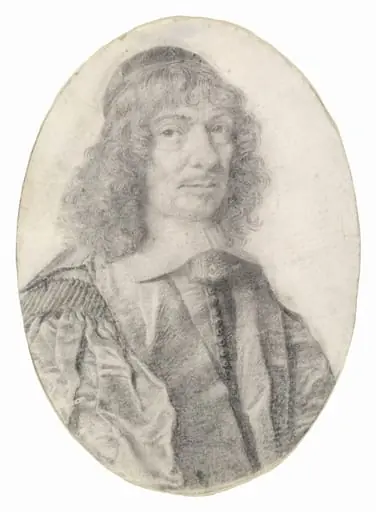
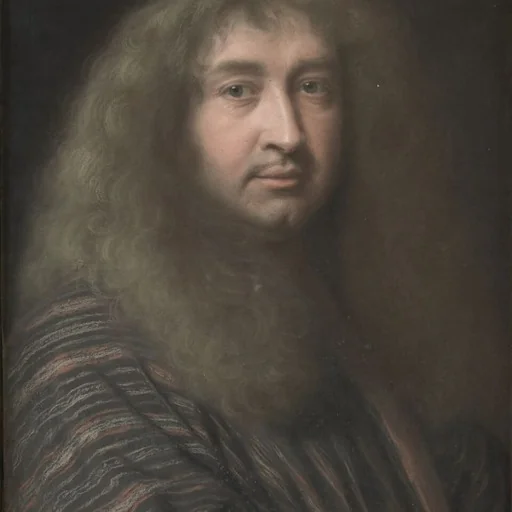
Robert Nanteuil (French pronunciation: ; 1623 – 9 December 1678) was a French portrait artist: engraver, draughtsman and pastellist to the court of Louis XIV.