Artwork
Henri II, Duc de Nemours
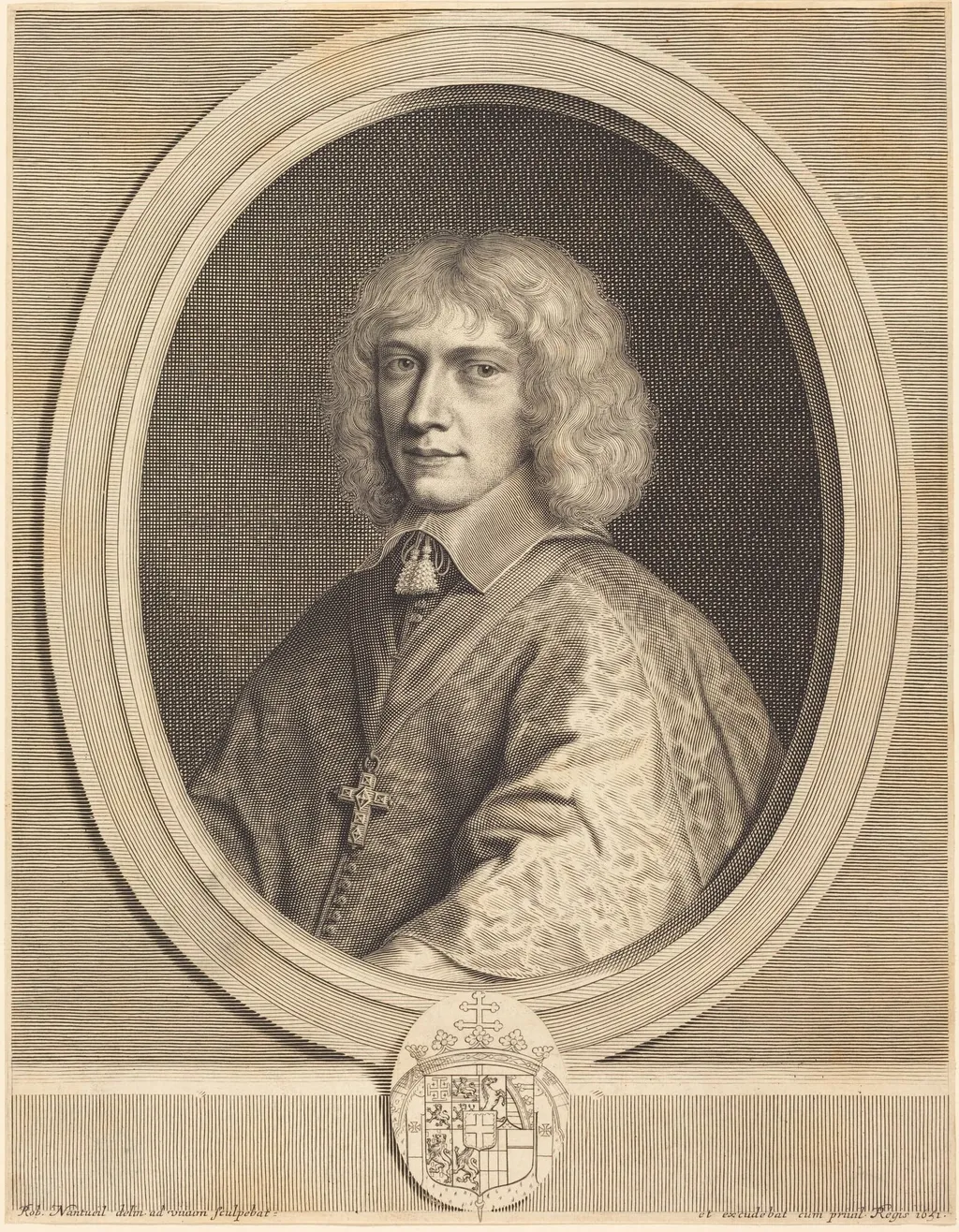
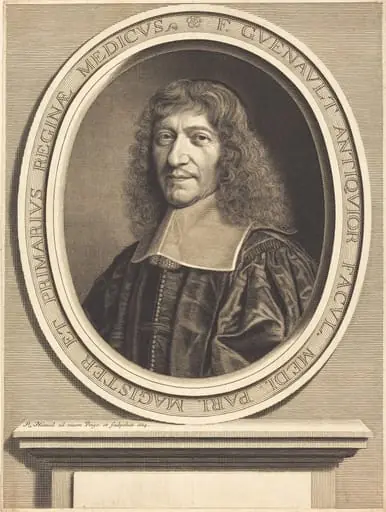
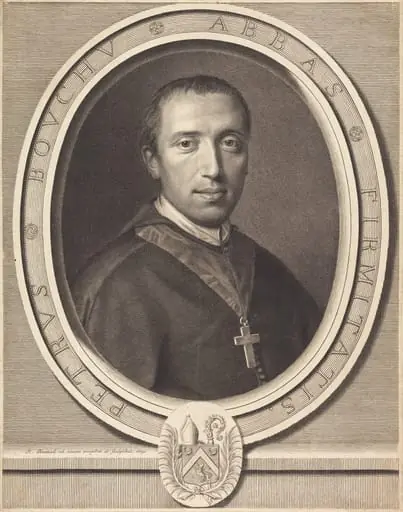
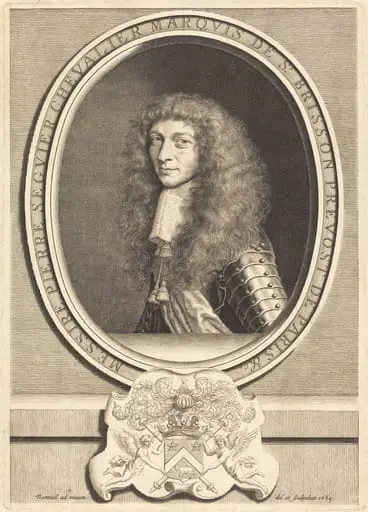
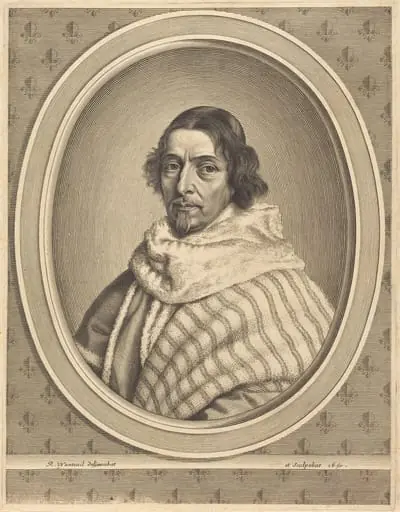
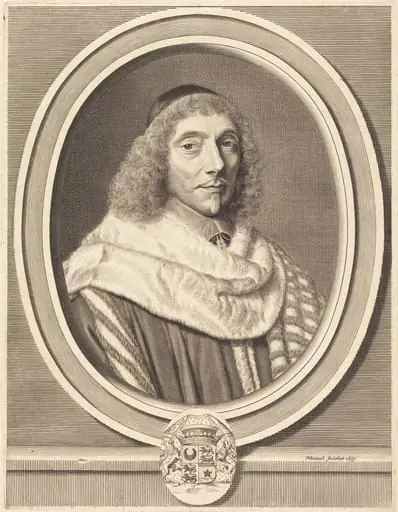
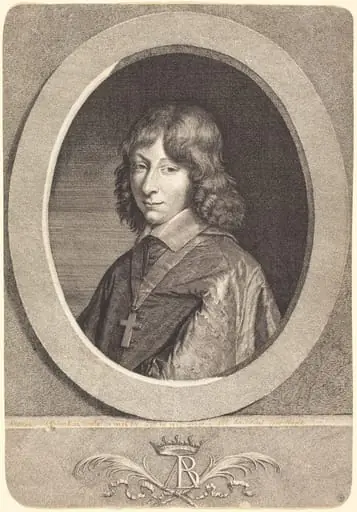
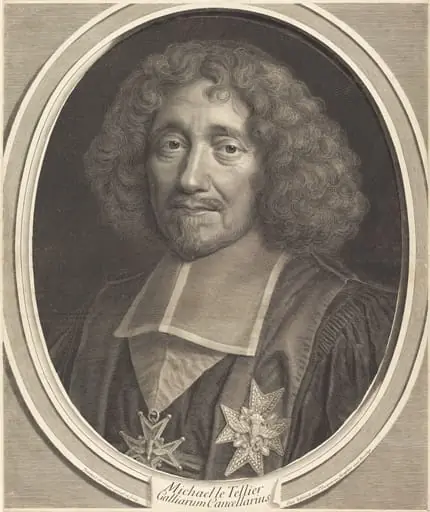
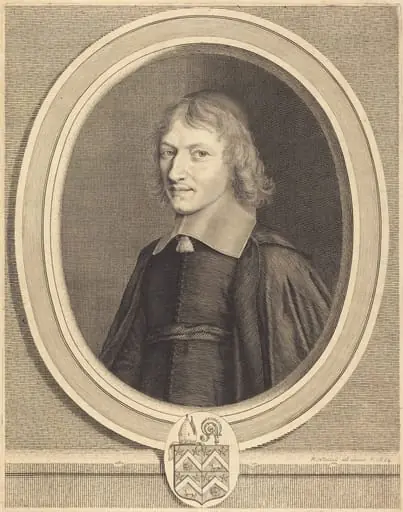
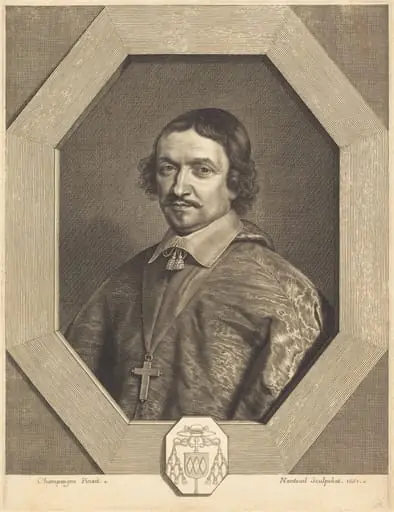
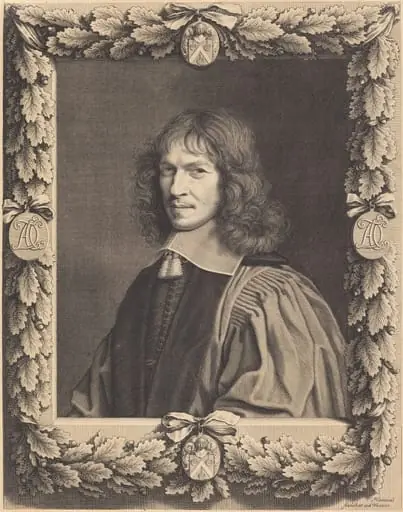
Henri II, Duc de Nemours is an ink print by the Baroque artist Robert Nanteuil. It dates from 1651 and is held in the collection of the National Gallery of Art.
About this work
Overview
The composition adheres to formal conventions of aristocratic portraiture, emphasizing dignity through restrained detail and precise line work.
Created in 1651, this engraving by Robert Nanteuil depicts Henri II, Duke of Nemours, as part of a series of official portraits commissioned for the French court. Executed in ink on paper, the work reflects Nanteuil’s role as a principal engraver to Louis XIV, translating the likenesses of nobility into reproducible images for elite circulation. The composition adheres to formal conventions of aristocratic portraiture, emphasizing dignity through restrained detail and precise line work.
Subject & Meaning
Henri II, Duke of Nemours, was a member of the French nobility with ties to the royal family. The portrait presents him in formal attire—high collar, lace cuffs—conveying status and refinement. The circular frame and heraldic shield below, crowned and bearing a family emblem, reinforce his lineage and social rank. His expression is solemn, avoiding theatricality to project gravitas befitting his position within the hierarchical structure of 17th-century France.
Technique & Style
Nanteuil employed fine cross-hatching to model volume and texture, using closely spaced parallel lines to build shadows and suggest the sheen of fabric or the softness of hair. The engraving’s precision stems from incising lines into a metal plate, then inking and pressing it onto paper. This method allowed for sharp, repeatable images, essential for disseminating official likenesses. The monochrome palette enhances clarity, focusing attention on form and detail rather than color.
History & Provenance
The print was produced during Nanteuil’s tenure as court engraver, a position that granted him access to the highest echelons of French society. Likely commissioned by the Duke’s circle or the royal administration, it served both as a personal memento and a political statement of lineage. Surviving impressions are held in major European print collections, attesting to its circulation among aristocratic and scholarly audiences in the decades following its creation.
Context
In mid-17th century France, engraved portraits were vital tools for projecting power and identity beyond the court. With photography nonexistent, such images standardized the visual representation of nobility across regions. Nanteuil’s work aligned with broader trends in French portraiture that favored realism over idealization, reflecting the growing emphasis on individual identity within a rigid social order.
Legacy
Nanteuil’s engravings set a standard for French portraiture in the Baroque era, influencing later printmakers through their technical discipline and psychological restraint. While the Duke of Nemours is less remembered today, Nanteuil’s prints endure as key documents of aristocratic representation. His approach to capturing likeness with minimal yet precise marks remains a benchmark in the history of printmaking.
Artist & collection
Artist
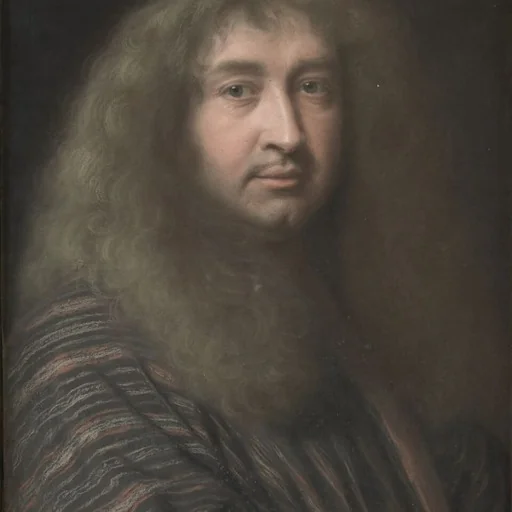
Robert Nanteuil (French pronunciation: ; 1623 – 9 December 1678) was a French portrait artist: engraver, draughtsman and pastellist to the court of Louis XIV.