Artwork
Jean Dorieu
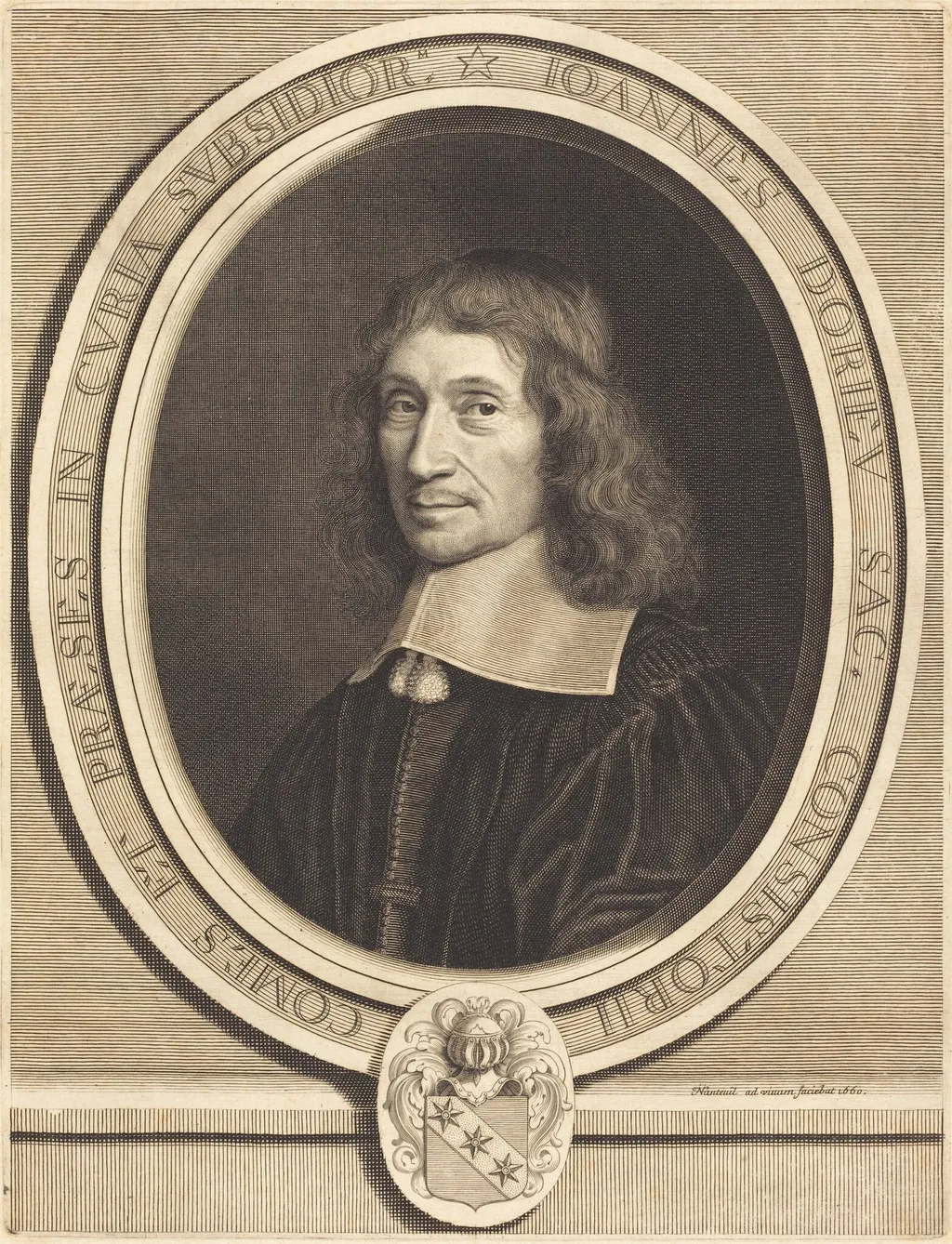
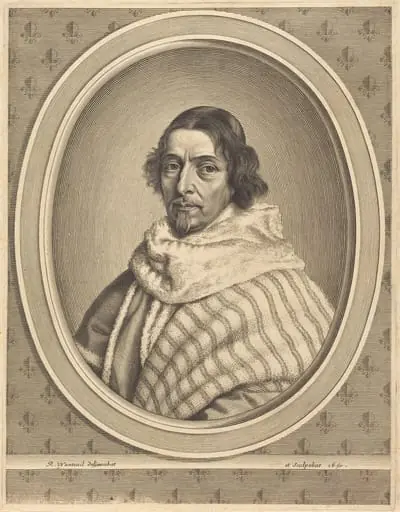
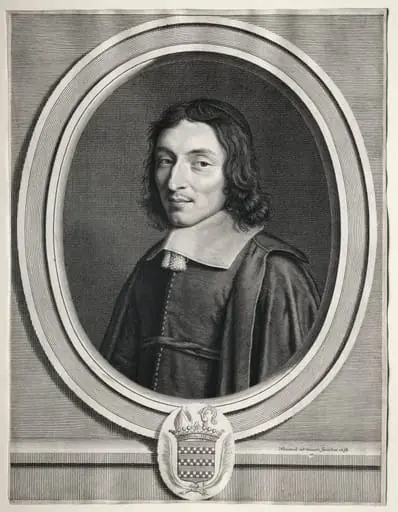
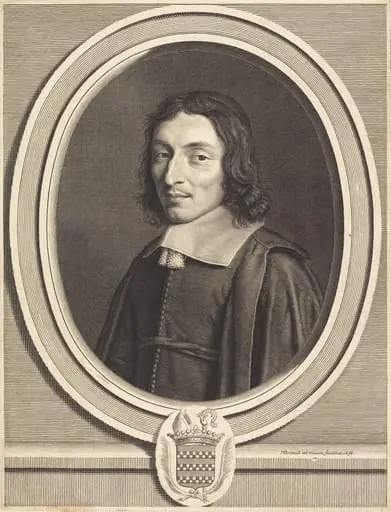
Jean Dorieu is an ink print by the Baroque artist Robert Nanteuil. It dates from 1660 and is held in the collection of the National Gallery of Art.
About this work
Overview
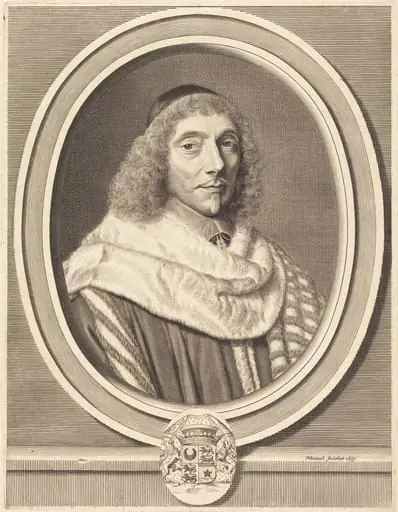
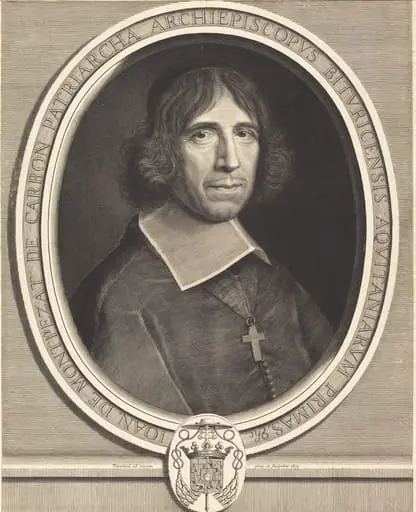
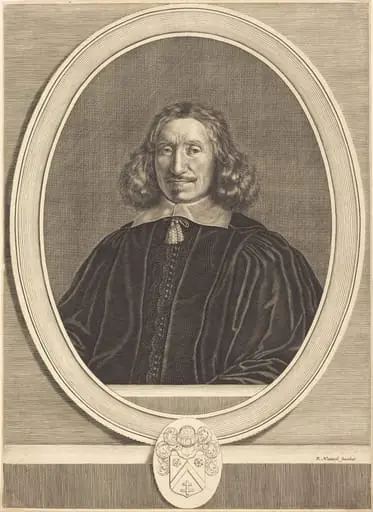
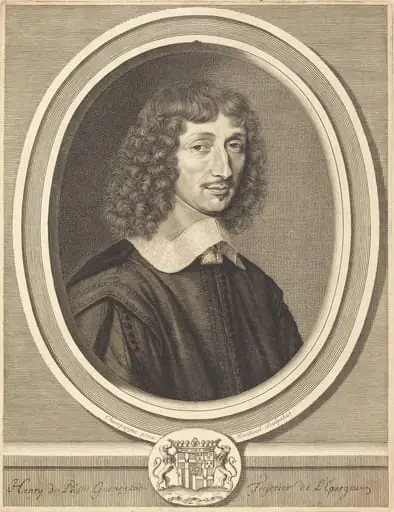
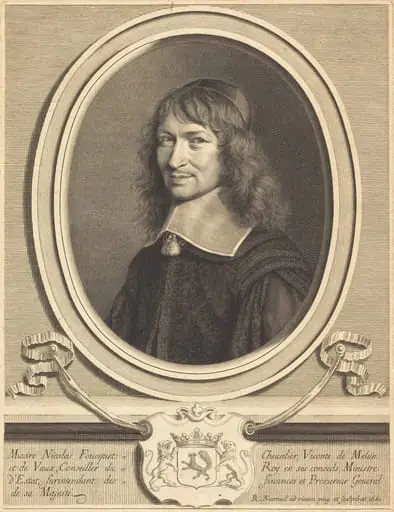
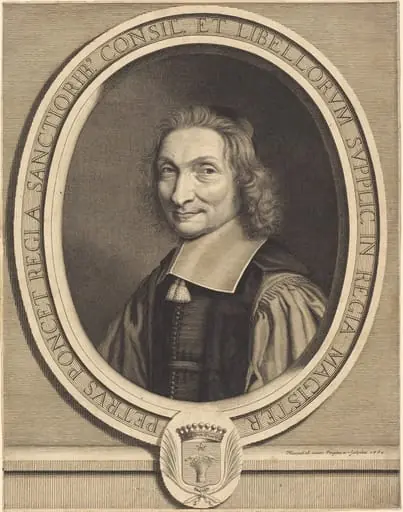
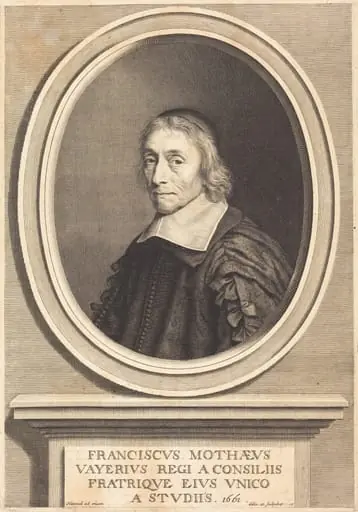
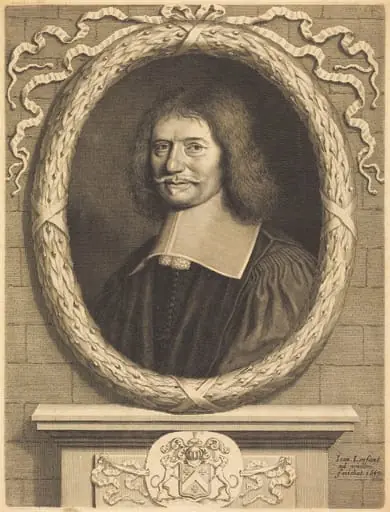
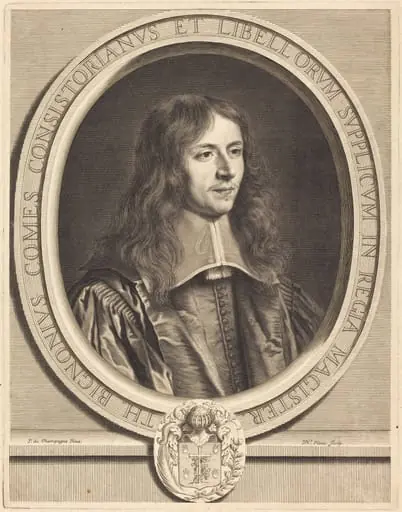
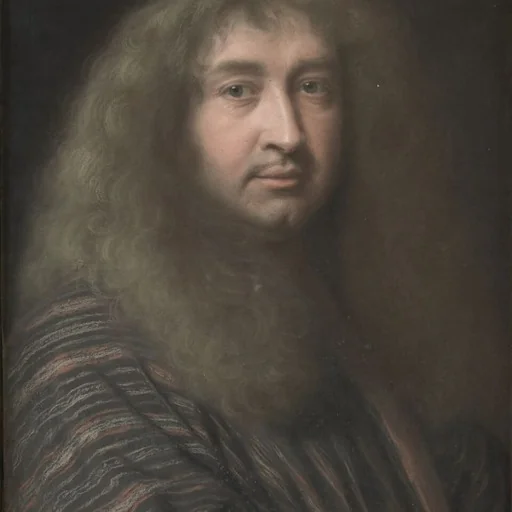
Jean Dorieu is a 1660 engraving by Robert Nanteuil, a French artist who held court appointments under Louis XIV. This black-and-white portrait depicts a man with distinctive curly hair and a solemn expression, adorned in a dark collar with a visible white cuff. A small shield bearing a cross and stars is situated below his chin.
Subject & Meaning
The subject, Jean Dorieu, is portrayed in a formal, dignified manner, suggesting his potential affiliation with or significance to the royal circle, given Nanteuil’s role in creating official portraits for the court.
Technique & Style
The engraving showcases Nanteuil’s mastery of his medium, particularly in the use of tiny parallel marks to achieve shaded areas around the subject’s face, a hallmark of meticulous engraving techniques.
History & Provenance
Created in 1660, the engraving was produced during Nanteuil’s tenure as engraver, draughtsman, and pastellist to the court of Louis XIV, indicating its origin within the royal artistic patronage of 17th-century France.
Context
As an official court artist, Nanteuil’s work, including *Jean Dorieu*, reflects the artistic demands of the French monarchy during the mid-17th century, emphasizing formal portraiture for the nobility and royal associates.
Legacy
While specific lasting impacts of *Jean Dorieu* on broader art historical movements are not prominently documented, it remains a characteristic example of Nanteuil’s contributions to the portrait engraving tradition of 17th-century France.
Artist & collection
Artist
Robert Nanteuil (French pronunciation: ; 1623 – 9 December 1678) was a French portrait artist: engraver, draughtsman and pastellist to the court of Louis XIV.