Artwork
Thierry Bignon
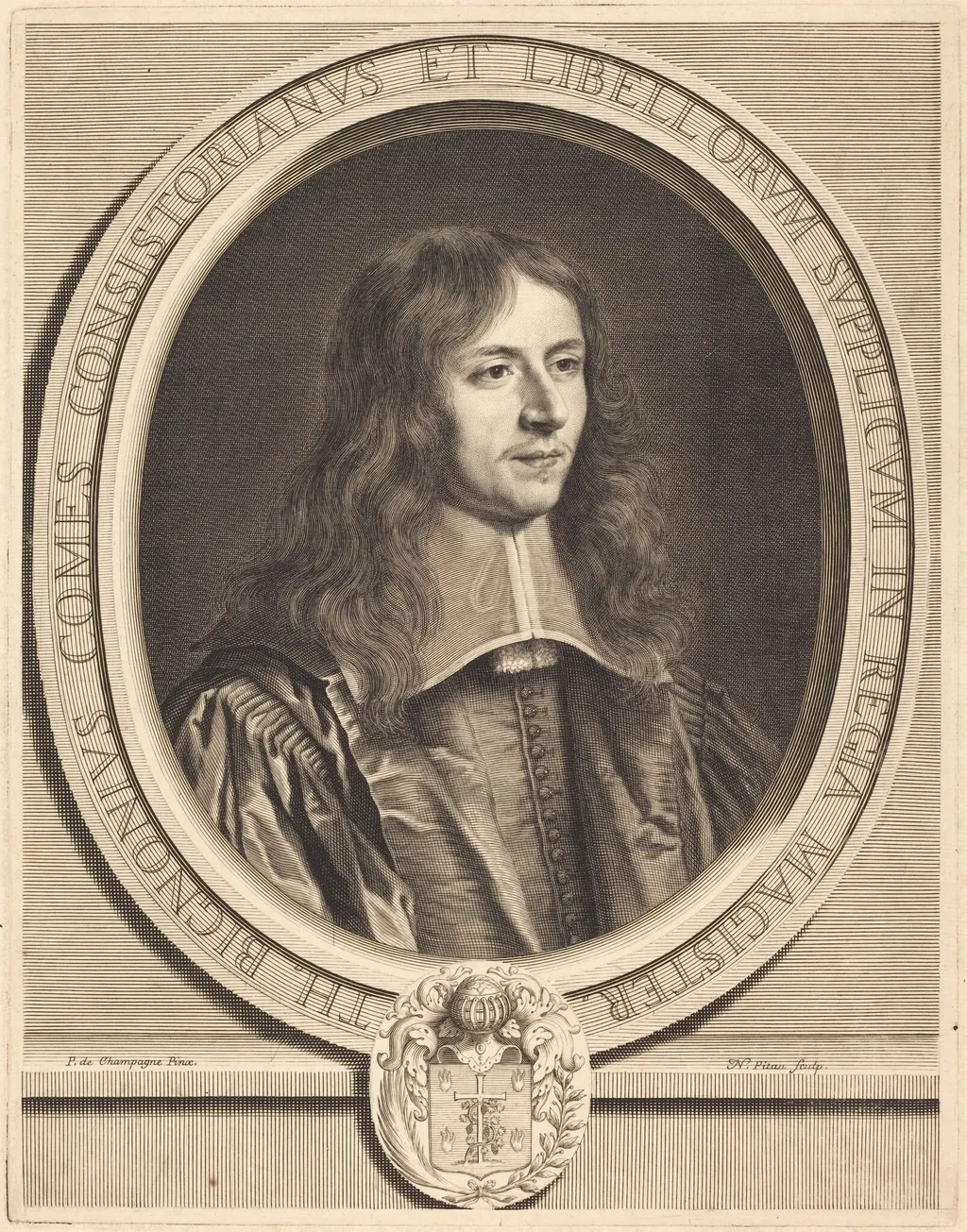
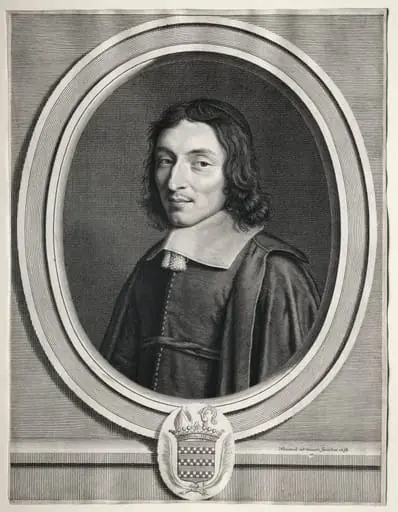
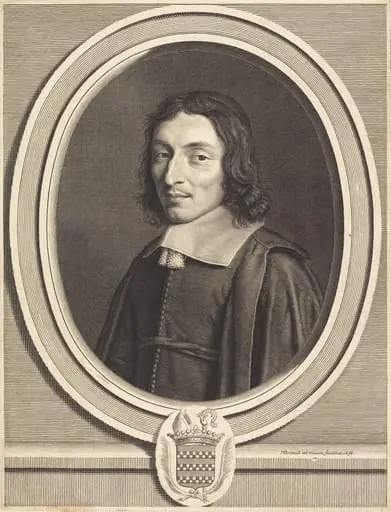
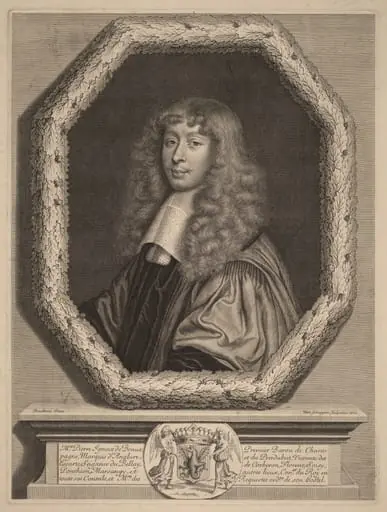
Thierry Bignon is an ink print by the Baroque artist Nicolas Pitau I. It dates from 1652 and is held in the collection of the National Gallery of Art.
About this work
Overview
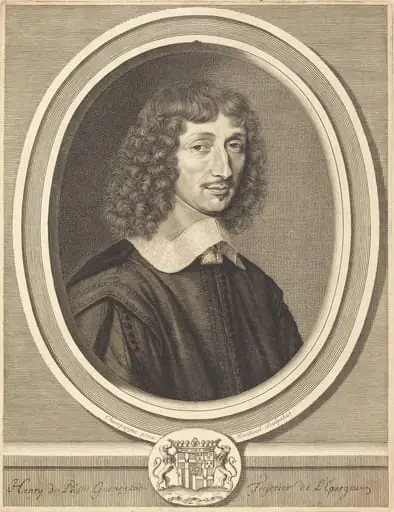
Thierry Bignon is a 1652 engraving executed by the French printmaker Nicolas Pitau I. The work presents a single figure framed by an ornamental circular cartouche, characteristic of mid‑seventeenth‑century portrait prints.
Subject & Meaning
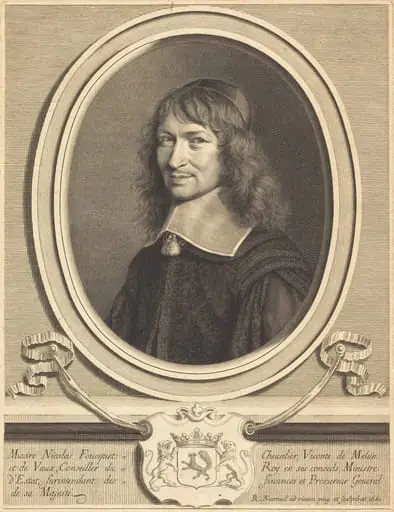
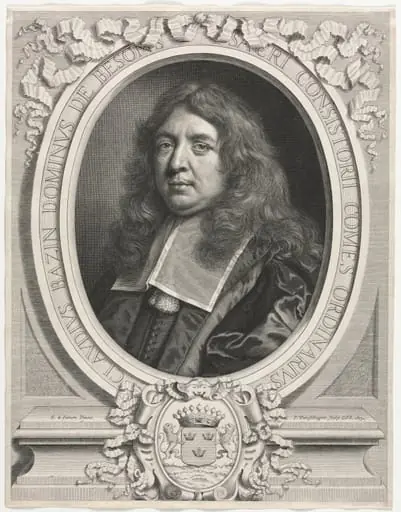
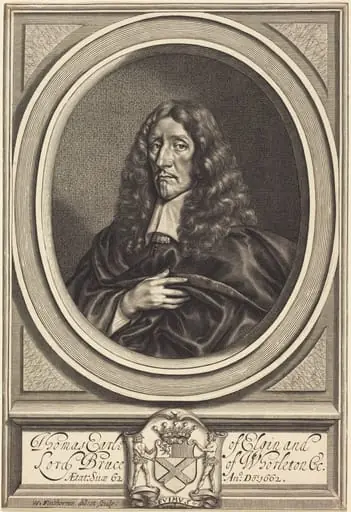
The portrait depicts a man with shoulder‑length, wavy hair and a high‑collared, dark jacket. He gazes to his left with a solemn expression, suggesting a dignified or official status. The surrounding cartouche bears an inscription, likely identifying the sitter as Thierry Bignon.
Technique & Style
Pitau employs fine cross‑hatching and delicate line work to render the textures of hair, fabric and the intricate foliage and floral motifs of the frame. The precision of the engraving aligns with Baroque aesthetic preferences for elaborate detail and dramatic contrast.
History & Provenance
Created in 1652, the print belongs to the period when Nicolas Pitau I was active in Paris, collaborating with leading publishers of portrait engravings. Its survival in museum collections indicates it was widely circulated among collectors of printed portraits in the seventeenth century.
Context
The engraving reflects the Baroque era’s fascination with individualized portraiture, where prints served both as personal commemorations and as means of disseminating the likenesses of notable individuals across Europe.
Artist & collection