Artwork
Jean-Pierre Sarrazin
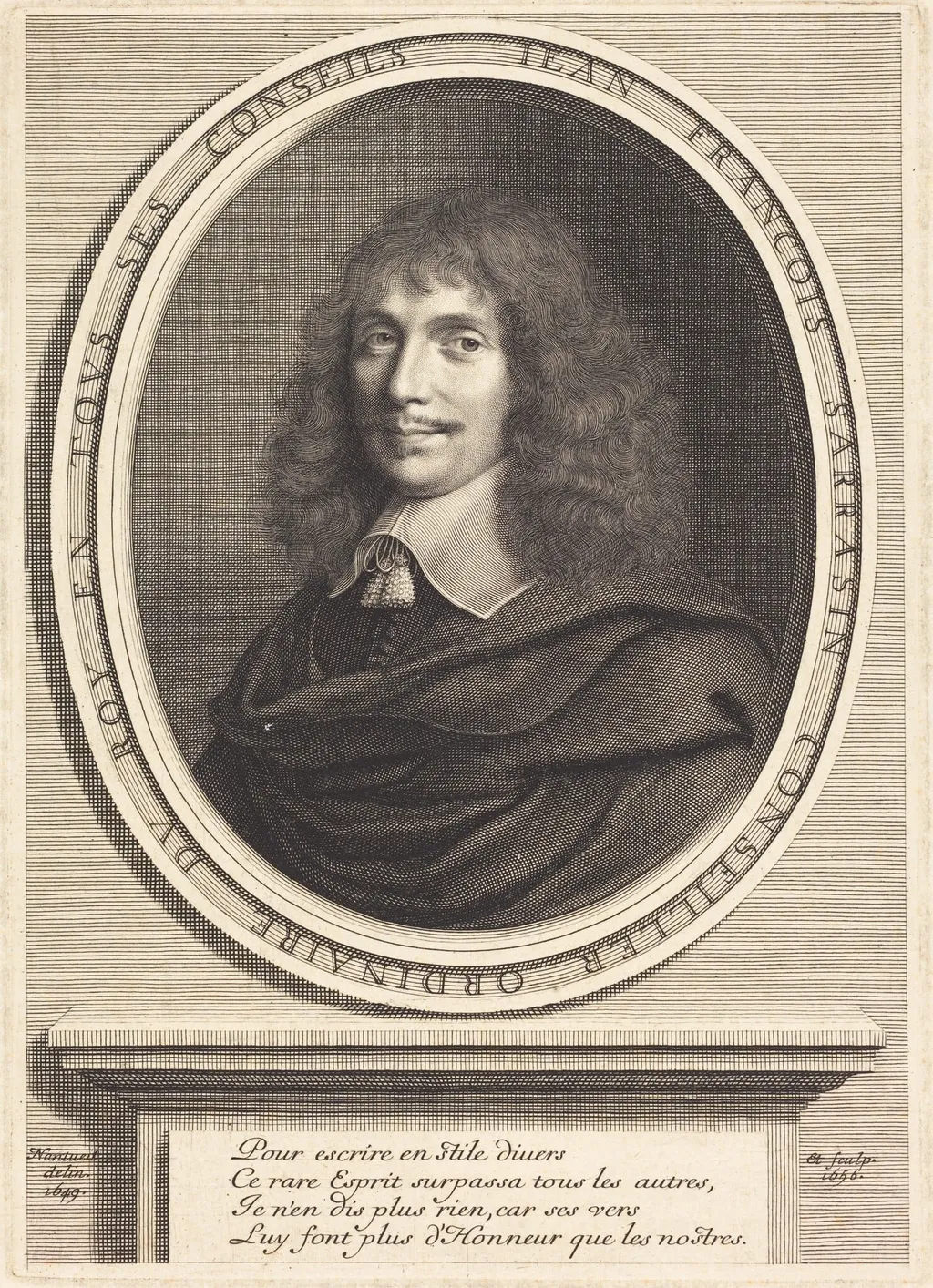
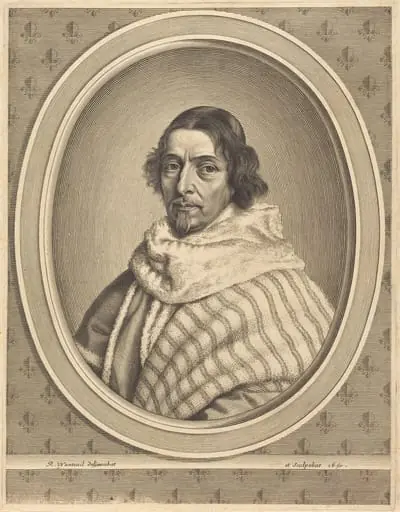
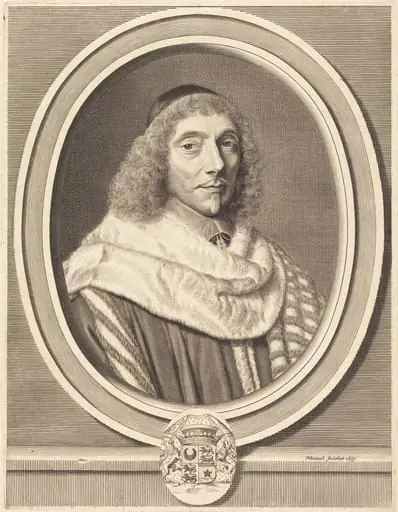
Jean-Pierre Sarrazin is an ink print by the Baroque artist Robert Nanteuil. It dates from 1656 and is held in the collection of the National Gallery of Art.
About this work
The artist used fine lines to create shading and detail, which is typical of this style.
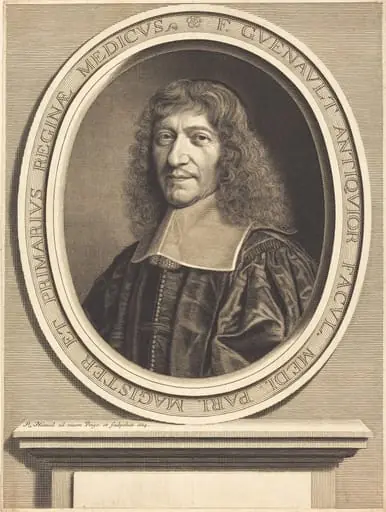
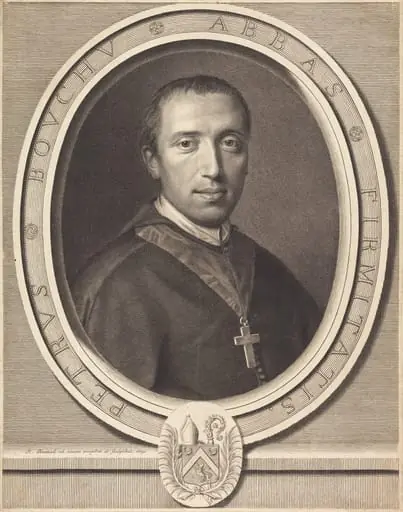
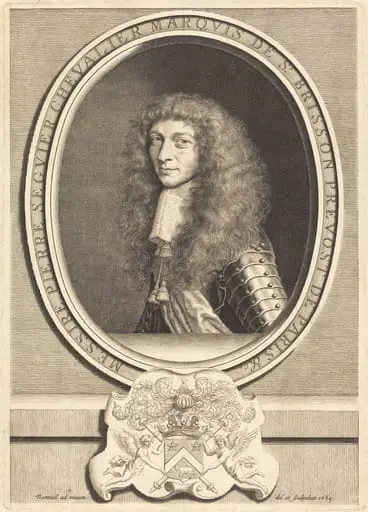
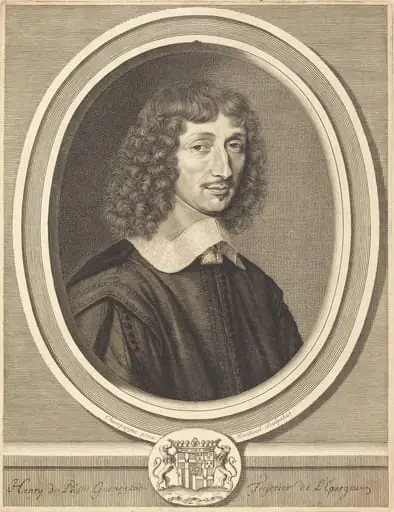
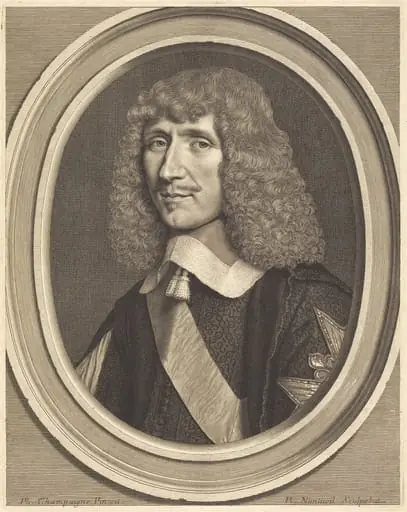
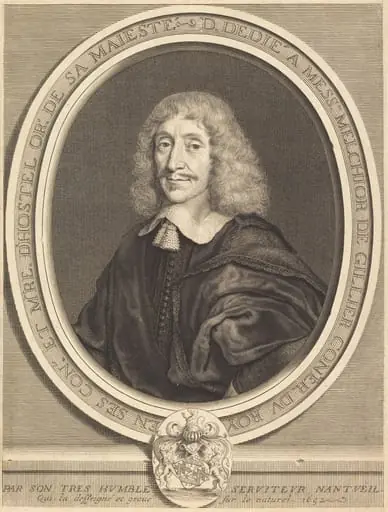
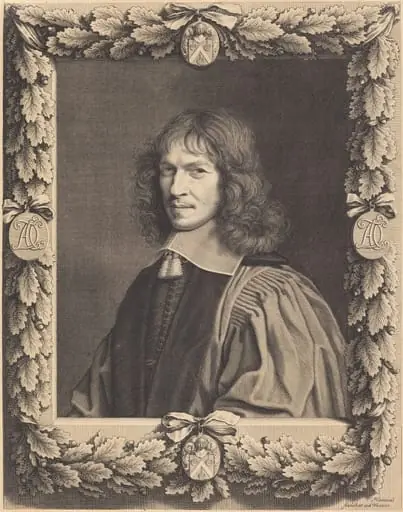
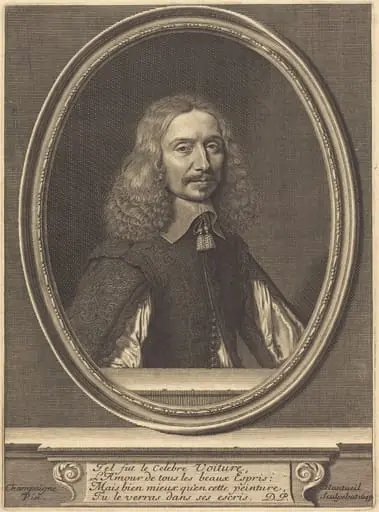
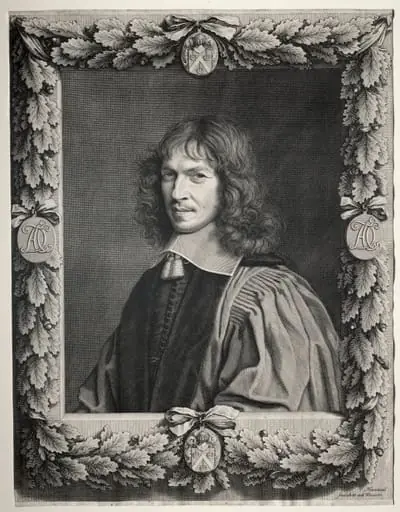
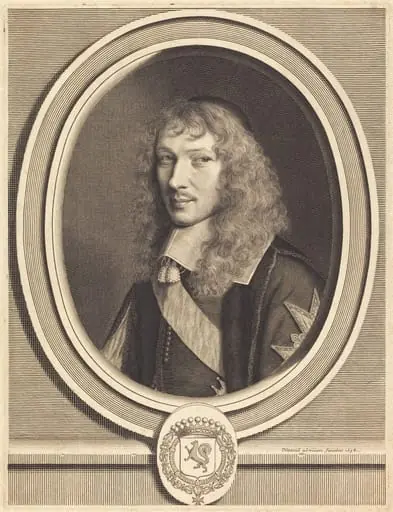
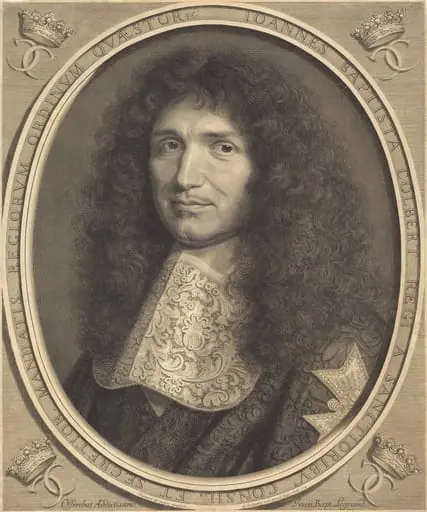
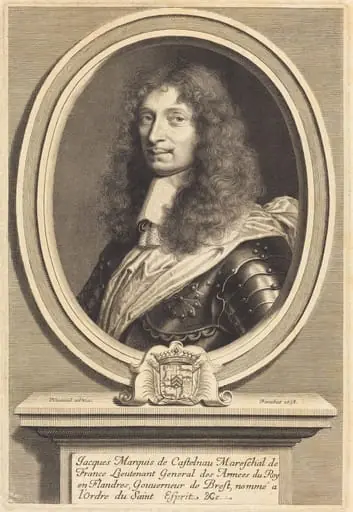
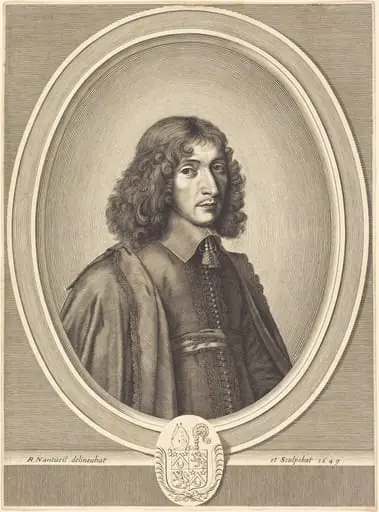
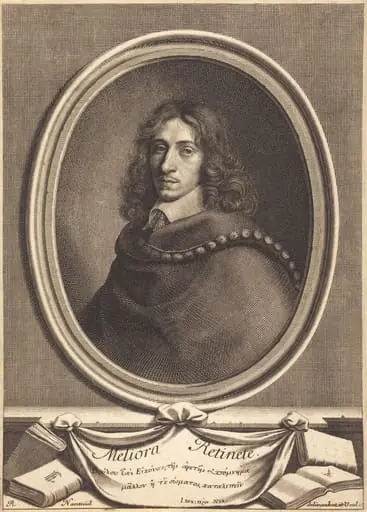
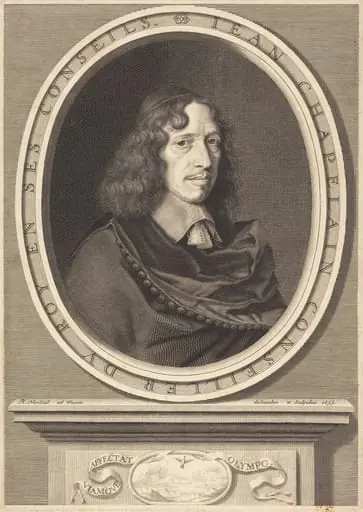
This is a black-and-white portrait of a man with curly hair and a high collar. His face is the main focus, framed inside a circle. Around the circle, there’s a pattern of musical notes and lines. Below, there’s text in French.
The name at the bottom reads *Jean-Pierre Sarrazin*, and the year is 1656. The artist used fine lines to create shading and detail, which is typical of this style.
Next, look up engraving to see how artists like this one made prints.
Overview
This 1656 engraving by Robert Nanteuil portrays Jean-Pierre Sarrazin, a French writer and translator. Executed in black ink on paper, the portrait is framed within a circular border adorned with musical motifs. The composition emphasizes the sitter’s face, rendered with precise linear detail typical of Nanteuil’s approach. Below the image, the subject’s name and the date are inscribed in French, anchoring the work in its historical moment.
Subject & Meaning
Jean-Pierre Sarrazin was known for his literary translations and scholarly contributions in mid-17th-century France. The portrait presents him with quiet dignity, his curled hair and high collar suggesting intellectual refinement. The inclusion of musical elements around the frame may allude to his engagement with poetic rhythm or the cultural interplay between literature and music in courtly circles, though no direct biographical link is documented.
Technique & Style
Nanteuil employed fine, controlled lines to model form and texture, characteristic of his engraved portraiture. Shading is achieved through delicate hatching rather than tone, giving the face a lifelike subtlety. The circular format concentrates attention on the subject’s expression, while the ornamental border contrasts with the realism of the face. This balance between precision and decoration reflects the aesthetic values of French academic portraiture at the time.
History & Provenance
Created in 1656, the engraving was likely produced as part of a series documenting notable French figures of the era. Nanteuil, appointed engraver to Louis XIV’s court, often worked from life or preparatory drawings to produce portraits for aristocratic and intellectual patrons. This print may have circulated among literary circles or been collected as a record of contemporary cultural figures.
Context
In mid-17th-century France, engraved portraits served as both personal mementos and markers of social status. The rise of print culture allowed images of scholars and courtiers to reach wider audiences beyond painted commissions. Nanteuil’s work aligned with this trend, offering a standardized yet intimate representation of individuals who shaped intellectual life under the monarchy.
Legacy
Nanteuil’s engravings, including this one, became benchmarks for portrait printmaking in France. His technique influenced generations of engravers who sought to capture psychological depth through line alone. Though Sarrazin is less remembered today, the print endures as an example of how print media preserved the likenesses of lesser-known cultural figures during the reign of Louis XIV.
Artist & collection
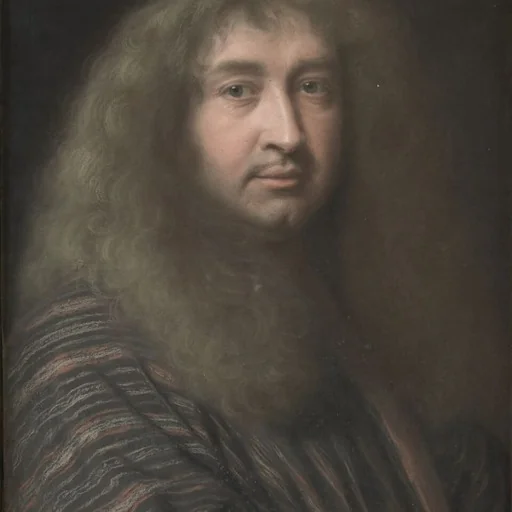
Artist
Robert Nanteuil (French pronunciation: ; 1623 – 9 December 1678) was a French portrait artist: engraver, draughtsman and pastellist to the court of Louis XIV.