Artwork
Jean Chapelain
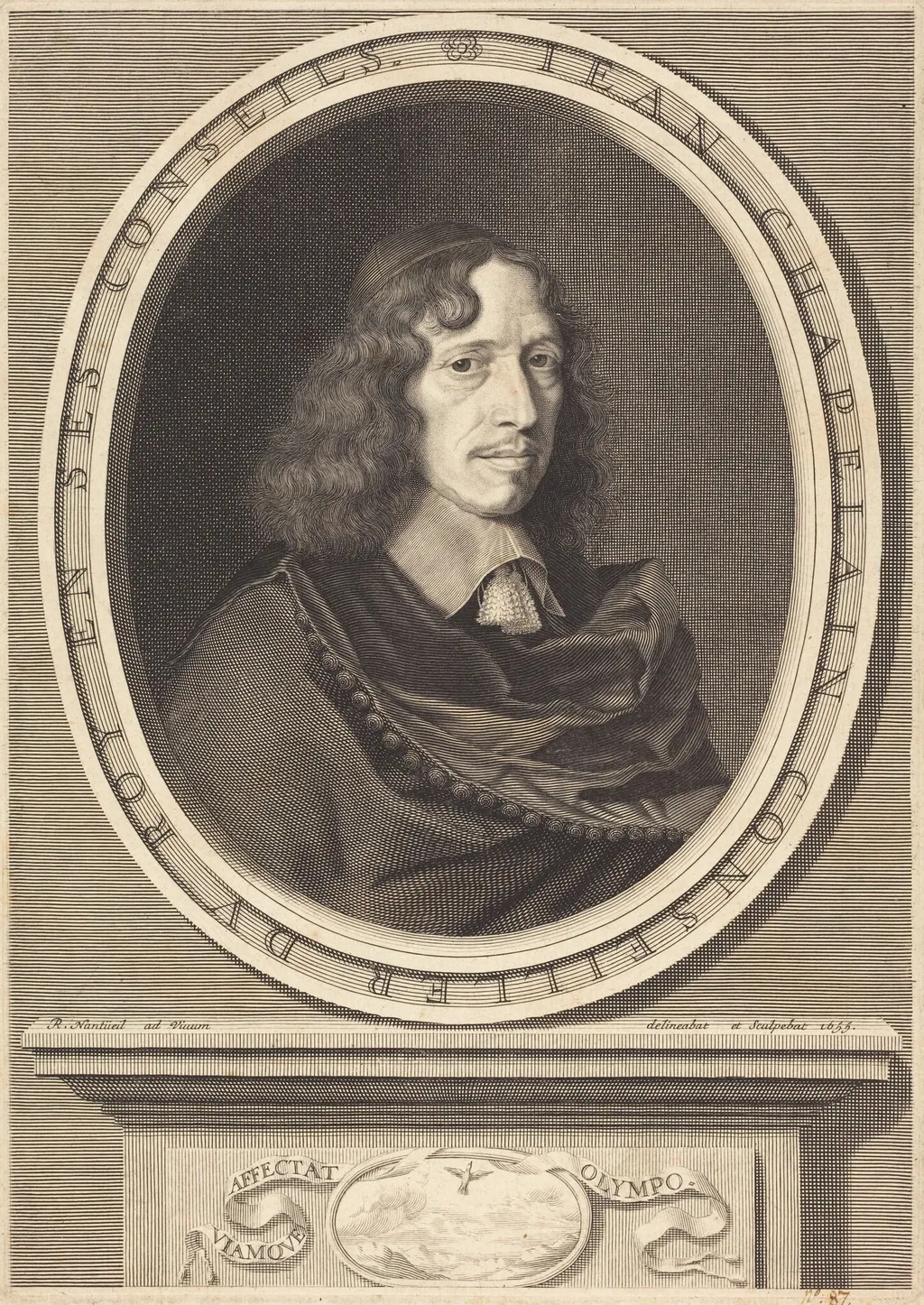
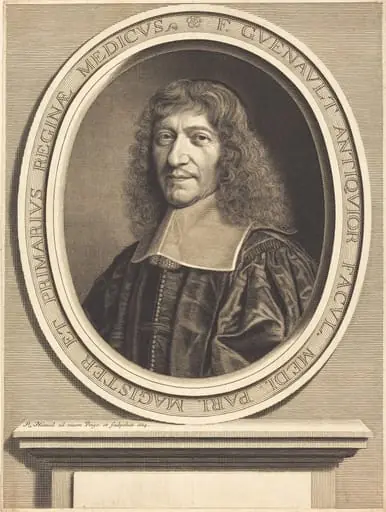
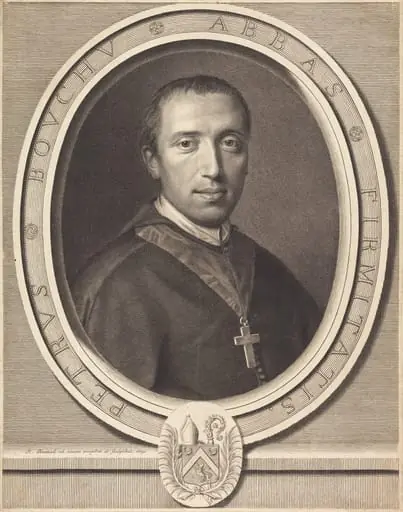
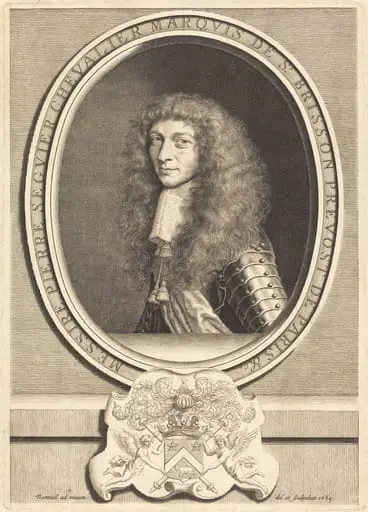
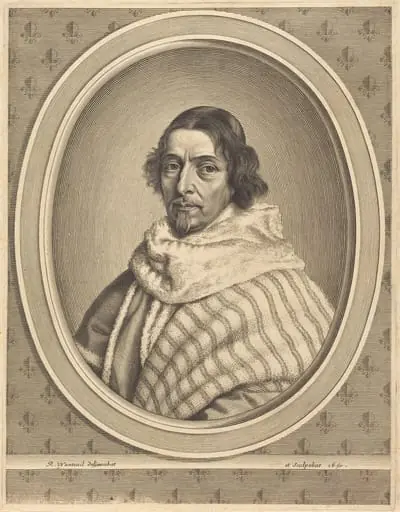
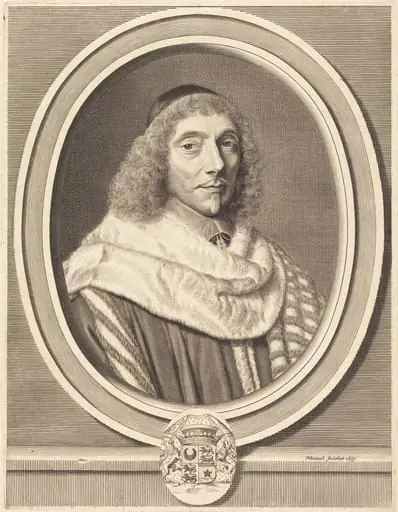
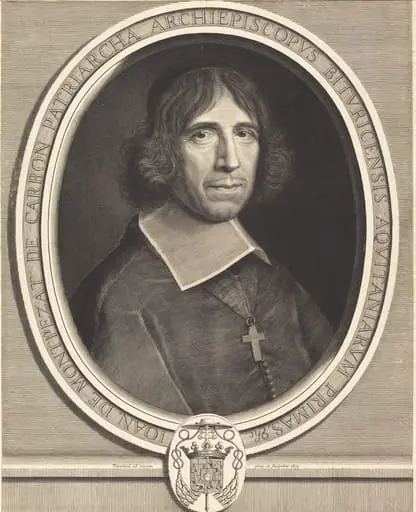
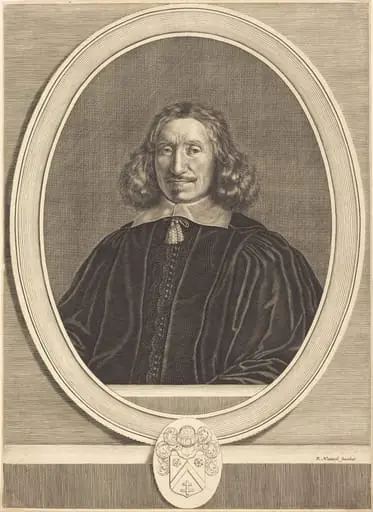
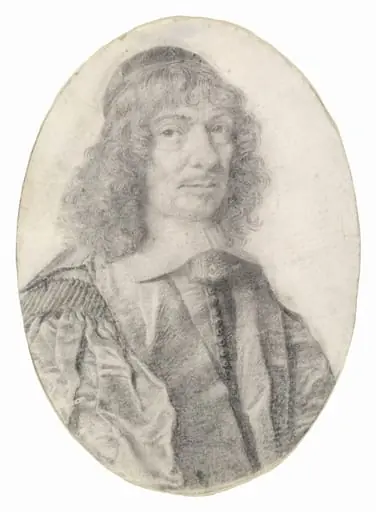
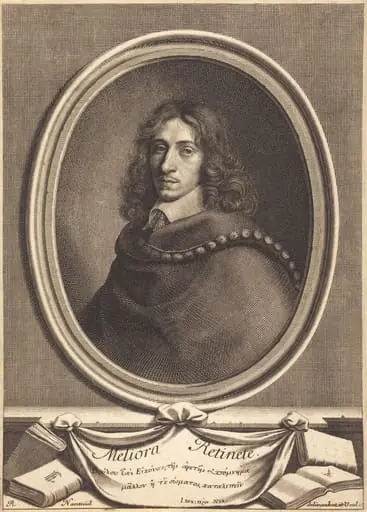
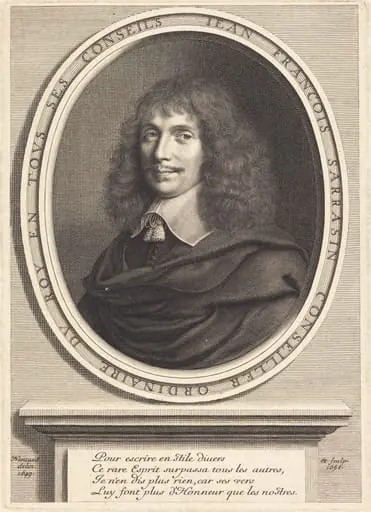
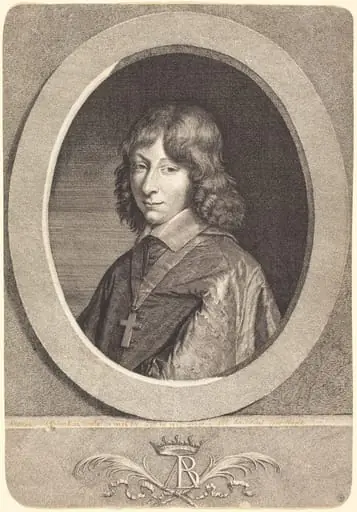
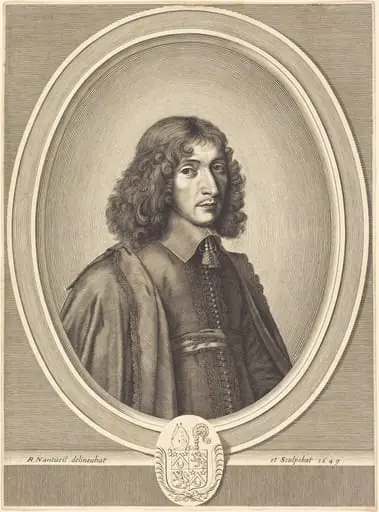
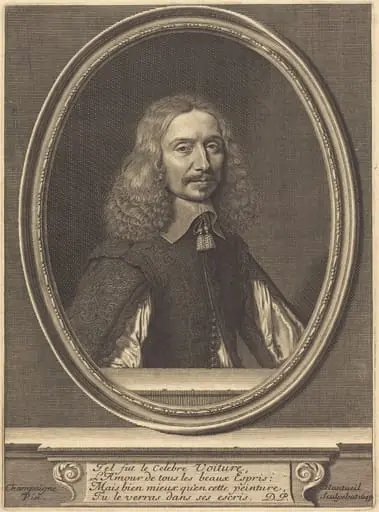
Jean Chapelain is an ink print by the Baroque artist Robert Nanteuil. It dates from 1655 and is held in the collection of the National Gallery of Art.
About this work
Overview
Executed in black and white, the image captures the subject with precision, reflecting the technical rigor of mid-17th-century French printmaking.
This 1655 engraving by Robert Nanteuil presents a formal portrait of Jean Chapelain, a prominent French literary critic. Executed in black and white, the image captures the subject with precision, reflecting the technical rigor of mid-17th-century French printmaking. Nanteuil, a court engraver under Louis XIV, employed fine linear detail to render texture and volume, characteristic of the period’s emphasis on refined portraiture.
Subject & Meaning
Jean Chapelain was a key figure in French literary circles, known for his role in shaping classical literary standards during the reigns of Louis XIII and early Louis XIV. The portrait emphasizes his intellectual stature through a composed expression and dignified bearing. The surrounding musical notation and the small scene below, featuring a hand holding a scroll with the words 'Affectat' and 'Vamon,' suggest themes of artistic aspiration and rhetorical ambition, aligning with his critical legacy.
Technique & Style
Nanteuil used the engraving technique, incising fine lines into a metal plate to create tonal gradations and delicate textures. The portrait’s depth is achieved through controlled hatching and cross-hatching, particularly in the rendering of hair and fabric. The circular frame filled with musical notes and the miniature scene beneath demonstrate a layered compositional approach, blending portraiture with symbolic elements to convey intellectual identity.
History & Provenance
Created in 1655, the engraving was produced during Nanteuil’s tenure as a favored artist at the French court. It circulated among literary and aristocratic circles as part of a broader tradition of portrait prints that documented cultural figures. While its early ownership is not fully documented, its survival in institutional collections attests to its recognition as a representative example of French printmaking from the era.
Context
In mid-17th-century France, portrait engravings served as tools for cultural commemoration, especially among intellectuals and courtiers. Chapelain’s image aligns with a trend of depicting writers and critics with symbolic accessories, reinforcing their roles as arbiters of taste. The integration of musical motifs and textual fragments reflects the era’s interplay between literature, music, and visual art in defining elite identity.
Legacy
Nanteuil’s engraving of Chapelain remains a significant artifact of French literary portraiture. It exemplifies the technical mastery of the period’s engravers and the cultural value placed on documenting intellectual figures. Though Chapelain’s influence waned after his lifetime, this print preserves his image as part of a broader visual archive of 17th-century French cultural life.
Artist & collection
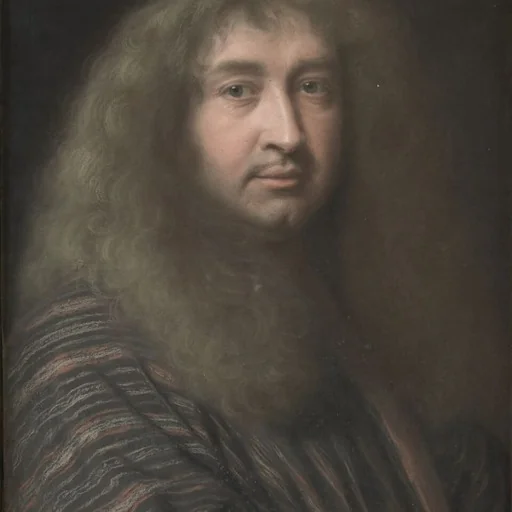
Artist
Robert Nanteuil (French pronunciation: ; 1623 – 9 December 1678) was a French portrait artist: engraver, draughtsman and pastellist to the court of Louis XIV.