Artwork
Anne of Austria
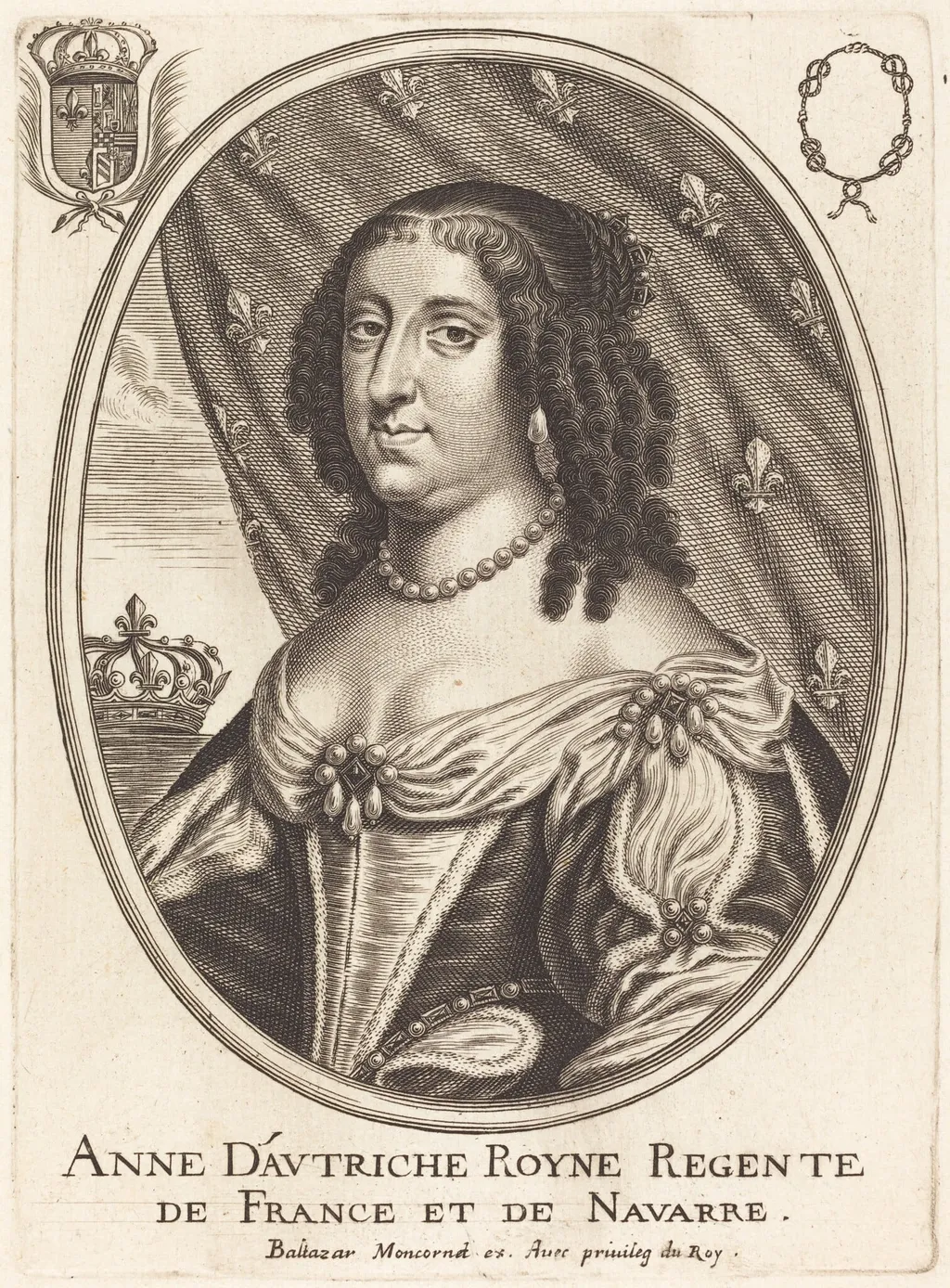
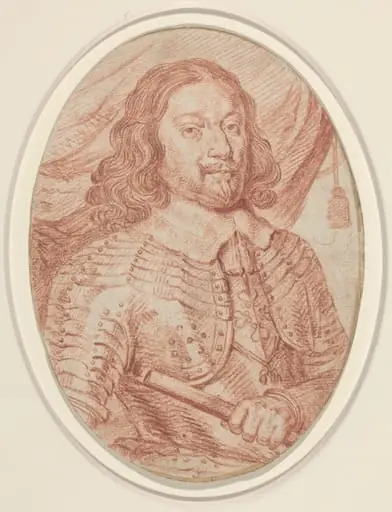
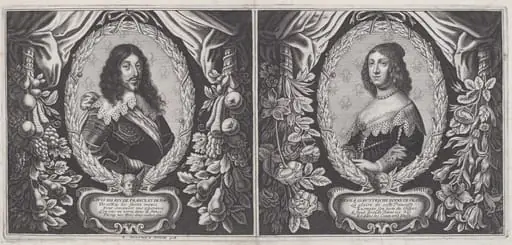
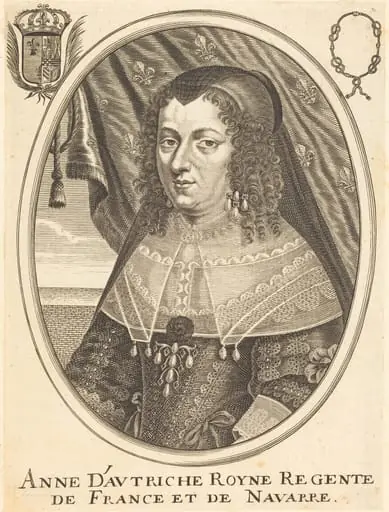
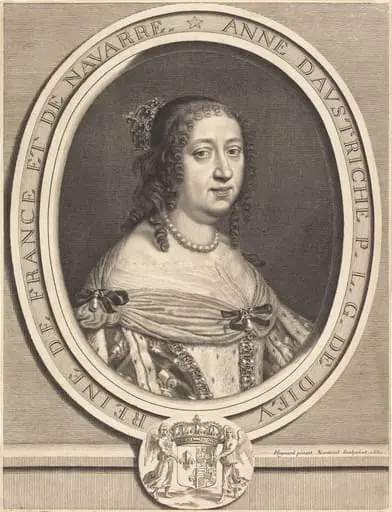
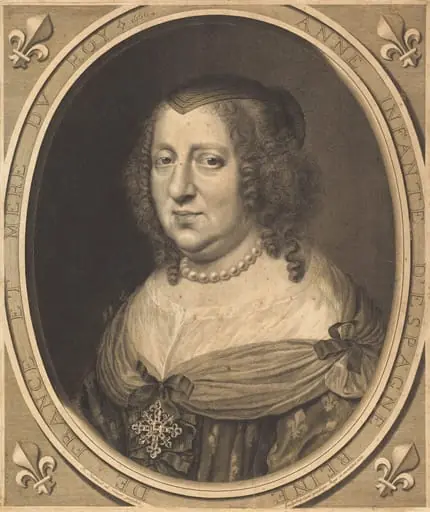
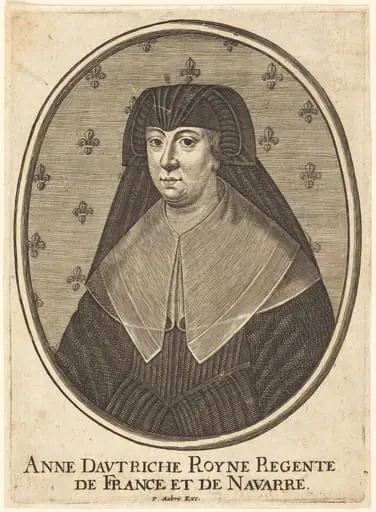
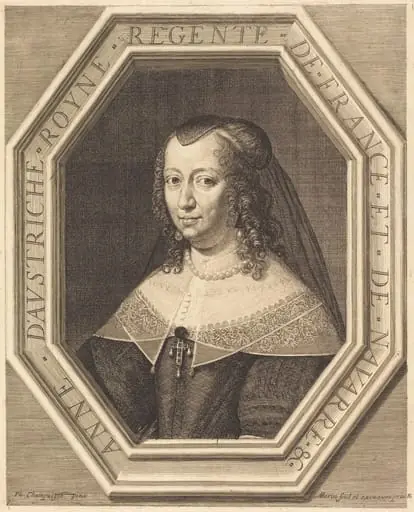
Anne of Austria is an ink print by the Baroque artist Balthasar Moncornet. It dates from 1634 and is held in the collection of the National Gallery of Art.
About this work
Overview
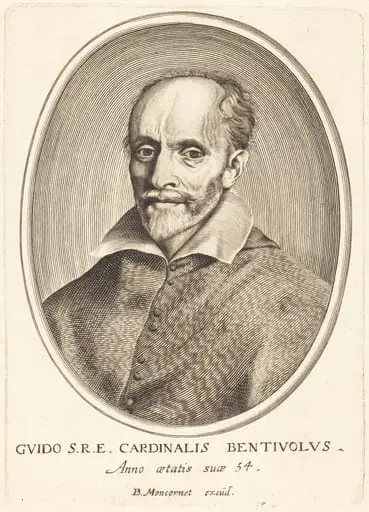
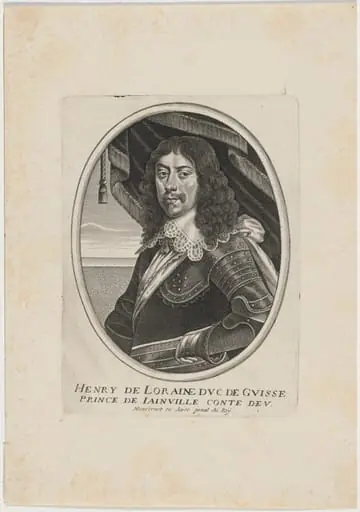
This print belongs to a group of approximately 45 portraits he produced, each intended to document the appearance and status of notable contemporaries.
Balthasar Moncornet created this 1634 engraving on laid paper as part of a series depicting leading figures of early 17th-century Europe. Born in Rouen and active in Paris, Moncornet was a multifaceted artist who worked across painting, printmaking, and tapestry design. This print belongs to a group of approximately 45 portraits he produced, each intended to document the appearance and status of notable contemporaries.
Subject & Meaning
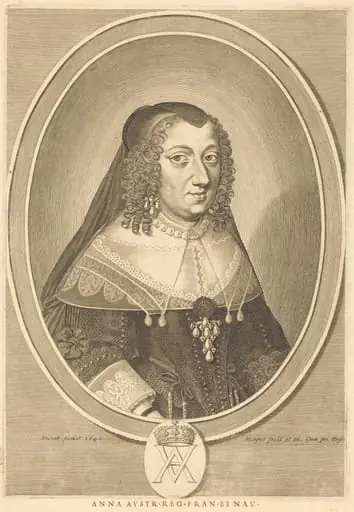
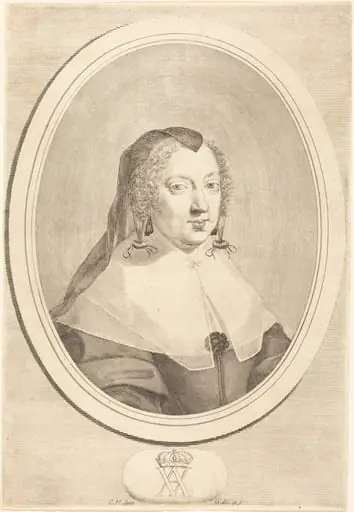
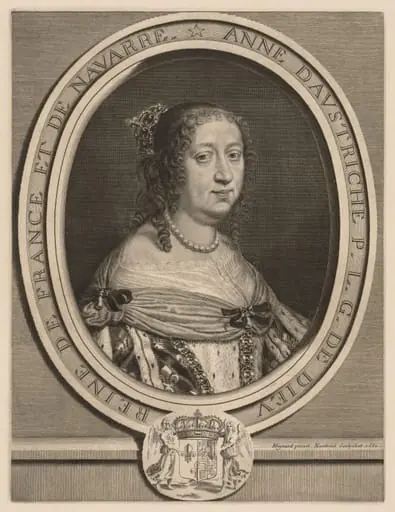
The portrait depicts Anne of Austria, queen consort of France and mother of Louis XIV, rendered with formal dignity. Her expression is composed, her posture restrained, reflecting the expected decorum of royal women in public representation. The image served not as personal likeness but as a public emblem of authority, circulating among elites to reinforce her political presence through visual culture.
Technique & Style
Moncornet employed fine, controlled lines to render the textures of lace, fabric, and jewelry, characteristic of intaglio engraving. The precision of cross-hatching and stippling defines the folds of her gown and the sheen of her accessories, while subtle gradations model her facial features. This method, common in French printmaking of the period, prioritized clarity and detail over expressive brushwork.
History & Provenance
The engraving was produced during Moncornet’s most active period in Paris, when demand for engraved portraits of nobility was high. It likely circulated as a standalone print or within collected portfolios, used by collectors and diplomats to identify and commemorate key figures. No early provenance is documented, but its survival suggests continued interest in royal iconography through the 17th and 18th centuries.
Context
In the 1630s, France was consolidating its monarchical power under Louis XIII, with Anne serving as a stabilizing figure amid political tensions. Engravings like this were part of a broader trend in which visual media helped construct public personas for royalty, especially when direct access to the court was limited. Moncornet’s work aligned with the growing market for printed portraiture across Europe.
Legacy
Moncornet’s series of engraved portraits contributed to the standardization of royal imagery in print. While not widely known today, his technique influenced later French engravers who refined the genre. This portrait remains a record of how early modern society used reproducible images to disseminate authority, bridging the gap between courtly spectacle and public perception.
Artist & collection
Artist
Balthasar Moncornet (1600, Rouen – 1668, Paris) was a French painter, engraver, and tapissier revered for his depictions of around 45 different prominent figures of the 17th century.