Artwork
Baroness Adelaïde Vanden Hecke-Baut de Rasmon
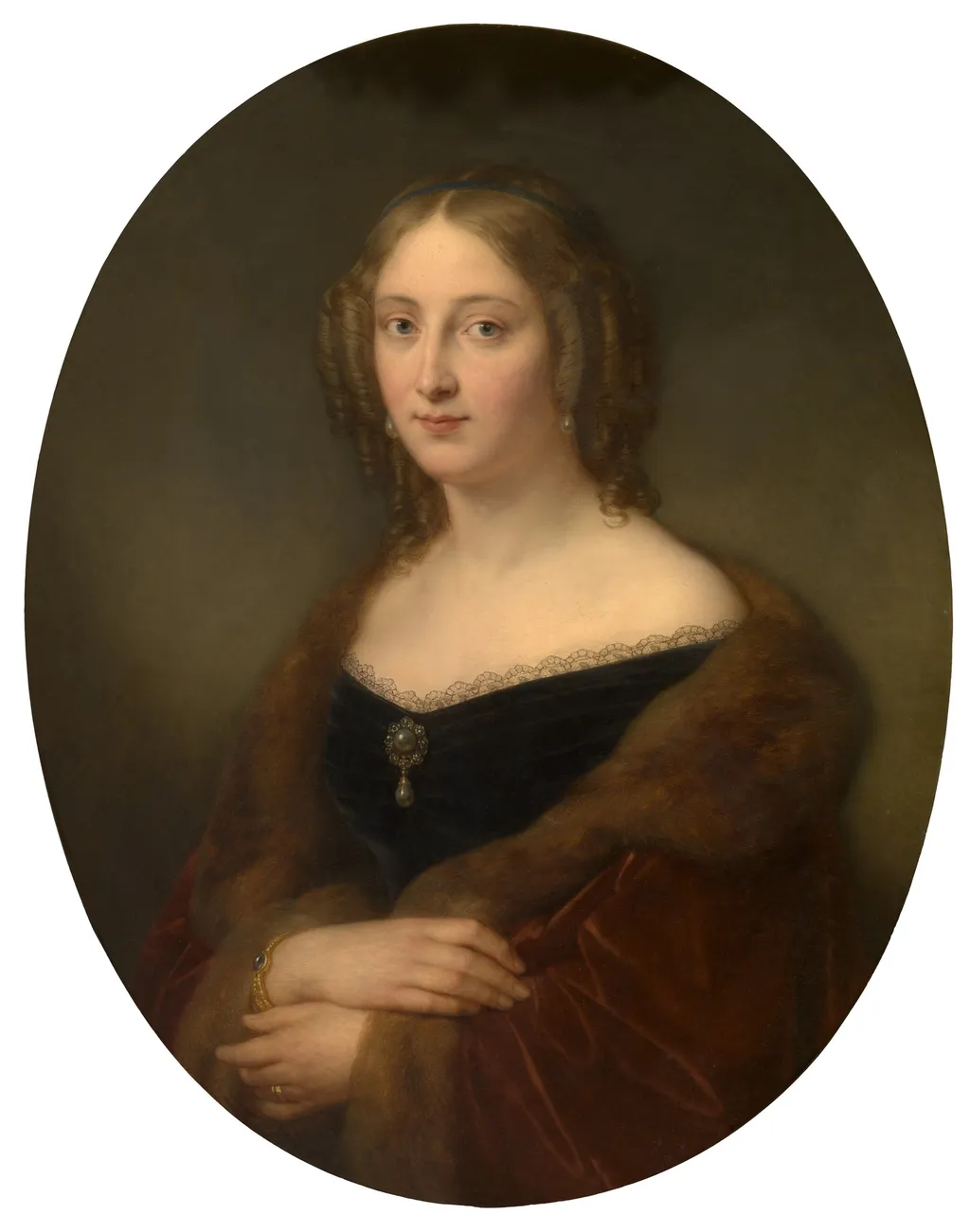
Baroness Adelaïde Vanden Hecke-Baut de Rasmon is an oil painting by Nicaise De Keyser. It dates from 1862 and is held in the collection of the Royal Museum of Fine Arts Antwerp.
About this work
Overview
De Keyser, a central figure in 19th-century Belgian art, was known for both historical scenes and commissioned portraiture.
Painted in 1862 by Nicaise De Keyser, this oil-on-canvas portrait captures Baroness Adelaïde Vanden Hecke-Baut de Rasmon. De Keyser, a central figure in 19th-century Belgian art, was known for both historical scenes and commissioned portraiture. The work reflects his skill in rendering individual presence with quiet dignity, aligning with the broader Romantic emphasis on personal character and refined aesthetics.
Subject & Meaning
The baroness is portrayed with composed stillness, her posture and attire signaling aristocratic status. The dark dress, fur-trimmed shawl, and delicate jewelry—brooch, headband, and earrings—convey social standing without overt grandeur. Her ringleted hair and restrained expression suggest an ideal of feminine refinement common among Belgian nobility, emphasizing inner poise over theatrical display.
Technique & Style
De Keyser employed oil paint to achieve subtle gradations of light and texture, particularly in the fabric of the shawl and the sheen of the jewelry. The brushwork is precise yet fluid, capturing the softness of fur and the crispness of lace. The background remains muted, focusing attention on the figure’s form and facial expression, characteristic of his approach to portraiture within the Romantic tradition.
History & Provenance
The painting entered the collection of the Royal Museum of Fine Arts Antwerp in the late 19th century, likely through institutional acquisition or donation. It has remained in the museum’s holdings since, serving as an example of De Keyser’s portraiture alongside his larger historical works. Its continuous presence in the museum underscores its recognized significance within Belgium’s artistic heritage.
Context
In mid-19th-century Belgium, portraiture for the aristocracy often balanced personal identity with societal expectations. De Keyser, based in Antwerp, operated within a cultural milieu that valued historical narrative and refined realism. This portrait reflects the era’s preference for dignified, intimate depictions of elite women, distinct from the more dramatic styles seen in French or British Romantic portraiture.
Legacy
Though De Keyser is better known for his large-scale historical compositions, this portrait endures as a refined example of his skill in capturing individual character. It contributes to the understanding of Belgian Romantic portraiture and remains a representative work of how aristocratic identity was visually constructed in Antwerp during the 1860s.
Artist & collection
Artist
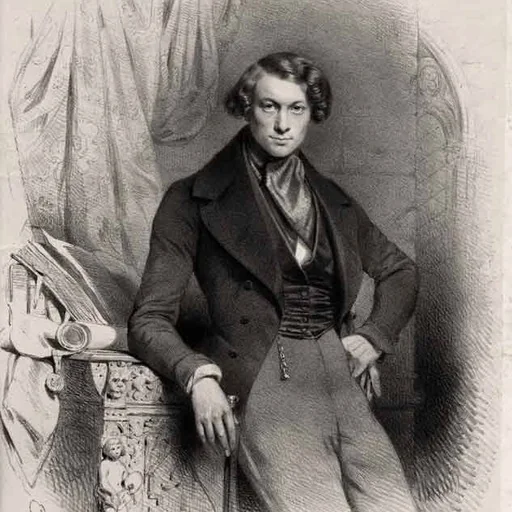
Nicaise de Keyser (alternative first names: Nicaas, Nikaas of Nicasius; 26 August 1813, Zandvliet – 17 July 1887, Antwerp) was a Belgian painter of mainly history paintings and portraits who was one of the key figures…

 Portrait of Grand Princess Anna Pavlovna
 Eberhard (1445-96), Duke of Würtemberg, as a Pilgrim in the Holy Land
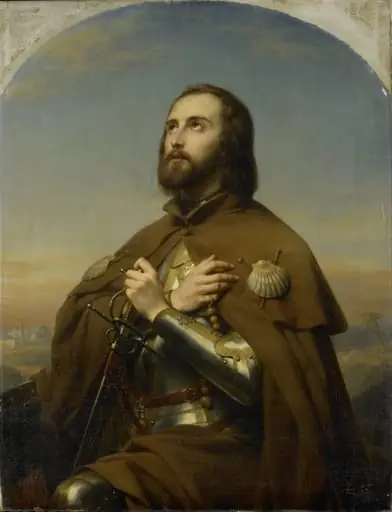 Eberhard (1445-96), Duke of Würtemberg, as a Pilgrim in the Holy Land
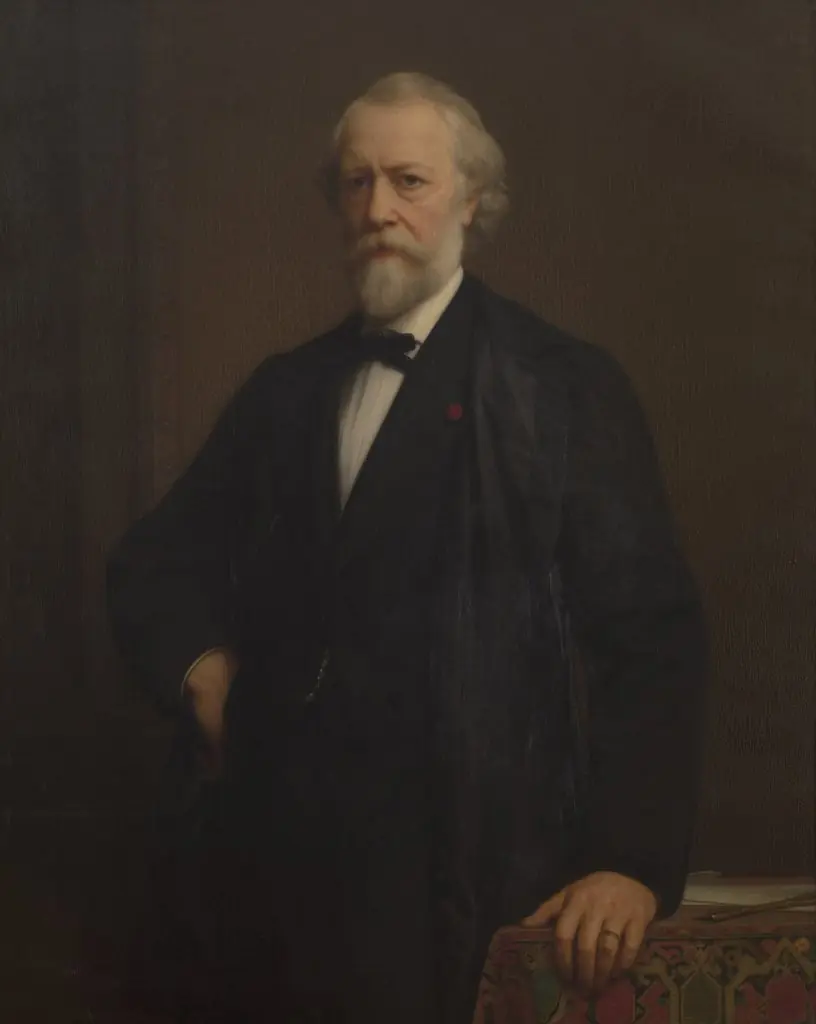 Self Portrait
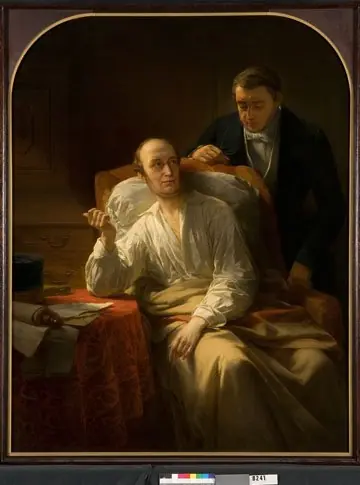 King Willem II Making his Last Will
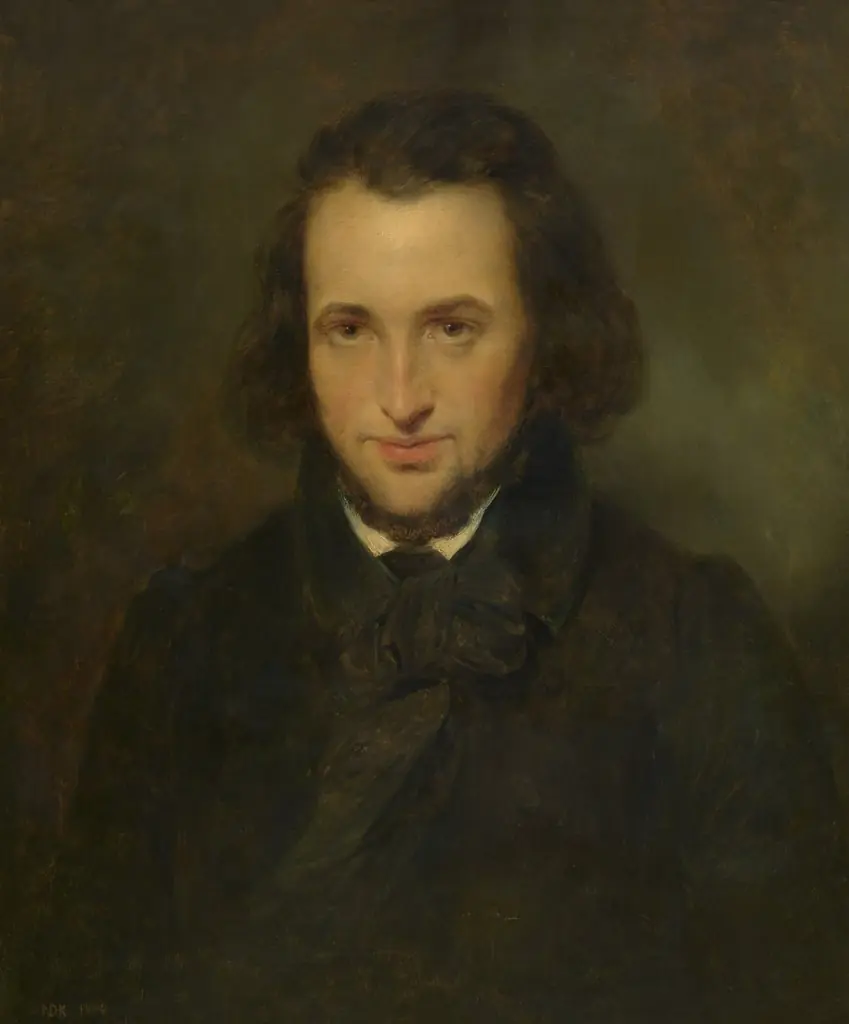 The Printer-Publisher Jozef-Ernest Buschmann
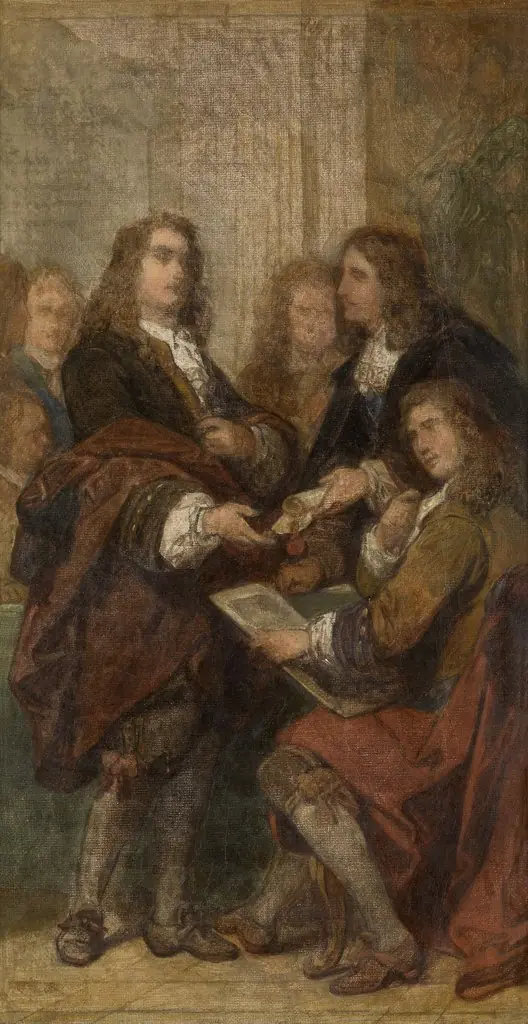 The Engraver Gerard Edelinck in Paris
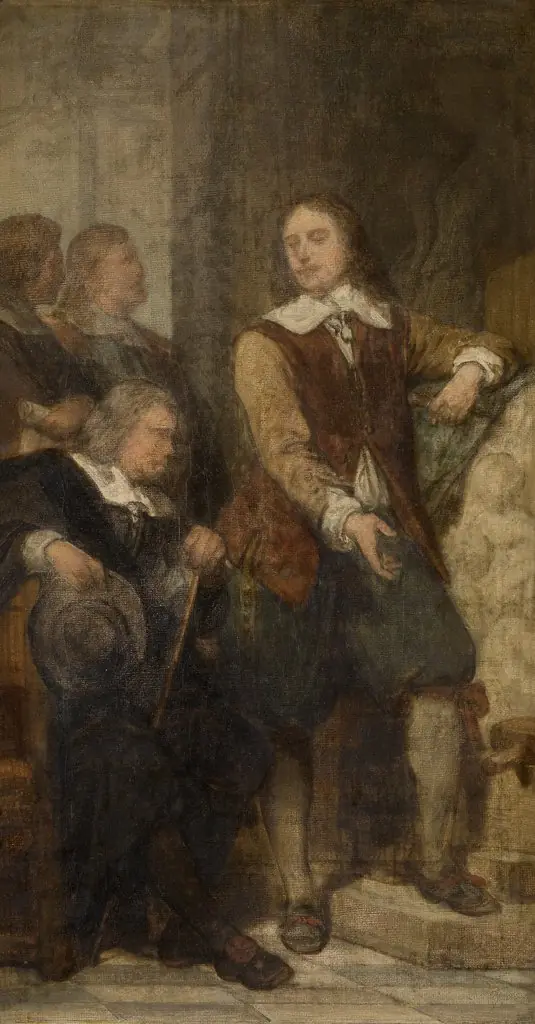 The Sculptor Artus Quellinus I in Amsterdam
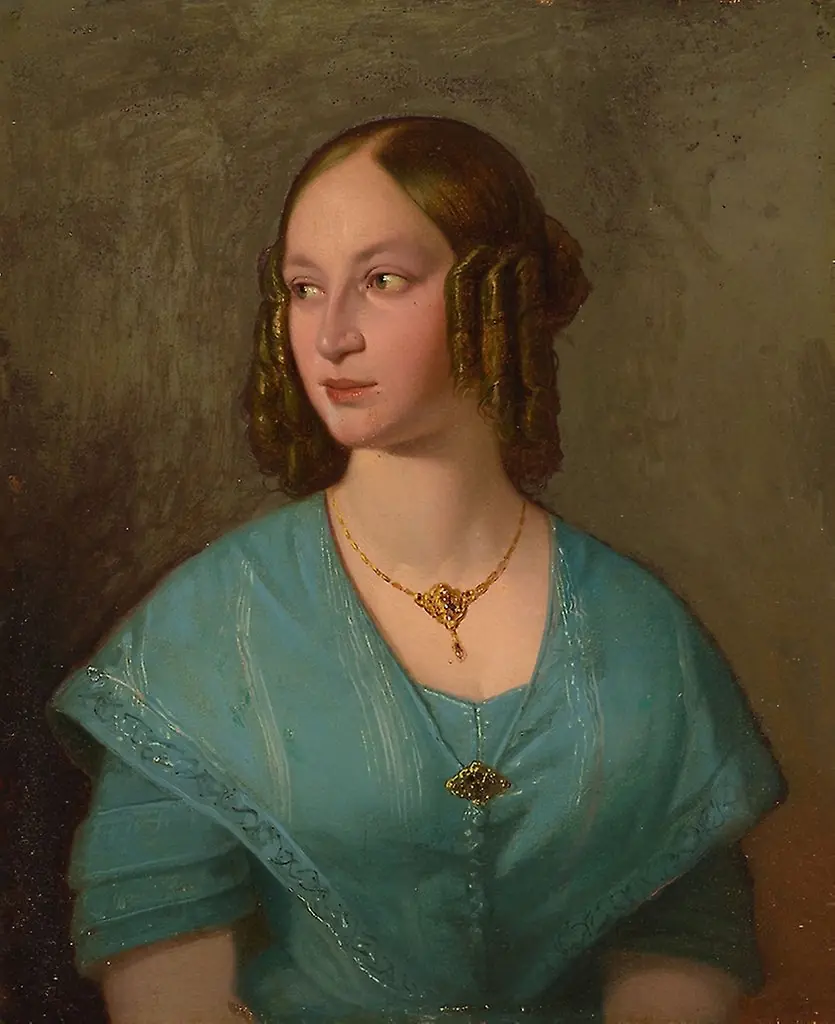 Mrs. Daniel Embury (Emma Catherine Manley)
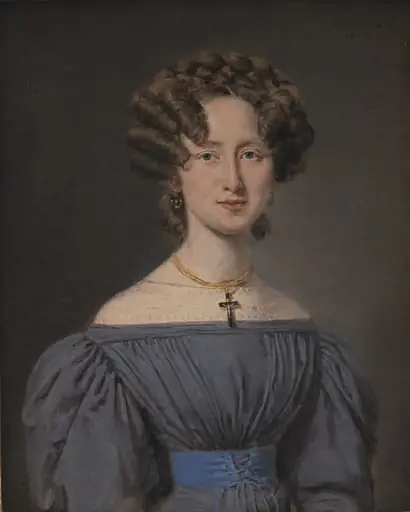 Cecilie Lønborg, gift 1830 med skibsintendant Theodor Emil Ludvigsen
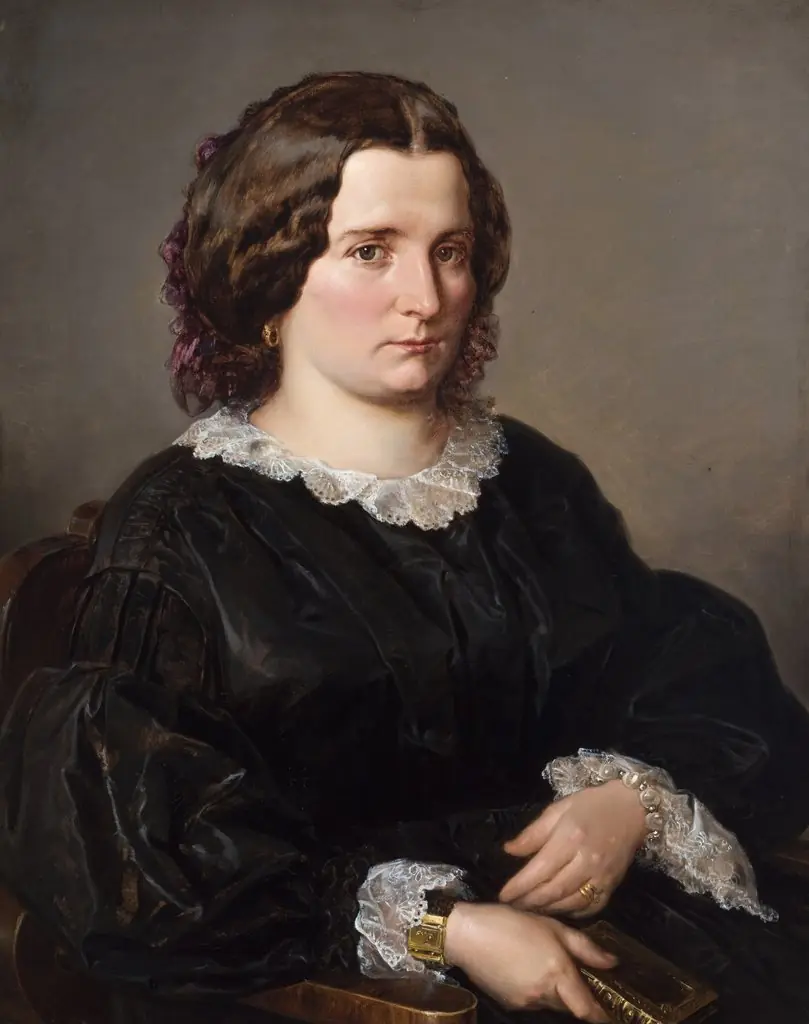 Portret Marii Maurizio
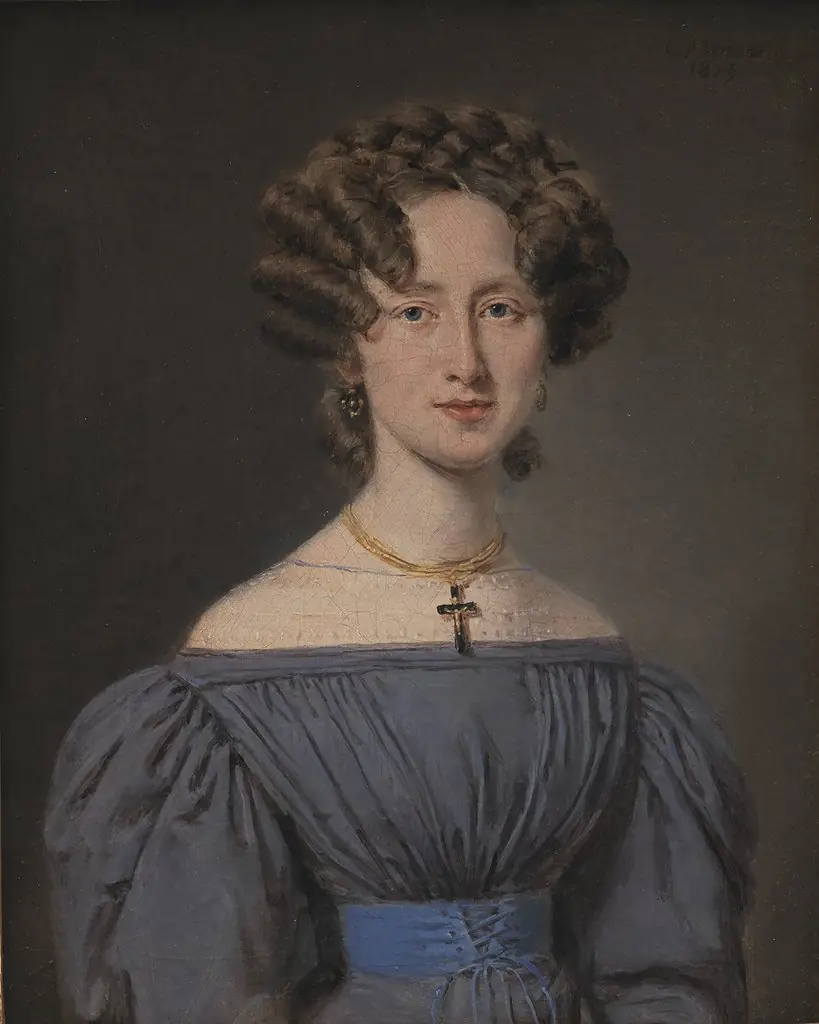 Cecilie Lønborg, gift 1830 med skibsintendant Theodor Emil Ludvigsen
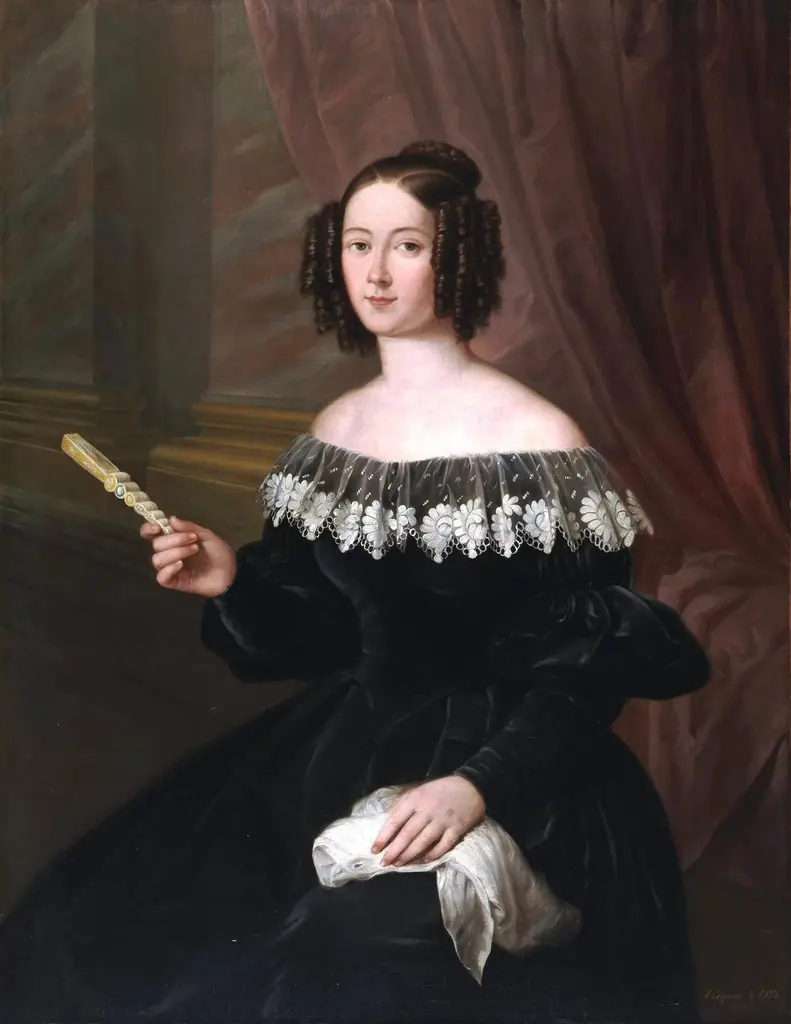 Pilar Gandiola
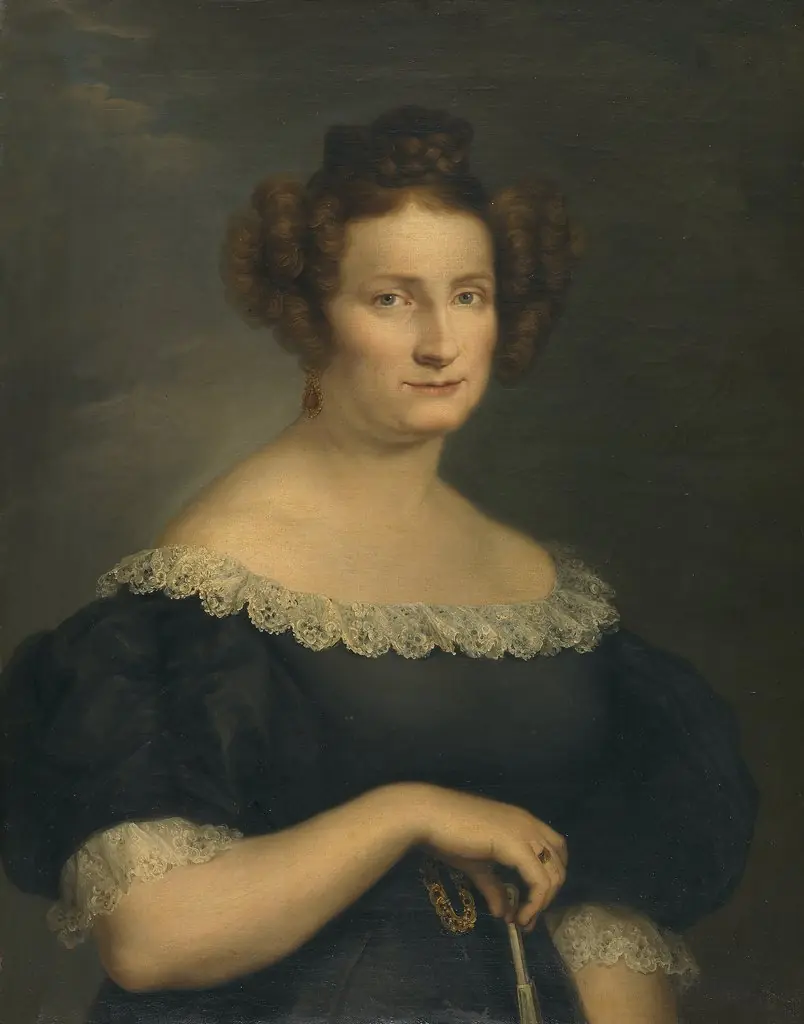 Cecilia Santos
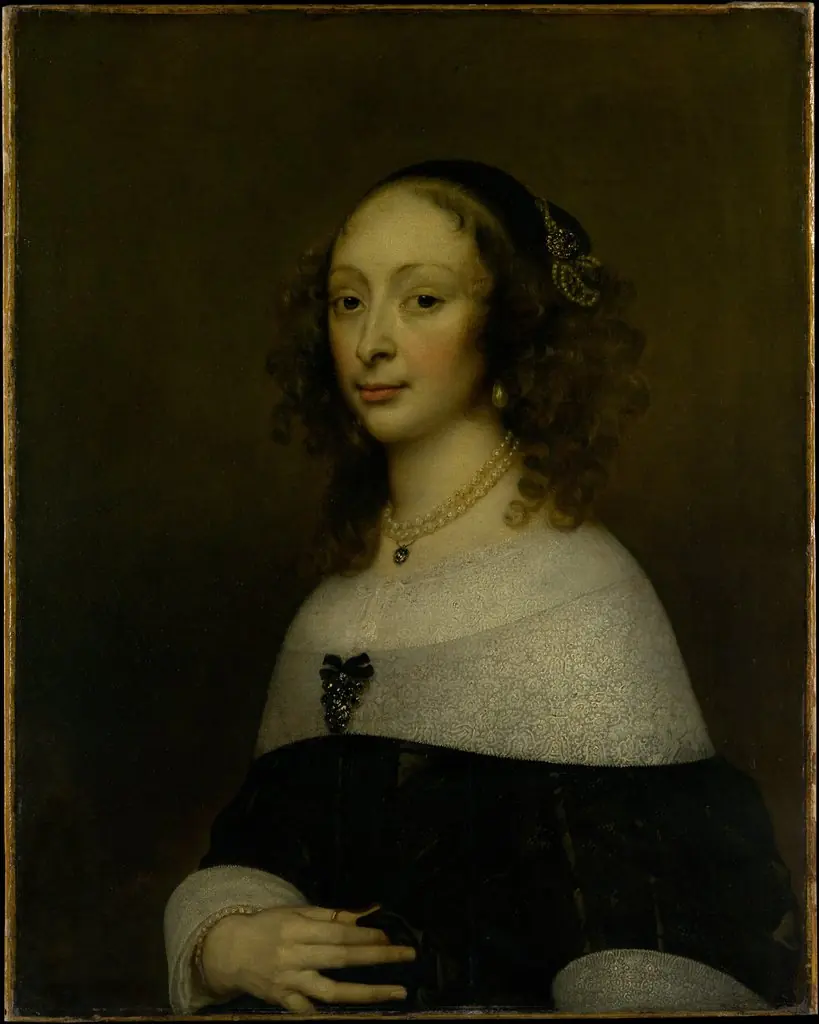 Portrait of a Woman
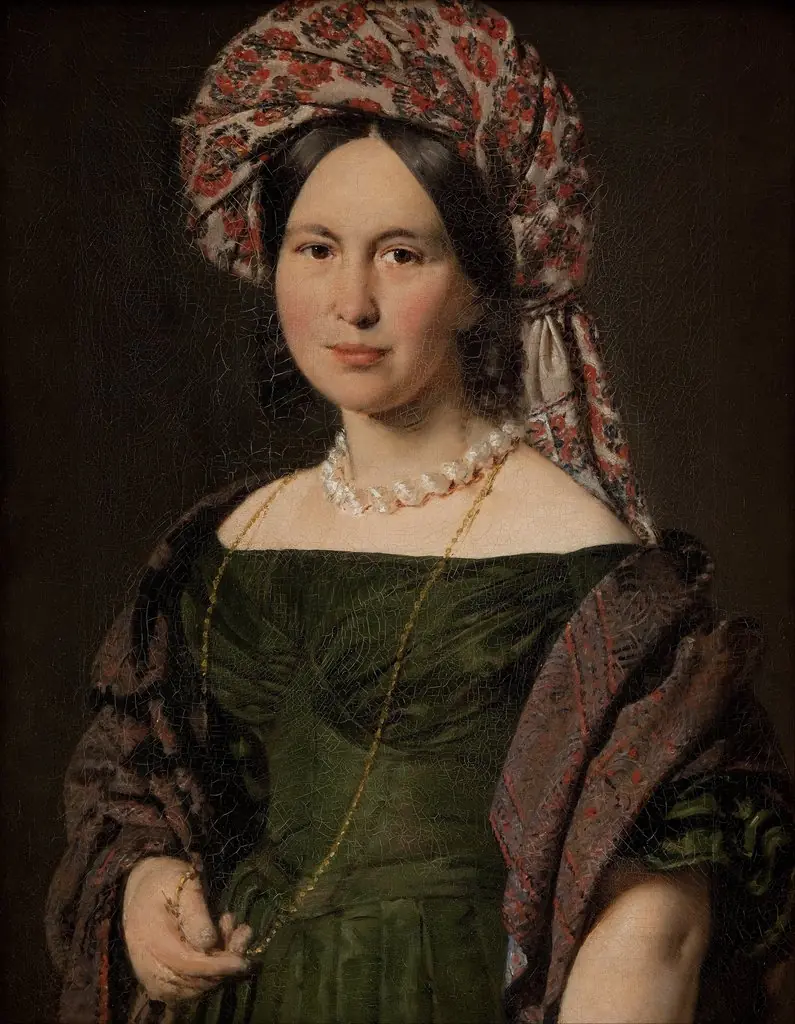 Portrait of Cathrine Jensen, née Lorenzen, the Artist's Wife Wearing a Turban
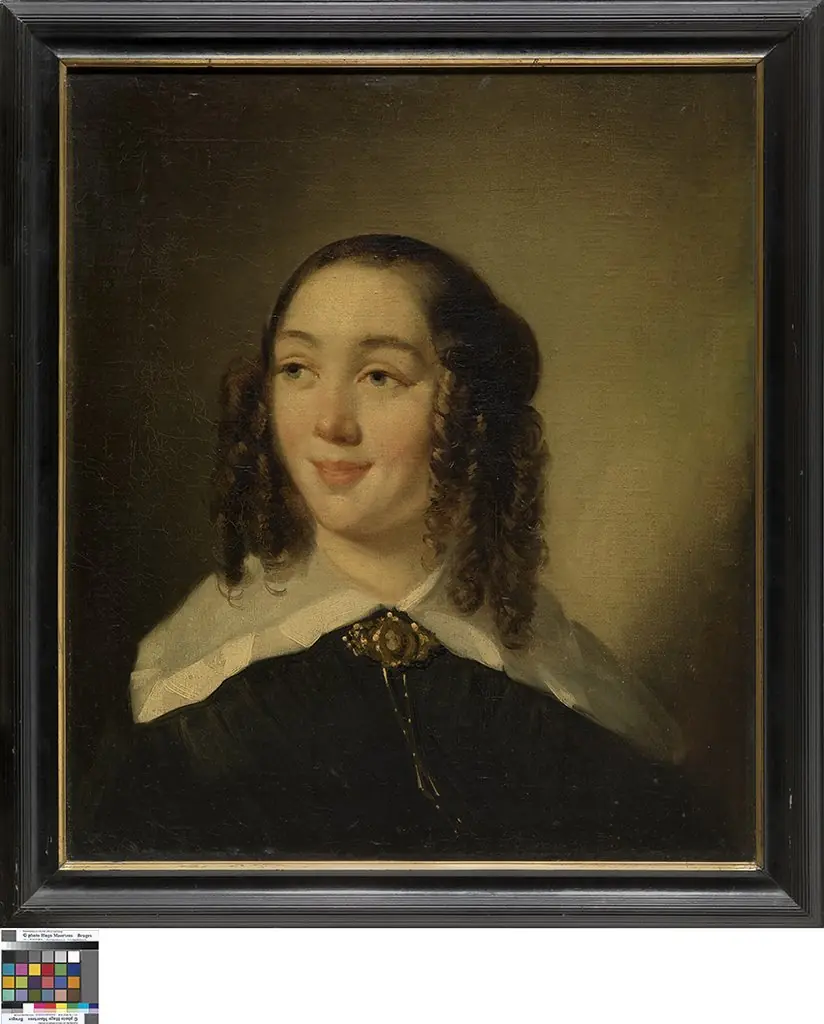 Portret van een vrouw
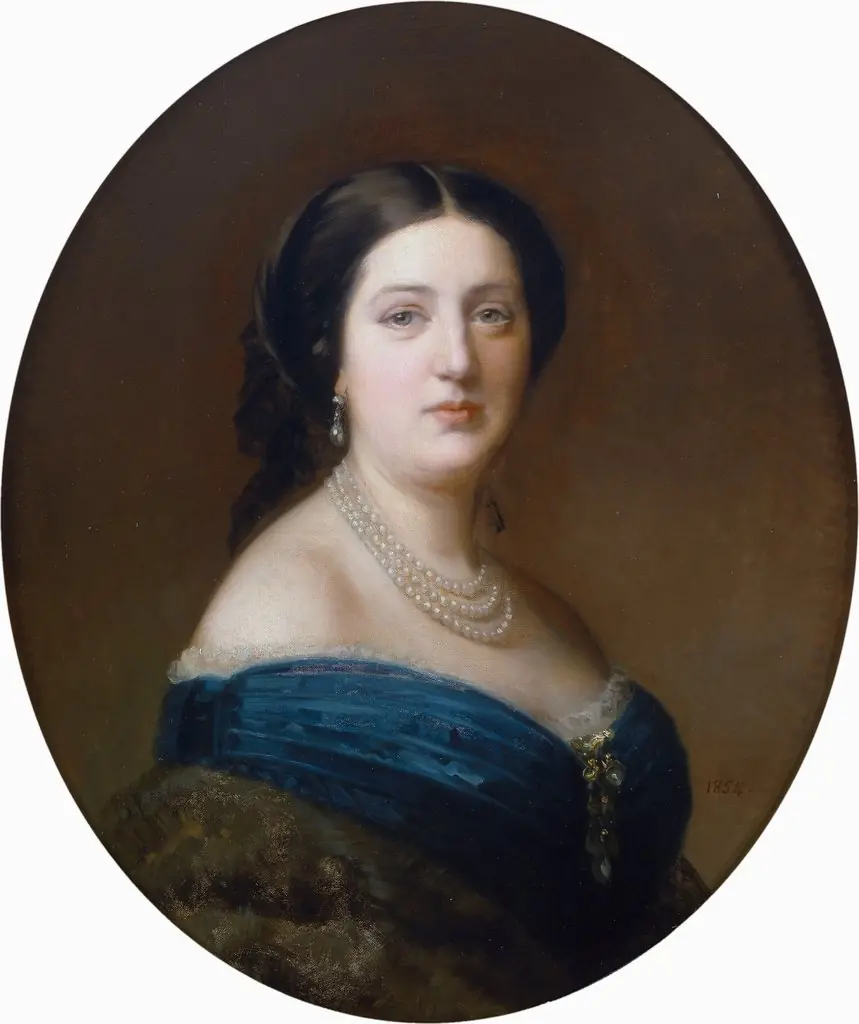 Manuela María Miquel y Lucuy
 Young Woman in a Black Dress
 Portrait of Sophia Frederika Mathilda (1818-77), Princess of Württemberg