Artwork
Good Friday Procession in Seville
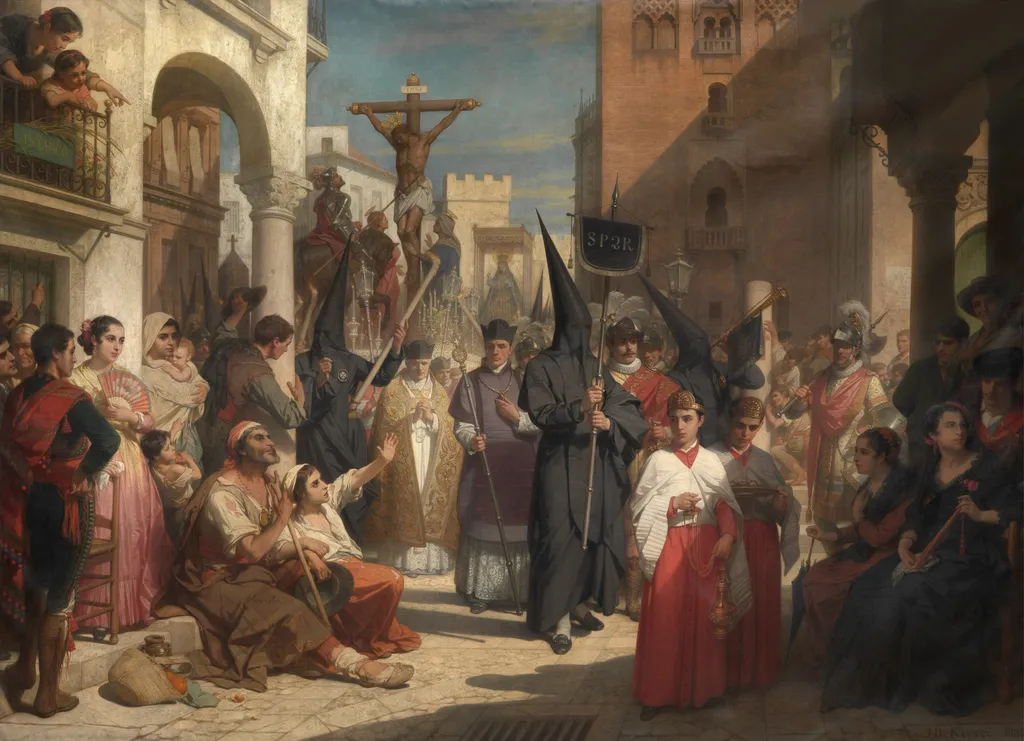
Good Friday Procession in Seville is an oil painting by the Orientalist artist Nicaise De Keyser. It is held in the collection of the Royal Museum of Fine Arts Antwerp.
About this work
Overview
The work reflects his engagement with historical and ethnographic subjects, aligning with broader 19th-century European interests in Southern European rituals.
Painted in 1893 by Belgian artist Nicaise de Keyser, this oil on canvas depicts a religious procession in Seville during Good Friday. Though Belgian by birth and training, de Keyser turned his attention to Spanish religious customs, capturing a moment of public devotion in a foreign city. The work reflects his engagement with historical and ethnographic subjects, aligning with broader 19th-century European interests in Southern European rituals.
Subject & Meaning
The scene portrays a solemn Good Friday procession, a Catholic observance commemorating Christ’s crucifixion. Figures in traditional penitential robes carry a large cross and a banner bearing the Latin initials 'SPQR,' evoking imperial Rome’s legacy. The crowd, composed of diverse ages and dress, suggests a blend of local custom and modern life. The somber expressions and stillness convey collective mourning, emphasizing the ritual’s gravity over spectacle.
Technique & Style
De Keyser employed precise brushwork and layered oil paint to render textures of fabric, stone, and skin with quiet realism. The composition guides the eye along the procession’s path, framed by architectural details of Sevillian buildings—arches, balconies, and wrought iron. Light falls evenly across the scene, avoiding dramatic contrasts, reinforcing the subdued tone. The sky, softly rendered with pale clouds, adds depth without distraction.
History & Provenance
Created in 1893, the painting entered the collection of the Royal Museum of Fine Arts Antwerp, where it remains today. De Keyser, a central figure in Belgium’s 19th-century art scene, frequently traveled to Spain and Italy for research, drawing inspiration from local ceremonies. This work emerged late in his career, reflecting his sustained interest in cross-cultural religious practices and historical narrative painting.
Context
In the late 19th century, European artists often depicted Southern Europe’s religious traditions as exotic or archaic, a trend linked to Orientalism. De Keyser’s portrayal of Seville’s procession fits within this framework, yet his attention to detail and emotional restraint distinguishes it from sensationalized accounts. The inclusion of 'SPQR' hints at a deliberate connection between ancient Roman authority and contemporary Catholic ritual.
Legacy
Though less widely known than his portraits or battle scenes, this painting exemplifies de Keyser’s commitment to documenting cultural rituals with dignity. It stands as a record of how Northern European artists interpreted Southern European faith practices during a period of heightened ethnographic curiosity. The work continues to be studied for its nuanced depiction of public devotion and its place in the broader discourse of 19th-century Orientalism.
Own this work as a print
Artist & collection
Artist
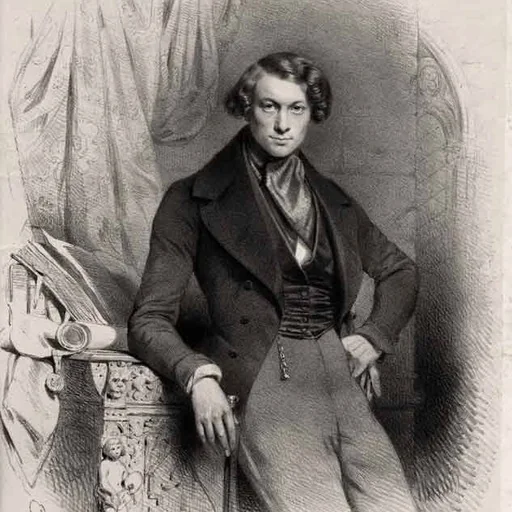
Nicaise de Keyser (alternative first names: Nicaas, Nikaas of Nicasius; 26 August 1813, Zandvliet – 17 July 1887, Antwerp) was a Belgian painter of mainly history paintings and portraits who was one of the key figures…

 Portrait of Grand Princess Anna Pavlovna
 Eberhard (1445-96), Duke of Würtemberg, as a Pilgrim in the Holy Land
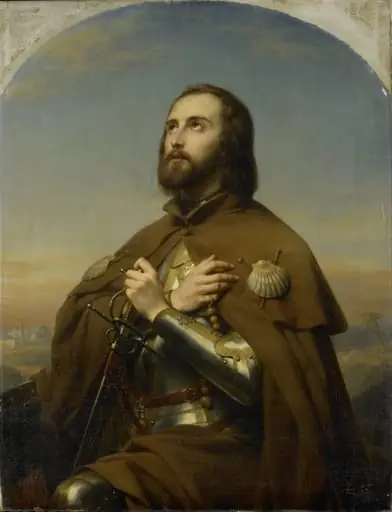 Eberhard (1445-96), Duke of Würtemberg, as a Pilgrim in the Holy Land
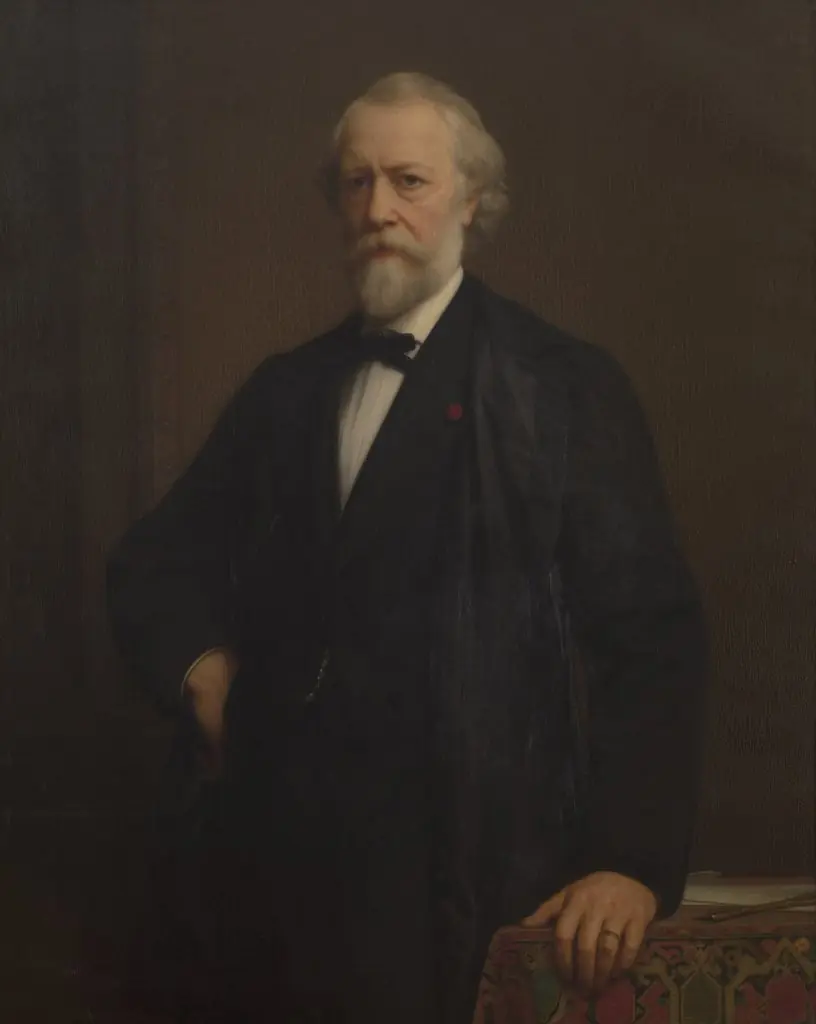 Self Portrait
 King Willem II Making his Last Will
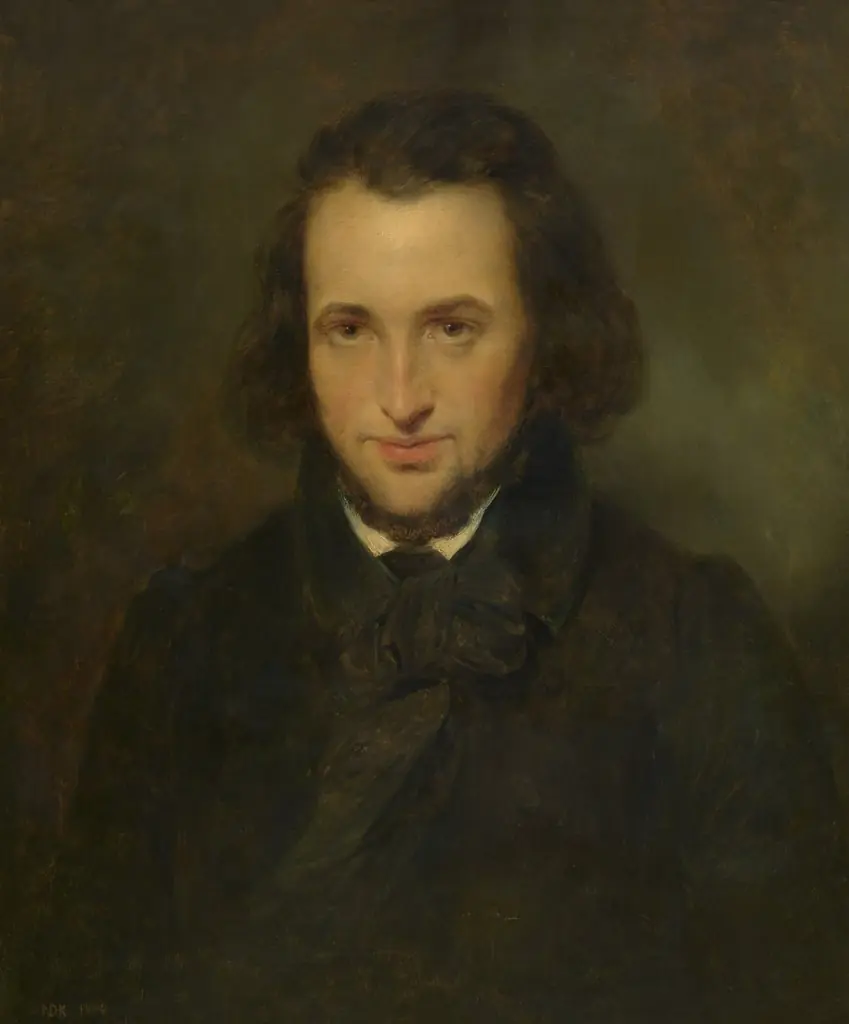 The Printer-Publisher Jozef-Ernest Buschmann
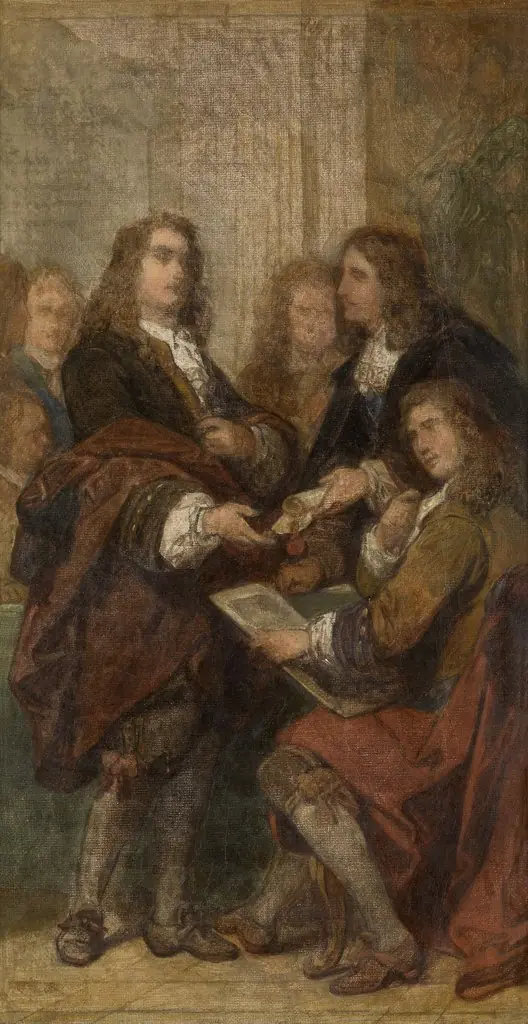 The Engraver Gerard Edelinck in Paris
 The Sculptor Artus Quellinus I in Amsterdam
 Las postrimerías de Fernando III el Santo
 Władysław Herman blesses Bolesław the Wry-Mouthed before a war campaign
 La campana de Huesca
 На карнавале в Венеции
 Exorcism of Joanna of Castile
 Boleslaw the Brave with Svyatopolk at the Golden Gate in Kiev
 Election of Boniface of Montferrat as leader of the Fourth Crusade.
 Don Álvaro de Luna condestable y favorito del rey D. Juan II de Castilla decapitado públicamente en la Plaza Mayor de Valladolid el 2 de junio de 1453 es enterrado de limosna en el cementerio de los ajusticiados extramuros de dicha ciudad
 The Baptism of Vajk
 San Francisco ante el sultán de Egipto Malec-el-Kamal
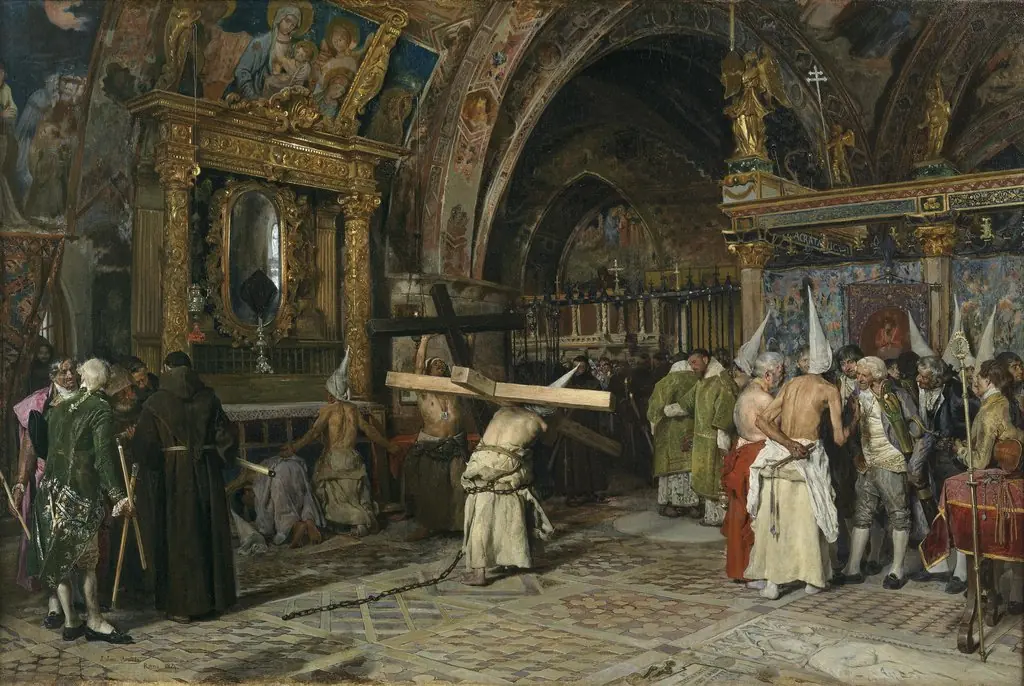 Penitents in the Lower Basilica of Assisi
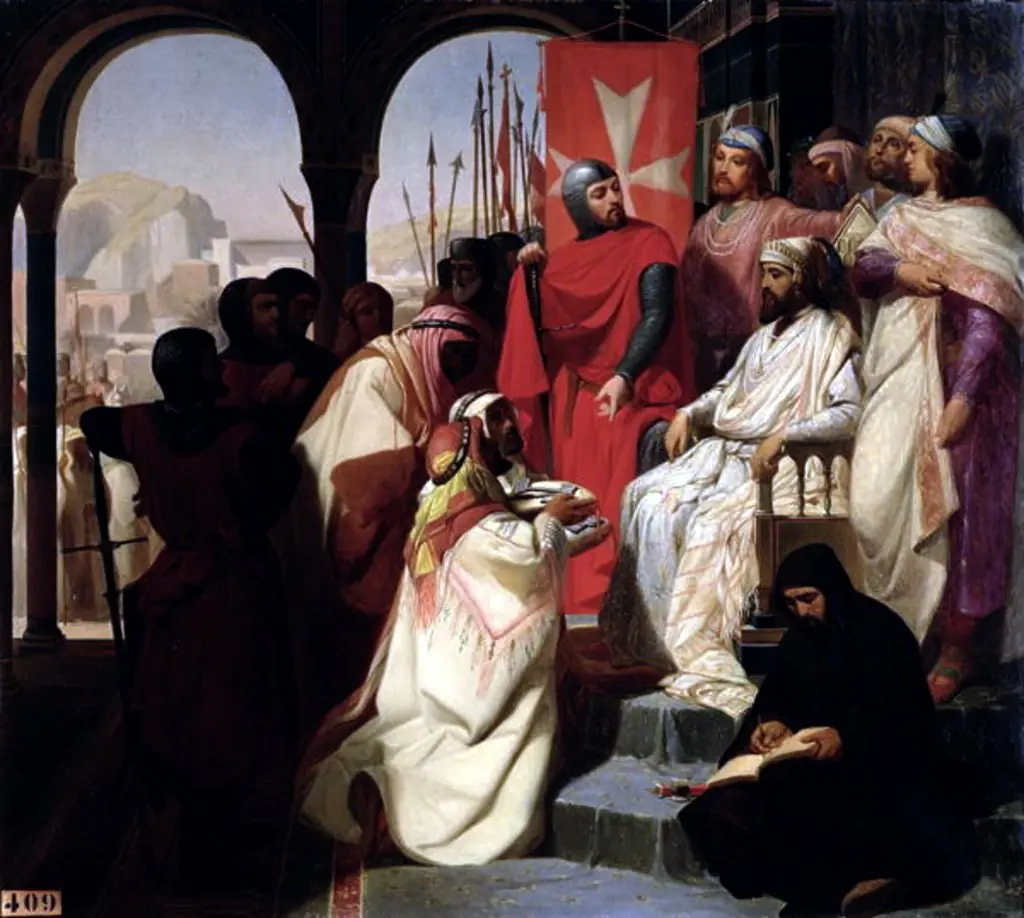 Knights of the Order of St. John of Jerusalem Restoring Religion in Armenia in 1347