Artwork
Elizabeth I
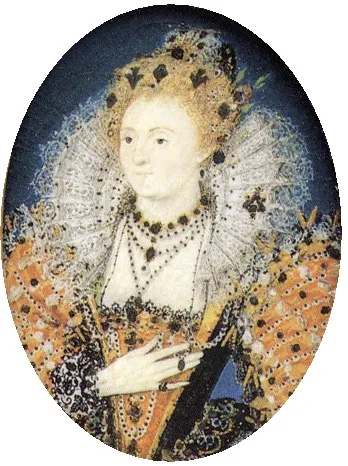
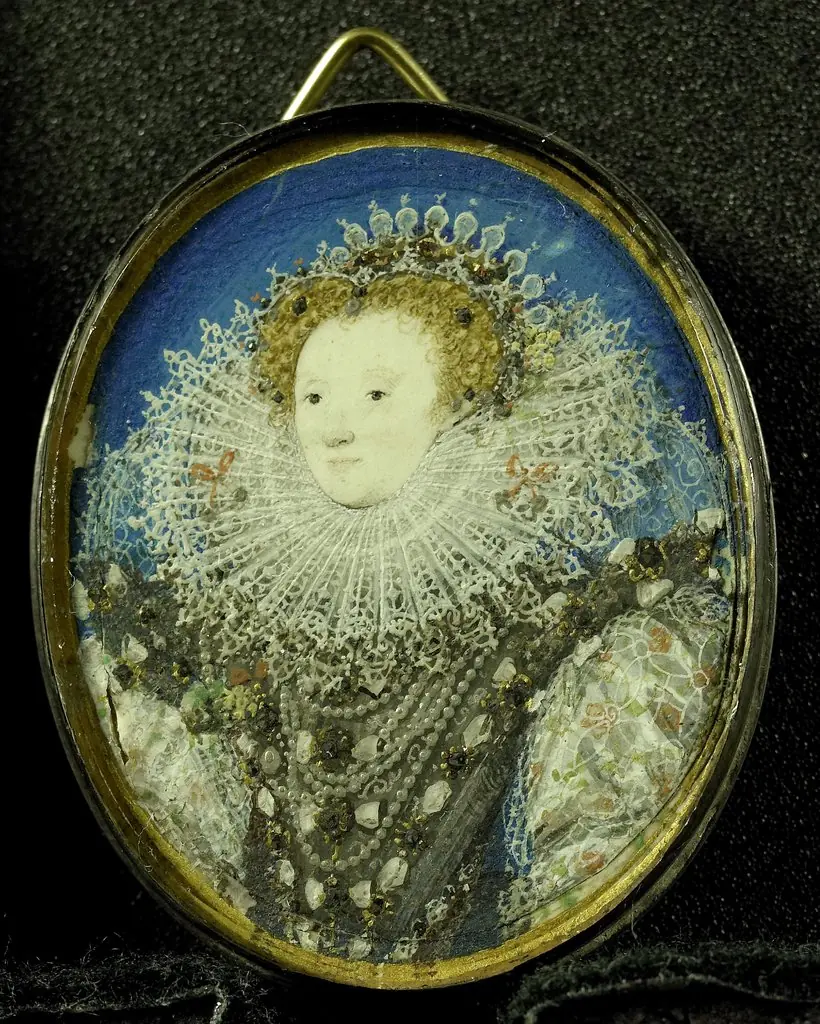
Elizabeth I is a watercolor painting by the Mannerist artist Nicholas Hilliard. It dates from 1598 and is held in the collection of the Fitzwilliam Museum.
About this work
Overview
Executed in fine detail on prepared animal skin, it captures Queen Elizabeth I in a formal, intimate format typical of courtly portraiture.
This small portrait on vellum, dated 1598, is a work by Nicholas Hilliard, a leading English miniaturist of the late 16th century. Executed in fine detail on prepared animal skin, it captures Queen Elizabeth I in a formal, intimate format typical of courtly portraiture. The piece belongs to the Fitzwilliam Museum’s collection and reflects Hilliard’s role as a favored artist to the Tudor court, where he specialized in delicate, lifelike likenesses rendered in watercolor and gouache.
Subject & Meaning
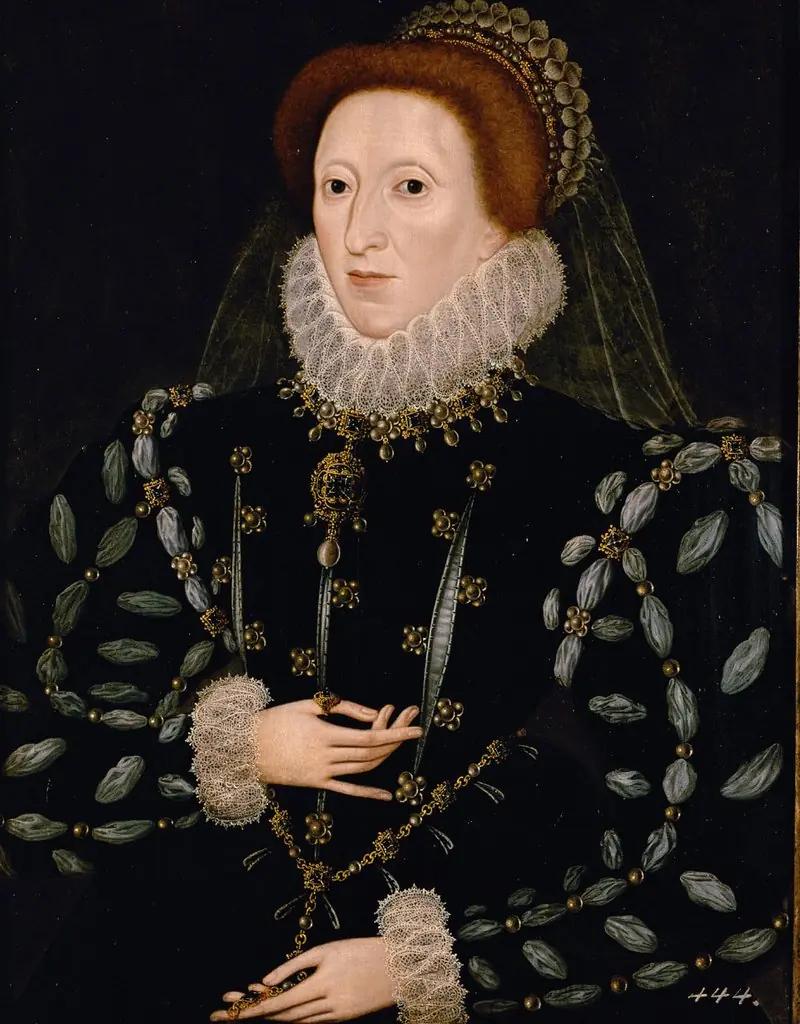
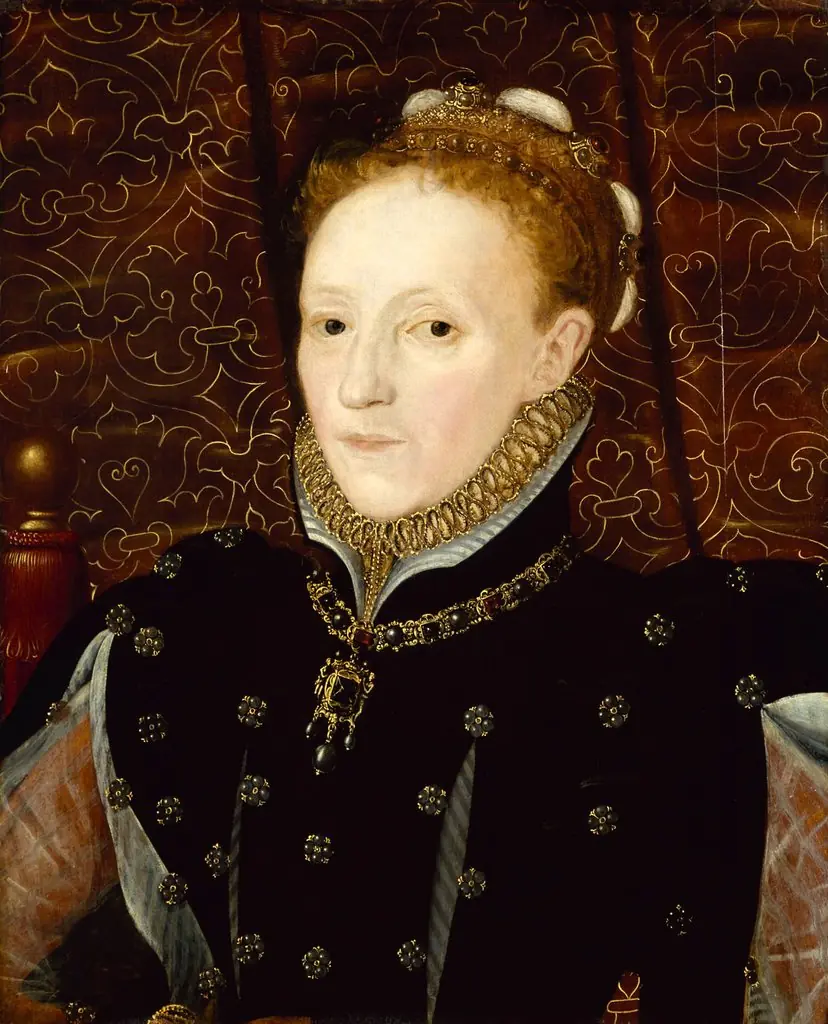
The portrait presents Elizabeth I in mature age, her expression composed and distant, reinforcing her image as the Virgin Queen. Her attire—black and gold embroidery, a high lace collar, and a pendant necklace—conveys regal authority and wealth. The hands clasped over the chest suggest piety and self-restraint. The plain dark background isolates her figure, emphasizing her symbolic role rather than any personal or domestic context, aligning with the propagandistic tone of her later reign.
Technique & Style
Hilliard employed fine brushwork and layered water-based pigments to achieve subtle gradations on the queen’s pale skin, creating a smooth, almost luminous surface. The intricate patterns on her gown, including minute floral motifs, were painted with precision using a single-hair brush. The vellum support allowed for fine detail without the texture of canvas. Soft, even lighting avoids harsh shadows, enhancing the idealized, timeless quality of the image, characteristic of Mannerist portraiture in England.
History & Provenance
Commissioned during the final decades of Elizabeth’s reign, the miniature likely served as a personal or diplomatic gift, common among courtiers. Hilliard had been appointed limner to the queen in the 1570s and maintained a close relationship with the royal household. The work remained in private collections before entering the Fitzwilliam Museum, where it is now preserved as a key example of Elizabethan miniature painting and a testament to Hilliard’s enduring influence on English portraiture.
Context
In late 16th-century England, portrait miniatures functioned as intimate tokens of loyalty and status, often exchanged among the elite. Hilliard’s work emerged alongside a growing cult of personality around Elizabeth I, where visual imagery reinforced political stability and divine right. The absence of landscape or setting, typical of his style, focused attention on the sitter’s symbolic presence. These works contrasted with larger state portraits, offering a more personal, yet equally controlled, representation of power.
Legacy
Hilliard’s miniatures established a visual language for English royalty that influenced generations of artists. His technique became a benchmark for precision and refinement in small-scale portraiture. While later artists adopted oil on canvas for grander commissions, Hilliard’s vellum works remained prized for their intimacy and craftsmanship. Today, they are studied not only as likenesses but as cultural artifacts encoding the ideals of Tudor monarchy and the artistry of its court.
Artist & collection
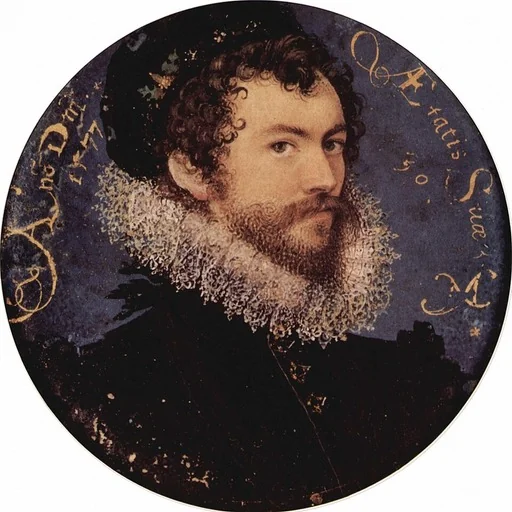
Artist
Nicholas Hilliard (c. 1547 – before 7 January 1619) was an English goldsmith and limner best known for his portrait miniatures of members of the courts of Elizabeth I and James I of England. He mostly painted small oval…

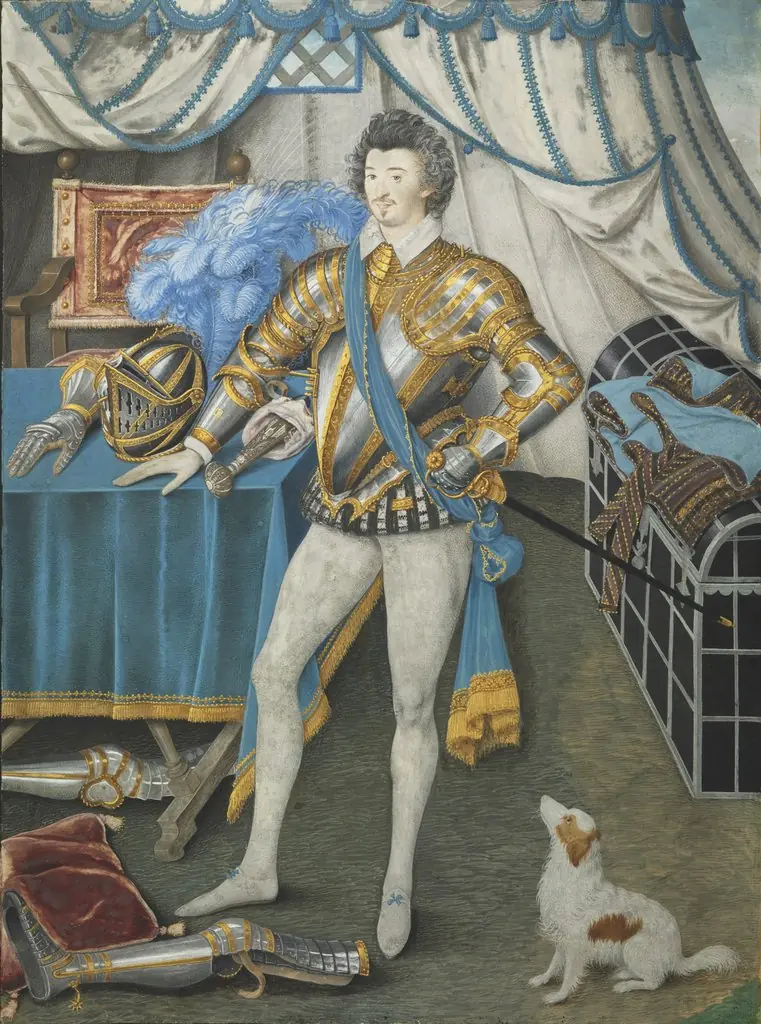 Sir Anthony Mildmay, Knight of Apethorpe, Northamptonshire
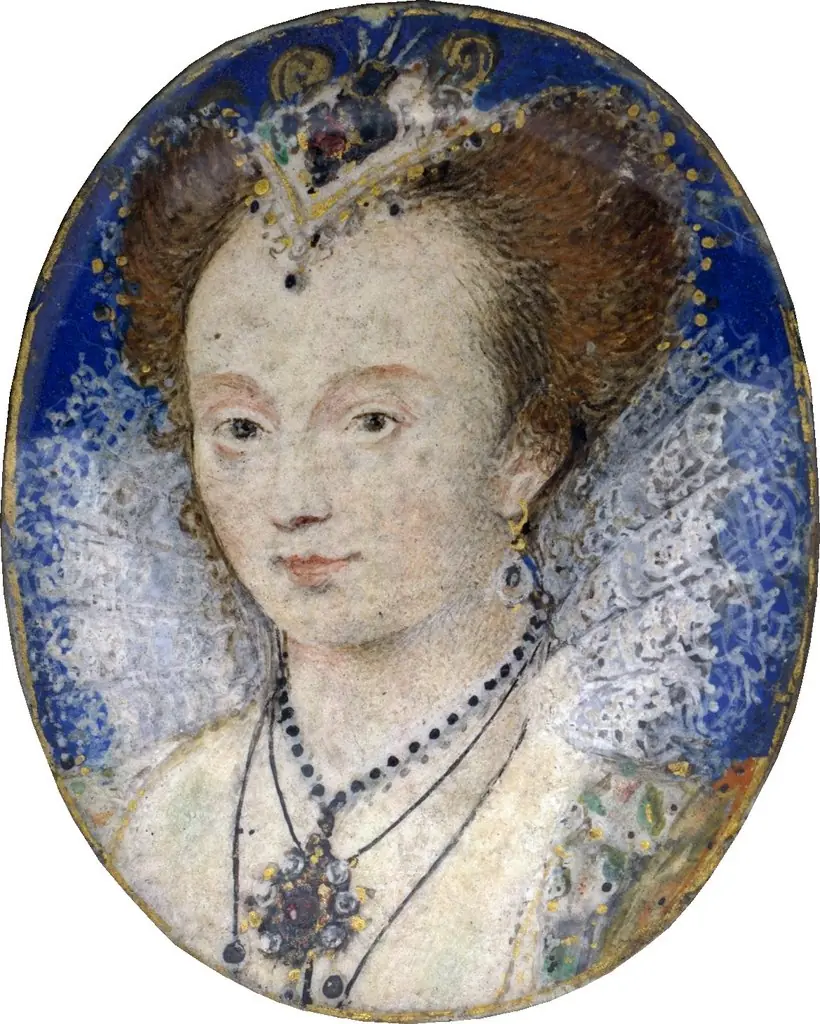 Portrait of a Woman
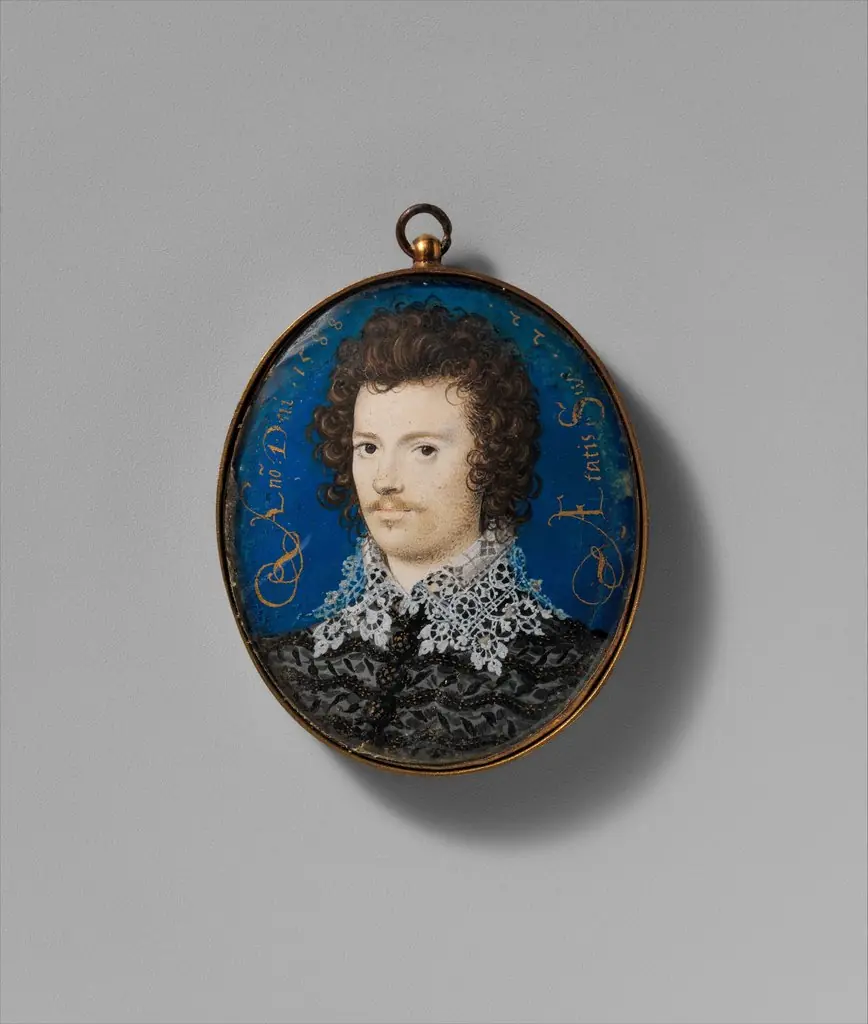 Portrait of a Young Man, Probably Robert Devereux (1566–1601), Second Earl of Essex
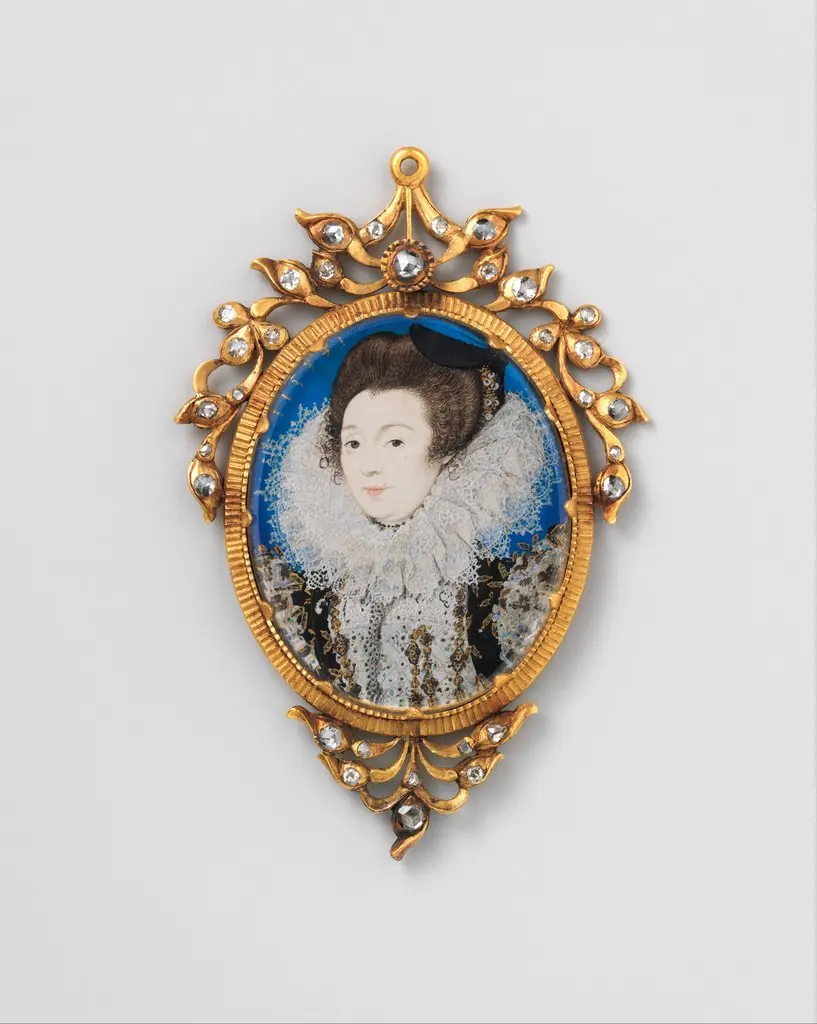 Portrait of a Woman
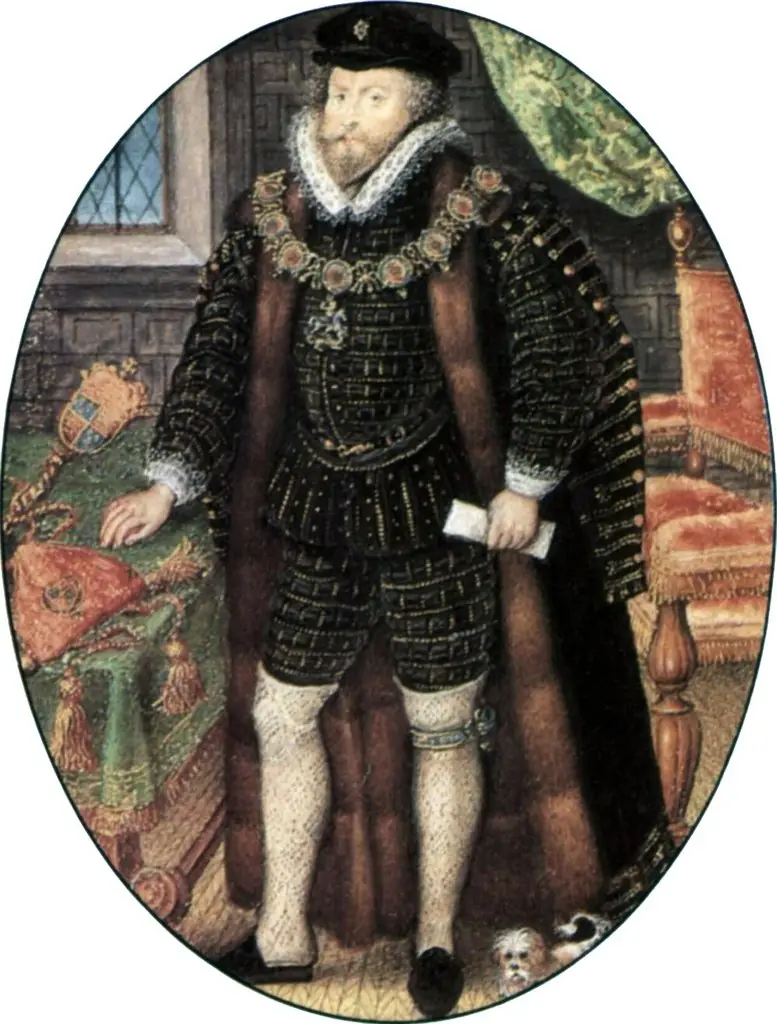 Sir Christopher Hatton
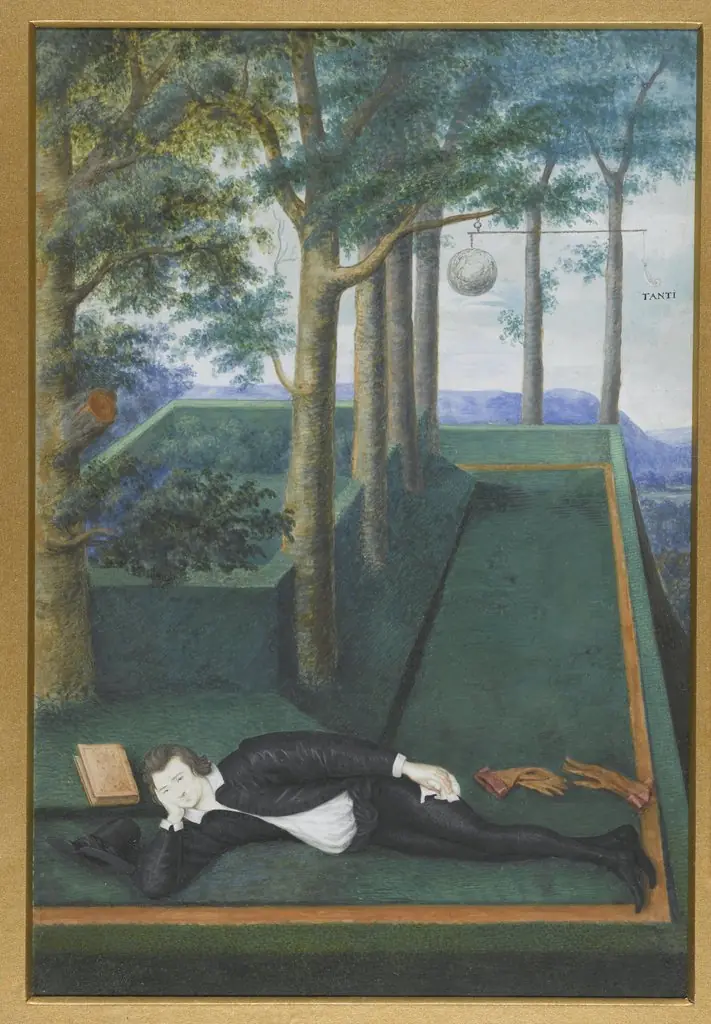 Henry Percy, 9th Earl of Northumberland
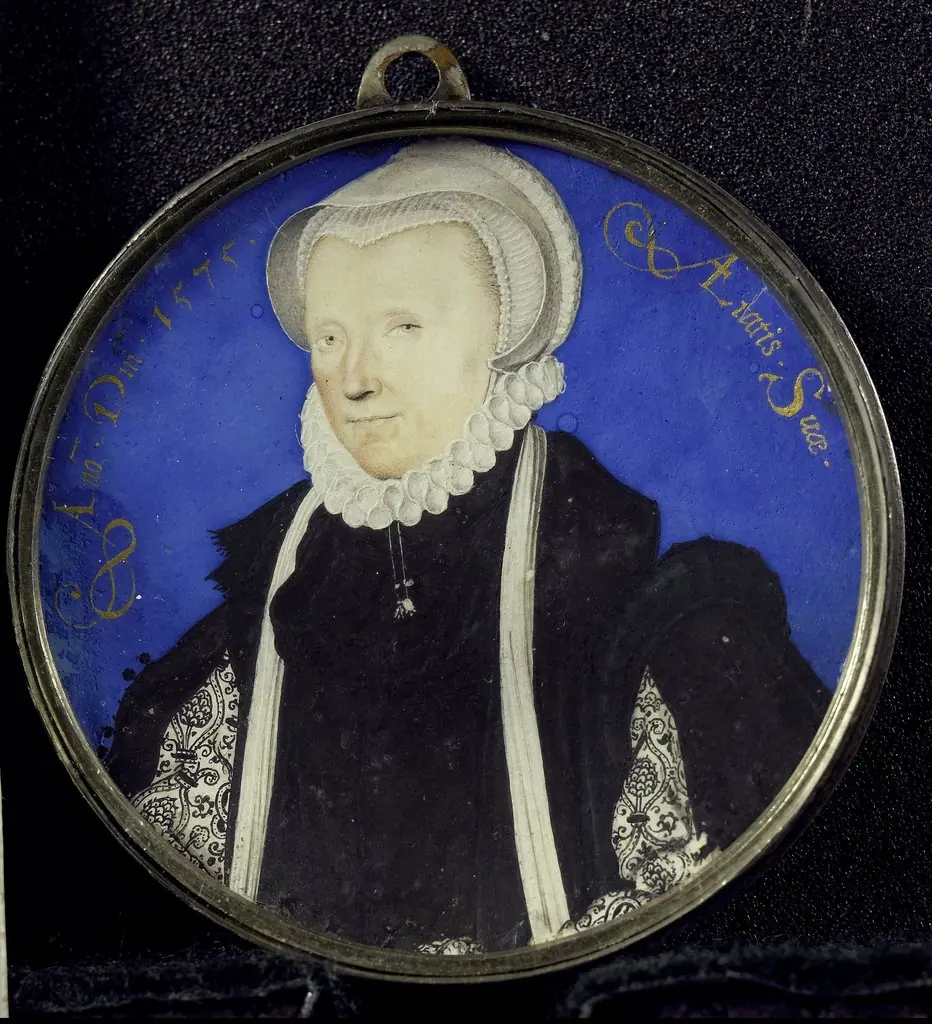 Lady Margaret Douglas, Countess of Lennox
 Elizabeth I of England