Artwork
Le beau bras: C'est comme l'antique!
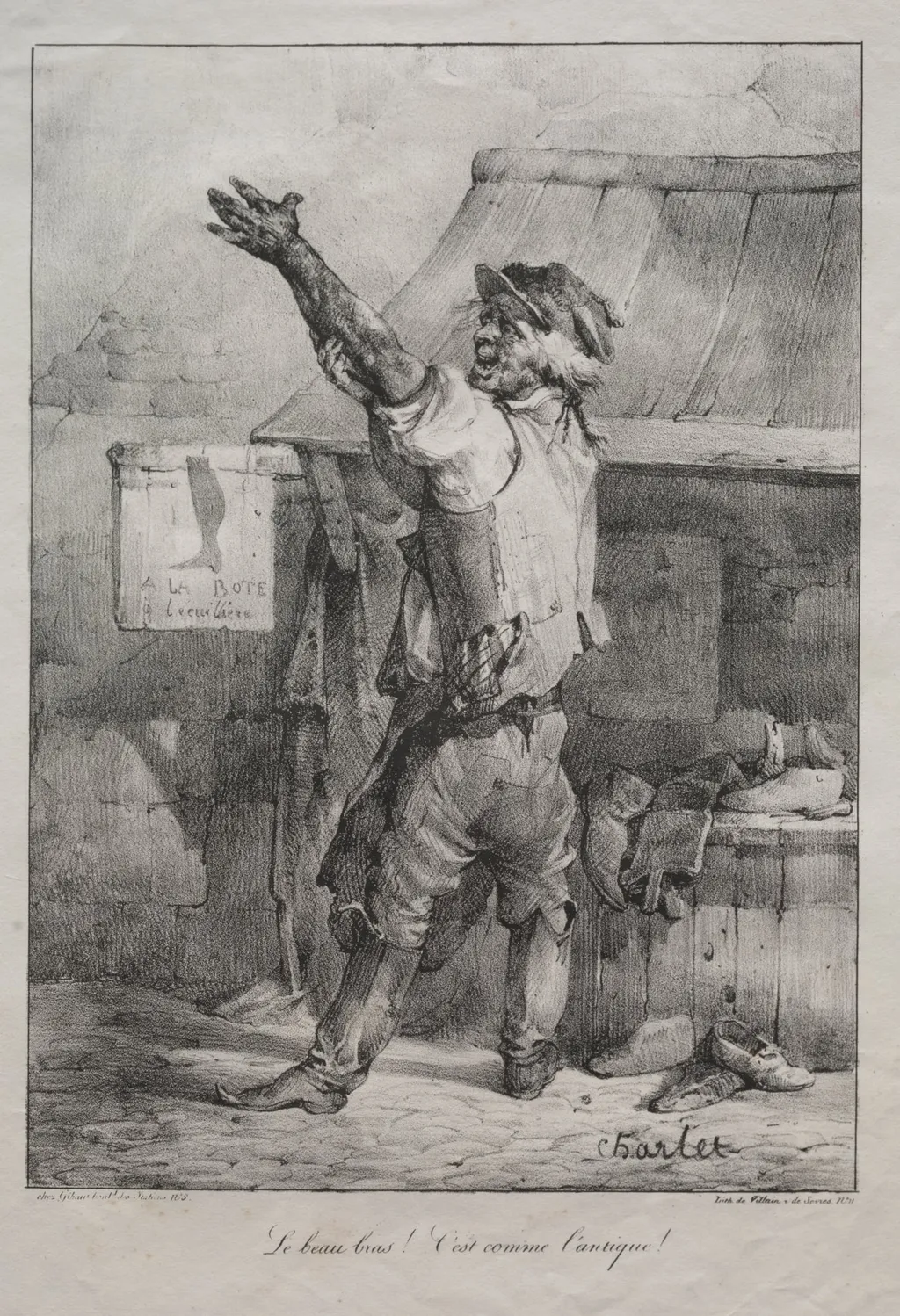
Le beau bras: C'est comme l'antique! is a print by the Romanticist artist Nicolas Toussaint Charlet. It dates from 1822 and is held in the collection of the Cleveland Museum of Art.
About this work
Overview
Le beau bras: C'est comme l'antique! is an early 19th-century print by Nicolas Toussaint Charlet, dated circa 1822, currently in the collection of The Cleveland Museum of Art.
Subject & Meaning
The print depicts a man in everyday attire (white shirt, dark pants, hat) standing before a wooden structure, energetically raising his right arm. His enthusiastic facial expression suggests celebration or reaction to an unseen event, contributing to an overall atmosphere of joy and dynamism. A non-legible sign on the structure's wall adds contextual ambiguity.
Technique & Style
Executed in a style characteristic of Romanticism, the work emphasizes emotional expression and vivid movement, as evident in the subject's pose and facial demeanor. The composition's focus on capturing a moment of intense feeling aligns with the movement's core principles.
History & Provenance
Created around 1822 by French artist Nicolas Toussaint Charlet, the print's history prior to its acquisition by The Cleveland Museum of Art is not detailed here.
Context
Emerging within the Romantic movement, this piece reflects the era's artistic shift towards prioritizing emotion, individualism, and the expressive potential of everyday life scenes.
Legacy
As a representative of early 19th-century Romantic printmaking, 'Le beau bras' contributes to the broader understanding of the movement's influence on depictions of human emotion in art.
Artist & collection

Artist
Nicolas-Toussaint Charlet was a French painter and printmaker, more especially of military subjects.

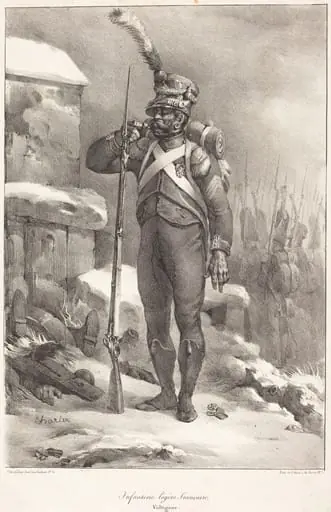
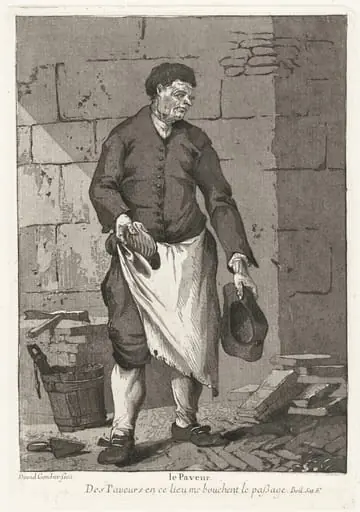 Le Paveur (The Road Paver)
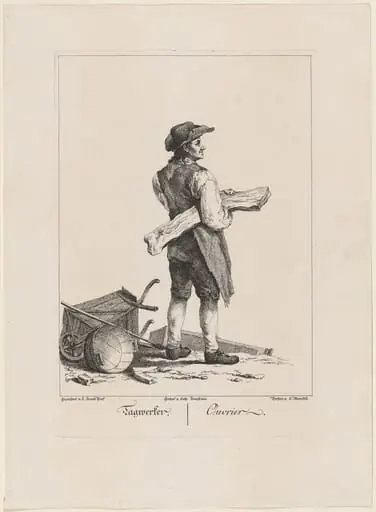 Tagwerker (Day Laborer)
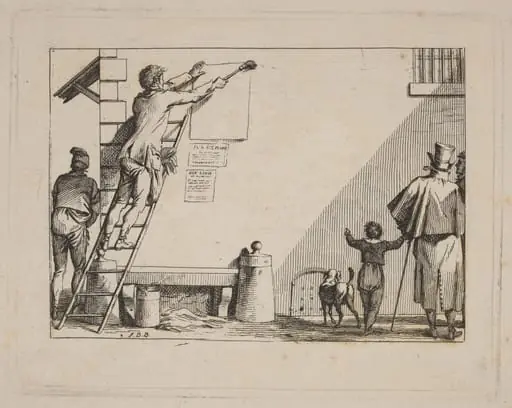 Colleur (Billposter)
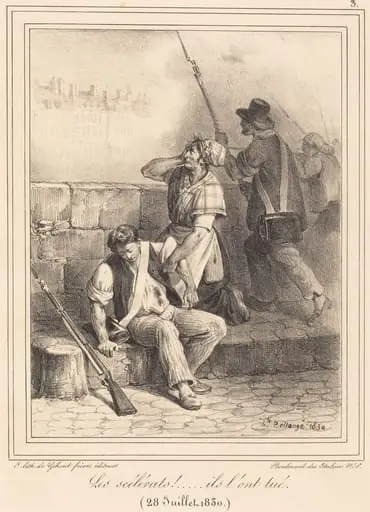 "Les Scélérats!..."
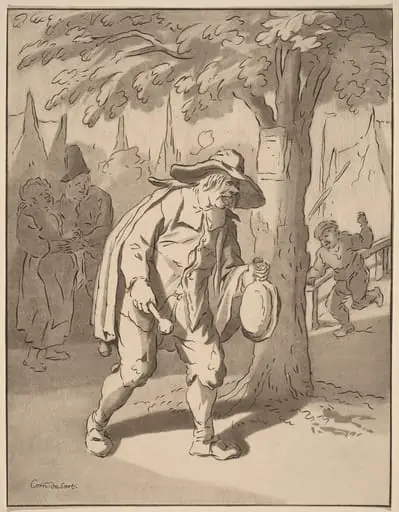 Town Crier
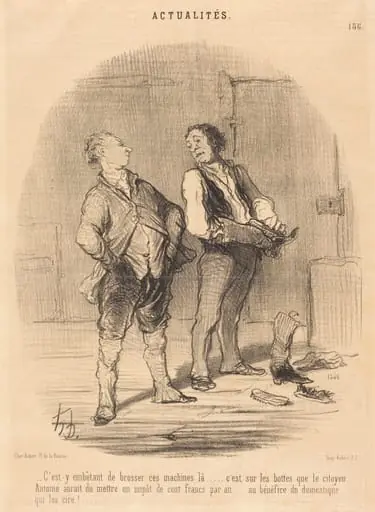 C'est-y embêtant de brosser ces machines là...
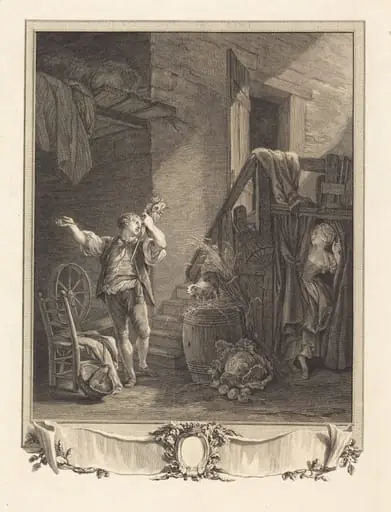 Rose et Colas
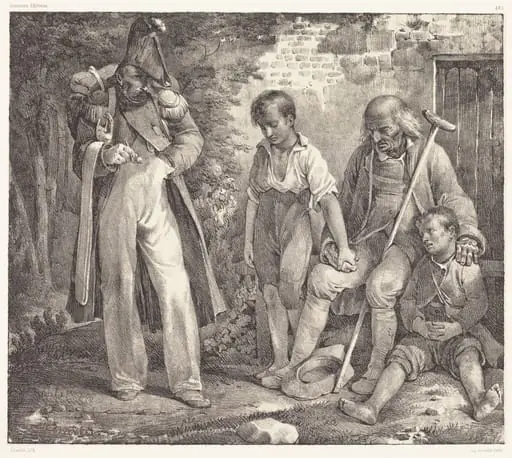
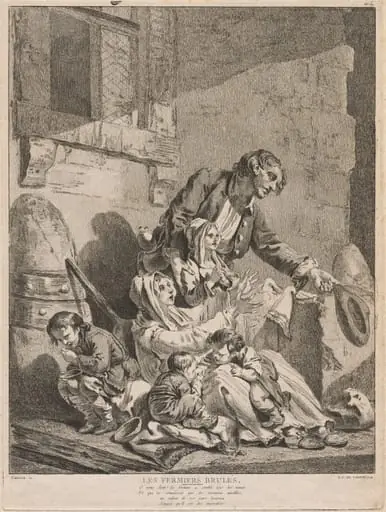 Les Fermiers brulés (A Burnt-Out Farmer, Begging with his Family)
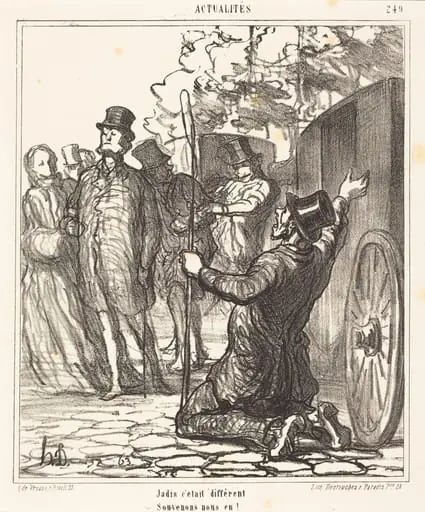 Jadis c'était différent
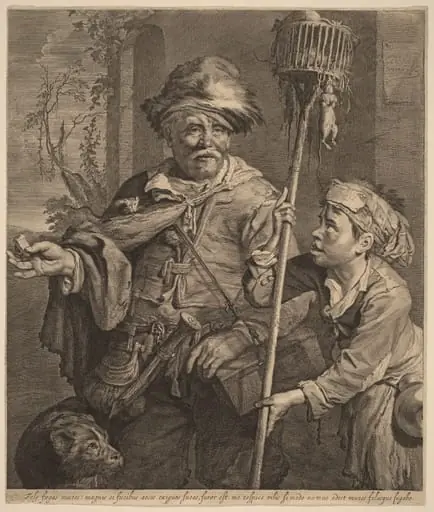 The Seller of Rat Poison
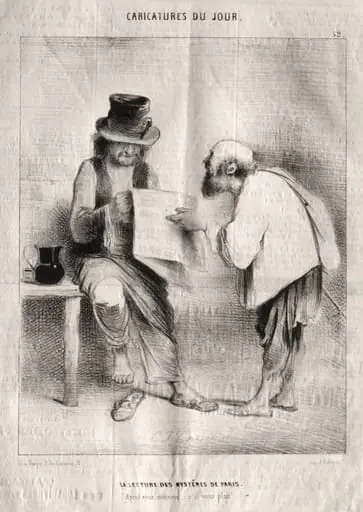 Caricatures du jour: La Lecture des mystères de Paris
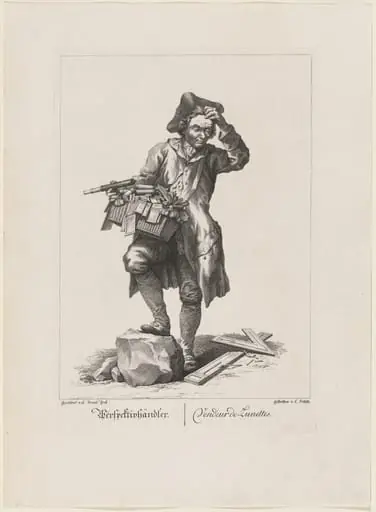 Perspektivhändler (Telescope Seller)