Artwork
Bicker's Island, Amsterdam
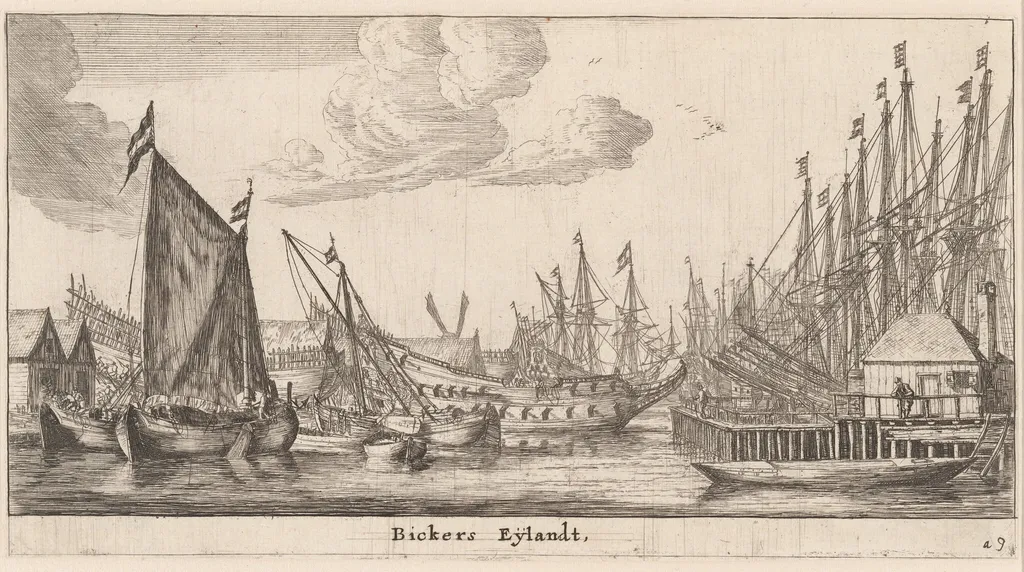
Bicker's Island, Amsterdam is an ink print by the Baroque artist Nooms, called Zeeman, Reinier. It dates from 1653 and is held in the collection of the National Gallery of Art.
About this work
Overview
Bicker's Island, Amsterdam is an etching with drypoint on laid paper created by Reinier Nooms, also known as Zeeman, around 1653. It is a representative work of Nooms' printmaking style, characterized by detailed depictions of maritime and topographical subjects.
Subject & Meaning
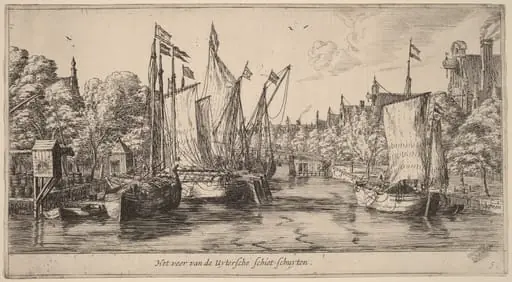
The etching depicts a serene scene on the Amstel River near Amsterdam, featuring a low bridge, small boats, and closely packed buildings along the shore. The worn brick walls of the buildings suggest a sense of age and wear.
Technique & Style
The print combines etching and drypoint techniques on laid paper, resulting in scratchy, expressive lines that capture the play of light on water. Nooms' style is marked by a focus on capturing the everyday aspects of urban life, such as working cranes and warehouses.
Context
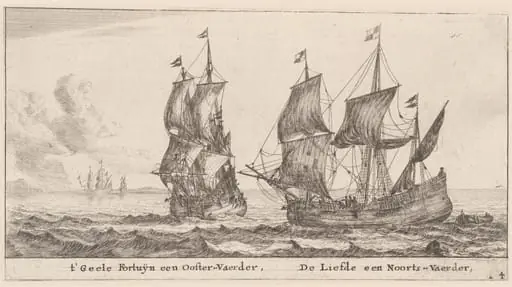
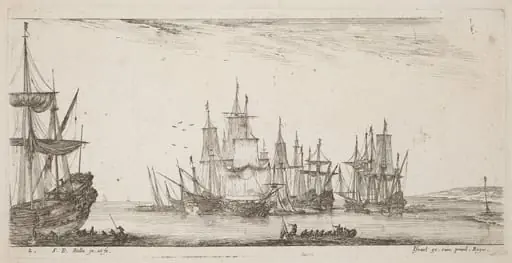
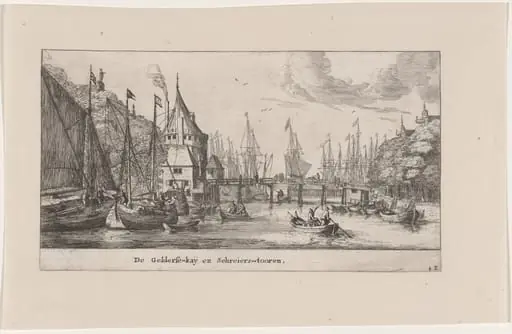
Nooms was a Dutch maritime painter who began producing refined etchings of ships and topographical views in the 1650s. His works, including Bicker's Island, Amsterdam, served as reference examples for other artists.
Artist & collection

Artist
Reinier Nooms (c. 1623 – 1664), also known as Zeeman or Seeman (Dutch for "sailor"), was a Dutch maritime painter known for his highly detailed paintings and etchings of ships. From the 1650s, Nooms started producing…