Artwork
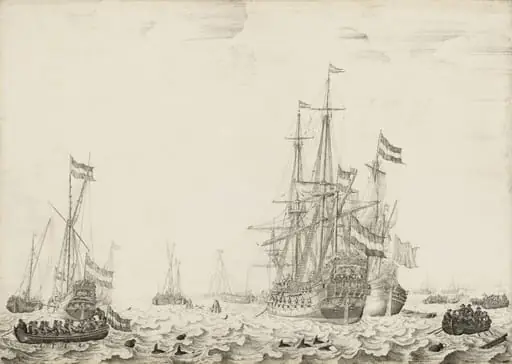
Two Dutch Frigates
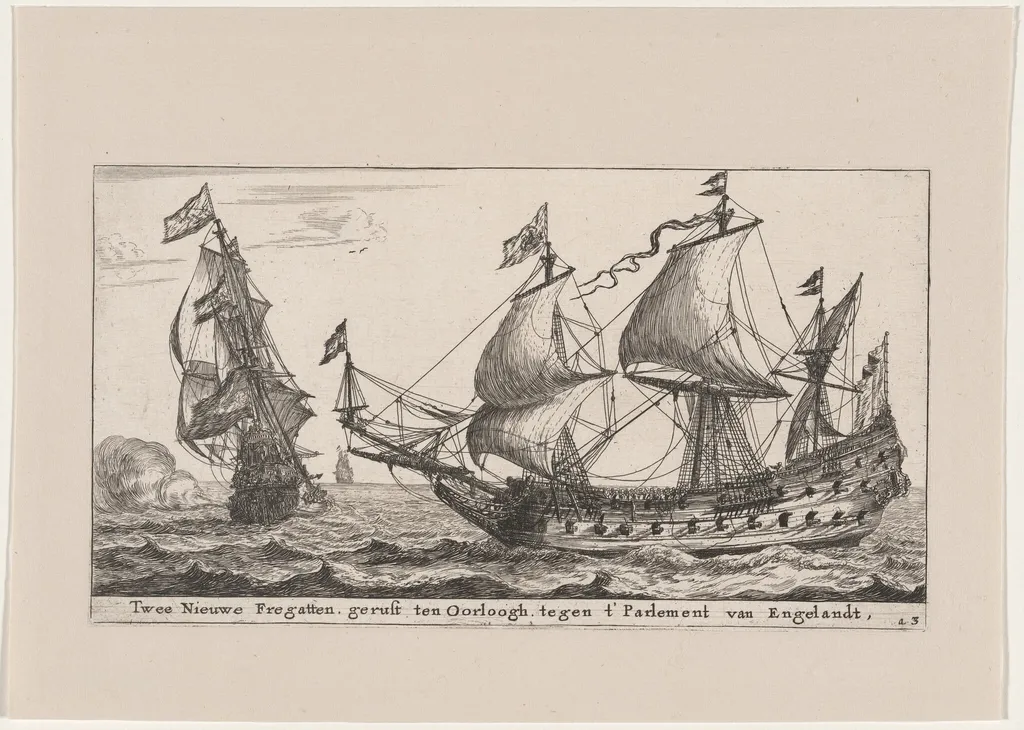
Two Dutch Frigates is an ink print by the Baroque artist Nooms, called Zeeman, Reinier. It dates from 1653 and is held in the collection of the National Gallery of Art.
About this work
Overview
Nooms emerged in the 1650s as a printmaker specializing in naval subjects, blending topographical accuracy with expressive line work.
Reinier Nooms, known as Zeeman, created this etching with drypoint around 1653, capturing two Dutch frigates in motion. Executed on laid paper, the print reflects his dedication to precise maritime documentation. Nooms emerged in the 1650s as a printmaker specializing in naval subjects, blending topographical accuracy with expressive line work. This piece stands as a key example of his mature technique, where fine detail and tactile surface quality define his approach.
Subject & Meaning
The scene portrays two frigates navigating turbulent seas, their sails full with wind, while a third vessel recedes into the distance on the horizon. Nooms avoids narrative or symbolism, focusing instead on the presence and movement of warships as symbols of Dutch naval power. The composition suggests vigilance and endurance, reflecting the maritime priorities of the Dutch Republic during wartime. The ships are rendered not as heroes but as functional, resilient machines of state.
Technique & Style
Nooms combined etching with drypoint to achieve rich tonal variation and textured surfaces. The drypoint’s burr creates soft, grainy lines that mimic the roughness of waves and weathered timber, while etched contours define the rigging with precision. Light and shadow are modeled through dense hatching and sparse areas, enhancing the sense of depth and motion. The effect is neither idealized nor romanticized, but grounded in observed reality.
History & Provenance
The print was produced during a period when Nooms was actively publishing series of ship studies, likely for collectors and naval professionals. Few impressions survive, and those that do are held in major European print rooms. Its creation coincided with the First Anglo-Dutch War, a time when accurate depictions of naval vessels held both practical and patriotic value. Nooms’s reputation as a reliable chronicler of ships contributed to the print’s early circulation.
Context
In mid-17th century Amsterdam, maritime imagery flourished alongside the Republic’s commercial and military expansion. Printmakers like Nooms catered to a market interested in naval technology and seafaring life. Unlike painters who dramatized the sea, Nooms prioritized fidelity to form and structure. His work intersected with cartography and shipbuilding manuals, positioning him as a visual archivist rather than an imaginative artist.
Legacy
Nooms’s precise rendering of vessels influenced later Dutch marine printmakers and contributed to the development of technical illustration in maritime contexts. His integration of drypoint to suggest texture became a model for depicting weathered surfaces in printmaking. Though not widely celebrated in his lifetime, his prints remain valuable references for historians studying Dutch naval architecture and 17th-century print culture.
Artist & collection

Artist
Reinier Nooms (c. 1623 – 1664), also known as Zeeman or Seeman (Dutch for "sailor"), was a Dutch maritime painter known for his highly detailed paintings and etchings of ships. From the 1650s, Nooms started producing…

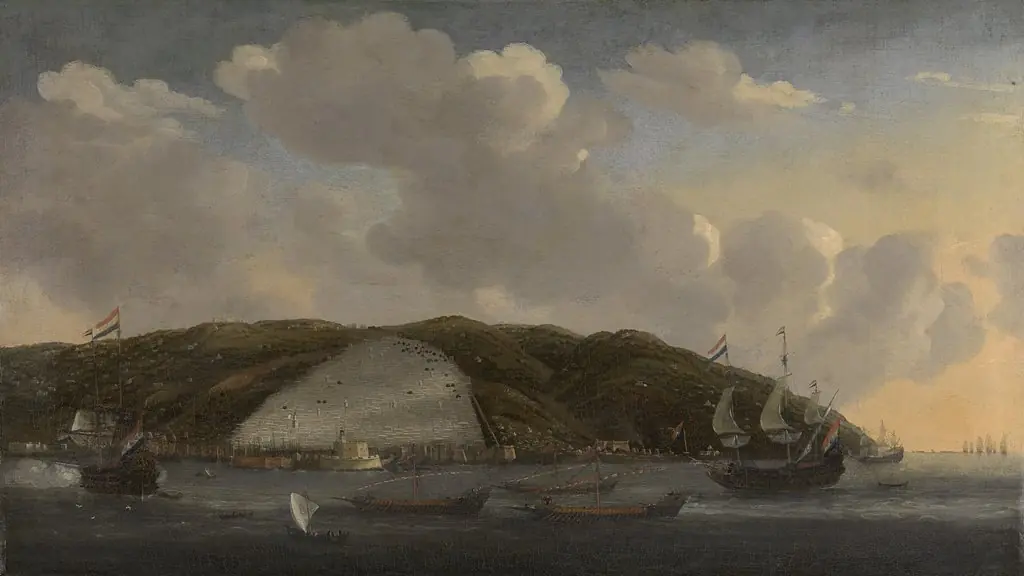
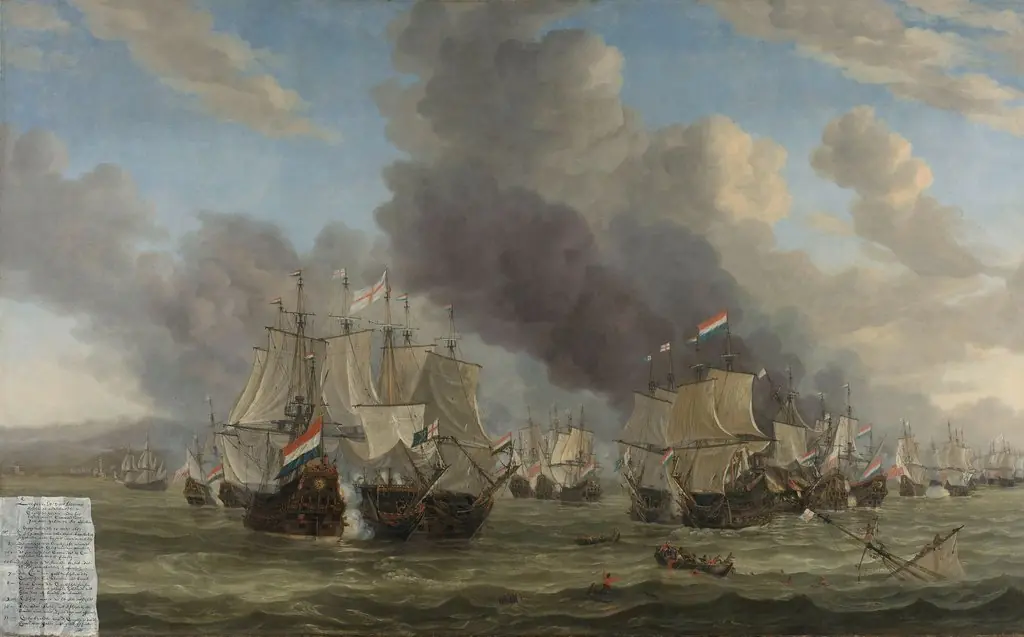
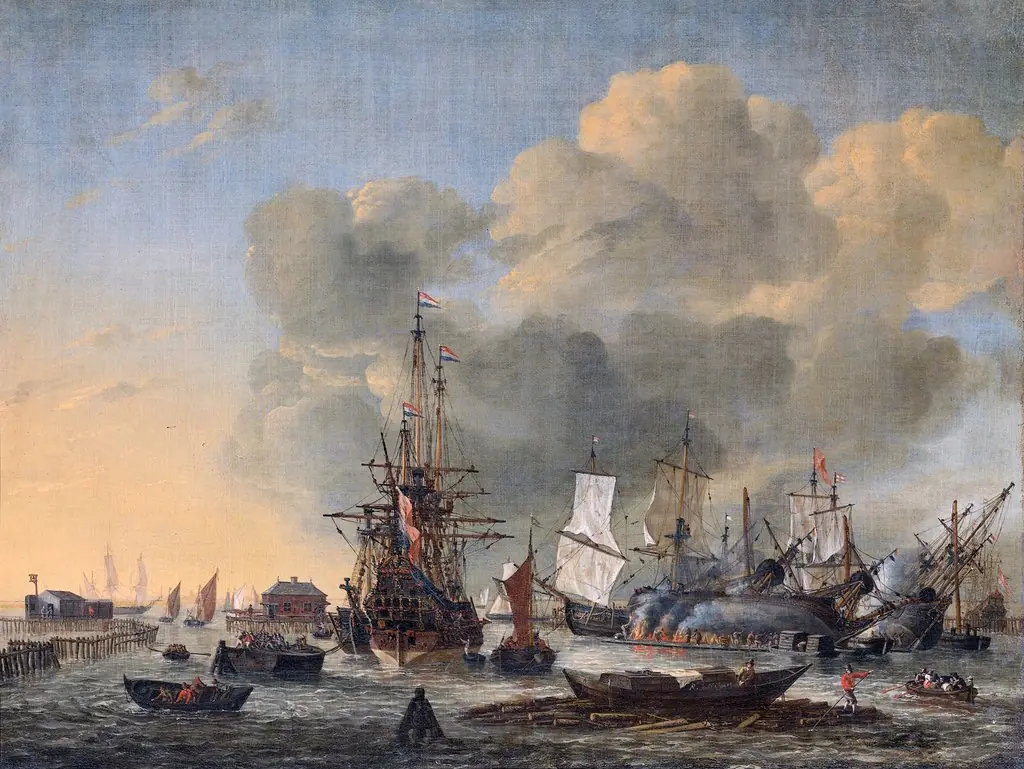
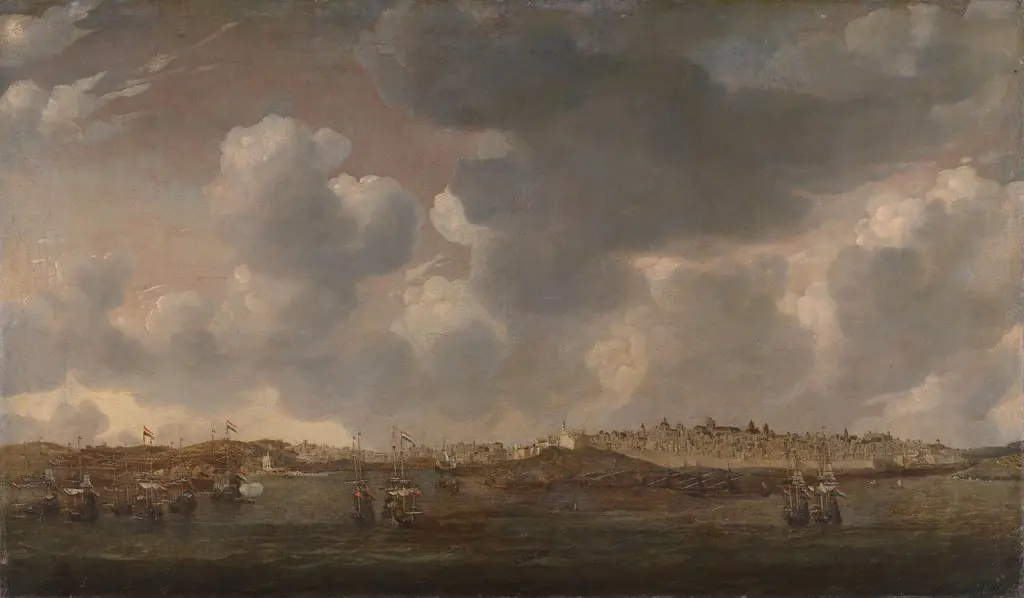
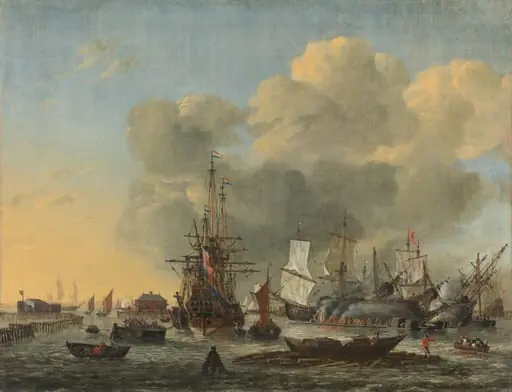
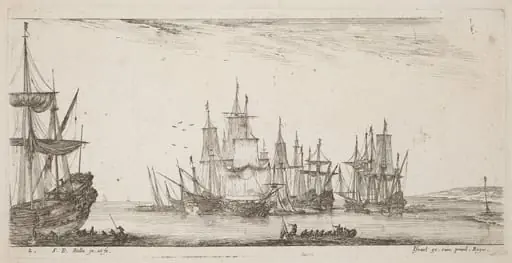 Group of Ships
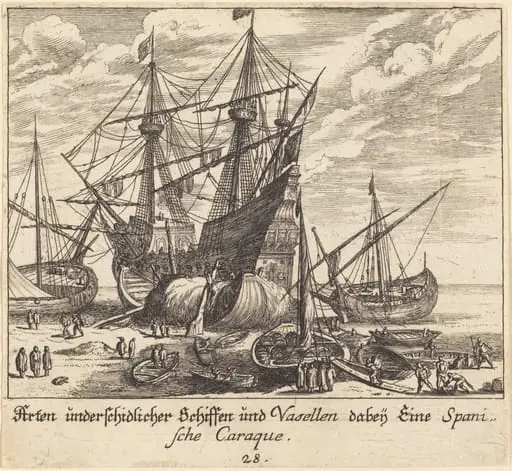 Ships
Ships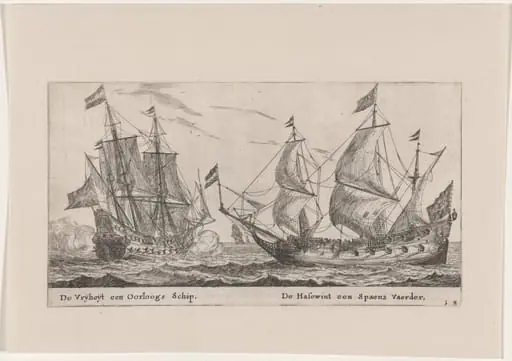 The "Vrijheijt," a Man-of-War and the "Hazewind," a Merchantman for Spain
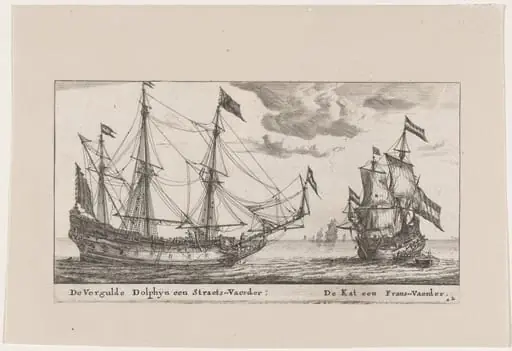 The "Vergulde Dolphyn," a Large Merchant Vessel, and the "Kat," a Flute
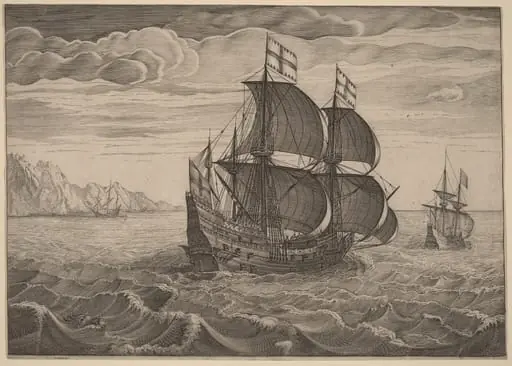 Ship in Full Sail with Two Flags
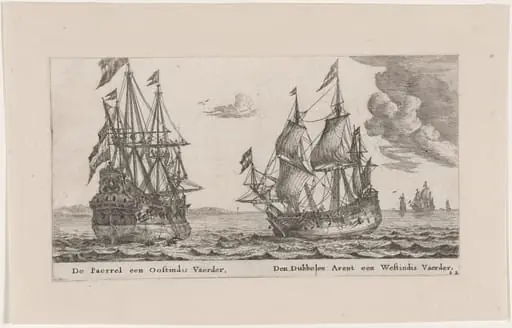 The "Parel" (Pearl), an East Indiaman and the "Dubbele Arent" (Spread Eagle), a West Indiaman
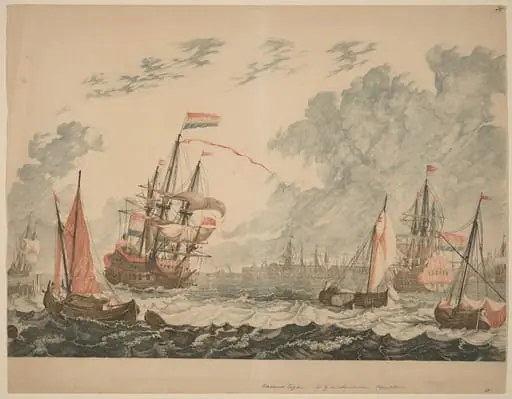 Amsterdam, Ships at the IJ on Choppy Water
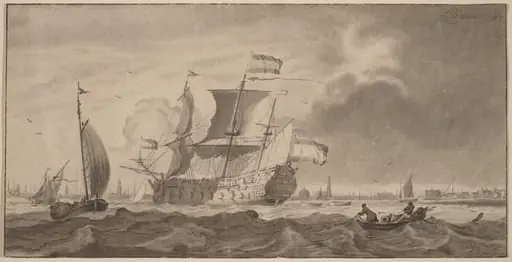 War Vessel in the Y
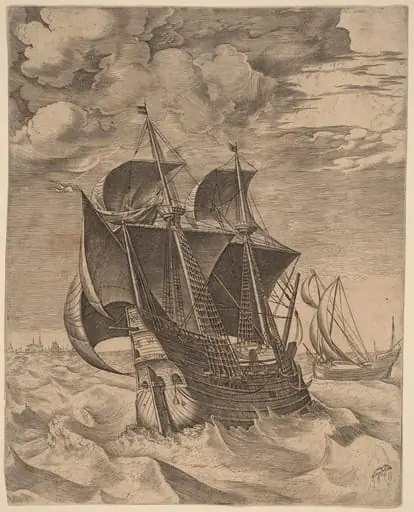 A Dutch Hulk and a Boeier
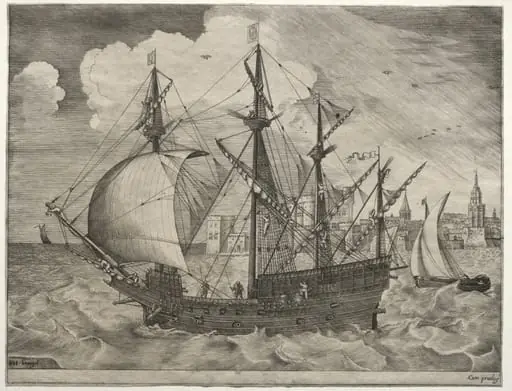 Sailing Vessels: Armed Four-Master Putting Out to Sea
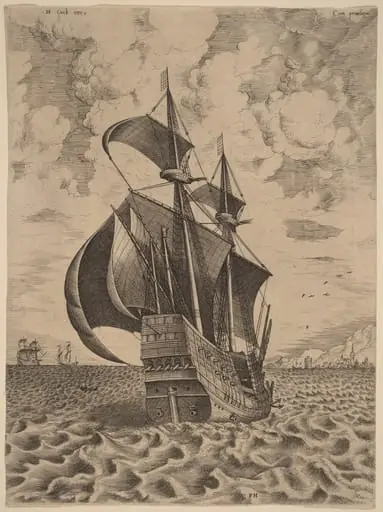 Armed Four-Master Sailing towards a Port
 Dutch Ships near the Coast