Artwork
Platoul are fundul îngust, pereții puțin înalți dar puternic evazați. Pe o pânză de spirale, doi cocoși stau pregătiți de luptă. Buza vasului conturată cu o linie vălurită dispusă circular. Pe spate platoul este prevăzut cu o gaură de prindere, tot la posterior, pe fund incizată inscripția ”Stelian Ogrezeanu Hurez Vâlcea România''. Cromatică: fond: smalț alb-gălbui; motive: verde; maro; cărămiziu.
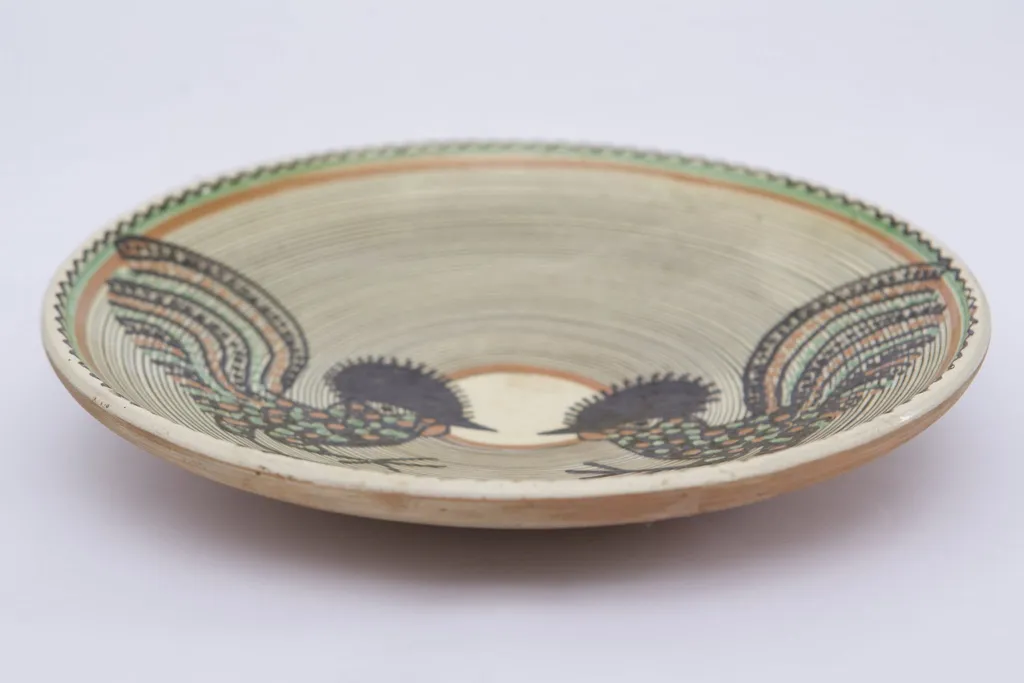
Platoul are fundul îngust, pereții puțin înalți dar puternic evazați. Pe o pânză de spirale, doi cocoși stau pregătiți de luptă. Buza vasului conturată cu o linie vălurită dispusă circular. Pe spate platoul este prevăzut cu o gaură de prindere, tot la posterior, pe fund incizată inscripția ”Stelian Ogrezeanu Hurez Vâlcea România''. Cromatică: fond: smalț alb-gălbui; motive: verde; maro; cărămiziu. is a poster by Ogrezeanu Stelian. It is held in the collection of the ASTRA National Museum Complex. The object is a shallow, wide ceramic plate with a light yellow‑white glaze.
About this work
Overview
The object is a shallow, wide ceramic plate with a light yellow‑white glaze. Its rim is adorned with a wavy line rendered in dark green, brown and brick‑red tones. The central field features two stylized roosters facing each other, their feathers composed of swirling motifs in the same palette. The piece bears a carved inscription on the underside identifying the maker.
Subject & Meaning
The central motif presents two roosters poised for combat, a traditional symbol of vigilance and territoriality in folk art. Their confrontational stance, emphasized by sharp outlines and dynamic swirls, suggests a narrative of rivalry or protective strength.
Technique & Style
The plate is executed in low‑fire earthenware, glazed with a pale yellow‑white base. Decorative elements are applied in slip or underglaze, then fired to produce the green, brown and brick‑red spirals that outline the rim and the birds. The overall design follows a folk‑art aesthetic, with simplified forms and repetitive ornamental lines.
History & Provenance
The underside of the plate carries the inscription “Stelian Ogrezeanu Hurez Vâlcea România,” indicating the work was produced by the Romanian ceramist Stelian Ogrezeanu, likely in the town of Hurez, Vâlcea County. No further ownership records are provided.
Context
Romanian rural pottery often incorporates animal motifs, especially roosters, as protective talismans. The use of a shallow serving plate for such decoration aligns with traditional household objects that combine utility with symbolic imagery.
Artist & collection
Artist
Stelian Ogrezeanu shaped clay in a tiny workshop near Horezu, where the Carpathians press close enough to smell the woodsmoke.

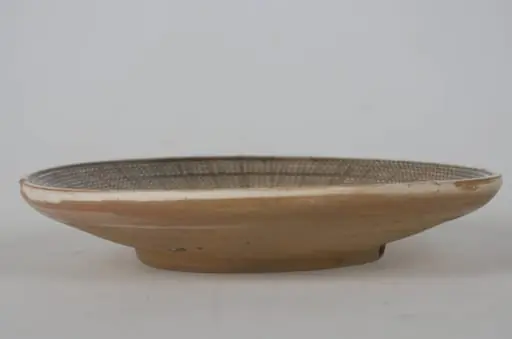 Vas ceramic smălțuit de mici dimensiuni, modelat la roata olarului, uscat, pictat, ars de două ori și smălțuit. Taierul prezintă o bază plată din care pornesc pereții foarte evazați/arcuiți cu buza ridicată. Decorul este dispus pe toată suprafața vasului, care în prealabil a fost angobat. Fundul vasului este nedecorat; în zona de demarcarea dintre fundul vasului și pereți un registru jirăvit, cuprins între două linii de culoare maro-roșcat. Un al doilea registru realizat din frunze de culoare verde, maro-roșcat și maro-închis. Marginea vasului a fost jirăvită, realizată cu „gaița”. Cromatica vasului este alb la interior și maro-deschis la exterior, iar cea a decorului pictat este maro-închis; verde; maro-roșcat; alb.
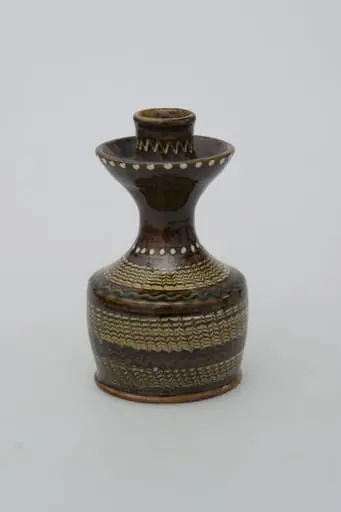 Recipient ceramic tubular, folosit ca suport de lumânare. Baza, fără fund, foarte înaltă cu pereții drepți ce se continuă printr-un gât îngust, înalt, lățindu-se în partea superioară pe marginea care se evazează la exterior. Este prevăzut un șanț pentru ținerea cerii topite. Partea superioară prevăzută cu un orificiu înalt pentru fixat lumânarea. Decorații jirăvite pe întreg corpul, linie verde ondulată pe umăr, linie punctiformă circulară la baza gâtului și pe inelul reliefat, și o linie în zig-zag în partea superioară a gâtului. Smălțuit în exterior. Cromatică: fond: maro închis; motive: alb; verde; maro; negru; bej.
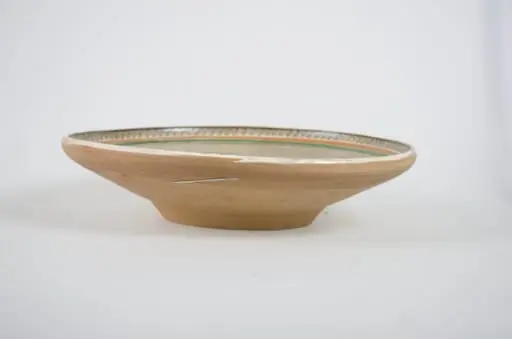 Vas ceramic de formă tronconică. Baza puțin adâncă din care pornesc pereții arcuiți spre exterior având pereții întinși și buza rotunjită. Ornament în două registre: pe fundul farfuriei o stea în opt colțuri având în fiecare vârf câte un "boboc". Delimitarea dintre bază și pereți s-a făcut printr-o porțiune jirăvită. Pereții ornamentați cu spirale și "altițe" cu linii ondulate (trei spirale și trei altițe). Marginea are o dungă jirăvită. Pe fundul vasului apare numele meșterului și localitatea "Ogrezeanu Stelian - Hurez, Valcea, Romania". Cromatică: fond: maro închis; motive: maro-roșcat, verde, alb. Smălțuit în interior.
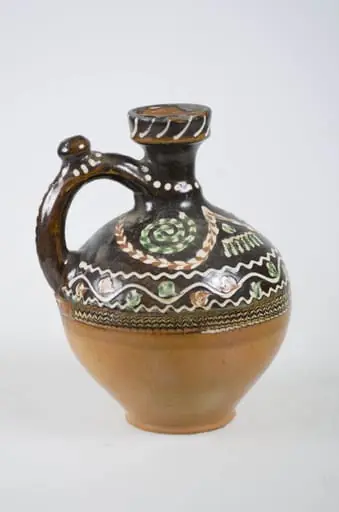 Vas ceramic sferic, ce prezintă baza plată din care pornesc pereții puternic arcuiți spre exterior, înalți, care în partea superioară se îngustează și se termină printr-un gât înalt cu marginea dreaptă ușor rotunjită. Ornamentul realizat cu cornul este dispus numai în partea superioară pe fond de angobă, realizat cu cornul. La diametrul maxim o porțiune jirăvită cu șarpe de o parte și de alta cu "altiță" și "boboci". Pe gât trei linii ondulate urmat de un șir de puncte. Pe marginea buzei linii. Mânerul prevăzut cu "țâță" are puncte. Jumătatea inferioară maro deschis. Smălțuit. Pe fundul vasului apare numele meșterului și localitatea "Ogrezeanu Stelian - Horezu". Cromatică: fond: maro închis partea superioară. Cărămiziu partea inferioară; motive: verde; alb; maro închis.
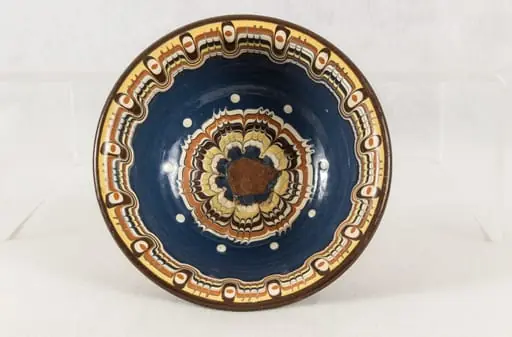 Vas de formă rotundă, adâncită, smălțuit în interior și exterior (cu excepția fundului), decorat pe suprafața interioară și exterioară astfel: în interior, un motiv floral central, realizat prin tehnica jirăvitului cu gaița, încadrat de nouă motive punctiforme, iar pe margine, un brâu maro și un registru de motive diverse (ochiul, linii curbe) realizare prin pictare și jirăvit; la exterior, un registru mai lat cu motive jirăvite și pictate cu pensula. Cromatică: albastru, alb, galben, maro, cărămiziu.
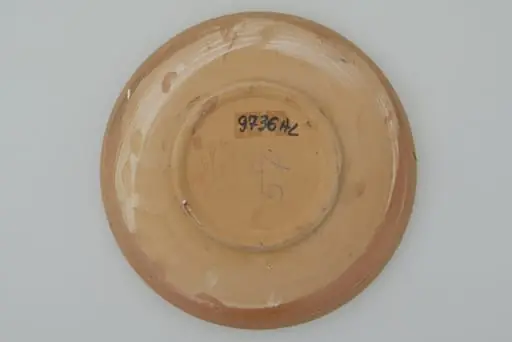 Farfurie tronconică de mici dimensiuni, cu fundul mic, pereții puțin înalți, dar puternic evazați. Centrul farfuriei prezintă o spirală, urmează un câmp jirăvit; urmează două cercuri maro și verde, din nou câmp jirăvit, urmează o ghirlandă cu trandafiri, sfârșindu-se cu un câmp jirăvit. Este prevăzută cu o gaură, pe partea posterioară, pentru prindere. Cromatică: fond: alb-gri; motive; maro; verde; cărămiziu.
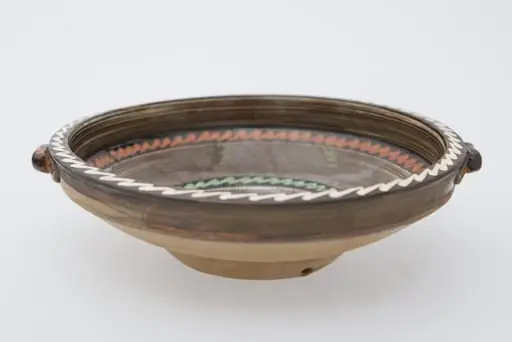 Castronul, pe bază inelară, are fundul îngust, pereții înalți și evazați, gura vasului este înaltă și dreaptă. Centrul este marcat de o spirală, înconjurată de o linie vălurită pe maron deschis, în nuanță cu câmp jirăvit. Pe pereții vasului este un brâu verde, în zig-zag, apoi un câmp jirăvit și din nou un brâu în zig-zag maro. Pe gâtul vasului o spirală, iar pe buza lui, un zig-zag pe alb. Castronul este prevăzut cu două urechi de prindere și o gaură pe partea posterioară, pentru agățare. Cromatică: fond: maron închis; motive: verde; alb; maro.
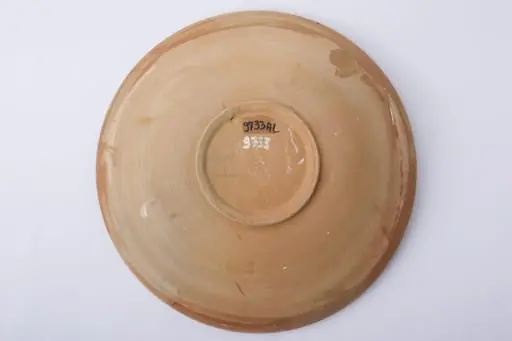 Platoul are fundul îngust, pereții puțin înalți dar puternic evazați. Central, pe fundul vasului, amplasată o spirală, în partea superioară jirăvită, încadrată de un cerc maron și ghirlande de frunze. Pe pereți o ghirlandă cu trandafiri desparte două registre cu pânze jirăvite. Câmpul jirăvit de pe marginea vasului capătă conturul unei stele cu 12 vârfuri, în spațiul dintre acestea fiind dispuse 12 ghirlande. La posterior, pe fund, semnătura ”Stelian Ogrezeanu Hurez Vîlcea România''. Pe partea posterioară, pe fundul vasului, a fost făcut o gaură pentru prindere. Cromatică: fond: alb; motive: verde; maro; cărămiziu; brun.
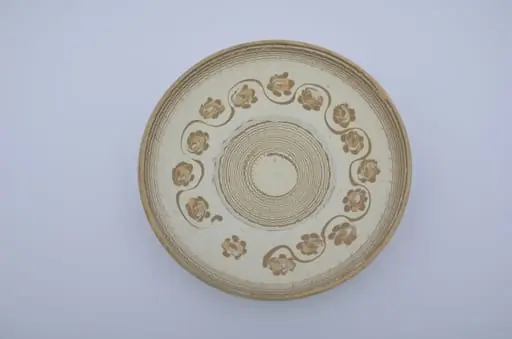 Recipient din lut de uz casnic, nesmălțuit, angobat, nears, de formă circulară, cu profil tronconic, cu buza rotunjită. Pe pereții interiori și pe fund, vasul este decorat prin jirăvire cu gaița și cu motive florale (flori stilizate), pictate cu cornul. Cromatică: fundal alb; motive: gri, negru, cărămiziu; maro.
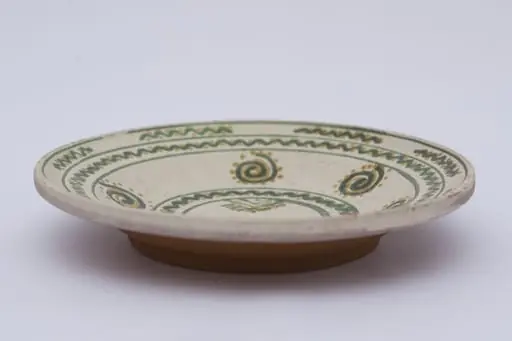 Vas ceramic de formă discoidală pe bază puțin înălțată. Fața farfuriei a fost introdusă în angobă albă, decorația a fost făcută cu pensula. Pe fundul vasului sunt două cercuri concentrice: în primul sunt doi brăduți, iar în al doilea valul punctat. Pe pereți sunt șase spirale punctate. Marginea vasului a fost împărțită în două registre, primul cu val punctat, în al doilea sunt șapte valuri întrerupte. La posterior, pe fund, semătura ”D Șchiopu ''. Pentru atârnare baza este perforată. Cromatică: fond: alb; motive; verde; galben.
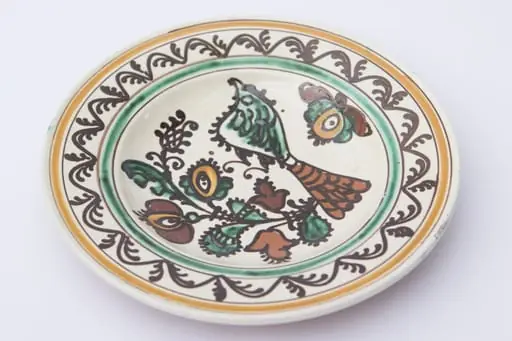 Farfurie cu fundul lat, pereții puțin înalți dar evazați. Motiv central: o pasăre (cuc?) deasupra unei ghirlande cu flori (lalea); deasupra păsării o altă floare stilizată. Pe pereții farfuriei între două dungi colorate (verde și galben) o linie vălurită maron, dublată de crengi cu frunze stilizate. Smălțuită pe ambele fețe. Posterior pe fundul farfuriei, baza inelară este prevăzută cu două găuri pentru ață. La posterior, pe fund incizat ”Josza Janos Korond''. Cromatică: fond; alb; motive: verde; portocaliu; maro; brun; cărămiziu,
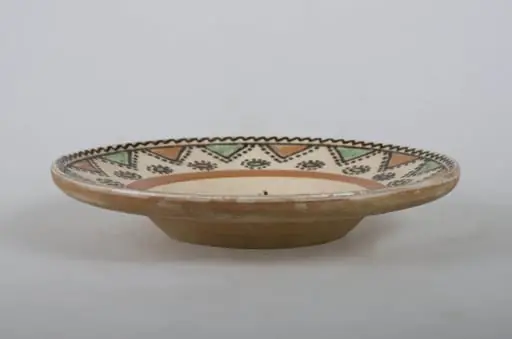 Recipient de formă tronconică cu fundul îngust și pereții puțin ridicați. Intens stilizat în mai multe registre, cu diverse motive geometrice și astronomice: central este pictată o stea cu șase colțuri cu romburi mici între colțuri, pe perete: o dungă lată circulară, cărămizie și un motiv de "ochi", triunghiuri încadrate de puncte mici și val la buză. Pe partea posterioară, piesa este prevăzută cu un orificiu, pentru prindere. Pe spatele vasului apare semnătura meșterului ”Stelian Ogrezeanu” și orașul ”Vâlcea”. Cromatică: fond: alb gălbui; motive: maro; verde.
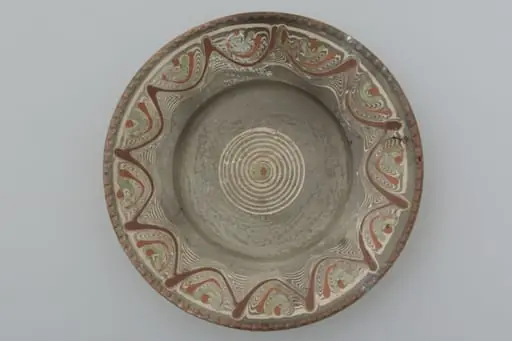 Farfurie cu pereții rotunjiti, marginea oblică lată cu buza crestată. Decor geometric pe margine: linii frânte și curbe, sugerând imaginea unui soare sau flori; pete de culoare; jirăvire. Pe fundul vasului dispusă o spirală cu o bulină verde și un punct maro în mijloc. Baza inelară perforată pentru introducerea unei sfori în vederea atârnării. La posterior, pe fund ștanțat ”Răducanu Ion Oboga jud. Olt''. Cromatică: fond: brun; motive: verde; alb; maro.
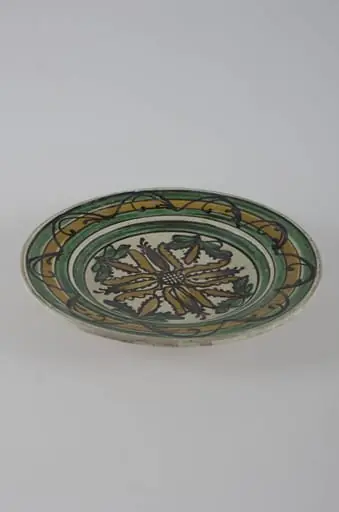 Vas de formă tronconică aplatizat cu decor amplasat pe toată suprafața; ordonat în registre; decor geometrizant; motive geometrice propriu-zise: cercul, semicercul; motive fitomorfe: frunza; motive florale: lalea stilizată. Cromatică: fond: alb; motive: verde; portocaliu.