Artwork
Untitled
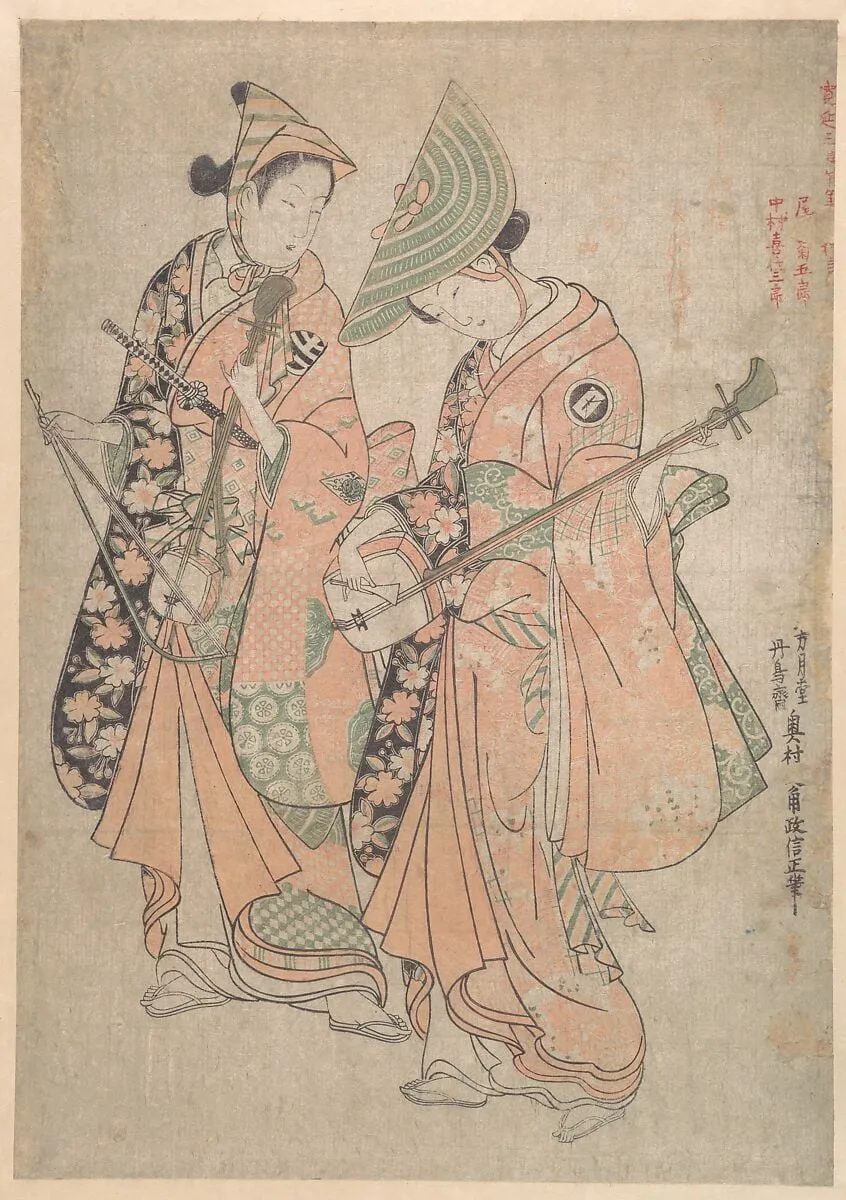
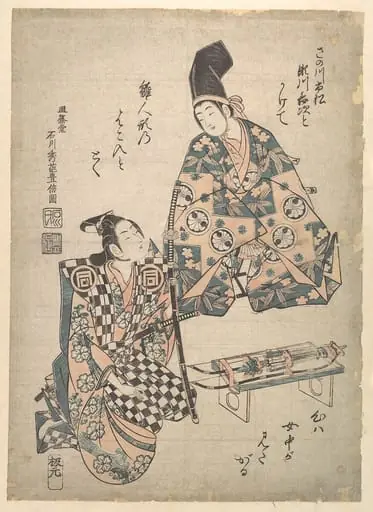
Untitled is an ink print by the Romanticist artist Okumura Masanobu. It dates from 1750 and is held in the collection of the Metropolitan Museum of Art.
About this work
Overview
This woodblock print, dated around 1750, is attributed to Okumura Masanobu and is part of The Metropolitan Museum of Art’s print collection.
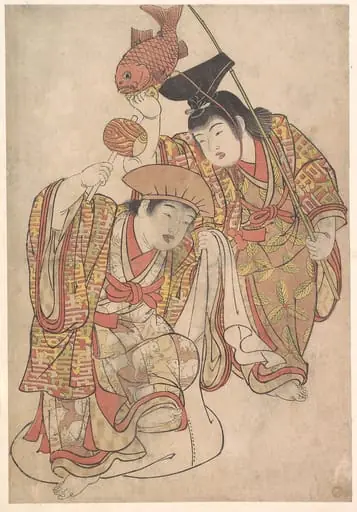
This woodblock print, dated around 1750, is attributed to Okumura Masanobu and is part of The Metropolitan Museum of Art’s print collection. Executed in ink and color on paper, it exemplifies the ukiyo-e tradition of depicting figures from everyday life with decorative precision. The composition centers on two individuals, their attire and gestures dominating the frame against an unadorned background.
Subject & Meaning
The two figures appear to be traveling performers or entertainers, distinguished by their distinctive accessories: a fan and curved sword in one hand, a round hat and small bag in the other. Their attire suggests a theatrical or nomadic role, though no specific narrative is identified. The emphasis on costume over setting implies a focus on social presentation rather than storytelling, common in mid-18th-century genre prints.
Technique & Style
Masanobu employed fine, controlled lines to define patterns on the robes—swirling leaves, dots, and linear motifs rendered in pink, green, and black. Shadows and texture are suggested through delicate cross-hatching rather than gradated tones, a hallmark of early ukiyo-e. The flat, unmodeled background directs attention to the intricate surface design of the clothing, highlighting the printmaker’s skill in pattern replication.
History & Provenance
The print entered The Metropolitan Museum of Art’s collection as part of its broader acquisition of Japanese woodblock prints from the Edo period. While its exact provenance before the 20th century is undocumented, its stylistic features align with Masanobu’s known output from the 1740s to 1760s, a period when he was active in publishing illustrated books and single-sheet prints for urban audiences.
Context
Created during the mid-Edo period, this print reflects the growing popularity of ukiyo-e among merchants and townspeople in Edo. Artists like Masanobu catered to a market interested in fashion, performance, and visual novelty. The emphasis on elaborate clothing and accessories mirrors contemporary trends in textile design and the public fascination with the aesthetics of transient entertainers.
Legacy
Masanobu’s work helped shape the visual language of early ukiyo-e, particularly in the use of bold patterns and linear detail to convey texture and movement. Though less celebrated than later artists, his prints contributed to the development of color printing techniques and the normalization of everyday subjects in Japanese printmaking, influencing generations of designers and printmakers.
Artist & collection
Artist
Okumura Masanobu lived in Edo (now Tokyo) when the city was a flashy, fast-growing hub of theater, gossip, and new ideas.

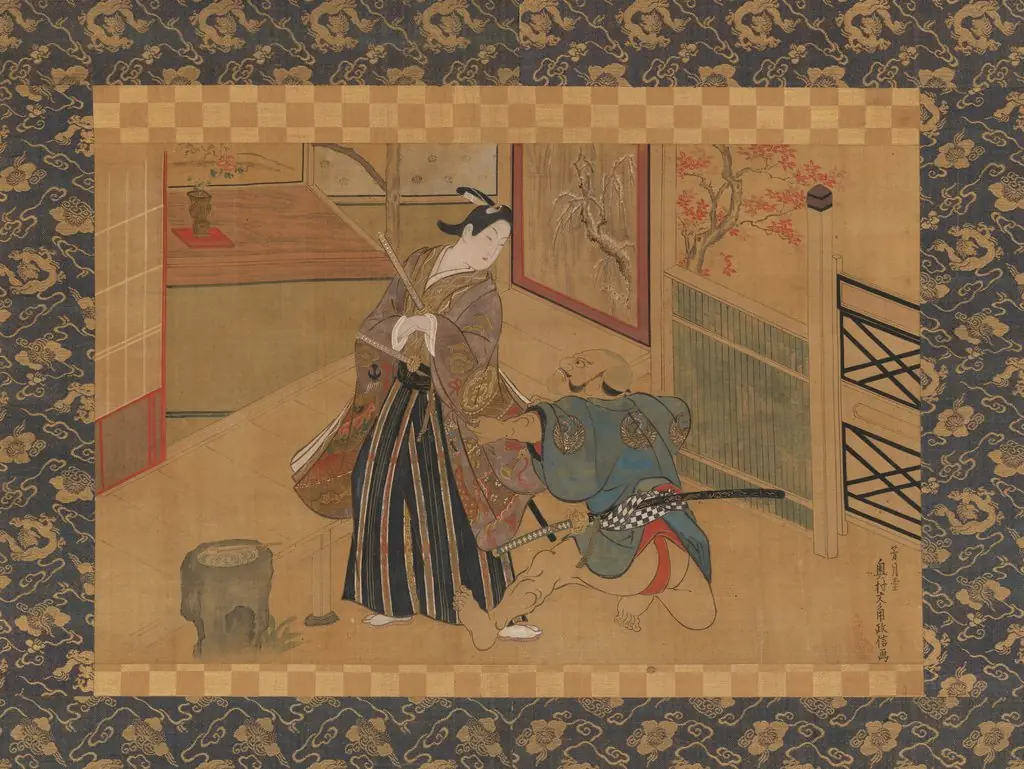 Kabuki Play Kusazuribiki from the Tales of Soga (Soga monogatari)
 Untitled
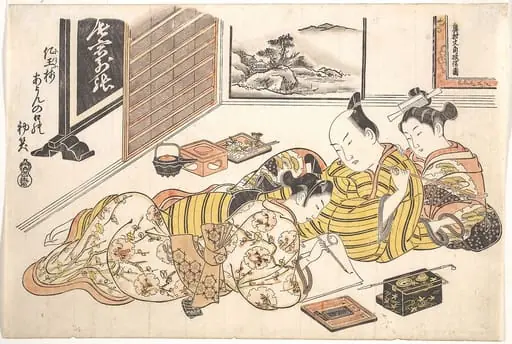 『閨の雛形』 正月|Plate from the Erotic Book Mounds of Dyed Colors: A Pattern Book for the Boudoir (Someiro no yama neya no hinagata), First Month
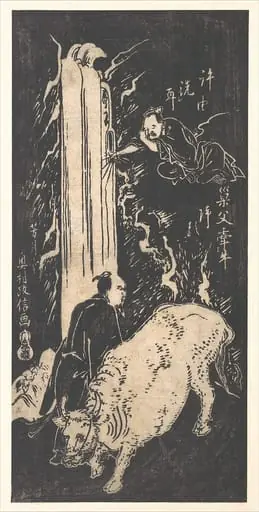 Untitled
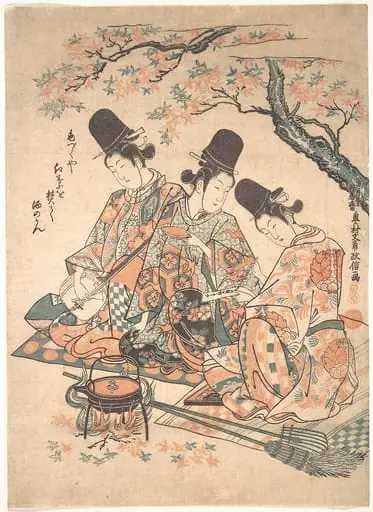 見立『平家物語』 紅葉焚図|Parody of Palace Servants Heating Sake over a Fire of Maple Leaves
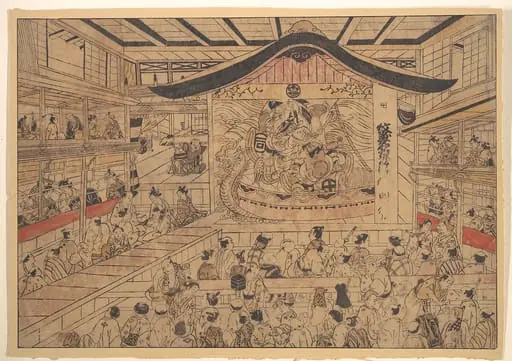 浮絵 「紋尽名古屋曽我」|Perpsective View (uki-e) of a Kabuki Theatre, with a Performance of The Crest Patterns of the Soga Brothers and Nagoya Sanza (Mon-zukushi Nagoya Soga)
 Untitled
 Untitled
 Untitled
 Untitled
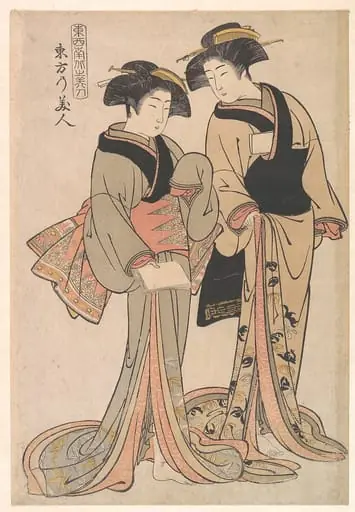 Untitled
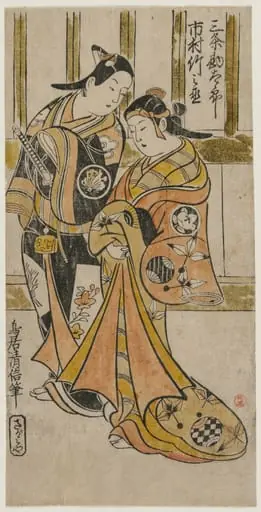 Ichimura Takenojo and Sanjo Kantaro as a Pair of Lovers in the Yoshiwara
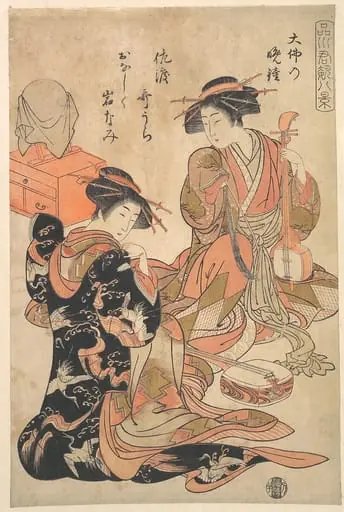 Daibutsu no bansho|Vesper Bell of the Temple of Great Buddha
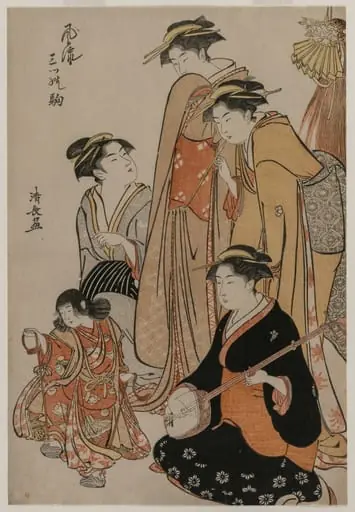 Women Watching a Girl Dance on Shells (From the series Fashionable Presentations of Three Horses)
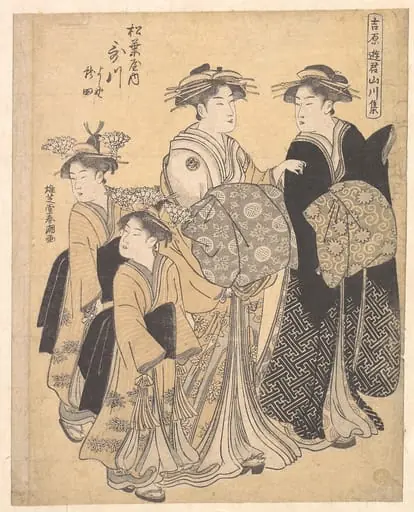 Untitled
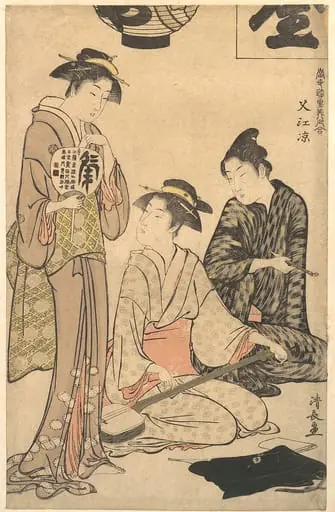 Untitled
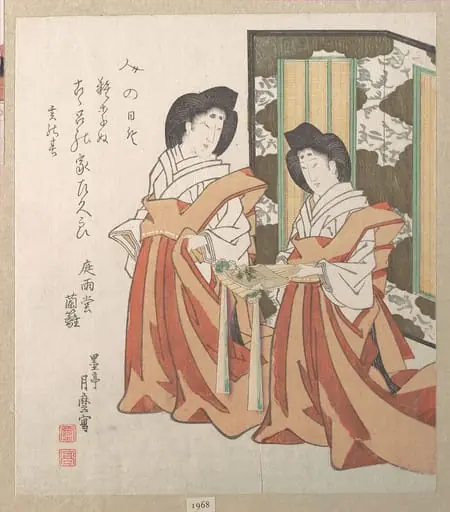 Untitled
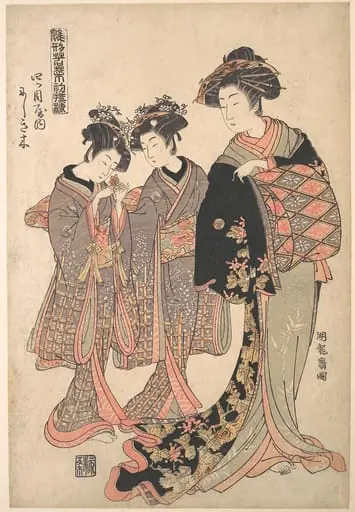 『雛形若菜初模様 四ツ目屋内 にしき木』|The Courtesan Nishikigi of the Yotsumeya Brothel, from the series “A Pattern Book of the Year’s First Designs, Fresh as Spring Herbs” (“Hinagata wakana hatsu moyō”)
 Untitled
 Untitled