Artwork
Portrait of a Young Woman with Pearls
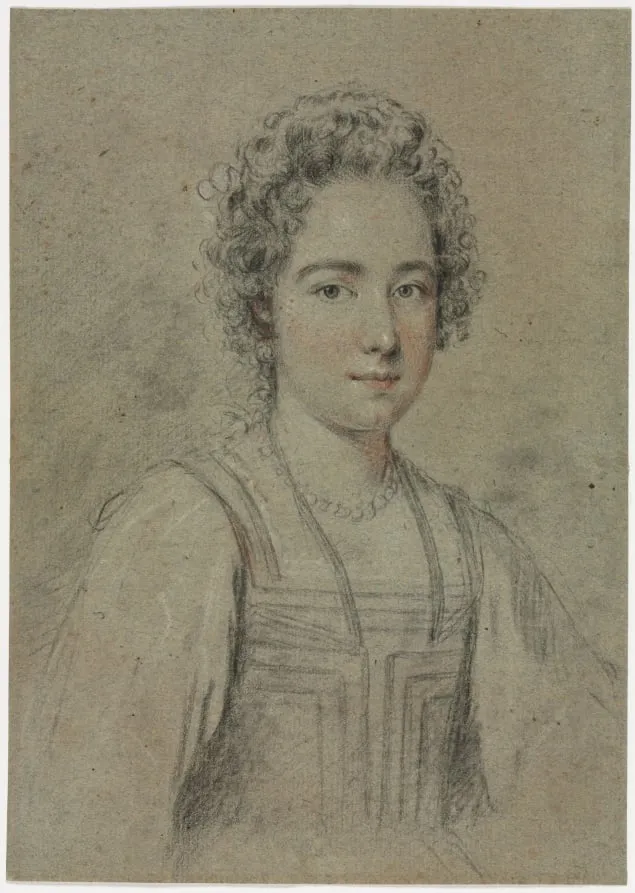
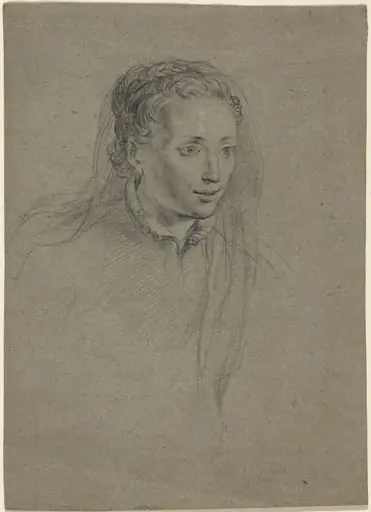
Portrait of a Young Woman with Pearls is a drawing by the Baroque artist Ottavio Leoni. It dates from 1608 and is held in the collection of the Cleveland Museum of Art. Created around 1608 by the Italian artist Ottavio Mario Leoni, this drawing captures a young woman in quiet intimacy.
About this work
Overview
Created around 1608 by the Italian artist Ottavio Mario Leoni, this drawing captures a young woman in quiet intimacy. Executed in a medium typical of preparatory portraiture, it reflects Leoni’s focus on individual presence rather than grand narrative. The work resides in The Cleveland Museum of Art, where it stands as a refined example of early-Baroque draftsmanship from Rome’s artistic circles.
Subject & Meaning
The subject is a young woman, rendered with subtle expression and restrained elegance. Her soft smile and direct gaze suggest a personal, perhaps commissioned, portrait rather than an idealized type. The pearls, carefully placed at her throat, signify modest wealth and social standing, but their inclusion feels understated—emphasizing dignity over ostentation.
Technique & Style
Leoni employed delicate hatching and soft tonal transitions to model the woman’s face and neck, achieving a lifelike smoothness without heavy contrast.
Leoni employed delicate hatching and soft tonal transitions to model the woman’s face and neck, achieving a lifelike smoothness without heavy contrast. The high collar and flowing fabric of her dress are suggested with minimal lines, allowing the focus to remain on her features. The pearls, rendered with slight highlights, catch the light with quiet brilliance, enhancing realism without distraction.
History & Provenance
The drawing entered The Cleveland Museum of Art’s collection through documented acquisitions in the 20th century, though its earlier ownership remains unclear. As a work from Leoni’s Roman period, it aligns with his known practice of producing portrait studies for patrons and fellow artists. Its survival in good condition reflects its value as a private, intimate artifact rather than a public display piece.
Context
In early 17th-century Rome, portrait drawings served both as studies for paintings and as standalone works for private collectors. Leoni, trained in the tradition of Raphael and influenced by Caravaggio’s naturalism, bridged linear precision with emerging chiaroscuro effects. This piece exemplifies how artists balanced idealized beauty with observed reality in intimate formats.
Legacy
Though Leoni is less widely recognized than his contemporaries, this drawing illustrates his skill in capturing psychological nuance through restrained means. It contributes to the understanding of how portraiture evolved in early-Baroque Italy—not through dramatic flair, but through quiet observation, influencing later generations focused on individual character over theatricality.
Artist & collection
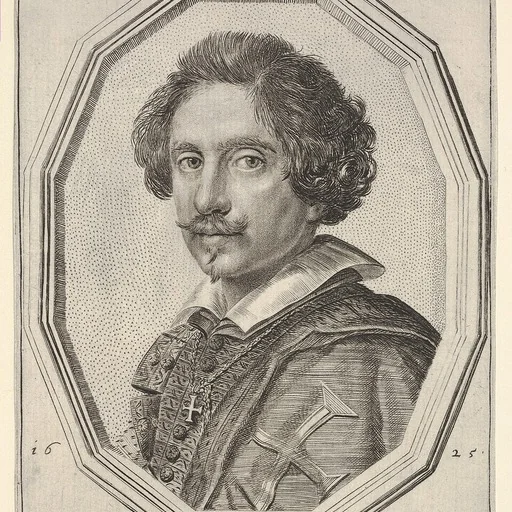
Artist
Ottavio Leoni (1578 – 4 September 1630) was an Italian painter and printmaker of the early-Baroque, active mainly in Rome.

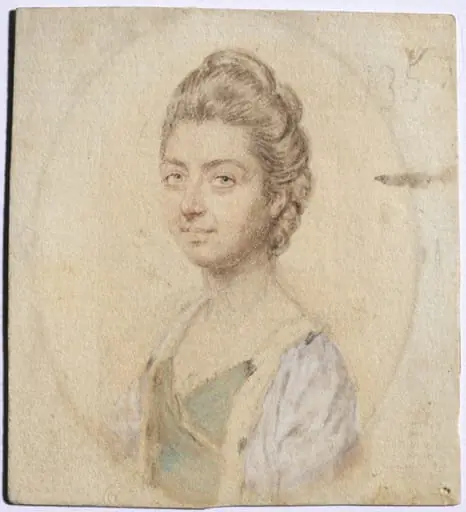 Portrait of Sukey, Lady Oglander, née Serle
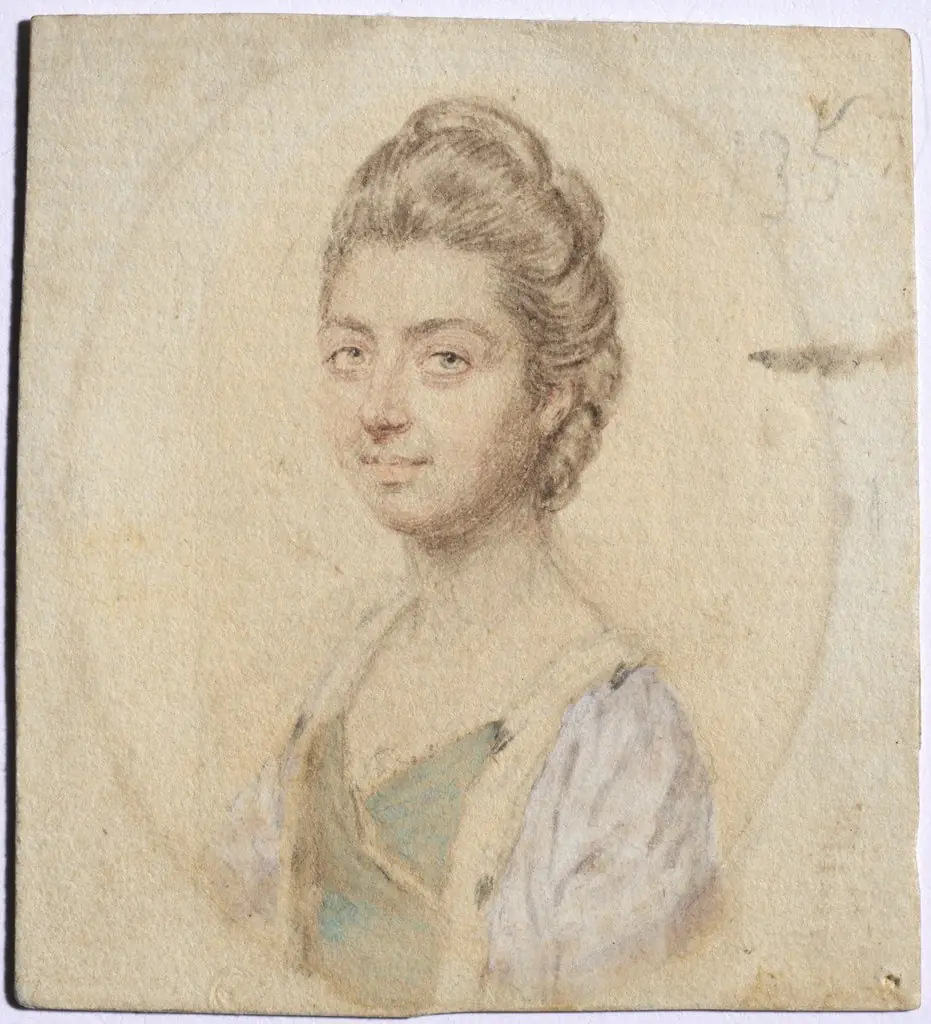 Portrait of Sukey, Lady Oglander, née Serle
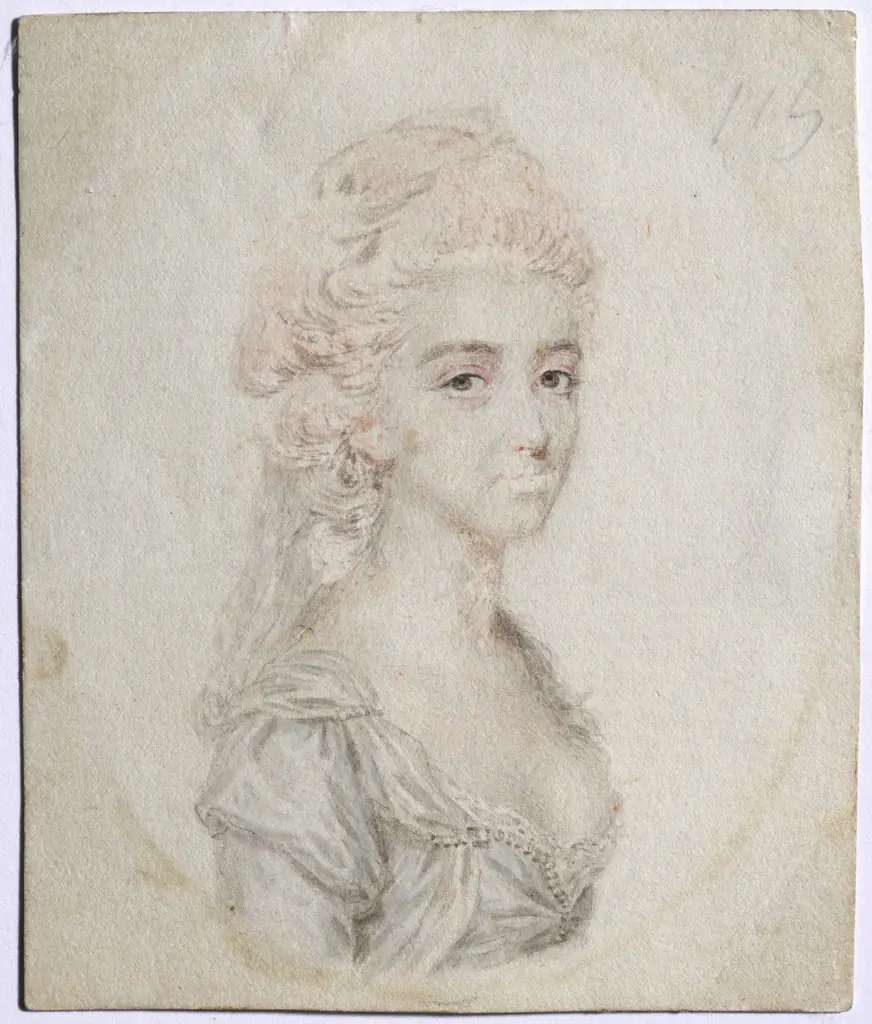 Portrait of a Woman
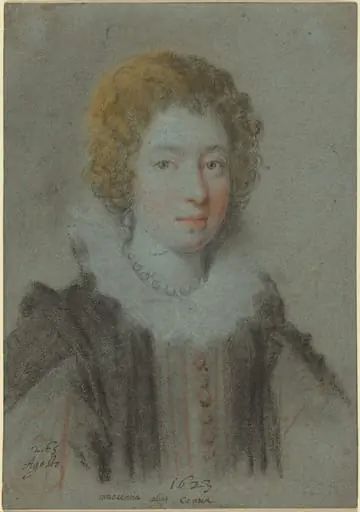 Portrait of a Lady
 Portrait of a Woman
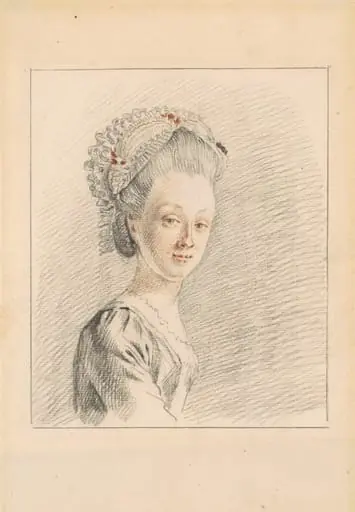 A Lady Wearing a Dormeuse Cap
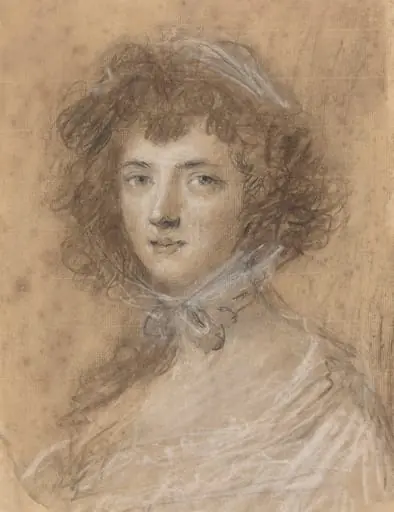 Head and Bust of a Woman
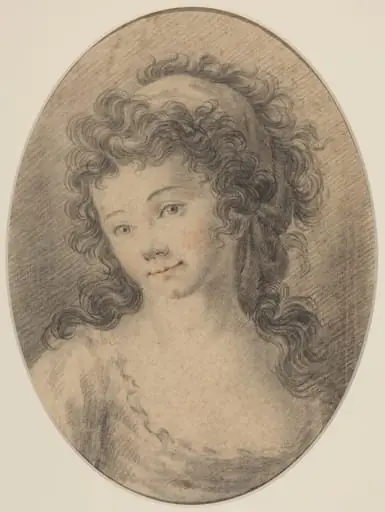 Portrait of a Girl
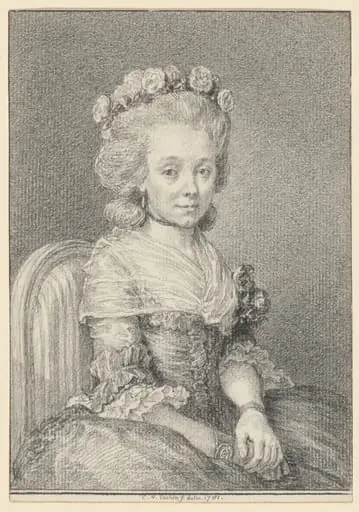 Mademoiselle Grogniard, Dame de Saint-Just
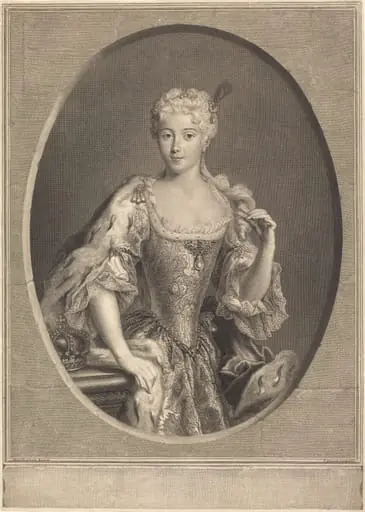 Maria Klementyna Sobieska
 Porträt der Elizaveta Markovna Olenina
 Lady's Head