Artwork
Sculpture - Statue of a barbarian King a prisoner, now in the Palazzo de' Conservatori on the Capitol
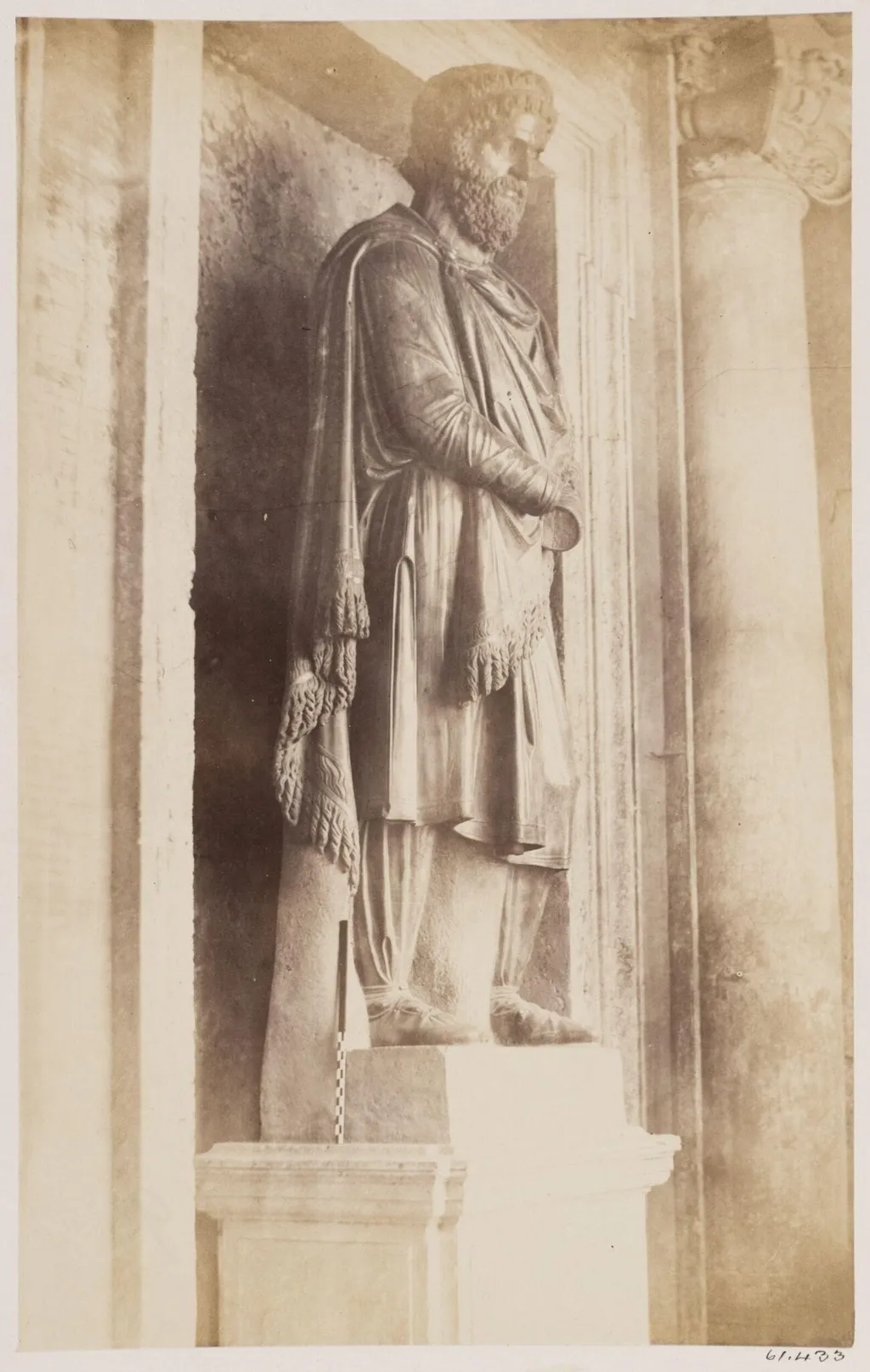
Sculpture - Statue of a barbarian King a prisoner, now in the Palazzo de' Conservatori on the Capitol is a photographic photography by the Impressionist artist John Henry Parker. It dates from 1867 and is held in the collection of the Victoria and Albert Museum.
About this work
Overview
The photograph’s grainy texture reflects the photographic technology of the era, yet preserves fine sculptural details.
A 19th-century black-and-white photograph captures a Roman marble statue of a bound foreign ruler, currently displayed in the Palazzo de' Conservatori on the Capitoline Hill. The image was taken between 1864 and 1879 as part of a systematic documentation project led by John Henry Parker, which recorded hundreds of Rome’s ancient and early modern artifacts. The photograph’s grainy texture reflects the photographic technology of the era, yet preserves fine sculptural details.
Subject & Meaning
The statue portrays a captive king, likely representing a defeated enemy of Rome, depicted with short, disheveled hair and a draped robe that suggests non-Roman dress. A chain around his ankle signals subjugation. The solemn expression and restrained posture convey dignity amid defeat, reflecting Roman artistic conventions that honored conquered rulers while asserting imperial dominance. The identity of the figure remains uncertain, but the sculpture served as a political statement in its original context.
Technique & Style
Carved from marble, the statue employs classical Roman realism with attention to anatomical form and textile drapery. The fabric folds over one arm are rendered with subtle depth, contrasting with the rougher texture of the hair and chain. The figure stands upright in a niche, a common display method in Roman public spaces. The photograph captures these nuances clearly, revealing the sculptor’s skill in balancing naturalism with symbolic restraint.
History & Provenance
The sculpture was likely created during the early Imperial period, possibly as part of a triumphal monument. It was later moved to the Capitoline collections, where it remained through the Renaissance and into the modern era. The photograph was produced during Parker’s archaeological survey, which aimed to preserve visual records before potential damage or loss. The Victoria and Albert Museum holds many of these photographs, preserving their historical context.
Context
This statue belonged to a broader Roman tradition of displaying captive leaders to celebrate military victories. Similar figures appeared in triumphal processions and public architecture, reinforcing the empire’s power. The 19th-century photographic project reflected growing scholarly interest in classical antiquity and the desire to catalog Rome’s heritage systematically. Such images helped shape modern understanding of Roman visual propaganda.
Legacy
The photograph contributes to the archival record of Roman sculpture as it appeared in the 1800s, offering insight into its condition and display before modern conservation. Parker’s collection, now held in institutions like the Victoria and Albert Museum, remains a vital resource for art historians. The statue itself continues to be studied as an example of how Rome represented foreign rulers—both as threats and as symbols of imperial control.
Artist & collection
Artist
John Henry Parker liked to explore old churches in Rome. He'd photograph the sculptures and carvings he found. One thing that stands out is his attention to detail - he'd capture tiny parts of bigger pieces, like the…

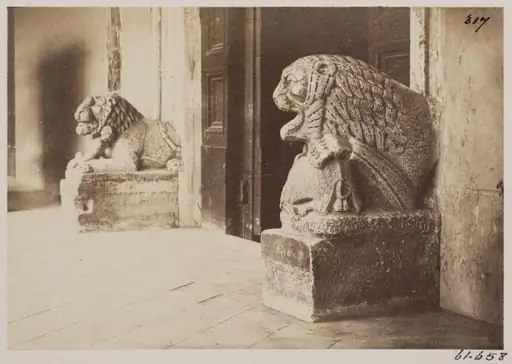 Sculptures - Lions at the Door of the Church of S. Lorenzo
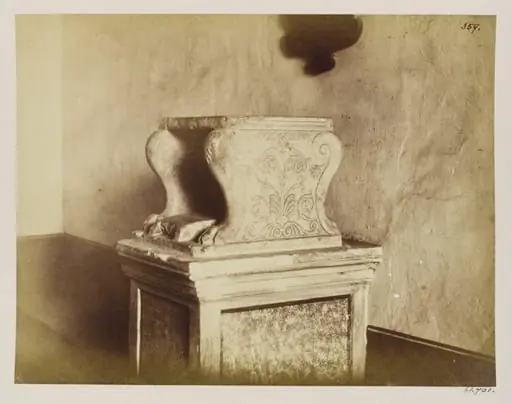 Sculptures - Marble Seat of S. Gregory in the Church of S. Stefano Rotondo, with Shallow Carving, c. A.D. 590.
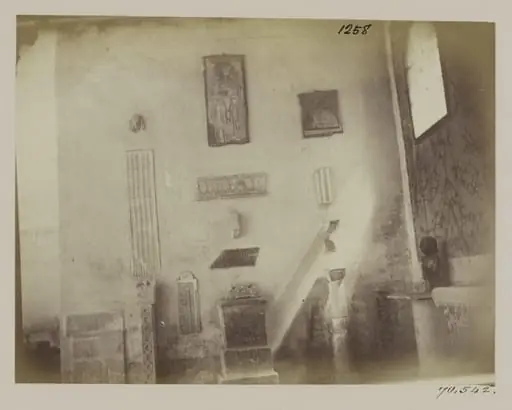 Church of S. Giorgio in Velabro - Fragments of marble sculpture, Tombs, &c., from the old Church, built into the wall.
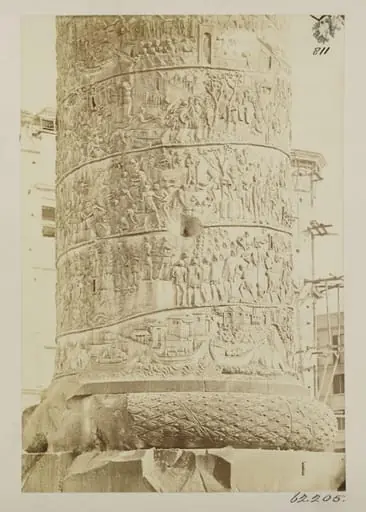 Sculptures - Details of Sculpture from Trajan's Column.
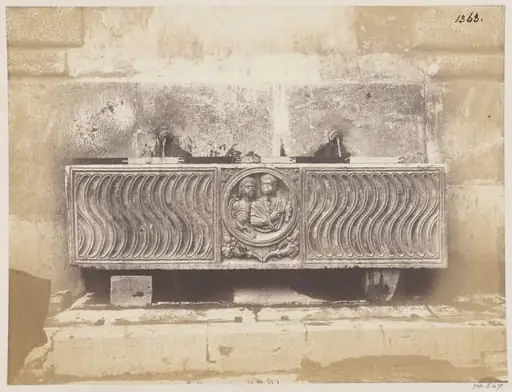 Sculpture - Sarcophagus of the fourth century made into a fountain, near the Church of S. Maria, in the Piazza del Popolo
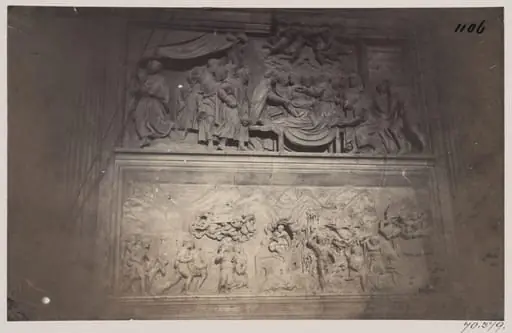 Out of Rome - House of the Blessed Virgin at Loreto. Sculpture of the Santissima Casa carried by Angels, A.D. 1520
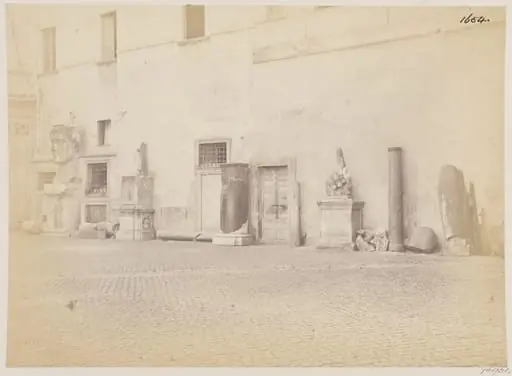 Sculpture - View on the left side of the Court-yard of the Palazzo de' Conservatori on the Capitol, shewing fragments of colossal Statues
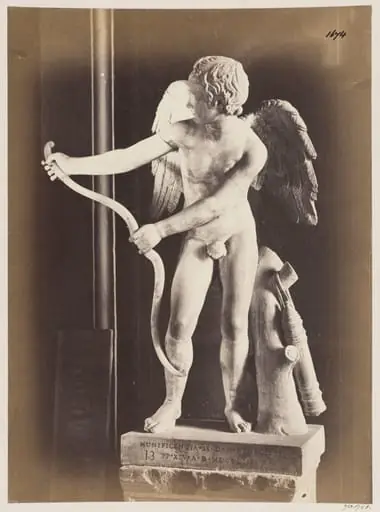 Sculpture - Statue of Cupid with his bow, in the Capitoline Museum.
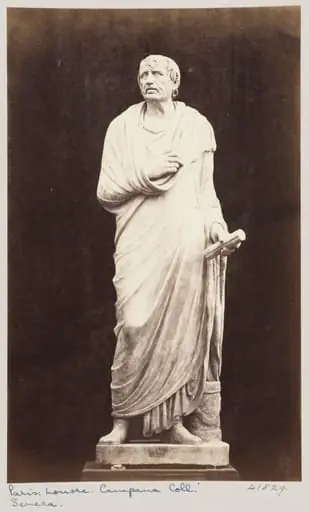 Marble Statue of Seneca
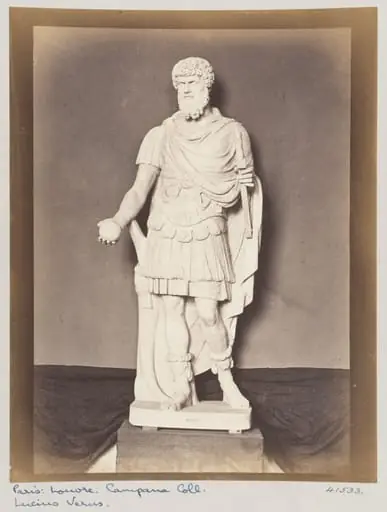 Marble Statue of Lucius Verus
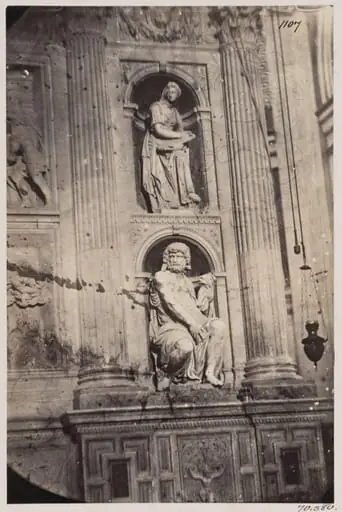 Out of Rome - House of the Blessed Virgin at Loreto. Sculpture of the figures of Prophets, A.D. 1520
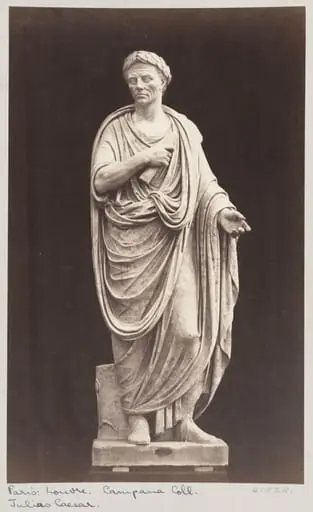 Marble Statue of Julius Caesar
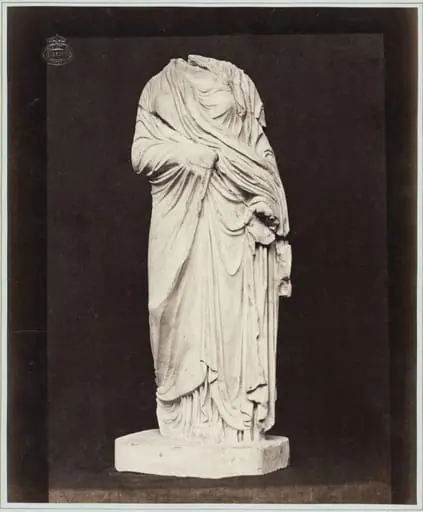 Marble statue of a headless draped figure
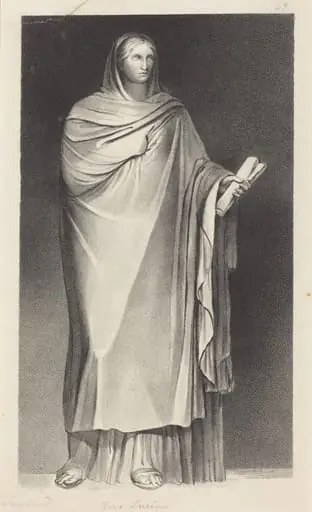 Juno Lucina
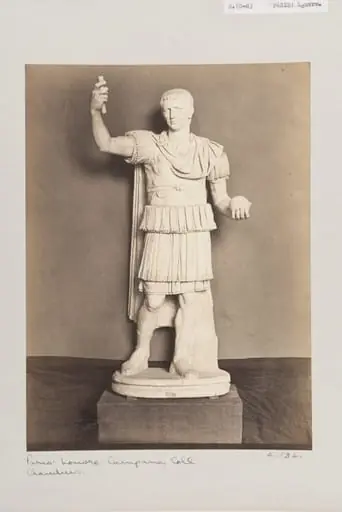 Marble Statue of Emperor Claudius
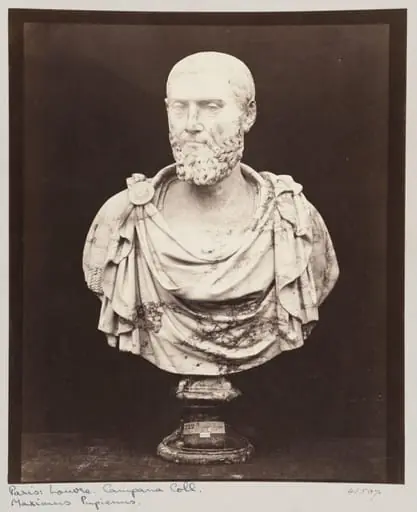 Marble Bust of the Emperor Pupienus
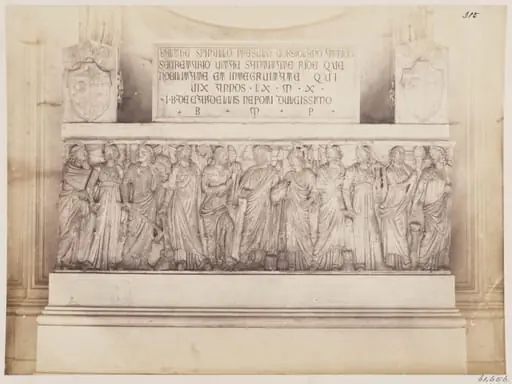 Sculptures - Sarcophagus, with a Sculpture of the third century, representing the Portrait of the deceased surrounded by Minerva and the Muses, now the Tomb of Monsignor Spinelli in the Church of the Priorato on the Aventine