Artwork
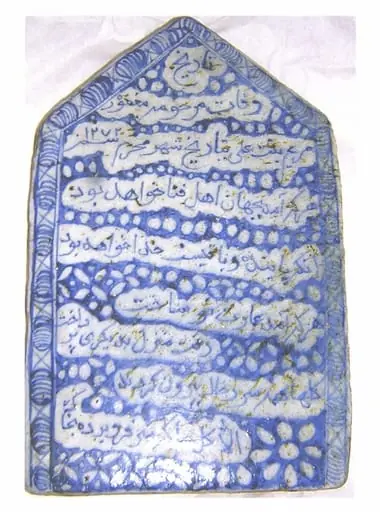
Egyptian slab with inscription of Caliph Al-Amir, Arabian Museum, Cairo
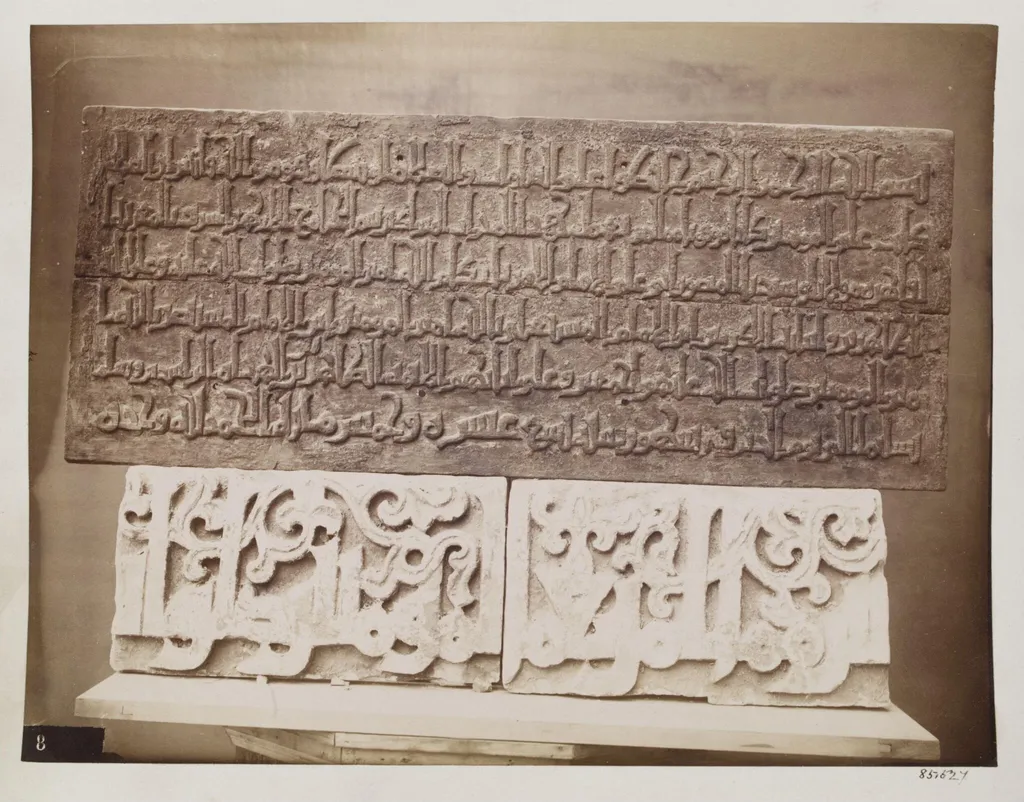
Egyptian slab with inscription of Caliph Al-Amir, Arabian Museum, Cairo is a photographic photography by the Impressionist artist Pascal Sebah. It dates from 1880 and is held in the collection of the Victoria and Albert Museum.
About this work
The photo itself is old, taken around 1880 by a photographer named Pascal Sebah.
This photo shows two stone slabs. The top slab has carved Arabic script in neat, blocky letters. The bottom slab has swirling, leaf-like designs cut into the stone. Both pieces look weathered but still sharp.
The top slab mentions Caliph Al-Amir, a historic Islamic ruler. The photo itself is old, taken around 1880 by a photographer named Pascal Sebah.
Check out Pascal Sebah to see more of his work from this era.
Overview
A sepia photograph from 1880 by Pascal Sebah captures two ancient stone slabs, one inscribed with Arabic script and the other adorned with vegetal ornamentation. The image was produced as part of a documented series commissioned for the Arabian Museum in Cairo, delivered to the institution in 1884 by the Ministry of Public Worship. The photograph preserves the physical state of the slabs at a time when archaeological documentation was becoming more systematic in Egypt.
Subject & Meaning
The upper slab bears an inscription naming Caliph Al-Amir, a Fatimid ruler of Egypt in the early 12th century. His name in the text likely served a commemorative or dedicatory function, possibly marking a building, monument, or religious endowment. The lower slab’s flowing, leaf-like carvings reflect traditional Islamic decorative motifs, often used to symbolize paradise or divine order. Together, the slabs suggest a blend of political authority and spiritual symbolism common in Fatimid architecture.
Technique & Style
The inscriptions are carved in a clear, angular Kufic script, typical of early Islamic epigraphy, with precise, block-like letterforms. The vegetal patterns on the lower slab exhibit rhythmic, interlacing forms characteristic of Islamic arabesque design. Both surfaces show signs of weathering, yet the carving remains sharply defined, indicating high-quality stonework and durable material. The photograph’s tonal range emphasizes texture, capturing the depth of the relief without artificial enhancement.
History & Provenance
The slabs were documented by Pascal Sebah, a prominent photographer in 19th-century Cairo known for his archaeological and architectural records. The photograph was included in a numbered series presented to the Arabian Museum in 1884 by Egypt’s Ministry of Public Worship, suggesting official interest in preserving and cataloging Islamic antiquities. The original location of the slabs remains unconfirmed, but their style aligns with Fatimid-era monuments in Cairo.
Context
In the 1880s, Egypt’s cultural institutions were actively collecting and photographing Islamic artifacts amid growing European and local interest in heritage preservation. Sebah’s work contributed to a broader effort to systematize visual records of Egypt’s Islamic past. This photograph reflects the period’s shift from antiquarian curiosity to scholarly documentation, aligning with state-backed initiatives to define national identity through historical artifacts.
Legacy
The photograph endures as a primary record of two artifacts whose physical presence may now be lost or relocated. Sebah’s precise framing and lighting offer a reliable visual reference for scholars studying Fatimid epigraphy and decorative arts. As part of the Arabian Museum’s early collection, it represents one of the first institutional efforts to archive Egypt’s Islamic material culture through photography, influencing later archaeological documentation practices.
Artist & collection

Artist
Pascal Sébah was an Ottoman photographer in Istanbul and Cairo. Best known for his prolific photography of Anatolia, Egypt, and Greece, Sébah established the studio that would later become Sébah & Joaillier.

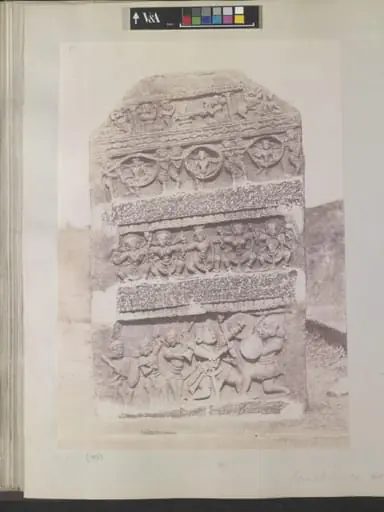 Sculpture at Hungul
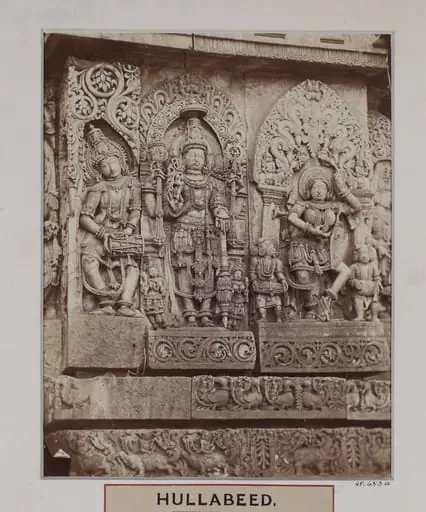 Relief sculpture of the great temple at Halebid
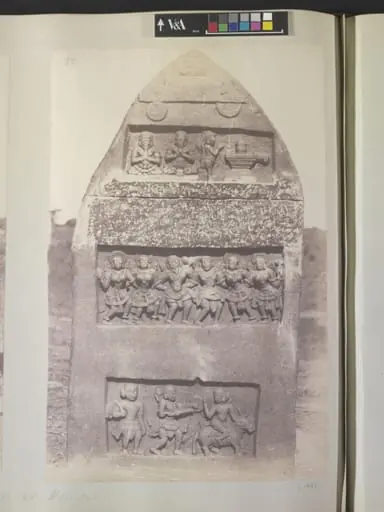 Sculpture at Hungul
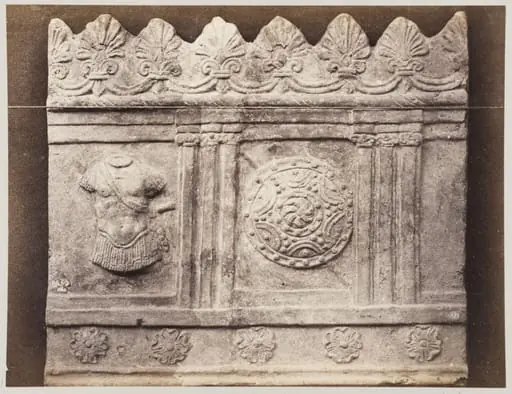 Bas-relief portion of a frieze of with trophies in terra cotta
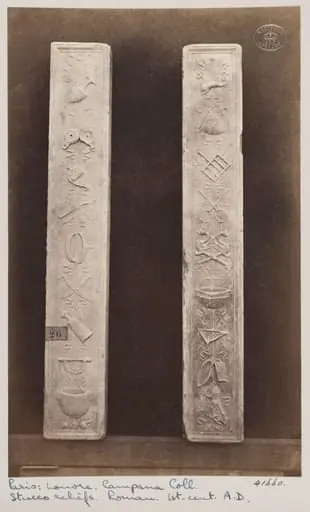 Bas-relief of two marble portions of a chambranle of the renaissance period
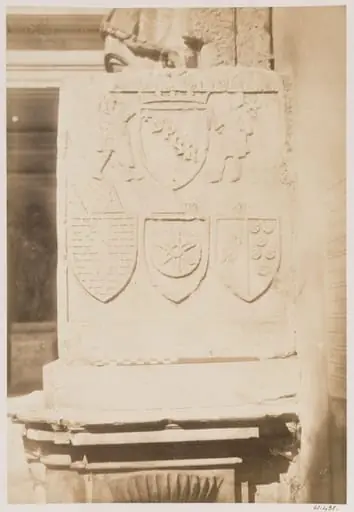 Sculpture - Arms of the Roman Senate from the Tomb of Agrippina, now in the Palazzo de' Conservatori on the Capitol
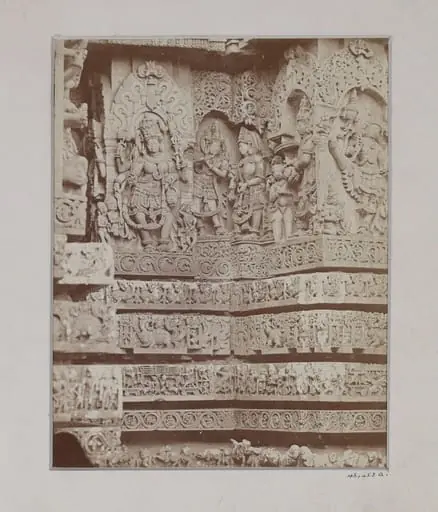 Western front of the great temple at Halebid
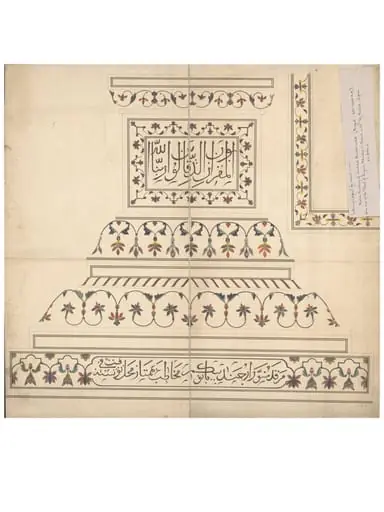 One of ten drawings of details of pietra-dura ornamentation on the cenotaphs of Shah Jahan and his wife Mumtaz Mahal, at Agra.
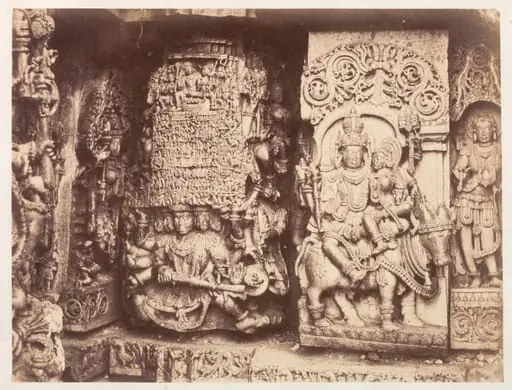 Hoyshaleshvara Temple Sculpture, Halebidu (Halebeedu)
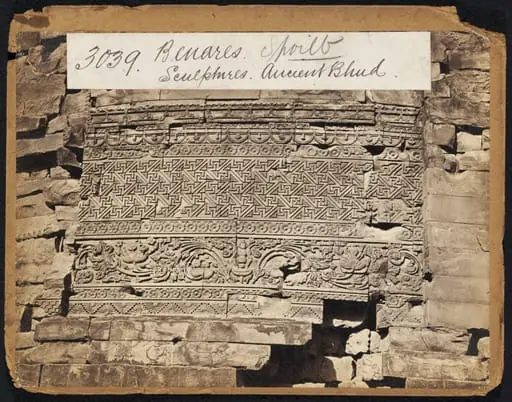 Benares. Sculptures. Ancient Bhud
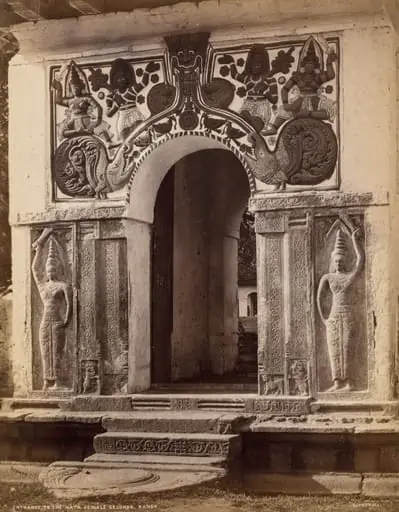 Entrance to the Nata Dewale Grounds, Kandy
 Stelă funerară Mariam bint Ali