Artwork
Henricus a Zijll
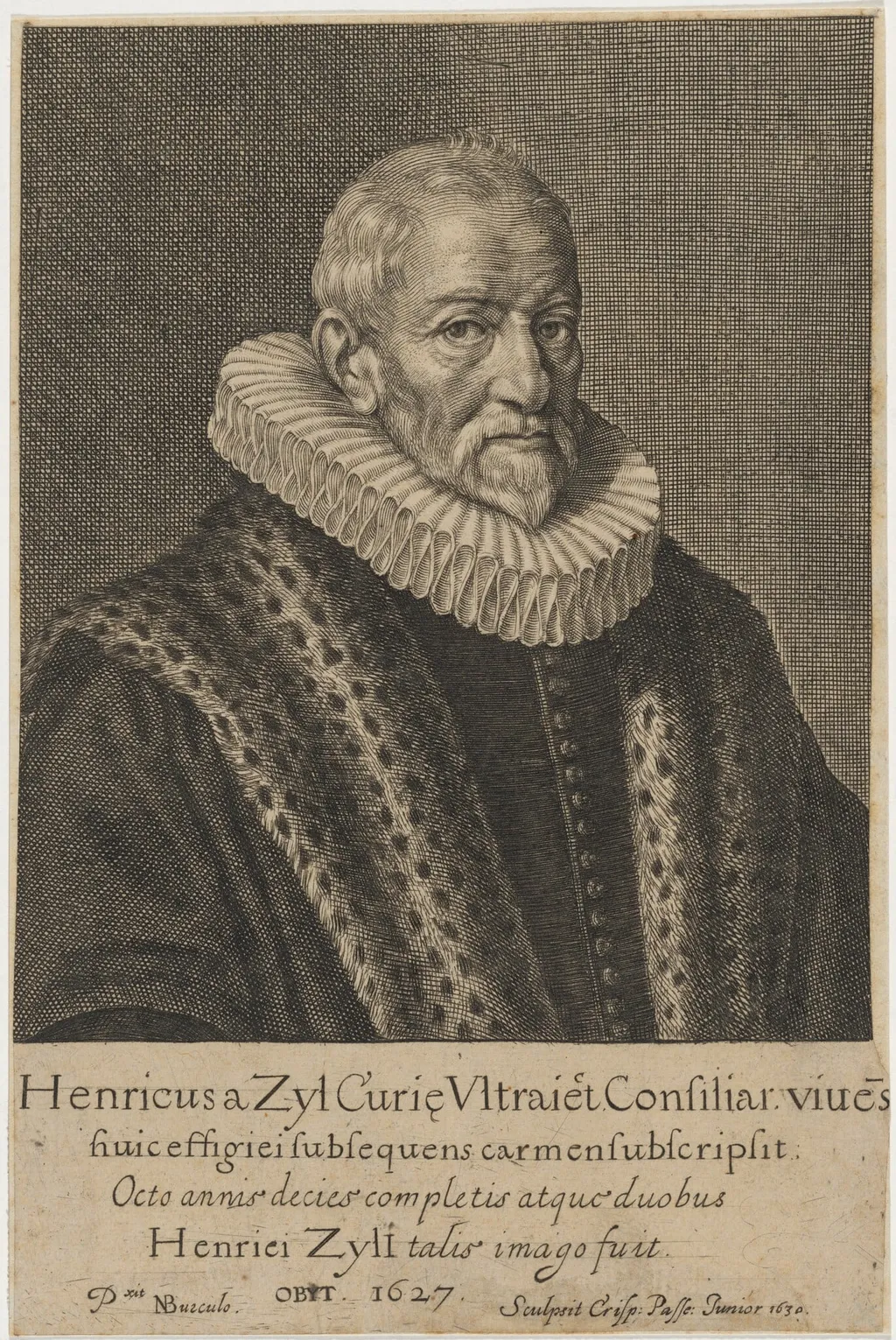
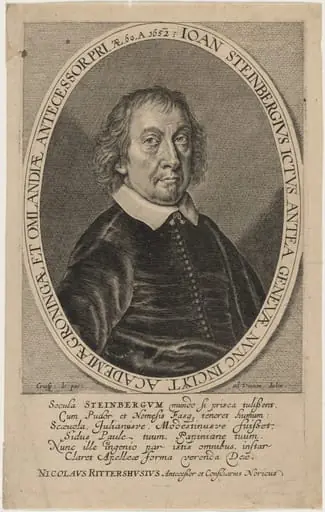
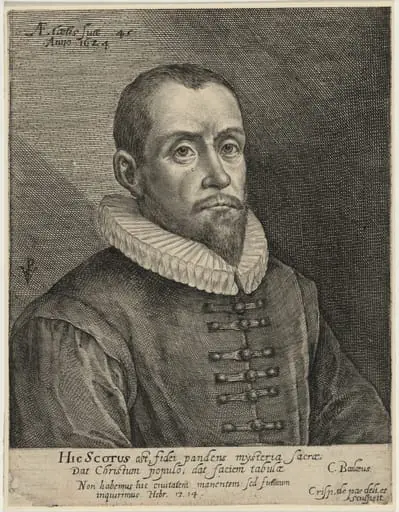
Henricus a Zijll is an ink print by the Baroque artist Crispijn van de Passe II. It dates from 1630 and is held in the collection of the National Gallery of Art.
About this work
Overview
Executed in fine line work on paper, the print reflects the precision and tonal control typical of early 17th-century Dutch engraving.
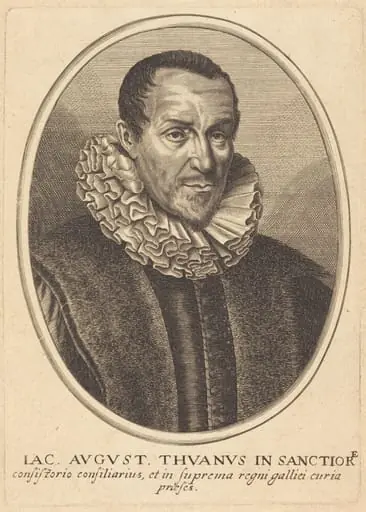
This 1630 engraving by Crispijn van de Passe II depicts Henricus a Zijll, a figure likely of scholarly or civic standing. Executed in fine line work on paper, the print reflects the precision and tonal control typical of early 17th-century Dutch engraving. The composition focuses tightly on the subject’s upper body, isolating him against a muted, textured background that enhances the three-dimensionality of his form.
Subject & Meaning
Henricus a Zijll is portrayed with a solemn demeanor, his furrowed brow and tightly set lips suggesting introspection or authority. The elaborate ruffled collar and dark, patterned jacket imply social status, possibly indicating a legal, academic, or mercantile role common in the Dutch Republic. The absence of symbolic objects or settings directs attention to the individual’s presence, emphasizing personal dignity over allegory.
Technique & Style
Van de Passe employed fine, controlled engraving lines to render texture in fabric and skin. The ruffles of the collar are defined by delicate, intersecting strokes, while the wrinkles on the face are suggested through subtle hatching. The background’s granular gray tone, achieved through stippling, creates depth without distraction. This method aligns with Baroque portraiture’s emphasis on realism and tactile detail.
History & Provenance
The print was produced in Utrecht during Crispijn van de Passe II’s active years as a printmaker. It likely served as a portrait commission or part of a series documenting notable figures of the time. While specific early ownership records are sparse, such engravings were commonly circulated among educated elites, functioning as both personal mementos and status objects.
Context
In the Dutch Republic of the 1630s, engraved portraits flourished as a medium for documenting civic leaders, scholars, and merchants. Unlike courtly portraiture elsewhere, these images favored restraint and individuality over grandeur. Van de Passe’s work reflects this cultural preference, contributing to a broader tradition of print-based identity documentation in Protestant Northern Europe.
Legacy
This engraving exemplifies the technical refinement of Dutch printmaking in the early Baroque period. Though Henricus a Zijll himself is not widely remembered, the print survives as evidence of a thriving industry that valued precise representation and quiet dignity. It remains a reference point for understanding how portraiture functioned beyond the elite courts of Southern Europe.
Artist & collection