Artwork
Ernest, Count of Mansfeld
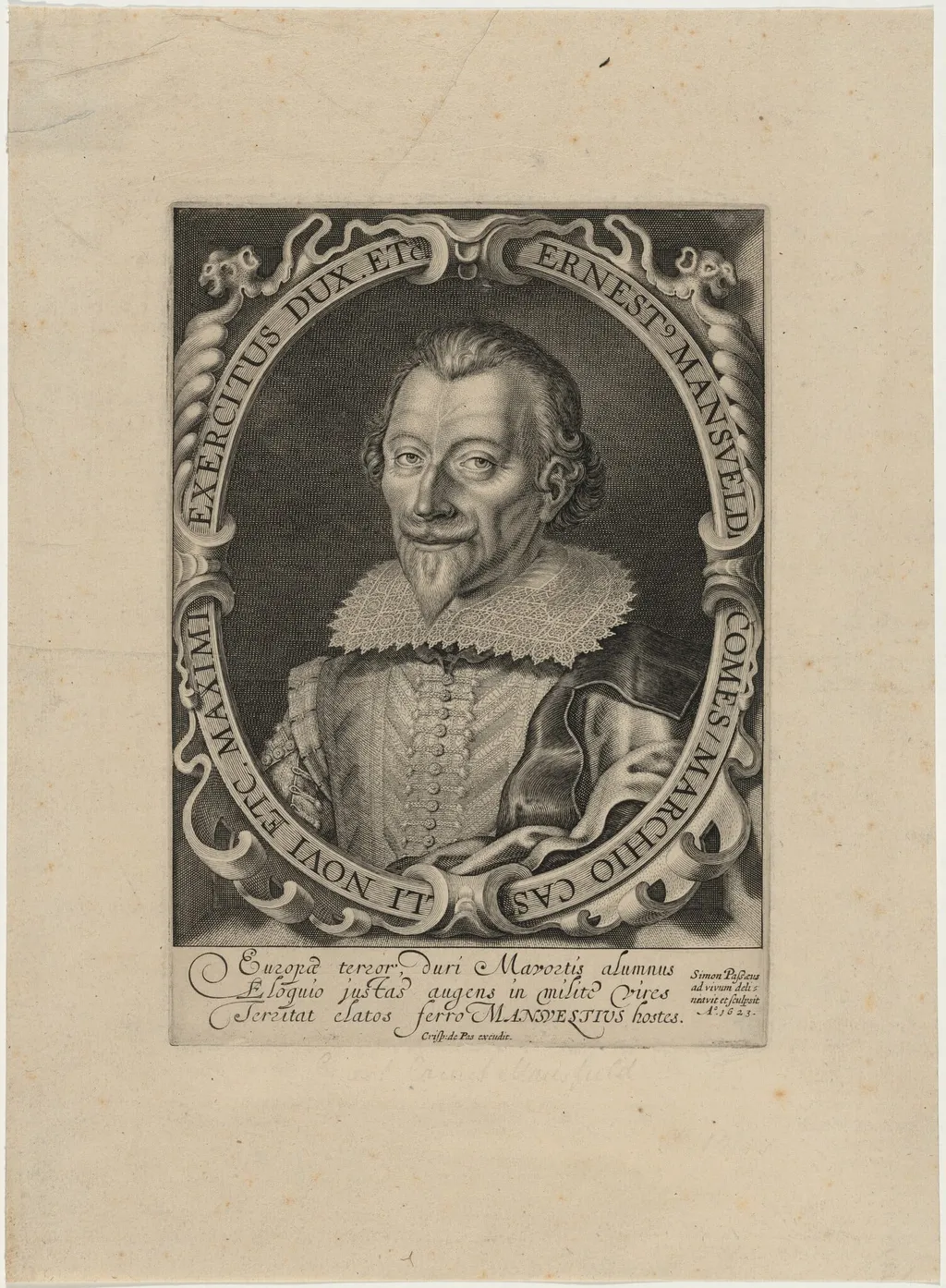
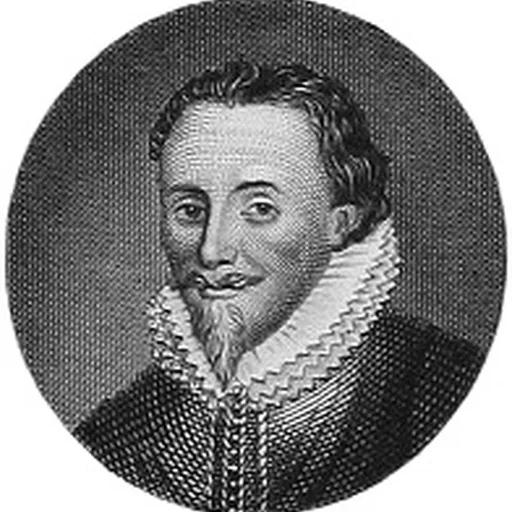
Ernest, Count of Mansfeld is an ink print by the Baroque artist Simon van de Passe. It dates from 1623 and is held in the collection of the National Gallery of Art.
About this work
Overview
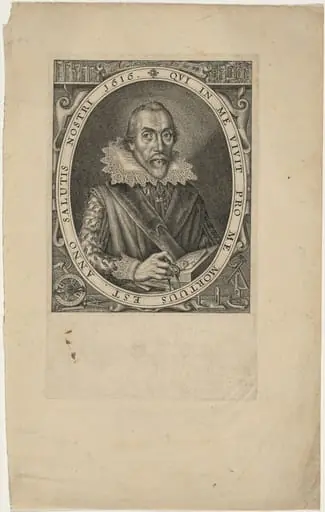
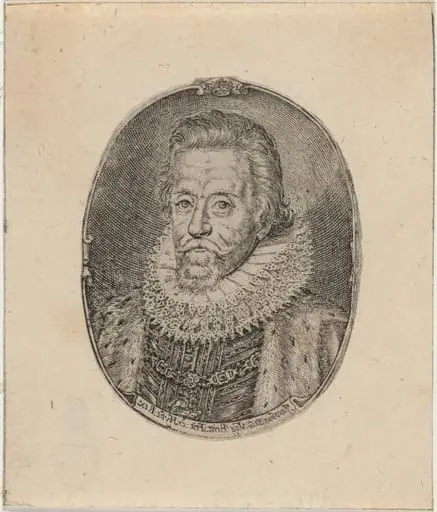
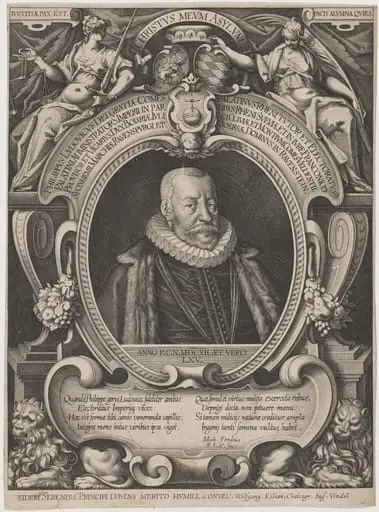
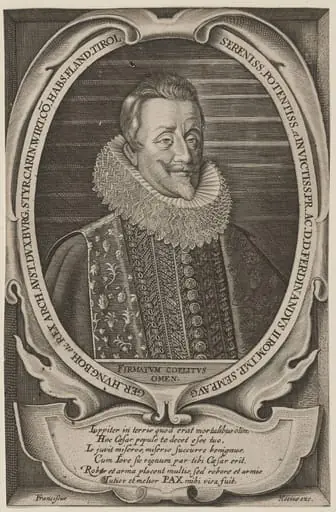
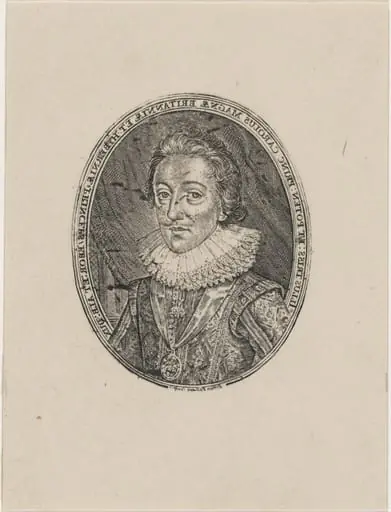
This 1623 engraving by Simon van de Passe depicts Ernest, Count of Mansfeld, a German military commander active during the early Thirty Years' War.
This 1623 engraving by Simon van de Passe depicts Ernest, Count of Mansfeld, a German military commander active during the early Thirty Years' War. Rendered in monochrome, the portrait follows the conventions of early 17th-century print portraiture, emphasizing precision and formal dignity. The image was produced using engraved copperplate techniques, allowing for fine detail and wide distribution among European elites.
Subject & Meaning
Ernest of Mansfeld is portrayed with a composed, unsmiling expression, reflecting his role as a professional soldier in a turbulent era. His attire—elaborate lace collar, ornate chain, and dark doublet—signals aristocratic status and military authority. The Latin inscription encircling his head likely identifies him by title and lineage, reinforcing his political and social standing to viewers familiar with such inscriptions.
Technique & Style
Van de Passe employed fine, controlled lines to model form and texture, particularly in the beard, lace, and fabric folds. The dark background isolates the figure, enhancing focus on facial expression and attire. Engraving, as a print medium, required meticulous incisions into a copper plate, allowing for sharp, repeatable images—ideal for disseminating likenesses of notable figures across Europe.
History & Provenance
Created in 1623, the engraving was likely commissioned to circulate Mansfeld’s image among allies and patrons during his military campaigns. Van de Passe, a Dutch engraver known for portraits of nobility, produced similar works for European aristocrats. The print’s survival in multiple institutional collections suggests its early and sustained circulation as a record of military leadership.
Context
In the early 1620s, Mansfeld was a prominent mercenary leader fighting for Protestant causes in the Thirty Years' War. His image, disseminated through prints like this one, served both as propaganda and as a tool of political recognition. Engravings such as this were key to shaping public perception of military figures in an era before photography, linking personal identity with broader religious and political struggles.
Legacy
Van de Passe’s engraving remains a primary visual source for Mansfeld’s appearance and the iconography of early modern military leadership. Its technical precision and formal composition exemplify the role of print in preserving the likenesses of historical figures. The work continues to be referenced in studies of portraiture, print culture, and the visual representation of power in 17th-century Europe.
Artist & collection