Artwork
Emperor Matthias
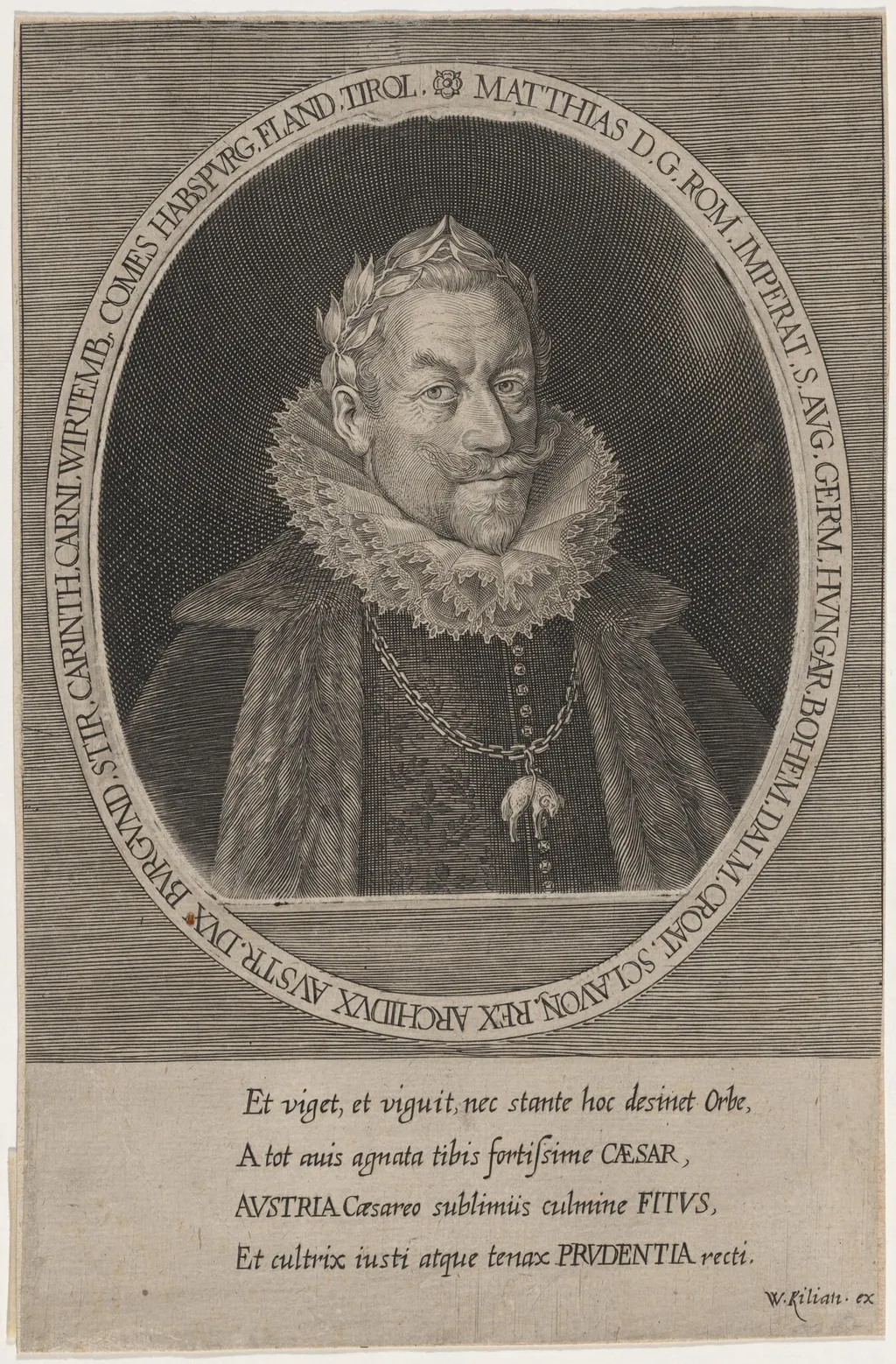
Emperor Matthias is an ink print by the Baroque artist Wolfgang Philipp Kilian. It dates from 1693 and is held in the collection of the National Gallery of Art.
About this work
Overview
This 1693 engraving by Wolfgang Philipp Kilian presents a formal portrait of Emperor Matthias, executed in fine line work on paper. The image is confined to an oval composition, isolating the emperor from any contextual setting. Rendered entirely in monochrome, the print relies on meticulous engraving to convey texture, form, and presence without color or background detail.
Subject & Meaning
The absence of regalia like crowns or scepters shifts focus to his personal bearing, suggesting authority rooted in dignity rather than ceremonial display.
Matthias is depicted in mid-life, facing directly toward the viewer with a composed expression. His attire—a dark, high-collared jacket and a prominent chain of office—signals his imperial status. The absence of regalia like crowns or scepters shifts focus to his personal bearing, suggesting authority rooted in dignity rather than ceremonial display. The portrait functions as a dignified representation of leadership during a period of dynastic transition.
Technique & Style
Kilian employed fine cross-hatching and parallel lines to model the contours of the emperor’s face, collar, and chain, achieving subtle gradations of light and shadow. The black background is textured with radiating lines, creating a subtle visual vibration that enhances the figure’s solidity. The precision of the engraving reflects the conventions of late 17th-century German portraiture, prioritizing clarity and craftsmanship over dramatic flair.
History & Provenance
Created in 1693, nearly two decades after Matthias’s death, the engraving likely served a commemorative or archival purpose. Kilian, a member of a prominent Augsburg printmaking family, produced numerous portraits of Habsburg rulers. This work may have been part of a series intended to document imperial lineage, circulated among nobility or institutions seeking to preserve dynastic imagery.
Context
Matthias ruled as Holy Roman Emperor from 1612 to 1619, a time marked by religious conflict and political instability preceding the Thirty Years’ War. Though his reign was brief and overshadowed by later events, his image persisted in printed form as part of a broader tradition of imperial portraiture. Kilian’s engraving reflects the enduring interest in visual records of Habsburg authority, even after the emperor’s passing.
Legacy
The engraving stands as an example of the precision and restraint characteristic of German printmaking in the late Baroque era. While not widely known today, it contributes to the historical record of how imperial figures were visually codified for posterity. Kilian’s work exemplifies the role of engravers in shaping public perception of rulers through controlled, repeatable imagery.
Artist & collection

 Ferdinand II, Roman Emperor
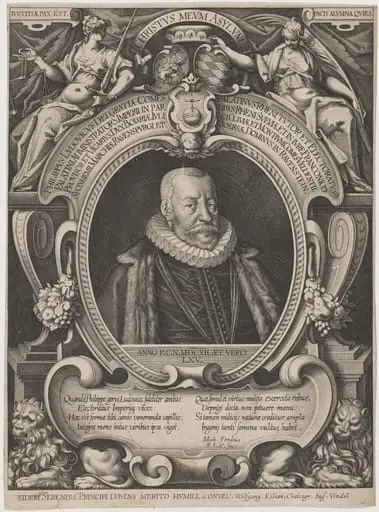 Philip Louis, Count Palatine
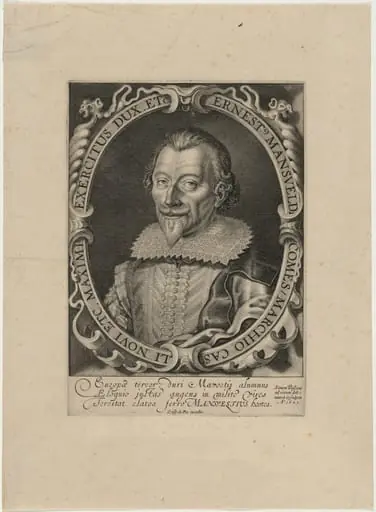 Ernest, Count of Mansfeld
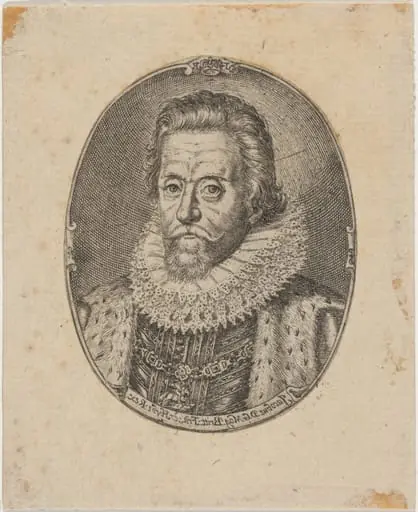 James I, King of England
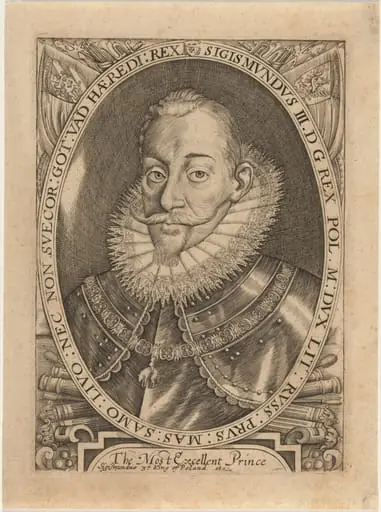 Sigismund III, King of Poland and Sweden
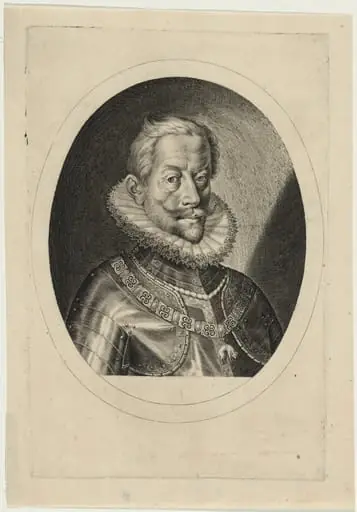 Emmanuel Philibert, Duke of Savoy, Prince of Piedmont
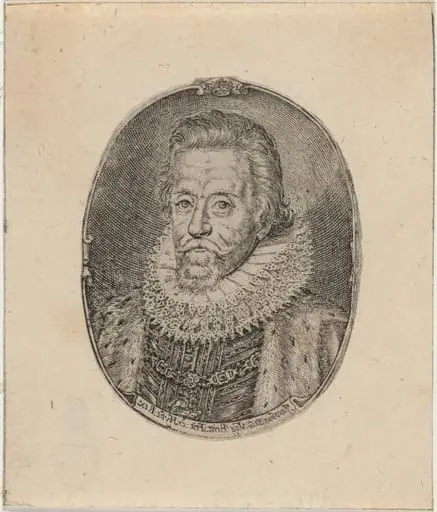 James I, King of England
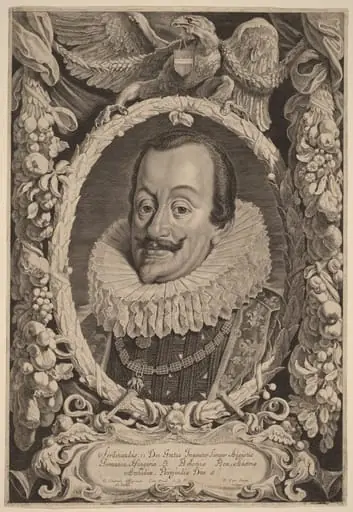 Ferdinand II
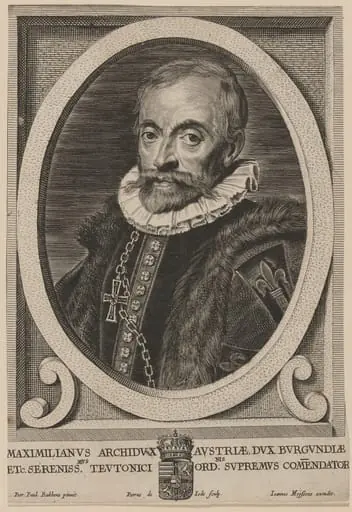 Maximilian II, Archduke of Austria
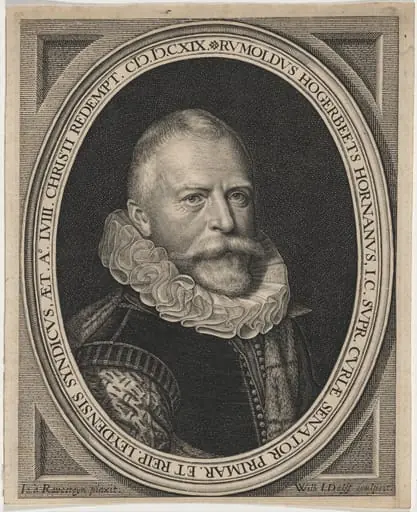 Rumoldus Hogerbeets Hornanus
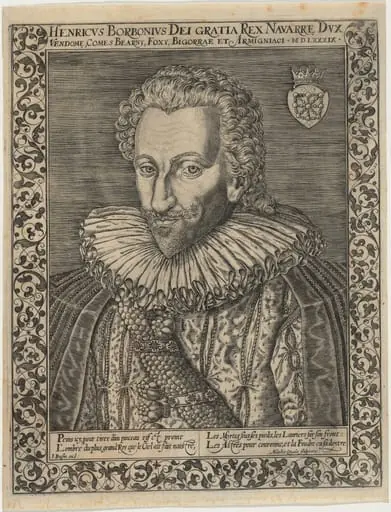 Henry IV of France
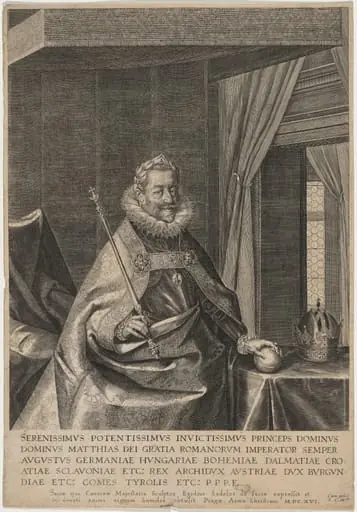 Matthias, Roman Emperor