Artwork
Ernest, Elector of Brandenburg
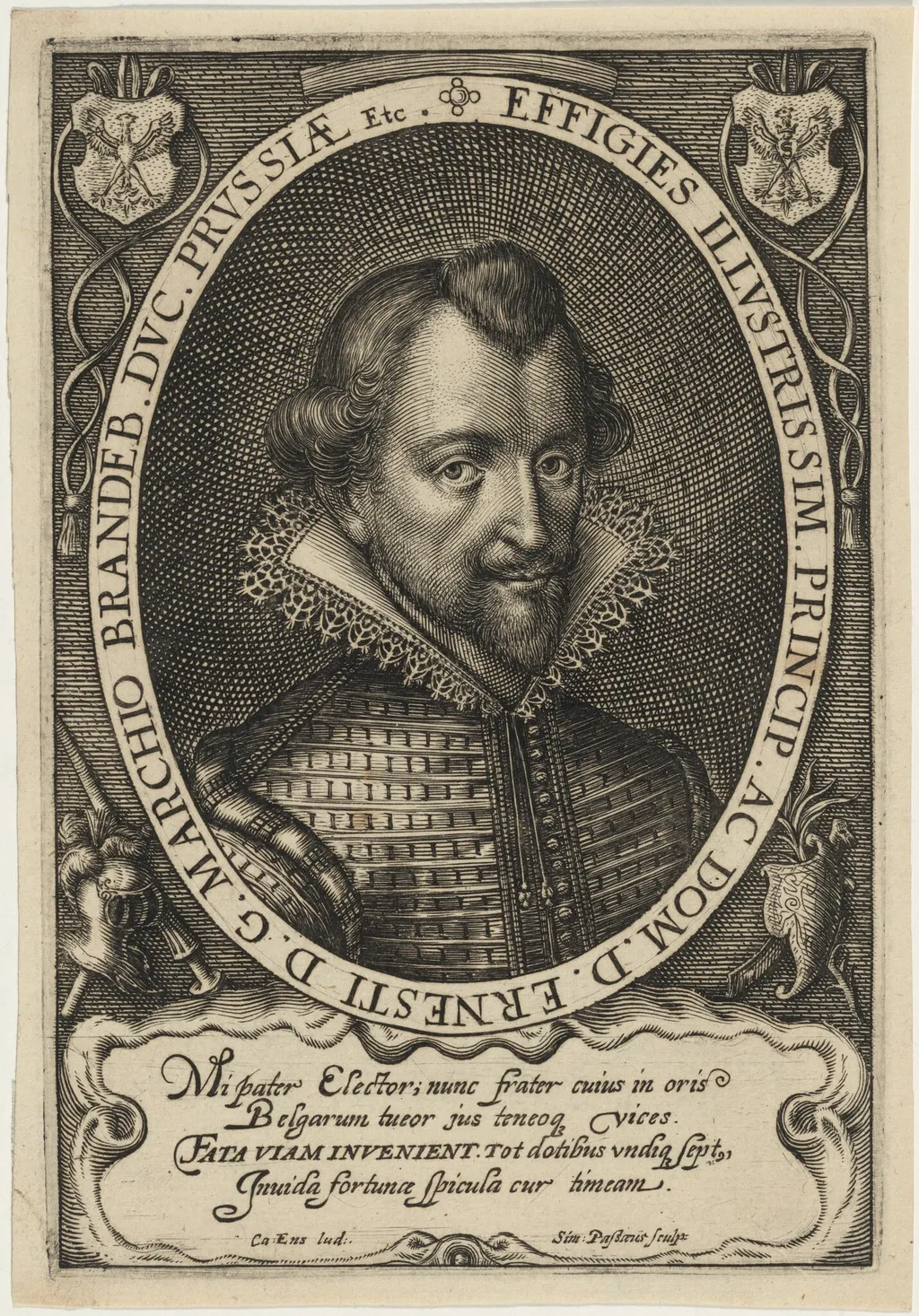
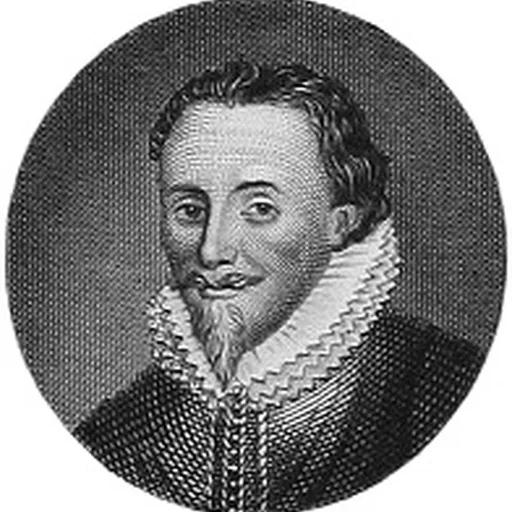
Ernest, Elector of Brandenburg is an ink print by the Renaissance artist Simon van de Passe. It dates from 1621 and is held in the collection of the National Gallery of Art.
About this work
Overview
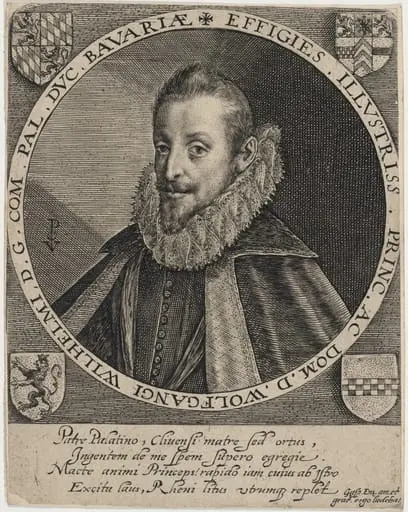
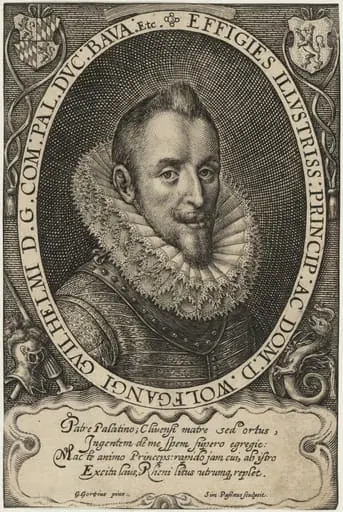
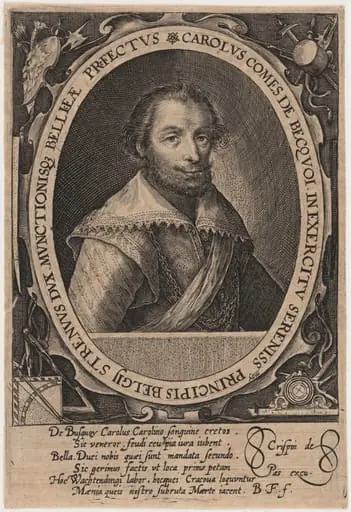
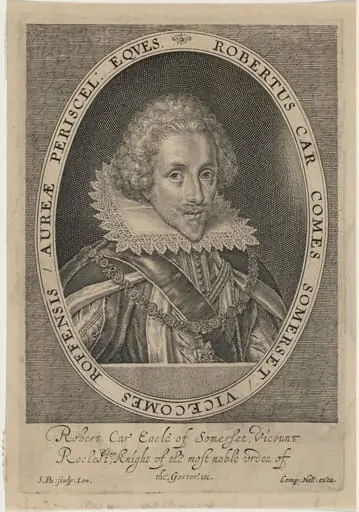
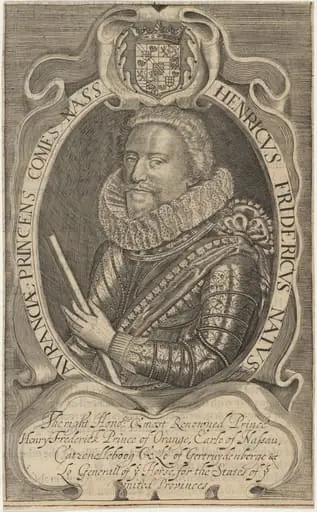
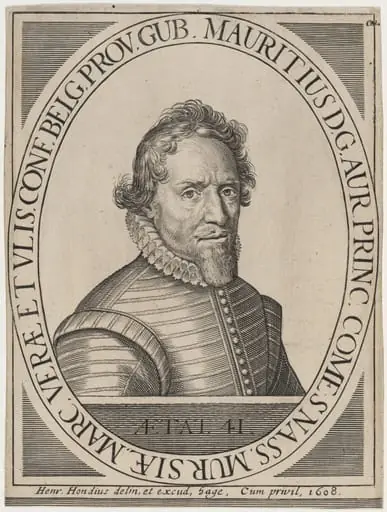
This 1621 engraving by Simon van de Passe depicts Ernest, Elector of Brandenburg, a German nobleman and ruler of the Margraviate of Brandenburg.
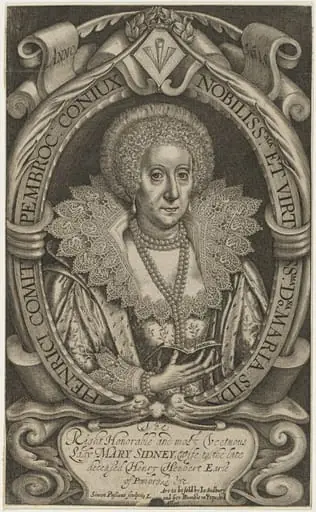
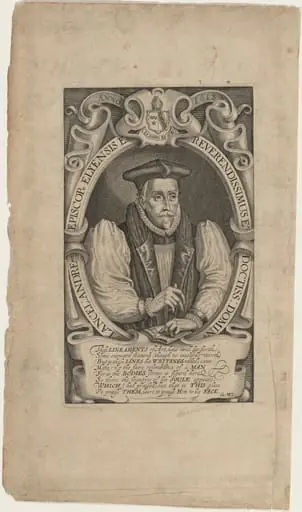
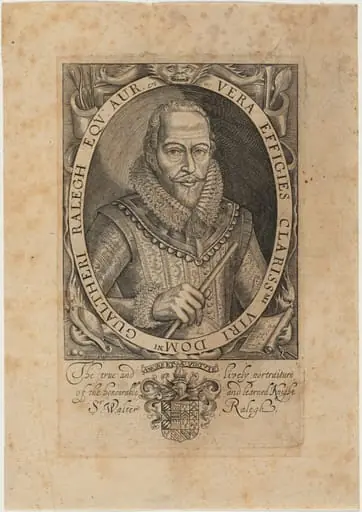
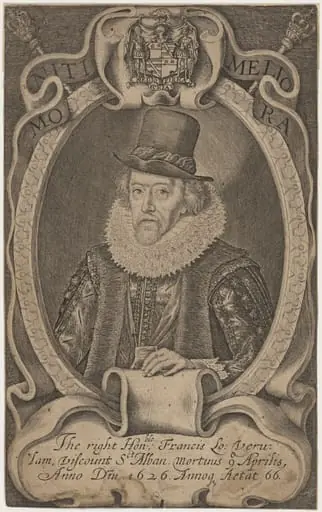
This 1621 engraving by Simon van de Passe depicts Ernest, Elector of Brandenburg, a German nobleman and ruler of the Margraviate of Brandenburg. Rendered in monochrome, the portrait emphasizes precision and formality through fine linear detail. The composition is tightly framed, focusing on the subject’s upper body and face, with decorative borders framing the image in a manner typical of early 17th-century printmaking.
Subject & Meaning
Ernest, Elector of Brandenburg, is portrayed with a solemn demeanor, reflecting his status and the gravity of his role. His attire—dark, textured clothing and a stiff ruffled collar—signals aristocratic rank and adherence to Protestant courtly dress of the era. The Latin inscriptions along the border likely identify him and convey honorific titles, reinforcing his political and dynastic significance within the Holy Roman Empire.
Technique & Style
Simon van de Passe employed the engraving technique, incising fine lines into a copper plate to create tonal gradations and texture. The shading on the fabric and the subtle modeling of the face demonstrate mastery of line weight and cross-hatching. The background remains minimal, directing attention to the subject, while ornamental borders elevate the print’s ceremonial character, aligning with contemporary portraiture conventions.
History & Provenance
Created in 1621, the engraving was likely produced for distribution among noble households or diplomatic circles to affirm Ernest’s authority. Van de Passe, part of a prominent family of engravers, regularly produced portraits of European elites. The print’s survival in institutional collections suggests it was valued as both a likeness and a political artifact, circulated to reinforce dynastic presence during a turbulent period in German history.
Context
This portrait emerged during the early years of the Thirty Years’ War, a time when German princes used imagery to assert legitimacy and cohesion. Engravings like this served as accessible, reproducible tools of political communication. Van de Passe’s work reflects the broader trend of using print media to project the image of rulers beyond their immediate courts, especially in Protestant territories where visual propaganda held strategic importance.
Legacy
The engraving remains a representative example of early Baroque portraiture in print form. It illustrates how engravers like van de Passe bridged art and politics, transforming individual likenesses into enduring symbols of power. Though not widely known today, such works formed part of the visual infrastructure of early modern governance, preserving the faces and titles of rulers for future generations.
Artist & collection