Artwork
Philip Herbert, Fourth Earl of Pembroke
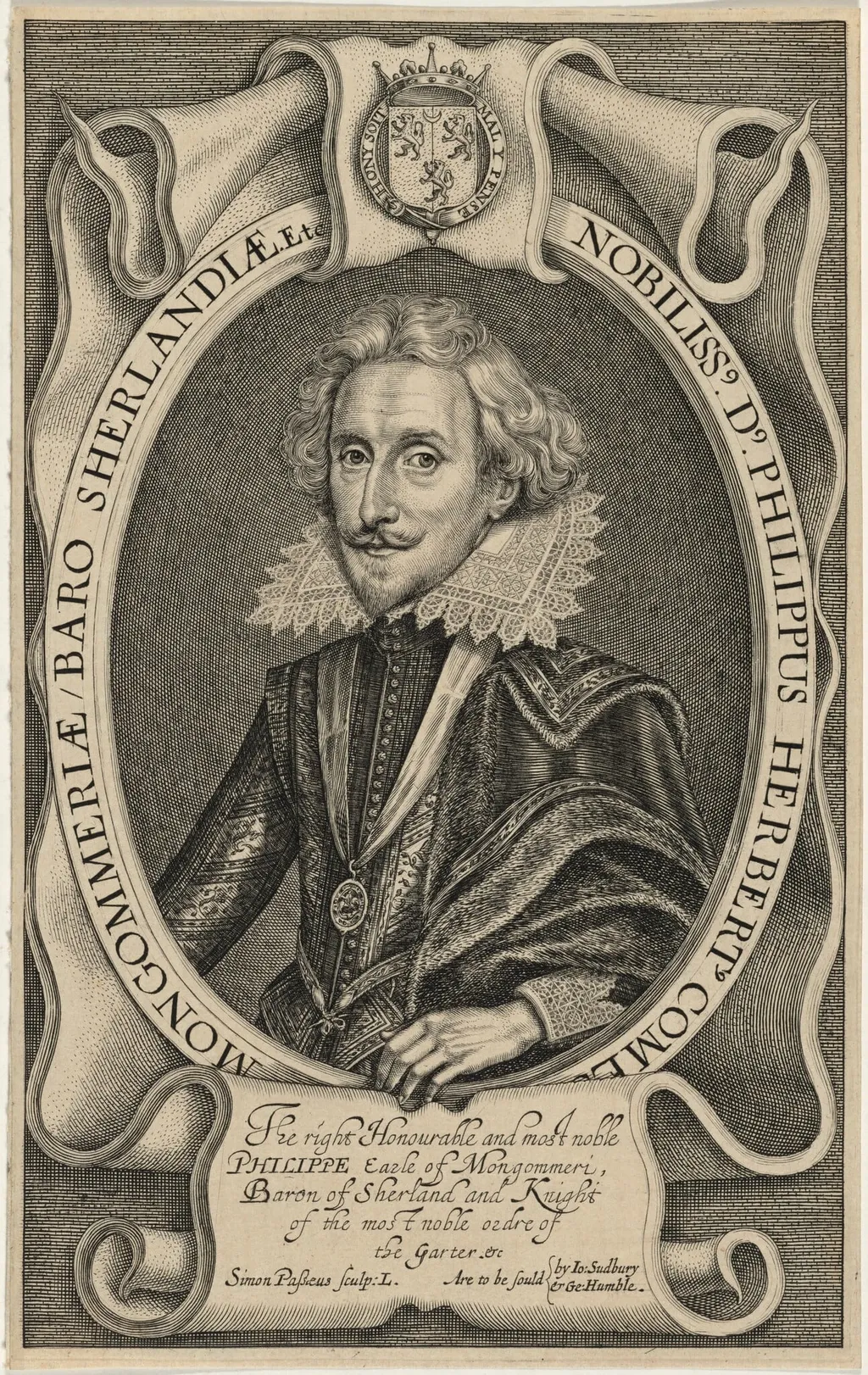
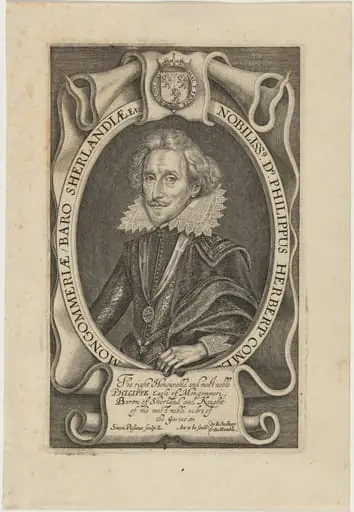
Philip Herbert, Fourth Earl of Pembroke is an ink print by the Renaissance artist Simon van de Passe. It dates from 1621 and is held in the collection of the National Gallery of Art.
About this work
Overview
This 1621 engraving by Simon van de Passe depicts Philip Herbert, the Fourth Earl of Pembroke, in formal attire typical of early 17th-century English nobility.
This 1621 engraving by Simon van de Passe depicts Philip Herbert, the Fourth Earl of Pembroke, in formal attire typical of early 17th-century English nobility. Rendered in monochrome, the portrait emphasizes detail through precise linear work, characteristic of the engraving technique. The composition includes heraldic elements and inscribed titles, framing the subject as a figure of aristocratic authority rather than a casual likeness.
Subject & Meaning
Philip Herbert is portrayed with the accoutrements of high rank: a ruffled collar, a buttoned dark coat, and a ceremonial chain. Above him, a coat of arms displays a crowned lion and other heraldic symbols, affirming his lineage and titles, including Earl of Pembroke and Baron of Sherland. The inclusion of these emblems and the formal inscription around the border serve to assert his social and political standing, not merely to record his appearance.
Technique & Style
Van de Passe employed fine, controlled lines to model texture and volume, capturing the sheen of fabric, the intricacy of lace, and the weight of metal chains. The engraving’s tonal range is achieved through cross-hatching and delicate stippling, typical of Northern European printmaking traditions. The precision of the lines reflects the technical mastery required to translate three-dimensional form into a flat, inked surface for reproduction.
History & Provenance
Created in 1621, the engraving was likely produced for distribution among Herbert’s peers or as a diplomatic gift, common among European elites seeking to project influence. Simon van de Passe, a Dutch engraver active in England, was known for his portraits of nobility. The print’s survival in multiple institutional collections suggests it was widely circulated and valued as a record of aristocratic identity during the Jacobean era.
Context
In early 17th-century England, engraved portraits functioned as tools of status and political visibility. The Herbert family, closely tied to the Stuart court, used such images to reinforce their prominence. Van de Passe’s work aligns with a broader trend of noble families commissioning prints to circulate their likenesses beyond court circles, leveraging the emerging print culture to consolidate social capital.
Legacy
The engraving remains a representative example of Jacobean portraiture in print, illustrating how heraldry and typography were integrated into visual identity. It contributes to the historical record of how nobility managed public image before photography. Van de Passe’s technique influenced later engravers, and the image continues to be referenced in studies of aristocratic representation and early modern print media.
Artist & collection

 William Herbert, Third Earl of Pembroke
 Philip Herbert, Fourth Earl of Pembroke
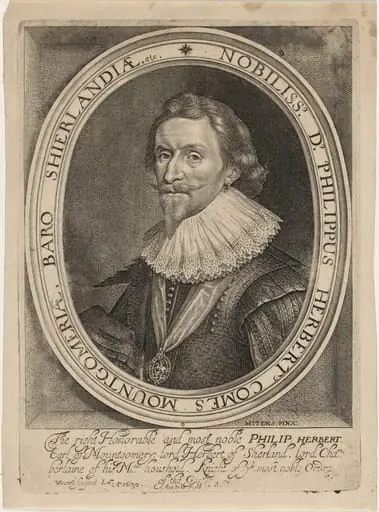 Philip Herbert, Fourth Earl of Pembroke
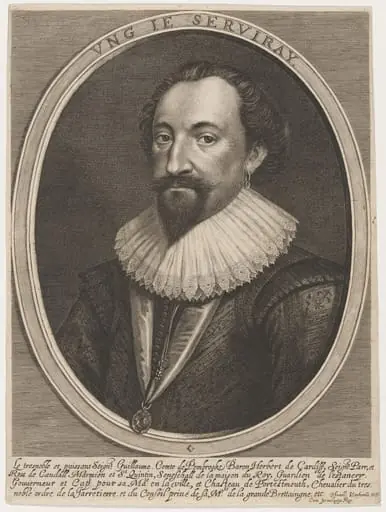 William Herbert, Third Earl of Pembroke
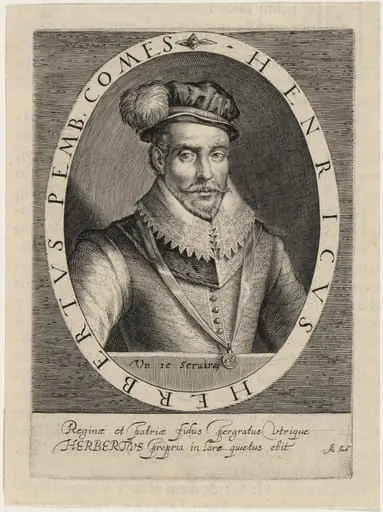 Henry Herbert, Second Earl of Pembroke
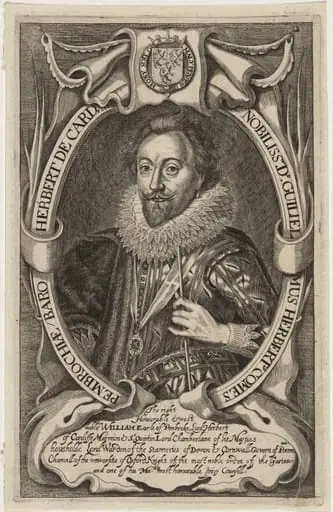 William Herbert, Third Earl of Pembroke
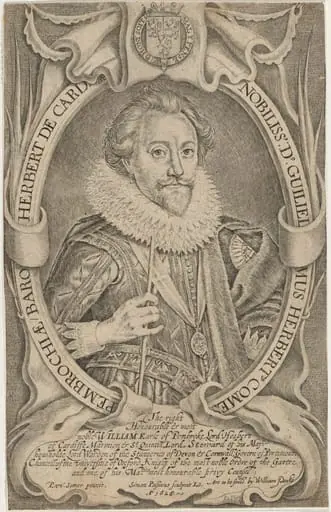 William Herbert, Third Earl of Pembroke
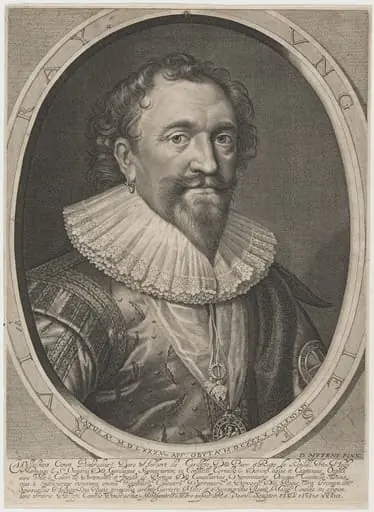 William, Earl of Pembroke
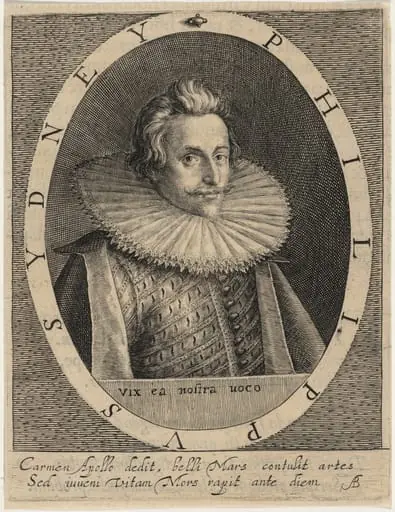 Sir Philip Sidney, Soldier and Poet
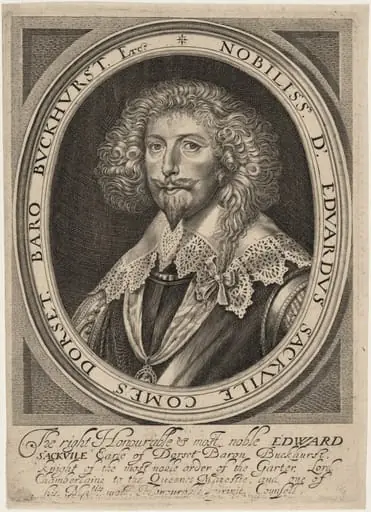 Edward Sackville, Fourth Earl of Dorset
 William Herbert, Third Earl of Pembroke
 Sir Philip Sidney, Soldier and Poet